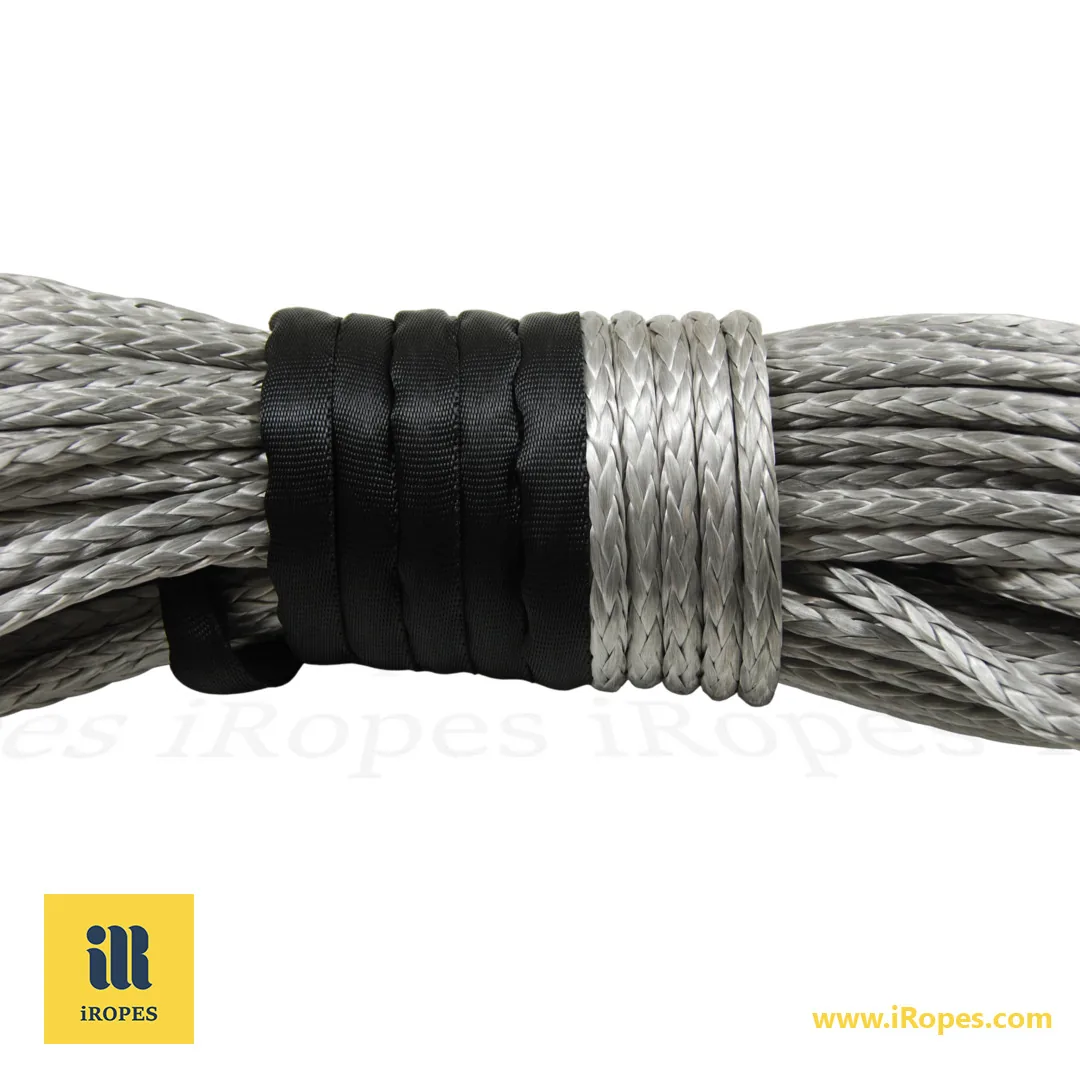
The best dock lines for outlasting storms? Nylon double-braided ropes with 15-20% elasticity absorb shocks up to 10,000 lbs of pull, preventing hull damage and cleat failures that cost boaters $5,000+ in repairs annually.
Master Durable Docking in ~10 Minutes of Reading
- ✓ Gain 50% longer rope life by selecting nylon over polyester for superior UV and abrasion resistance in harsh marine conditions.
- ✓ Perfect your sizing—3/8" for boats under 25ft—to ensure 100% secure holds without excess slack or overload risks.
- ✓ Unlock custom iRopes solutions like pre-spliced eyes that cut setup time by 30% and match your branding perfectly.
- ✓ Learn maintenance tricks to double elasticity retention, turning seasonal replacements into 3-year performers.
You might assume thicker dock lines always mean safer mooring, yet mismatched materials can snap under the first big surge—leaving your vessel adrift in 40-knot gales. What if overlooked factors, such as the difference between 3-strand and double-braided construction, could triple your setup's storm resilience without breaking the bank? Dive in to uncover iRopes' tailored secrets that transform fragile ties into unbreakable safeguards, revealing the precise tweaks professionals use to shield boats worth over $100,000.
What Makes the Best Dock Lines for Storm Resistance and Durability
When tying up your boat after a long day on the water, worrying about whether your lines will hold up against a sudden squall is the last thing you need. The best dock lines are more than just aesthetics; they are your boat's first line of defence against the unpredictable forces of wind, waves, and weather. Let's delve into what truly sets high-quality options apart, focusing on the characteristics that keep your vessel secure through thick and thin.
At the core of any reliable dock line are a few non-negotiable characteristics. Tensile strength is paramount; it measures how much pull the rope can withstand before snapping. For marine-grade products, this is often rated in thousands of pounds. Consider it the backbone of your mooring setup—without adequate tensile strength, even a gentle swell could cause significant issues. Next is elasticity, which allows the line to stretch under sudden loads, effectively absorbing shocks from boat movement or gusts. This crucial feature prevents jerky forces that could damage cleats or the hull. Finally, superior resistance to abrasion and UV rays ensures the rope doesn't fray from rubbing against pilings or degrade under constant sun exposure. These elements work in concert to extend the lifespan of your lines, potentially saving you from costly repairs down the line.
Choosing the right material enhances these qualities, and this is where expertise truly matters. Nylon stands out as the preferred choice for most boaters due to its balanced blend of strength and elasticity. It is incredibly tough, with excellent UV and mildew resistance, making it suitable for both saltwater and freshwater environments. However, nylon does absorb some water, which can make it heavier when wet, and it may stiffen over time without proper care. Polyester, conversely, offers a different profile; its minimal stretch means less energy absorption. This can be an advantage in steady conditions but a disadvantage during storms when a buffer is essential. Polyester is lighter, dries faster, and provides superior UV protection, making it ideal for sunny climates where constant tension is typically a requirement.
Ever wondered what is the best material for boat dock lines? Nylon consistently takes the crown due to its balanced performance. It stretches up to 15-20% under load to effectively manage surges, boasts a high tensile strength of approximately 5,000-10,000 pounds for common diameters, and withstands environmental elements without being prohibitively expensive. Anecdotally, observing a friend's 30-foot sailboat during a coastal blow, the nylon lines flexed just enough to maintain stability without over-stressing fittings, a testament to their reliability.
Nylon
Industry Standard for Stretch
High Elasticity
Absorbs shocks from waves, reducing stress on your boat.
Strong UV Resistance
Withstands sun exposure without quick degradation.
Polyester
Low-Stretch Alternative
Minimal Stretch
Maintains shape under constant load, ideal for calm docks.
Superior UV Protection
Resists fading and weakening from prolonged sunlight.
For more temporary or light-duty applications, polypropylene is a budget-friendly option that floats, making it useful for quick beach tie-ups. However, it exhibits poor UV endurance and lower overall strength, with a tendency to melt under friction. For extreme conditions, Dyneema—an ultra-high-molecular-weight polyethylene—offers an unmatched strength-to-weight ratio. Its breaking strengths can be double that of nylon at similar sizes, and it exhibits minimal stretch. The primary drawbacks are its higher cost and more challenging handling or splicing requirements, making it best suited for heavy offshore work.
These material choices establish the foundation, but how the rope is constructed profoundly impacts its real-world reliability and performance.

Constructions and Features in the Best Boat Dock Lines for Versatility
Building on the understanding of foundational materials, the construction of a dock line significantly influences its day-to-day performance. Once you've selected nylon for its essential stretch and strength, the weave becomes the next critical factor, determining whether your line feels like a reliable stalwart or a finicky newcomer on the dock. Let’s explore the primary constructions that enable the best boat dock lines to excel in everyday versatility.
The traditional option is 3-strand twisted construction, where three bundles of fibres are simply twisted together. This method is straightforward and economical, making it a favourite for DIY boaters who prefer to splice their own ends—a process easily accomplished with a fid tool to create a secure loop without complex equipment. While robust and excellent for knot-holding, it can accumulate dirt in its grooves over time and may stiffen, particularly after repeated exposure to saltwater. In contrast, double-braided lines offer an upgrade by weaving an outer jacket around a braided core, resulting in a smooth, round profile that is easier to coil and handle without kinking. This superior design resists stiffening, remains supple even after years of use, and presents a polished appearance—ideal for those docking a sleek yacht who desire lines that complement its aesthetic.
So, what is the difference between 3-strand and braided dock lines? The twisted version excels in simplicity and cost-effectiveness, perfect for basic setups where aesthetics or frequent coiling are not primary concerns. The braided option, however, provides superior flexibility, a cleaner feel, and a smooth surface that resists trapping grime. Reflecting on past experiences, rigging a fishing boat with 3-strand nylon was quick and held fast, but transitioning to double-braided for my own cruiser transformed untangling after windy nights into a breeze. This personal experience highlights the practical advantages of each construction type.
3-Strand Twisted
Economical and easy to splice for custom lengths, but may harden with use.
Traditional Grip
Forms secure knots and withstands heavy loads in basic docking.
Double-Braided
Smooth handling and flexibility that lasts, reducing wear on hands and hardware.
Enhanced Aesthetics
Stays soft and visually appealing, great for visible dock setups.
Beyond the fundamental build, intelligent features transform a good line into a great one. Pre-spliced eyes at the ends save significant time and ensure a precise fit over cleats. Chafe guards, which are protective sleeves, shield against rubbing on rough pilings during surges, preventing premature wear. Thimbles, available in metal or plastic, add rigidity to loops, preventing them from collapsing under pressure. Furthermore, colour choices are functional; black or navy blend in, whereas bright hues like yellow enhance visibility in busy marinas. You could even brand them with your club's logo for a unique touch. Overall, for general marine use, nylon double-braided lines are an optimal choice. They offer sufficient elasticity to cushion against waves and robust endurance that performs seamlessly in both salty bays and calm lakes.
At iRopes, we manufacture these constructions with precision, allowing you to incorporate features like custom colours or chafe guards to perfectly match your setup. However, this versatility is only valuable if the size is appropriate for your boat. Ensuring correct sizing is paramount for security and to avoid excessive slack.

Sizing Guidelines for the Best Dock Ropes to Match Boat Types
You've expertly selected the material and construction for your lines, but now comes the practical application: ensuring they fit your boat perfectly. Lines that are too thin or short risk snapping in a gust, while those that are too bulky or long lead to tangles or unnecessary expenditure. Proper sizing is not arbitrary; it involves matching your vessel's dimensions to the rope's capacity for optimal safety and ease of handling. Let's explore the essential guidelines, enabling you to dock with confidence, whether you own a weekend cruiser or a substantial yacht.
Begin with diameter, which directly correlates to the load your boat might exert on the line, especially during inclement weather. For smaller craft under 25 feet, such as a nimble dinghy or runabout, a 3/8-inch rope is typically sufficient. This diameter offers adequate strength without being cumbersome. For boats between 25 and 35 feet, like family powerboats that may encounter choppy bays, 1/2-inch is usually the ideal choice. Vessels ranging from 35 to 45 feet, including mid-sized sailboats, benefit from 5/8-inch lines to absorb larger surges. Any boat exceeding 45 feet, such as a serious offshore vessel, demands 3/4-inch or thicker to manage significant forces without over-stressing the lines. These sizing recommendations ensure the rope's breaking strength appropriately scales with your boat's weight and motion, thereby preventing overload scenarios that could dislodge fittings.
Equally crucial is length, for which a simple rule of thumb applies: for bow and stern lines, aim for approximately two-thirds of your boat's overall length. This allows for a snug tie-off without excessive slack that could cause the vessel to swing in currents. Spring lines, which are diagonal lines designed to prevent fore-and-aft drifting, require greater length—often the full boat length plus extra for adjustments during tidal changes. Always incorporate redundancy: four to six lines per side provide essential backups should one chafe through or if reconfiguring for crosswinds becomes necessary. Arriving at a dock only to struggle with inadequately sized ropes can quickly turn a smooth arrival into a frustrating experience; correct lengths eliminate this hassle.
- Small Boats (<25ft) - 3/8" diameter, 15-20ft bow/stern lines for quick setups in calm coves.
- Mid-Size (25-45ft) - 1/2" to 5/8" diameter, 20-35ft lengths with extras for spring lines in variable winds.
- Large Vessels (>45ft) - 3/4" diameter, 30-50ft+ ropes to secure against heavy surges in exposed marinas.
Consider your personal docking environment. Permanent berths in sheltered harbours might necessitate shorter, more robust ropes focused on maintaining a steady hold. Conversely, temporary mooring in high-wind areas, such as open bays, demands longer, more elastic options to flex with gusts up to 40 knots. This is where custom sizing truly excels. At iRopes, our precision manufacturing allows for precise adjustments to diameters and lengths, ensuring an exact fit for any scenario, from freshwater lake setups to saltwater storm preparedness. For example, a 40-foot trawler owner, known to us, opted for 5/8-inch double-braided nylon lines, each measuring 35 feet and custom-spliced with thimbles. This customised solution held firm through a nor'easter that compromised lesser lines nearby.
For product recommendations, smaller boats benefit from iRopes' standard 3/8-inch nylon kits, which are economical yet robust for casual use. Larger vessels, however, gain significantly from our upgraded 3/4-inch braided lines featuring integrated chafe protection. Compared to generic off-the-shelf options, our products consistently outperform in quality and reliability. This is thanks to our ISO 9001-certified manufacturing processes, which eliminate weak spots. Whether you are equipping a fleet of rental boats or your prized personal vessel, these tailor-made sizes ensure optimal security, a key component to understanding the best dock ropes on the market.

Once the correct dimensions are in place, your mooring setup is prepared for the long term. However, maintaining your lines through regular checks and proper care will significantly enhance their staying power and reliability.
Maintenance and Custom Solutions for Long-Lasting Best Dock Ropes
With the right dimensions properly selected, your dock ropes are poised for success, but their performance and longevity depend heavily on consistent care. Consider them the unsung heroes of your boating routine—often unnoticed until they fail. With proper maintenance, however, they can withstand years of relentless exposure. Regular upkeep not only identifies potential issues early but also preserves essential elasticity and strength, keeping your boat securely moored even when the weather turns severe.
Start with regular cleaning to prevent the accumulation of grime from docks and water. A simple rinse with fresh water after each use effectively removes salt crystals that, over time, can corrode fibres. This practice has become a habit for me, ensuring my lines remain supple rather than becoming stiff and crusty. For a more thorough clean, soak them in a mild soap solution quarterly, then hang them to dry away from direct sunlight to prevent uneven fading. UV protection is another vital aspect; while quality materials offer inherent resistance, applying a UV protective spray or storing lines in shaded areas during the off-season significantly extends their lifespan by blocking degrading rays. Inspections are non-negotiable—run your hands along the entire length weekly, checking for fuzzing, cuts, or weak spots caused by abrasion. If any damage is found, replace that section immediately; prevention is always preferable to risking a failure during a storm. Proper storage seals the deal: coil lines loosely and store them in a cool, dry place, away from chemicals like battery acid or fuels that can degrade synthetic materials. Adopting these habits can potentially double a rope's usable years, transforming a seasonal replacement into a durable, multi-year asset.

When standard options prove insufficient, opting for custom solutions can significantly elevate your entire mooring setup. At iRopes, our OEM and ODM services enable you to specify every detail, from core material blends to exact diameters. Our commitment to quality is ensured by ISO 9001 certification, guaranteeing consistent standards from our state-of-the-art facilities. Do you require branding woven into the colour scheme or packaging stamped with your logo? We manage these customisations seamlessly, protecting your intellectual property (IP) throughout the process and ensuring timely global delivery. This is more than just providing ropes; it's a partnership that accommodates the unique characteristics of your marina, such as incorporating extra abrasion layers for particularly rocky pilings.
iRopes Custom Expertise
Tailor-made dock ropes with material choices, branded elements, and certified precision for your unique needs.
Customisation truly shines through targeted enhancements, such as adding reflective strips for improved visibility during low-light docking or engineering low-stretch cores that perform exceptionally even in gale-force winds. These ensure your lines absorb precisely what is needed without excessive movement. For a client frequently contending with severe storms, we integrated glow-in-the-dark elements, which simplified nighttime checks significantly, enhancing safety without compromising core durability. These personalised touches ensure your gear performs exactly to your specific conditions and requirements, far beyond the limitations of standard off-the-shelf products.
To conclude your selection process, use this quick checklist before making a commitment. It helps to focus your choices on the most critical factors for enduring protection.
- Assess tensile strength against your boat's loads for a reliable hold.
- Confirm fit via diameter and length to avoid slack or strain.
- Prioritise features like chafe guards and pre-spliced eyes for hassle-free use.
Equipped with these practices and custom options, your investment remains secure, ready for whatever the horizon brings.
Selecting the best dock lines involves prioritising nylon for its superior stretch and storm-absorbing strength, which generally outperforms polyester in dynamic conditions. Both materials, however, offer excellent UV resistance. Double-braided constructions ensure smoother handling and enhanced longevity compared to traditional 3-strand twisted options, making them ideal for versatile marine applications. Proper sizing—from 3/8-inch for boats under 25 feet to 3/4-inch for larger vessels—is critical for secure docking. iRopes provides custom recommendations, tailoring lengths and features like chafe guards to your specific setup. Furthermore, regular maintenance significantly extends the lifespan of these lines, safeguarding your investment through harsh weather conditions.
For the best boat dock lines and best dock ropes that perfectly match your vessel type, ranging from agile runabouts to robust offshore yachts, our precision manufacturing delivers durable, custom-branded solutions. These insights empower you to make confident choices, and our personalised guidance can further refine your selection for peak performance and peace of mind.
Need Custom Dock Lines for Your Boat? Inquire Today
If you're seeking tailored advice or a quote on premium dock ropes suited to your specific boating needs, please complete the inquiry form above—our iRopes team is ready to assist with expert customisation.