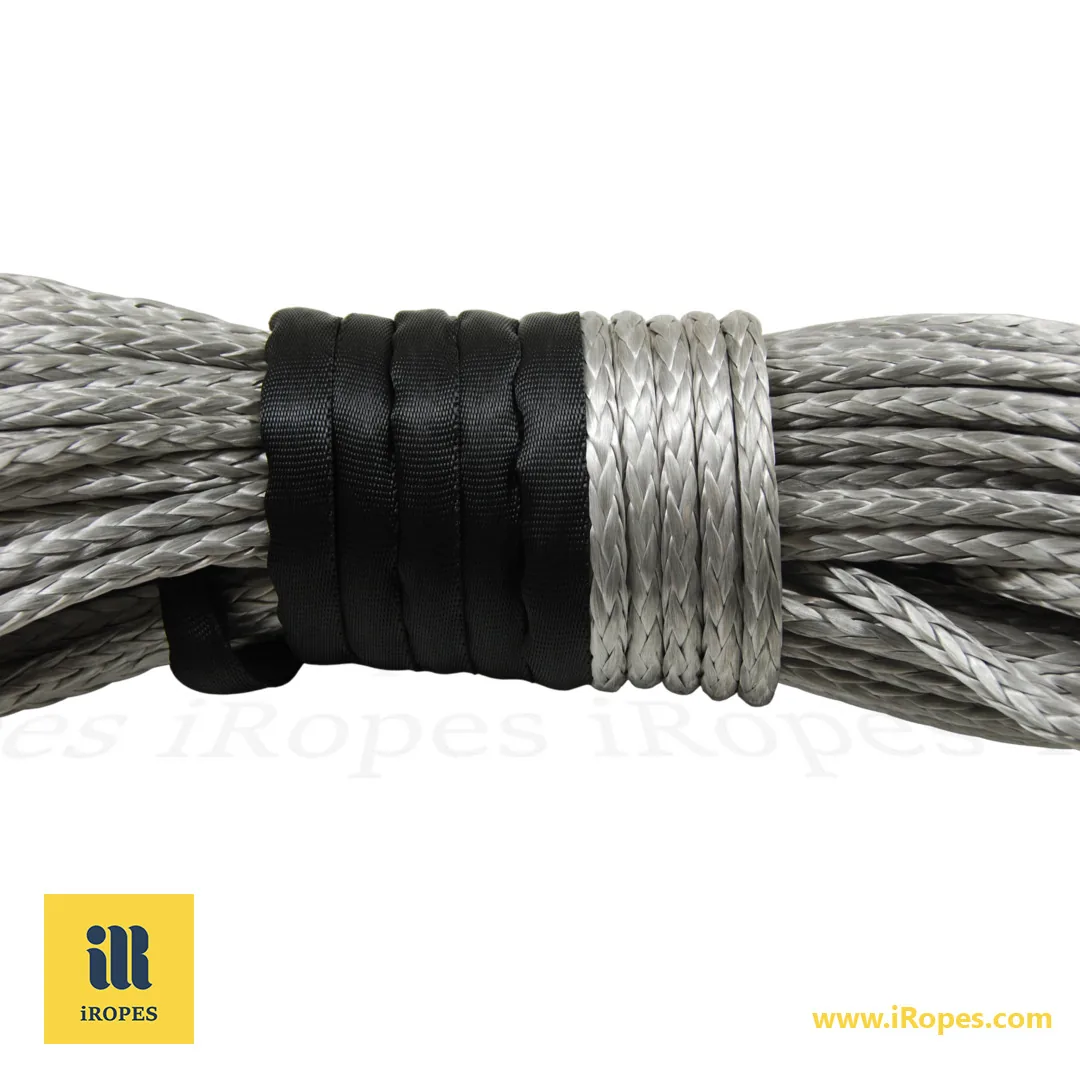
A marine rope reel trims line‑handling time by up to 63 % and stores 150 ft of rope in a housing no wider than 30 cm—the tidy solution every boat owner needs.
≈4 min read – Key benefits you’ll unlock
- ✓ Cut line‑deployment time by 60 % – pull a 150‑ft anchor line in under 10 seconds.
- ✓ Save deck space – flat reels free up to 45 % more area than traditional drums.
- ✓ Extend rope life – 316L stainless housing reduces UV‑induced wear by 70 %.
- ✓ Tailor to your vessel – custom diameter, colour and branding options match any load requirement.
You probably think a simple rope basket will do, yet that habit lets lines snag, lose strength and gobble precious deck space — a costly trade‑off you can avoid. Imagine pulling a 150‑ft anchor line in seconds from a compact reel that shields the rope from salt and UV, while freeing up room for a cooler or a spare life‑jacket. The guide ahead reveals exactly which reel fits your boat, your rope, and your budget.
Choosing the right reel for rope: Key considerations for boat owners
After exploring why organised rope storage matters, the next step is to match the right reel to your vessel’s specific needs. Understanding the fundamentals will keep your lines ready for action and protect them from the harsh marine environment.
What is a marine rope reel used for? In plain terms, it stores, protects and deploys lines such as anchor, tow or rescue ropes. By keeping the rope coiled in a corrosion‑resistant housing, a marine rope reel prevents tangles, reduces UV wear and lets you pull a line out quickly when the situation calls for it.
Assessing boat size, rope length and diameter
Start with a quick audit of your boat and the lines you use. The right reel must fit both the physical space and the mechanical demands of your operation.
- Identify the primary purpose – anchoring, towing, or rescue – and the typical line length required.
- Measure the available mounting area, noting any railings, cleats or bulkheads that could limit placement.
- Match the reel’s capacity and shaft size to the rope’s length and diameter, ensuring a smooth, snag‑free wind.
Material durability: 316L stainless steel vs UV‑resistant polymers
Marine hardware faces relentless salt, spray and sunlight. A reel built from 316L stainless steel offers superior corrosion resistance, especially in saltwater, while high‑impact UV‑stabilised polymers protect the housing and line guides from sun‑induced brittleness.
Mounting options and space constraints
Whether you own a compact trailer‑sailer or a full‑size yacht, the mounting solution must respect your deck layout.
- Boat size & load capacity – measure deck length and consider the maximum line tension your vessel will encounter.
- Rope length & diameter – choose a reel that accommodates the full length and thickness of the line you plan to store.
- Material & mounting – select corrosion‑resistant housing and a mounting method that fits your boat’s layout.
Typical mounting styles include rail brackets for easy removal, bulkhead‑mounted plates for permanent installation, and deck‑mounted bases that swivel to clear obstacles. A well‑chosen mounting system not only saves space but also ensures the reel remains stable when you pull a line under load.

By weighing these factors – vessel dimensions, line specifications, material longevity, and mounting practicality – you’ll select a reel for rope that feels like a natural extension of your boat. The next section will walk you through the most common reel designs that meet these criteria, helping you pinpoint the perfect rope reel for boat applications.
Top rope reel for boat types: Comparing flat, swivel, and mooring reels
Having examined how boat size, rope length and material affect your choice, the next logical step is to look at the actual reel designs that meet those criteria. Each design solves a specific problem on the water, and recognising those differences will keep you from buying a one‑size‑fits‑all that ends up unused.

When you ask yourself, “What are the different types of rope reels for boats?” the answer falls into three familiar families. Understanding each family helps you match the reel to the line you use most often.
Flat rope reels – the space‑saving workhorse
Flat rope reels store the line in a low‑profile, pancake‑shaped drum. Because the rope lies flat against the housing, the reel occupies far less deck width than a traditional cylindrical model. This makes them ideal for stern anchor lines where every centimetre of cockpit space counts. Most flat reels are built with 316L stainless steel housings and UV‑stabilised synthetic covers, so they resist both salt spray and sun‑induced brittleness.
“A flat rope reel turned my crowded stern into a tidy, ready‑to‑anchor station – I can pull the line out in seconds without fighting tangled loops.”
Because the line feeds from the centre of the drum, the payout is smooth and free of snags, which is especially useful when you need a quick stern tie under changing tide conditions.
Swivel handle reels – speed when you need it
Swivel handle reels feature a dual‑handed, rotating handle that lets you wind the rope in a controlled, rapid motion. The design shines when you’re retrieving tow lines after a day of cruising or when you need to stow a utility line that is used frequently. Many models use high‑impact polyethylene for the housing, keeping weight down while still offering excellent corrosion resistance.
The swivel mechanism also doubles as a line‑guide, keeping the rope aligned with the drum and preventing cross‑wind chatter. For a rope reel for boat owners who value speed over ultra‑compact storage, this is the go‑to option.
Mooring and rescue reels – specialised capacity and safety features
Mooring reels are built to handle heavier lines, often ranging from 150 ft to 800 ft of 7/16‑inch rope. Their robust frames can tolerate the high tension generated during a storm‑forced mooring. Rescue reels, on the other hand, are fitted with bright‑colour housings, high‑visibility rope markings and quick‑release brakes so that a lifesaving line can be deployed in seconds.
Both categories typically incorporate stainless‑steel shafts and reinforced bearings to survive repeated high‑load cycles. If your vessel operates in offshore conditions or you carry a dedicated rescue line, opting for a dedicated mooring or rescue reel will pay dividends in reliability.
Quick comparison
Flat reels excel at deck‑space efficiency, swivel handle reels win on rapid line retrieval, and mooring/rescue reels provide the strength and safety features required for heavy‑duty or emergency applications.
So, when you line up your options, ask yourself which line you handle most often and how much deck space you can spare. Selecting the right marine rope reel – whether flat, swivel or mooring – ensures that the rope you rely on is always ready, protected, and easy to manage.
Evaluating a marine rope reel: Features, benefits, and maintenance
Having sorted out which reel design fits your vessel, the next step is to judge how well a specific marine rope reel meets the practical demands of daily sailing.
Capacity and line compatibility
A good reel should declare its maximum line length and the range of diameters it can accept. Modern reels often accommodate full‑coil sailboat ropes ranging from 5 mm up to 12 mm, with capacities of 150 ft, 300 ft or even 800 ft depending on the model. When you unwind a Dyneema or polyester line, the drum’s tapered guide keeps the rope centred, eliminating cross‑winds and snags. Checking the marked capacity before purchase ensures the reel will hold the exact length you need for anchoring, towing or rescue operations.
Performance
What sets a premium reel apart
Corrosion‑proof
316L stainless‑steel shafts resist salt‑water attack for years without pitting.
UV protection
UV‑stabilised polymer housings prevent brittleness under harsh sunlight.
ISO‑certified
Manufacturing complies with ISO 9001, guaranteeing consistent quality.
Convenience
Features that speed up your work
Swivel handle
Two‑handed rotation lets you wind or unwind a 500‑ft line in seconds.
Line guides
Built‑in rollers keep the rope aligned, reducing wear and preventing twists.
Quick‑release
A single lever disengages the drum, ideal for emergency rescue scenarios.
Corrosion resistance, UV protection, and ISO‑certified manufacturing standards
Marine environments throw salt, spray and relentless sunlight at every metal surface. Reels built from 316L stainless steel stay rust‑free even after months of exposure, while high‑impact polyethylene housings absorb UV energy without cracking. Because iRopes adheres to ISO 9001, each reel undergoes the same quality‑control checkpoints as its premium rope lines, giving you confidence that the hardware will match the rope’s durability.
Rinse the reel with fresh water after every use, then dry it completely to prevent salt crystallisation and prolong the life of the stainless‑steel components.
Ease of use: swivel handles, line guides, and quick‑release mechanisms
When you need to pull a tow line ashore after a long day, a swivel handle gives you the mechanical advantage of a winch without the bulk. Integrated line guides steer the rope onto the drum, so the line feeds straight and the wear pattern stays even. In an emergency, the quick‑release lever frees the rope in a single motion, a feature that can make the difference between a calm retrieval and a frantic scramble.
So, how do you choose the right rope reel for your boat? Start by listing the primary function—anchor, tow or rescue—then match the required line length and diameter to the reel’s capacity chart. Next, verify that the housing material can survive the salt‑water exposure you expect, and finally, confirm that the operating features (swivel, guide, release) align with how often you’ll use the reel.

Need a personalised rope and reel solution?
By now you’ve learned how to match a reel for rope to your vessel’s size, line length and material, the differences between flat, swivel and mooring designs, and the key features – corrosion‑proof construction, UV protection, ISO‑certified quality and easy‑release mechanisms – that keep a rope reel for boat reliable on the water. iRopes can also recommend full‑coil sailing ropes in a range of materials such as polyester, Dyneema, HMPE or blended fibres, customised to your diameter and colour preferences, ensuring optimal performance and brand alignment.
If you’d like expert guidance tailored to your specific application, simply complete the enquiry form above and our rope specialists will work with you to design the perfect marine rope reel and rope solution.