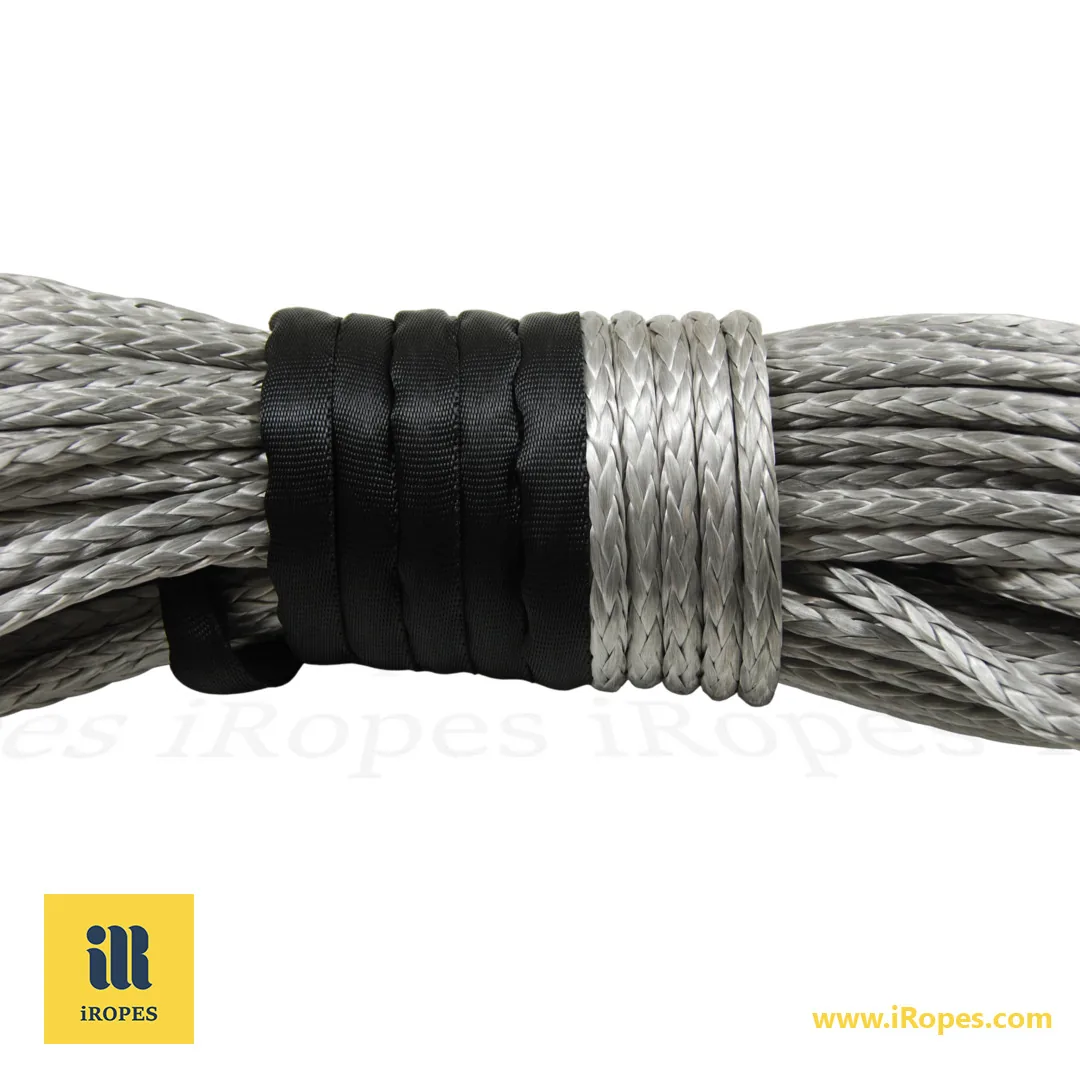
UV‑treated polypropylene rope can retain around 90% of its tensile strength after 2,000 h of accelerated UV exposure—about three times longer than standard PP.
What you’ll gain – 4 min read
- ✓ 3× longer UV lifespan versus untreated PP
- ✓ Around 25% lower cost than polyester while staying buoyant
- ✓ Custom colour & branding without extra coating
- ✓ ISO 9001‑certified OEM process safeguards your IP
You’ve probably heard that polyester is the best rope for UV resistance and that nylon also performs strongly. Yet a UV‑stabilised polypropylene rope can retain around 90% of its tensile strength after 2,000 hours of testing and remain roughly 25% cheaper than polyester. In the sections that follow, we explain the HALS (Hindered Amine Light Stabilisers) chemistry, outline a straightforward custom‑order workflow, and share practical steps to help you choose a cost‑effective, sun‑resistant rope for your project.
best rope for uv resistance – Overview and key factors
When the sun beats down on a rope, the most durable option is a polyester or nylon strand, both rated “excellent” for UV exposure. Polypropylene can also meet this demand, but only when it receives a specialised UV‑stabiliser treatment from a trusted OEM.

UV resistance describes a rope’s ability to withstand the sun’s ultraviolet rays without losing tensile strength or becoming brittle. UV photons break molecular bonds, which over time reduces load capacity and can cause dangerous cracks.
- Nylon – excellent UV rating; retains strength even after 1,000 h of exposure.
- Polyester – also excellent; preferred for marine use because it resists UV and has low water absorption.
- Polypropylene – moderate‑to‑poor UV rating unless an additive such as HALS is incorporated.
If you wonder “what type of rope is the most UV resistant?”, the short answer is polyester (often marketed as Dacron). It combines low stretch, high tensile strength, and a UV‑tolerant polymer structure, making it the go‑to choice for outdoor and marine rigs.
Polyester ropes maintain over 95% of their tensile strength after 1,000 hours of UV exposure, making them the go‑to choice for marine applications.
iRopes tackles the polypropylene limitation by integrating UV‑stabiliser additives directly during extrusion, helping you choose the right rope material for your application. The result is a custom‑coloured, UV‑treated PP rope that meets ISO 9001 quality standards, offers the buoyancy of standard PP, and survives sun‑soaked environments for up to three times longer.
Understanding these material fundamentals sets the stage for the next part of the guide, where we explore the baseline UV performance of standard polypropylene rope and why additional treatment is often essential.
polypropylene rope uv resistance – Baseline properties and limitations
Building on the material fundamentals you just explored, let’s examine what untreated polypropylene rope actually does when it spends long hours under the sun. This baseline view helps you decide whether the standard version will survive your project or if you need extra protection.

In industry testing, polypropylene rope is typically given a poor UV‑resistance rating. In accelerated UV exposure, it can reach the “poor” threshold (more than 20% strength loss) at around 600 h. In tropical climates, the same rope may drop close to 30% strength within six months, making it unsuitable for critical load‑bearing tasks that stay in the sun.
- UV rating – Poor; exceeds 20% loss by around 600 h in accelerated tests.
- Typical degradation – ~30% loss after six months in high‑intensity sun.
- Standard test – Tests such as ASTM D2582 reveal rapid colour fade and embrittlement.
Does polypropylene rope degrade in sunlight? Yes, it does. UV photons break the polymer chains, which leads to the brittleness and colour fading you see in the photo above. If your application involves prolonged outdoor exposure, relying on untreated PP alone can compromise safety.
Despite its UV weakness, polypropylene offers two compelling reasons many users still choose it: the material’s low density (about 0.91 g/cc) means the rope floats effortlessly, and the cost per metre is roughly half that of polyester or nylon in standard grades. These traits make PP attractive for marine buoys, floating fenders, and temporary rigging where weight‑saving and budget matter more than long‑term sun durability.
When to accept standard PP
If the rope will be stored in shade, used for short‑term projects, or needs to stay afloat on water, the baseline properties of polypropylene—lightweight, buoyant, and inexpensive—often outweigh its limited UV resistance.
When the sun’s intensity climbs or the rope must bear critical loads for months on end, the baseline performance quickly becomes a liability. That is why many manufacturers, including iRopes, turn to specialised UV‑stabiliser additives or surface coatings to transform the “poor” rating into something far more durable. The next part of the guide shows how those enhancements work and what you can expect from a UV‑treated polypropylene rope.
polypropylene rope uv – Customization, additives, and iRopes OEM solutions
Building on the baseline limitations we just explored, the real breakthrough comes when polypropylene is fortified with specialised UV‑stabiliser chemistry. By embedding HALS (Hindered Amine Light Stabilisers) during extrusion, iRopes creates a rope that intercepts harmful UV photons before they can break polymer chains.
How long will a UV‑treated rope last? Laboratory‑accelerated ageing shows that a HALS‑enhanced polypropylene strand can retain around 90% of its original tensile strength after 2,000 h of continuous UV exposure—roughly three times the service life of untreated PP. In practice, outdoor ropes can last up to three years in full sun versus about one year for untreated PP, depending on climate, colour, and duty cycle.
UV‑Stabiliser Blend
Tailored HALS ratios deliver a “good” UV rating, keeping strength loss to around 10% even after 1,500 h of direct sunlight.
Integrated Co‑extrusion
Stabiliser is locked into the rope’s core during manufacturing, eliminating the need for post‑process coatings that can peel or crack.
Custom Colours
Choose any brand‑specific hue, including high‑visibility orange‑red blends that retain colour under UV stress.
IP Protection & Packaging
All orders are sealed in non‑branded or logo‑printed bags, with full intellectual‑property safeguards throughout production.
Tip: For projects that demand a lifespan of three years or more, specify a HALS concentration of at least 2% by weight during the OEM quote.

One quick‑look case study illustrates the payoff. A coastal cable‑guard supplier in the United States replaced its standard 12 mm PP line with iRopes’ HALS‑treated version (2% by weight), colour‑coded orange for visibility. The UV‑stabilised rope remained serviceable after 18 months of direct sea‑sun exposure, whereas the previous stock failed around 12 months. Overall, the client reported 30% longer rope life and a 15% reduction in total replacement costs.
If you’re weighing whether to order a “best rope for uv resistance” off the shelf or to request a custom formulation, you may want to compare polypropylene with polyester and poly. Remember that iRopes’ OEM process lets you specify diameter, strand count, construction, and the exact UV‑stabiliser blend. The result is a polypropylene rope that delivers the buoyancy and affordability you expect, while the added UV protection lifts it into the “good” rating range for long‑term outdoor use.
Need a custom UV‑resistant polypropylene rope?
We’ve shown that while polyester remains the best rope for uv resistance, a HALS‑stabilised PP can achieve a “good” UV rating. By selecting the right polypropylene rope uv resistance additives, colour options, and strand count, you gain the buoyancy and cost benefits of PP without sacrificing sun durability. Whether you need a short‑term solution or a multi‑year outdoor fleet, iRopes can tailor a rope that meets the specific polypropylene rope uv performance you require—backed by ISO 9001 quality, OEM/ODM services, IP protection, custom packaging, and punctual global shipping.
For personalised advice on the ideal formulation for your project, simply complete the enquiry form above and our specialists will guide you through the options.