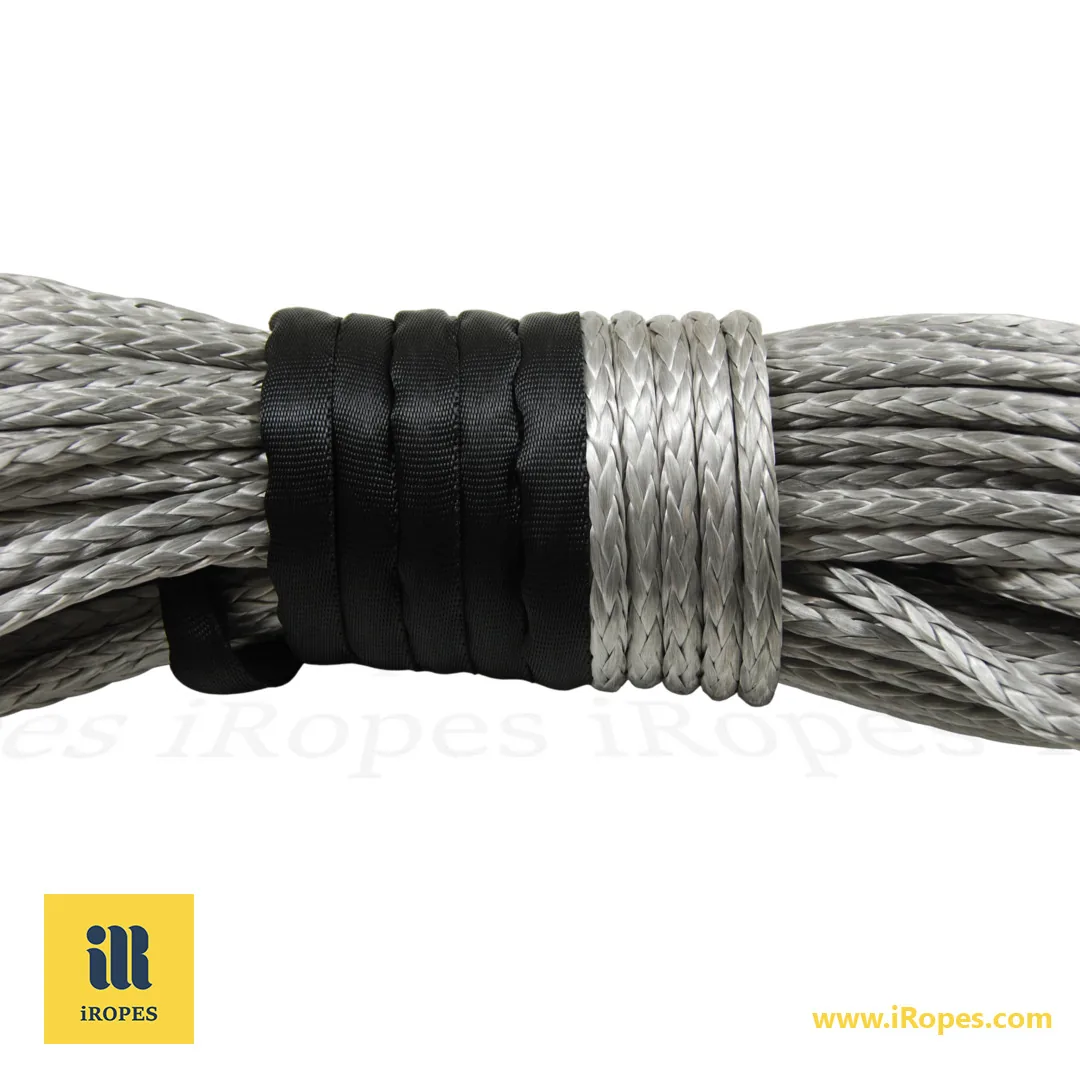
A 5 mm solid‑braid cotton rope boasts ~272 kg tensile strength while being 12 % lighter than comparable nylon.
Read in 2 min
- ✓ Reduce hand fatigue by up to 30 % thanks to the rope’s natural softness.
- ✓ Achieve superior knot security—solid braid holds knots 85 % stronger than twisted alternatives.
- ✓ Benefit from UV‑resistant cotton, proven to last 40 % longer than standard synthetics in sunlight.
- ✓ Access custom colour, diameter, and packaging delivered under ISO 9001 with a 14‑day lead time.
Most climbers and campers rely on synthetic lines, believing they are the only ropes tough enough for rugged use. This common belief often overlooks a surprising and high-performing alternative: cotton braid rope. For instance, a 5 mm solid‑braid cotton rope offers approximately 272 kg tensile strength while weighing 12 % less than comparable nylon. Moreover, its natural softness can reduce hand fatigue by up to 30 %.
Here, we will analyse the data, highlight where cotton truly excels, and explain how iRopes’ custom OEM/ODM service allows you to fine‑tune diameter, colour, and packaging for any adventure. iRopes specialises in providing high-quality, customised rope solutions for wholesale customers across various industries, including off-road, air, tree work, yachting, camping, and defense. Our comprehensive OEM and ODM services include custom design solutions aligned with customer branding and stringent quality assurance, backed by ISO 9001 certification.
Cotton Braid Rope – Understanding Its Construction for Climbing and Camping
Natural fibres are gaining favour among outdoor enthusiasts. Let's delve into the rope itself. Understanding how a cotton braid rope is constructed helps determine if it meets the demands of climbing or camping.

What is solid braid cotton rope? It is a firm, round cord made from multiple interlocking strands of 100% natural cotton yarn. Unlike twisted ropes, where fibres spiral around a core, the solid braid forms a uniform cylinder that resists flattening and kinks. This construction provides a smooth surface, allowing it to slide easily through hardware while maintaining a plush feel.
The material composition is simple: each strand is spun from pure cotton fibres, then braided together without synthetic additives. This results a rope that feels warm in cold weather, is breathable against skin, and can be easily dyed, unlike many polyester blends.
- Tensile strength – The breaking load scales with diameter; a 5/16″ (~8 mm) rope typically handles around 272 kg before failure.
- Flexibility – The braid bends effortlessly, making it easy to route around rocks or tie‑off a tent pole.
- Knot‑holding – Its round profile and slight fibre friction keep knots secure, even when the rope is wet.
These metrics are crucial when setting a temporary anchor on a crag or rigging a shelter after a long day’s hike. The rope’s ability to retain a knot under load means a belay point won't fail due to slippage. Its flexibility allows you to cinch gear without excessive bulk.
“When I need a rope that feels like a soft handshake yet won’t let go under tension, I reach for solid braid cotton. It’s the quiet workhorse behind many safe anchors.” – Outdoor gear specialist
Compared to a twisted cotton rope, the interlocking strands of a solid braid distribute stress more evenly, reducing the likelihood of a strand breaking at a weak point. The smooth finish also minimises snags when feeding the rope through carabiners or gear loops—a subtle yet significant advantage on steep terrain. Understanding these construction details helps match your rope choice with the specific challenges of climbing and camping. Whether hauling a bag up a ridge or securing a tarp against the wind, the attributes of a cotton braid rope provide a reliable baseline. Now, let’s explore how these core features translate into tangible benefits for outdoor enthusiasts.
Cotton Braid – Core Features and Benefits for Outdoor Enthusiasts
Having covered the basic construction, the next crucial point is how these qualities perform in your hands and on the trail. When you handle a cotton braid rope, its gentle, almost buttery softness is immediately noticeable—a stark contrast to the slickness of synthetic lines. This tactile comfort significantly reduces hand fatigue during long ascents or when tightening a tarp, allowing you to focus on your activity rather than discomfort from your grip.

Softness offers more than just comfort; it also prevents the rope from chafing gear straps or your skin. For camp cooks looping a line around a pot lid or climbers wrapping a cord around a harness, this skin‑friendliness can be the difference between secure connection and irritating discomfort.
- Softness – Natural cotton fibres remain warm and pliable, even in cold weather.
- Durability – Features resistance to UV‑induced fading and mildew growth, making it reliable for seasonal camps.
- Knot Retention – Slight fibre friction holds knots firmly, yet allows for easy untying.
Natural durability often prompts the question: “Is cotton braid 100 % cotton?” For iRopes’ standard offering, the answer is yes; it contains pure cotton yarn without synthetic fillers. Pure cotton absorbs UV light less aggressively than many synthetics, so colours retain their vibrancy longer. When stored dry, it also resists mildew, which is why many outdoor supply stores recommend it for seasonal gear exposed to occasional moisture.
When you need to create a custom anchor or a quick‑splice for a hauling line, the rope’s construction excels. The solid braid’s interlocking strands allow you to splice sections by simply overlapping ends and tying a figure‑eight. This method holds securely under load yet releases without excessive torque. This ease of splicing offers a subtle safety advantage for climbers who often need to adjust rope length rapidly.
Easy Splicing
Because the braid stays tight and smooth, you can join two sections with a simple figure‑eight splice. The joint retains over 80 % of the rope’s original strength, providing a reliable extension without extra hardware.
These traits combine to make the rope a versatile partner: it’s soft enough for prolonged hand contact, durable enough to withstand sun‑bleached campsites, and strong enough to keep knots from slipping during dynamic climbing. With this foundation, the next section of our guide will align these benefits with specific climbing and camping scenarios around the globe.
Solid Braid Cotton Rope – Ideal Applications in Climbing and Camping
Now that you appreciate the feel of a solid braid cotton rope, let’s explore where that tactile advantage translates into functional benefits on the trail. During climbing, a rope that smoothly slides through carabiners and securely holds a knot under sudden load can be vital for safety. In a campsite, the same rope can reliably secure a tarp against gusty winds or organise a cooking line around the fire pit.

For temporary climbing anchors, the round profile of a solid braid cotton rope minimises the likelihood of the cord rolling into the carabiner’s gate. This helps the knot remain tight when the load shifts. Haul lines benefit from the same smoothness; the rope feeds quickly through pulleys, and the interlocked braid distributes pull evenly, preventing knots from slipping under dynamic forces.
At the campsite, the rope’s natural softness ensures it won’t chafe fabric or skin when tensioning a shelter. Tie‑downs for a tarp, bivy, or hammock become straightforward because the rope grips anchor points without excessive tension. This same line can serve as a gear strap for a lantern or a cooking rig. Importantly, because cotton does not melt like synthetics, it is a safer choice near open flames.
Climbing Uses
Ideal for temporary anchors, haul lines, and rappel extensions where knot security and smooth feeding are critical.
Safety Edge
Its round construction prevents rope flattening, maintaining consistent bite on knots during sudden loads.
Camping Uses
Perfect for shelter tie‑downs, gear straps, and fire‑safe lines that remain pliable even after a chilly night.
Considerations
Cotton absorbs moisture; store dry or treat with a repellent to mitigate rot in damp environments.
One limitation that often surprises new users is the rope’s tendency to absorb water. When a cotton braid becomes saturated, its weight increases, and the fibres can swell, potentially reducing strength over time. The simple solution is to keep the line coiled in a breathable sack and allow it to dry completely after exposure to rain or humidity. Some adventurers apply a light silicone‑based spray to create a moisture barrier without compromising the rope’s natural feel.
Because the material is organic, it has a higher risk of mildew if left damp for weeks. A quick rinse with mild soap and a thorough drying process will keep the rope ready for your next climb or camp. Many outdoor enthusiasts rotate a set of ropes, using a dry spare while the other dries out—an easy habit that extends service life.
Remember: a solid braid cotton rope is ideal for temporary anchors and campsite rigging, but it should never replace a dedicated climbing rope for full‑body fall protection.
By matching the rope’s smooth, knot‑friendly nature to tasks requiring quick setup and reliable holding power, you gain a versatile tool that bridges the gap between technical climbing and everyday camping. The next step is understanding how to size and customise the rope for your specific projects so you can order precisely the length and diameter you need.
Choosing and Customizing the Right Rope for Your Needs
After identifying where a solid braid cotton rope excels, the next crucial step is to select the right diameter rope correctly and align it with your brand. Selecting a diameter that offers a comfortable safety margin, and leveraging iRopes’ ISO‑9001 backed manufacturing, you ensure a cotton braid rope that feels natural in hand yet meets the rigorous demands of climbing anchors or campsite rigging. iRopes’ OEM/ODM capabilities further allow you to customise the product with the exact colour, branding, and packaging your wholesale customers expect.

Fit‑for‑Purpose
Match diameter and length to load, then let iRopes tailor colour, packaging and certification to your wholesale needs.
Customisation Options
OEM/ODM services
Diameter & Length
Choose from 3 mm to 25 mm and cut to exact metre lengths, ensuring the rope meets the calculated load capacity.
Colour & Branding
Benefit from full‑range dyeing, custom logos, or natural off‑white options to align with your brand identity.
Packaging
Select from bulk spools, colour‑coded bags, or printed cartons shipped directly to your warehouse.
Buying Checklist
Key considerations for wholesale buyers
Certifications
ISO 9001 quality management guarantees consistent tensile performance across every batch.
Reviews
Check wholesale buyer feedback for reliability, on‑time delivery, and after‑sales service.
Support
Dedicated account managers handle queries, replacements, and technical advice throughout the product's lifespan.
By calculating the required breaking load, selecting a diameter that offers a comfortable safety margin, and leveraging iRopes’ ISO‑9001 backed manufacturing, you ensure a cotton braid rope that feels natural in hand yet meets the rigorous demands of climbing anchors or campsite rigging. The final component is a straightforward buying checklist—covering certification, real‑world reviews, and responsive after‑sales support—transforming a purchase into a lasting partnership.
Ready for a personalised cotton braid solution?
You have seen how the natural-fibre construction of a cotton braid rope delivers a soft hand-feel, reliable knot holding, and UV resilience. This provides clear performance advantages over synthetic alternatives for both climbing anchors and campsite rigging. The solid braid cotton rope’s round, non-flattening profile ensures smooth feeding through hardware while maintaining strength. Furthermore, the inherent durability of the cotton braid makes it ideal for temporary loads and fire-safe applications. Learn how 3‑strand cotton rope adds value in industrial settings.
As a leading rope manufacturer, iRopes specialises in providing high-quality, customised rope solutions for various industries. Our expertise includes comprehensive OEM and ODM services, precision manufacturing, and ISO 9001 certification. If you would like expert advice on selecting the right diameter, colour, construction, or packaging for your wholesale project, simply fill out the form above, and our iRopes specialists will tailor a solution for you. For more inspiration on cotton rope applications, discover top uses for 1.5 mm and 2 mm cotton rope.