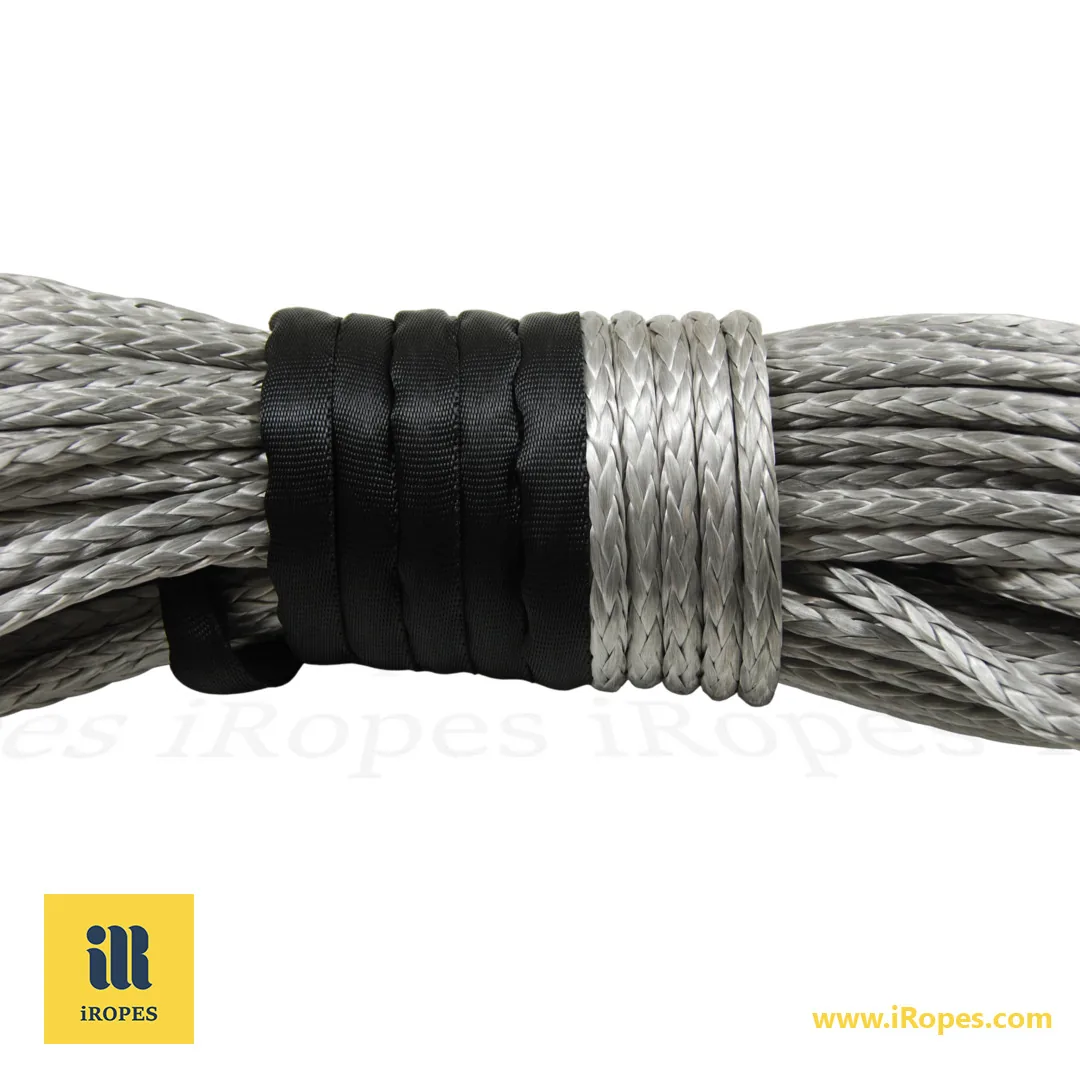
Nylon rope delivers up to 38% higher tensile strength than hemp across standard diameters (e.g., 0.5″ nylon 5,750 lb vs. hemp 4,800 lb), while hemp keeps roughly 10% better UV resistance.
≈2-minute read – What you’ll gain
- ✓ Exact tensile & WLL figures for common hemp and nylon diameters.
- ✓ How knots can shave 30-50% off advertised strength.
- ✓ A quick decision matrix to match rope to load, environment & budget.
- ✓ Insight into iRopes’ custom OEM/ODM options that lock in safety and cost-effectiveness.
You might think the rugged look of hemp makes it the strongest, yet the data flips the script: nylon actually carries more load in most sizes. However, the real game-changer isn't just the raw numbers; it's how moisture, UV exposure and knot choice reshape those figures. Furthermore, a tailored blend can often give you the best of both worlds. Keep reading to see which rope truly earns the top spot for your project and why.
Hemp Rope Strength Chart
Having covered the basic rope-strength vocabulary, you can now see the numbers that matter for natural hemp rope strength. Understanding the figures in a chart helps you pick the right diameter for the load you expect to carry.
Tensile strength is the maximum force a rope can endure before it starts to stretch and eventually snaps. Breaking strength (often called Minimum Breaking Strength or MBS) is the guaranteed minimum load at which the rope will fail. The working load limit (WLL), conversely, is the safe load you should never exceed. It is usually calculated as a fraction of the breaking strength, commonly one-fifth (1:5 safety factor) for hemp rope.

- 0.25" diameter – Tensile strength approx. 1,250 lb, Working load limit 250 lb.
- 0.50" diameter – Tensile strength approx. 3,200 lb, Working load limit 640 lb.
- 1.00" diameter – Tensile strength approx. 8,100 lb, Working load limit 1,620 lb.
Reading this hemp rope strength chart is simple: find the rope diameter that matches your needs, note the tensile strength, then apply the safety factor (typically 1:5) to arrive at the WLL. For instance, if you plan to lift 500 lb, a 0.50" hemp rope with a 640 lb WLL gives you a comfortable margin. Conversely, a 0.25" rope would be unsafe.
A common question we hear is, “What is the tensile strength of hemp rope?” The answer varies with diameter, but a reliable rule of thumb is that a 1 inch hemp rope can handle roughly 8,100 lb before breaking. Smaller diameters follow a proportional pattern, as shown in the chart above, making it clear why selecting the correct size is crucial.
When you respect the working load limit and choose the proper diameter, hemp rope becomes a dependable partner for rigging, anchoring, and historic-style projects where natural fibre aesthetics matter.
Now that the numbers are clear, you can weigh hemp’s raw strength against other factors we’ll explore next, such as moisture resistance and UV ageing, before moving on to its synthetic counterpart.
Hemp Rope Strength
Having explored the raw numbers, it’s useful to step back and understand what makes genuine hemp rope strength distinct from the more commonly-seen Manila variant. True hemp fibres originate from the cannabis plant, giving them a denser cellular structure. Manila, in contrast, is derived from the abacá banana-leaf plant and tends to be slightly softer and more pliable.
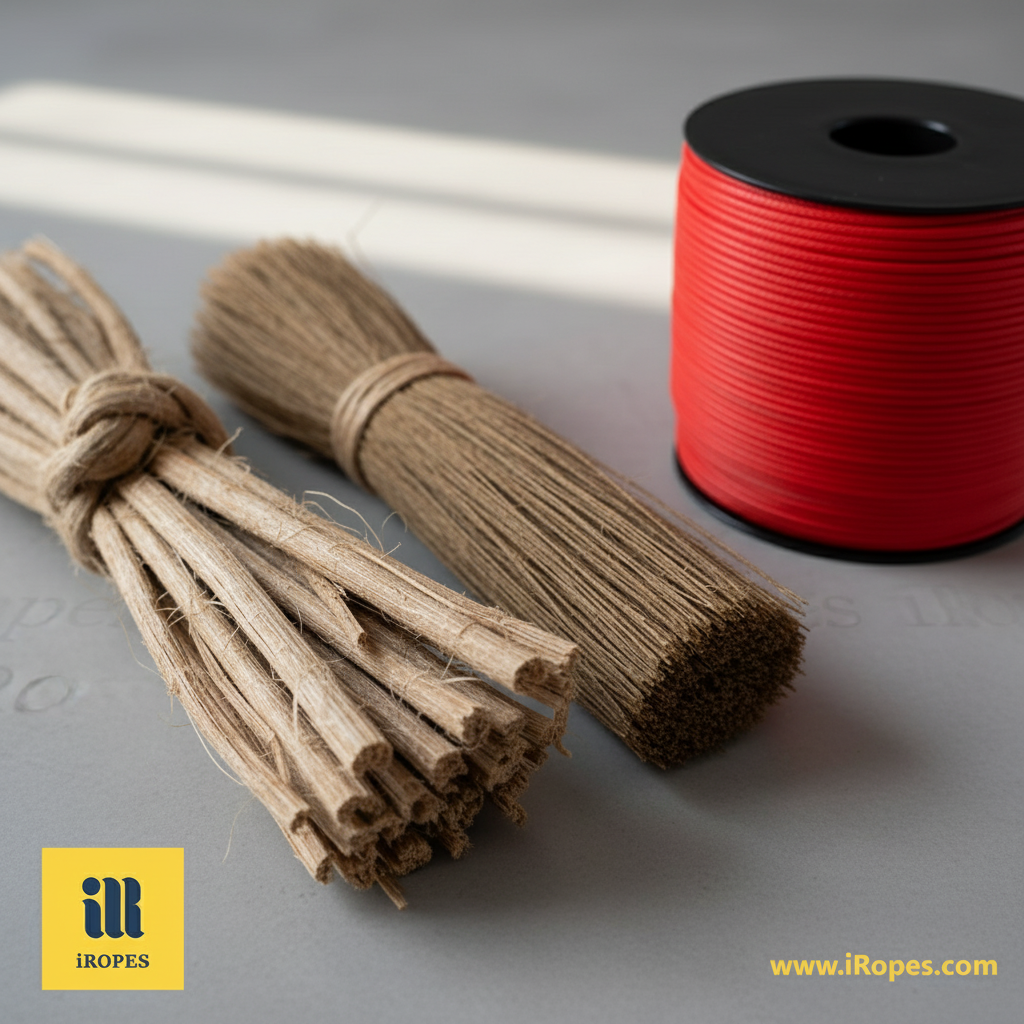
- Botanical source – Hemp comes from the cannabis stalk; Manila originates from the abacá plant.
- Fibre density – Hemp fibres are tighter and heavier, giving a higher strength-to-diameter ratio.
- Typical applications – Hemp is favoured for historic-style rigging and heavy-load tasks; Manila is popular in decorative or light-duty uses.
Key Strength Figures
A new ¾-inch (19 mm) hemp rope typically exhibits a tensile strength between 4,800 lb and 5,500 lb, delivering a working load limit of roughly 960 lb to 1,100 lb. By contrast, a comparable-diameter jute rope reaches about 3,200 lb tensile strength, while sisal peaks near 4,000 lb. These differences stem from hemp’s tighter fibre alignment and lower elongation under load.
Strength alone does not tell the whole story; several environmental and usage factors can erode hemp’s performance over time. Understanding these variables helps you preserve the rope’s rating throughout its service life.
- Age and fatigue – Repeated loading cycles gradually reduce fibre cohesion, shaving a few percent off the original strength each year.
- Moisture absorption – Hemp readily soaks up water, which can lower tensile capacity by roughly 10% when saturated.
- UV exposure – Prolonged sunlight breaks down lignin in the fibres, causing a slow but steady loss of load-bearing ability.
- Knotting – Common bends such as the bowline or figure-eight can cut strength by 30% to 50% depending on the knot’s geometry.
So, is hemp rope stronger than nylon? In a head-to-head test, nylon’s synthetic polyamide typically outperforms hemp in sheer tensile numbers—especially in thicker, double-braided constructions where a ½-inch nylon can reach 7,300 lb breaking strength. However, hemp remains the strongest natural fibre and offers superior grip, lower stretch, and full biodegradability, making it the better choice when those attributes outweigh raw tensile power.
With the nuances of hemp clarified, the next step is to examine how nylon’s engineered composition translates into its own strength charts and durability profile.
Nylon Rope Strength Chart
Having examined hemp’s natural characteristics, we now turn to the engineered world of nylon. Nylon rope is a synthetic polyamide that offers a blend of elasticity, high tensile capacity, and superior resistance to UV-induced degradation, making it a favourite for dynamic loads and marine environments.

The nylon rope strength chart below breaks the data down by construction type, allowing you to match a specific build to your project’s load requirements. Each entry lists a common 0.50-inch (12.7 mm) diameter, its approximate tensile strength, and the resulting working load limit (WLL) calculated with a standard 1:5 safety factor.
3-Strand
0.50" diameter, tensile strength ~5,750 lb, WLL about 1,150 lb.
Double-Braid
0.50" diameter, tensile strength ~7,300 lb, WLL around 1,460 lb.
Solid Braid
0.50" diameter, tensile strength ~4,500 lb, WLL roughly 900 lb.
12-Strand Plait
0.50" diameter, tensile strength ~6,200 lb, WLL about 1,240 lb.
Answering the common query, “How strong is a nylon rope?” – a ½-inch double-braided nylon can support roughly 7,300 lb before breaking, while the same size in a solid braid handles about 4,500 lb. These figures illustrate why nylon is often chosen for applications that demand both high strength and a degree of stretch, such as marine mooring lines or rescue systems.
When nylon absorbs water, its tensile strength can drop 10–15%, so always calculate the working load limit for wet conditions.
Knotting further reduces capacity; a figure-eight knot on nylon typically cuts its strength by around 30%. More complex bends, however, can approach a 50% loss. Keeping these deductions in mind ensures the WLL you rely on remains safely within the rope’s true capability.
With the numbers for nylon laid out, the next part of the guide will explore the universal factors that influence any rope’s longevity, from abrasion to UV exposure.
Key Factors Influencing Rope Strength and Durability
Now that you have the raw numbers for hemp and nylon, the next step is to understand what pushes those figures up—or pulls them down—in real-world use. Various elements significantly impact a rope's performance, from its physical properties to environmental conditions.
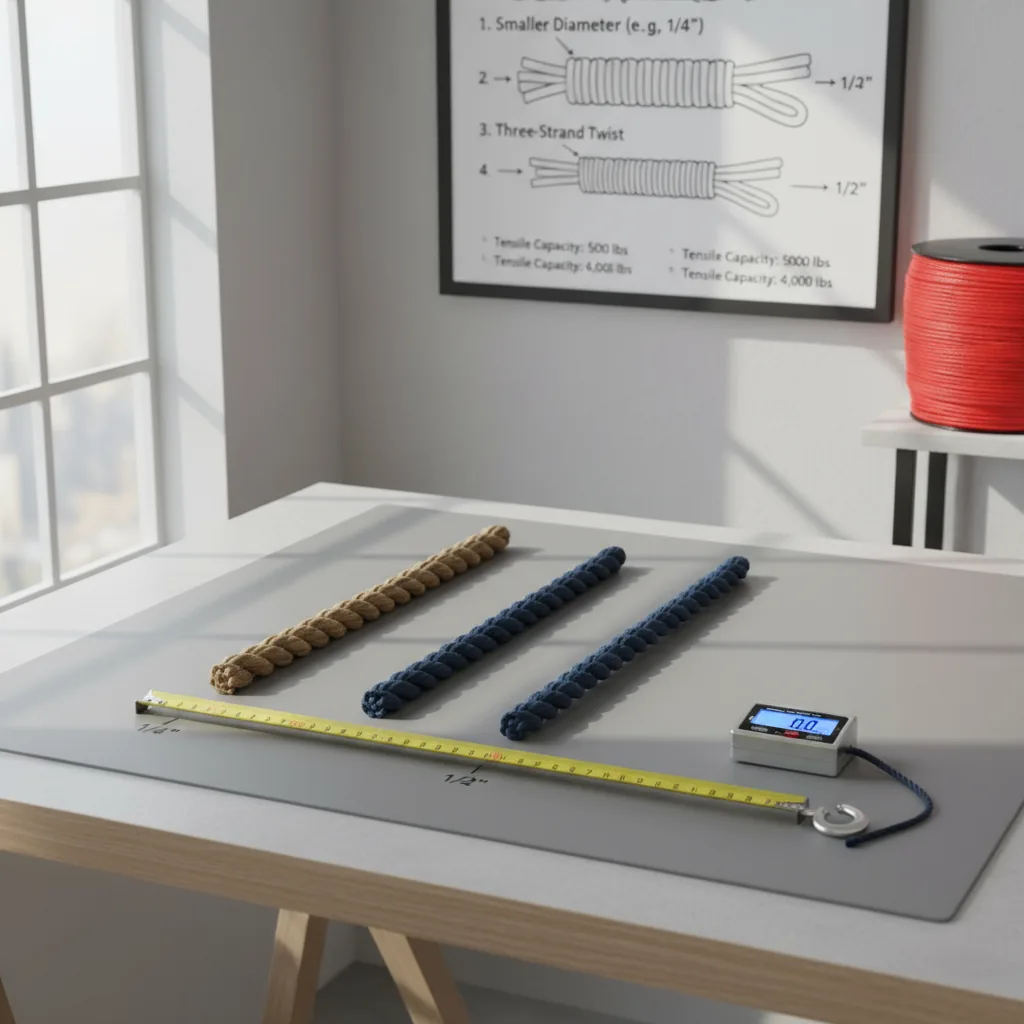
Firstly, the rope's diameter and how its fibres are assembled are the most direct levers on load-bearing capacity. A 0.25 in. 3-strand hemp rope typically carries about one-fifth of the load a 0.50 in. double-braid nylon can sustain. This is simply because the cross-sectional area is smaller, and the braid distributes stress more evenly. When you compare a thin, loosely twisted rope with a thicker, tightly woven counterpart, the latter will usually offer a higher tensile strength and a more generous working load limit (WLL). This explains why manufacturers publish separate strength charts for each construction—your choice of diameter and braid type directly determines the safety margin you enjoy.
Design factors that dictate load-bearing
What the rope is made of and how it’s built
Diameter
Strength rises roughly with the square of the diameter; doubling the size can increase capacity by up to four times.
Construction
Braids (double-braid, solid braid) spread load across many fibres, while simple twisted strands concentrate stress.
Knot & splice impact
Common knots can shave 30%-50% off the advertised strength; splices often retain more of the original capacity.
Environmental & maintenance considerations
How the world around the rope changes its performance
UV exposure
Sunlight degrades lignin in natural fibres and can crack synthetic polymers, slowly reducing tensile strength.
Chemicals & temperature
Acids, oils, and extreme heat accelerate fibre fatigue; nylon, for example, loses up to 15% strength when wet.
Maintenance tips
Store rope off the ground, rinse after exposure to saltwater, and inspect for abrasion before each use.
When you ask “what factors reduce rope strength?” the answer is a mix of mechanical and environmental stresses. Knots, splices, and sharp abrasion points act like tiny scissors, effectively cutting into the fibres. UV radiation breaks down the polymer chains in nylon and the lignin in hemp, while chemicals and high temperatures speed up the same decay. Moisture is a double-edged sword: hemp soaks up water and can lose around ten percent of its capacity, whereas nylon’s strength drops ten to fifteen percent when saturated, highlighting the need for careful material selection based on expected conditions.
Pro tip
Always rotate rope storage, keep it dry, and replace any section that shows fraying or colour fading to preserve the original hemp rope strength and the numbers you saw on the nylon rope strength chart.
By paying attention to diameter, construction, knot choice, and the environment, you can keep both hemp and nylon performing close to their published ratings, ensuring safety and longevity on every project.
Looking for a custom rope solution?
From the hemp rope strength chart, you now understand how diameter and construction set the working load limit. Meanwhile, the nylon rope strength chart demonstrates the higher tensile capacity of synthetic builds. The hemp rope strength you observed is robust for natural-fibre tasks, yet comparing these figures with ultra-high-molecular-weight polyethylene (UHMWPE) reveals a material that outperforms both in strength-to-weight, though it lacks the stretch and UV resilience of nylon.
If you need a rope that meets exact load, colour, or branding requirements – whether it’s a customised hemp solution or a UHMWPE rope – our engineers can design it for you. iRopes provides comprehensive OEM and ODM services, ensuring precision manufacturing backed by ISO 9001 certification. Please use the form above and we’ll tailor a recommendation to your project, guaranteeing performance and cost-effectiveness.