Think you can only buy off‑the‑shelf ropes? iRopes ships 1000 ft, 1000 lb custom ropes with ISO 9001 quality—typical lead‑times of 7–14 days, with express options.
iRopes is a China‑based rope manufacturer specializing in high‑quality, custom‑engineered rope solutions for wholesale partners worldwide. With ISO 9001 certification, extensive OEM/ODM capabilities, and a focus on IP protection, we serve industries such as off‑road, marine, tree work, yachting, camping, and defense.
Your custom‑rope advantage – ~2 min read
- ✓ Tailored material & diameter → engineered to meet your strength target with the right safety factor.
- ✓ Branding‑ready packaging → colour‑matched or white‑label options.
- ✓ IP‑protected OEM/ODM process → your designs stay confidential.
- ✓ Competitive pricing → from around $0.03 per ft on bulk 1000 ft orders.
Most businesses assume sourcing 1000 feet of rope rated for a 1000 lb load means endless back‑and‑forth with hidden costs, but iRopes flips that script. iRopes is a leading rope manufacturer based in China, serving wholesale customers worldwide across off‑road, marine, tree work, yachting, camping, industry, defence and more. We provide comprehensive OEM and ODM services, precision manufacturing in state‑of‑the‑art facilities, ISO 9001 quality assurance, dedicated IP protection, and direct pallet shipping to your location.
By merging precision engineering, ISO 9001 quality control, and a seamless OEM/ODM workflow, we turn your specs into a ready‑to‑ship spool within two weeks. Curious how we shave weeks off your project timeline and lock in your brand on every fibre? Keep reading to uncover the exact steps.
Understanding 1000 feet of rope – definition, weight and common uses
After highlighting how critical a dependable 1000‑ft rope is for demanding jobs, the first step is to know exactly what you’re dealing with. Let’s start by clarifying the term “cord of rope” before we dive into weight and real‑world scenarios.
A cord of rope is a continuous length of rope constructed from multiple fibres—typically braided or twisted—delivering far more strength and durability than simple twine or string.
In everyday language, “twine” or “string” often refers to thin, loosely twisted fibres that are easy to cut and have limited load capacity. A cord of rope, by contrast, is engineered with a structured braid, twisted lay, or parallel‑core construction, giving it higher tensile strength and more predictable performance. This distinction matters when you need a rope that can reliably support heavy equipment or safety‑critical loads.

Weight is the next practical factor. Knowing how heavy a full 1000‑ft length will be helps you plan shipping, storage, and handling. Below is a quick reference for three common nylon diameters:
- ¼‑inch nylon – approximately 4 lb for a complete 1000‑ft length.
- ⅜‑inch nylon – roughly 4.8 lb for 1000 ft.
- ½‑inch nylon – about 7 lb for the entire spool.
These figures align with industry‑standard specifications for nylon utility ropes; actual weight varies slightly by construction and manufacturer. If you choose a different material—such as polyester or polypropylene—the weight will shift, but the same comparison method applies.
Now, why would anyone order a full 1000 ft of rope? Several sectors regularly require this continuous length:
- Off‑road recovery – winches and tow systems need long, continuous runs to reach distant vehicles without splicing.
- Marine rigging – sailboats and commercial vessels use lengthy lines for anchor handling, deck cleats, and cargo lashings.
- Tree‑work and arboriculture – climbers rely on extended ropes to access high canopies and set multiple anchor points.
- Industrial hoisting – factories often purchase long cords to configure custom pulley systems for heavy lifting.
In each of these applications, the combination of length, strength, and weight directly influences safety and efficiency. A well‑chosen 1000 ft rope that meets your safe working load (SWL) target—such as 1000 lb with an appropriate safety factor—can mean the difference between a smooth operation and costly downtime.
With the definition, weight basics, and typical uses now clear, the next step is selecting the material that will give you the right balance of tensile strength, UV resistance, and durability for your specific 1000 lb rope requirements.
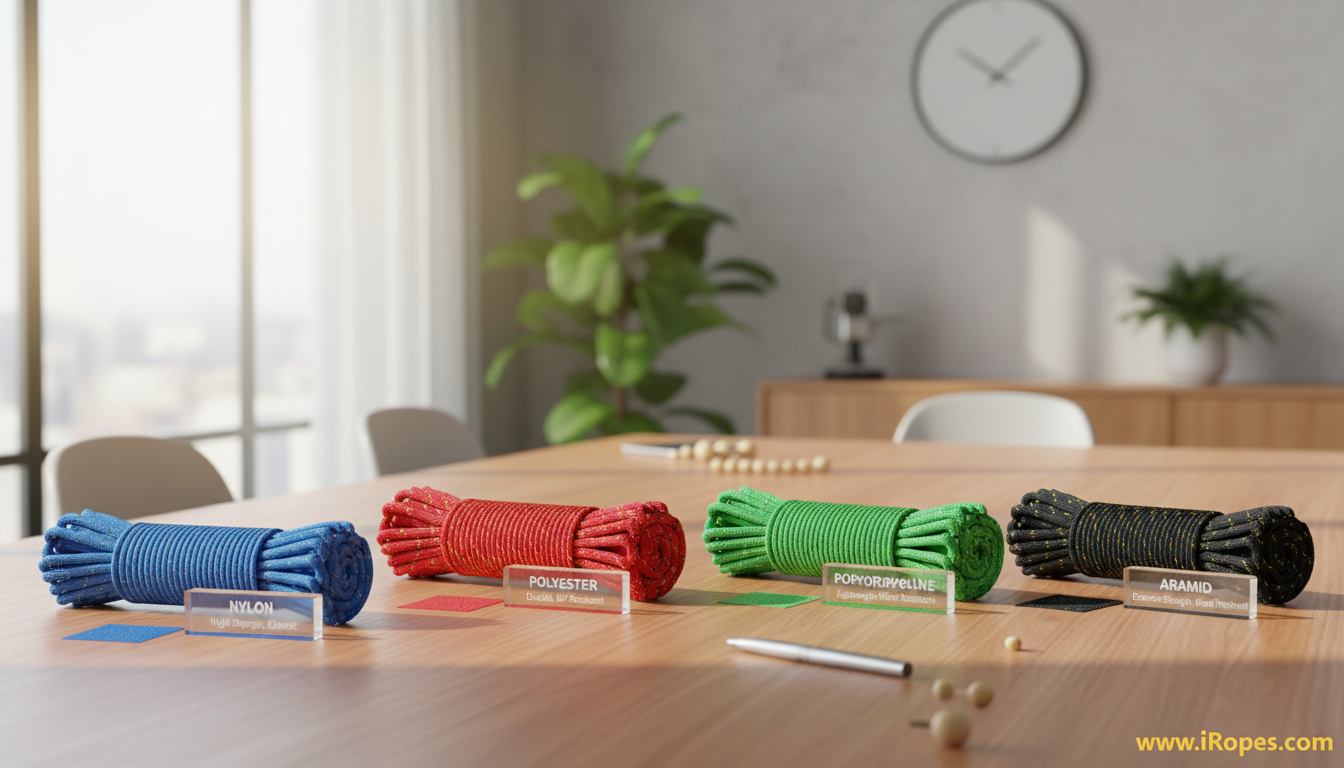
Choosing the right material for a 1000 lb rope – performance and safety factors
Now that you understand what a 1000‑ft cord of rope looks
...