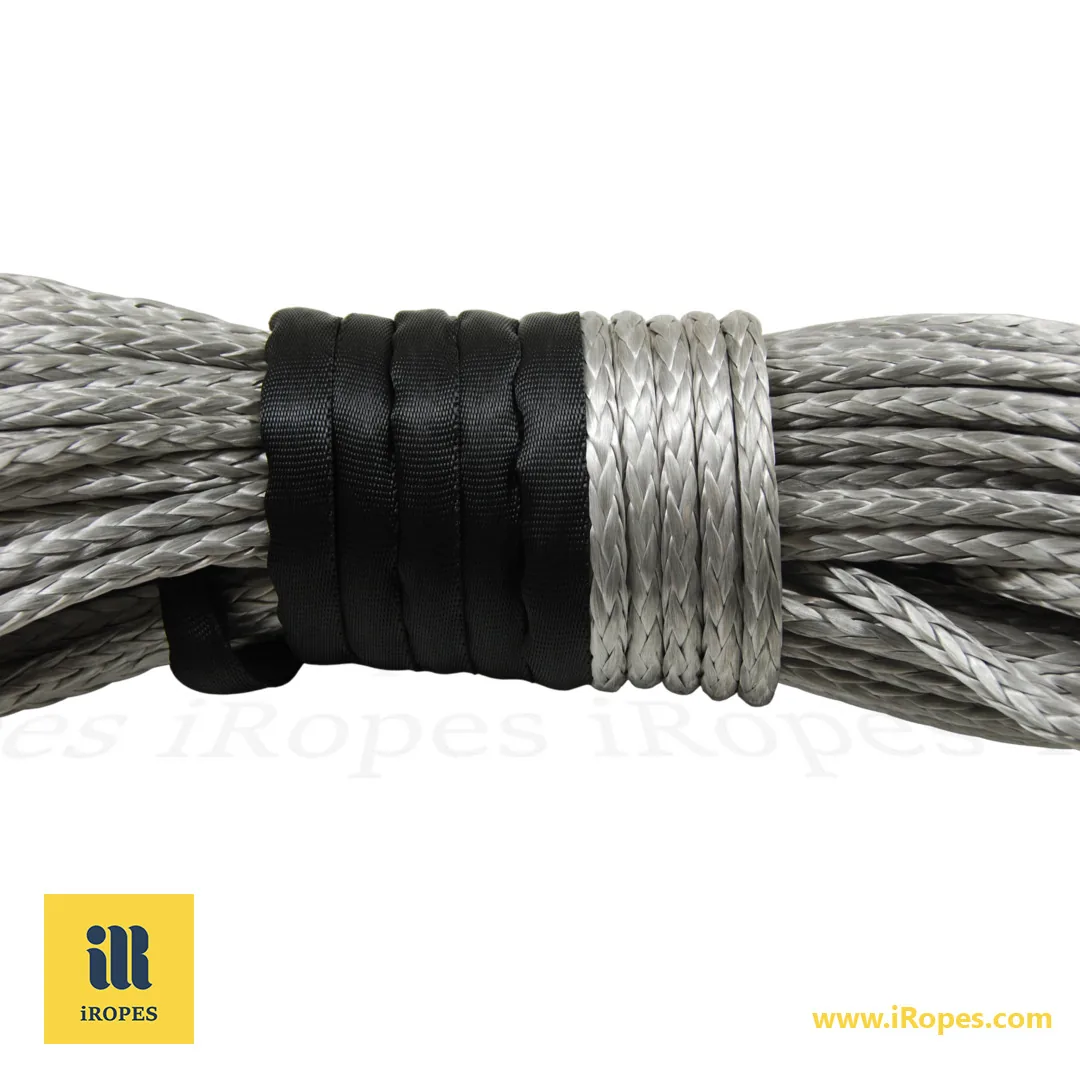
Cutting nylon rope cleanly helps preserve usable strength — and iRopes’ hot‑knife finish delivers a clean, fray‑resistant edge every time.
In 6 min you’ll unlock these gains
- ✓ Reduce rope fraying with the optimal cutting tool and a proper heat‑seal finish.
- ✓ Achieve a strong, reliable splice by following the concise 4‑step splice protocol.
- ✓ Order custom lengths with ISO 9001‑backed quality processes and clear documentation to reduce handling time.
- ✓ Streamline bulk purchasing with competitive OEM pricing and direct‑pallet shipping.
Many teams still reach for a pair of scissors, trusting a quick snip to give a clean nylon end — only to discover frayed fibres that compromise the finish and performance. What if a simple switch to a hot‑knife or rotary cutter, followed by a quick heat‑seal, could keep every strand intact and boost durability? In the sections below, we reveal the insider workflow that saves you time, money and avoidable tensile‑strength losses.
best way to cut nylon rope
After you’ve chosen the right rope for your project, the next challenge is getting a clean, fray‑resistant end. A precise cut not only looks professional but also helps preserve strength, which is essential for off‑road rigs, arborist work, or marine applications. Below you’ll find the tools, safety steps, and a quick‑reference workflow that together represent the best way to cut nylon rope.

Choosing the optimal cutting tool
The tool you select depends on rope diameter and the finish you need. Sharp, high‑leverage scissors work well for lighter strands up to around 6 mm, while a rotary cutter offers clean cuts on 8–12 mm ropes without crushing the fibres. For heavy‑duty sections (over 12 mm) a hot‑knife produces a melt‑sealed edge that resists fraying. If you’re unsure, remember the quick answer to the common query “what to cut nylon rope with?” – scissors for light work, a rotary cutter for most medium sizes, and a hot‑knife for the thickest, high‑strength applications.
Safety isn’t an afterthought – it’s the foundation of every clean cut. A stable surface, secure rope clamps, and sturdy gloves protect both the material and the operator.
Safety protocols before you start
Wear cut‑resistant gloves and safety glasses. Clamp the rope in a bench vise or a specialised rope holder to keep it from shifting. Work on a non‑slippery tabletop; a wooden or rubber‑mat surface reduces vibration and helps you see the cut line clearly.
Step‑by‑step cutting & sealing process
- Measure the required length and mark the spot with a bright, non‑abrasive marker.
- Secure the rope in the clamp, ensuring the mark sits just beyond the blade edge.
- Cut using the chosen tool – apply steady pressure and let the scissors or rotary cutter glide without forcing.
- Immediately seal the cut end: melt it with a hot‑knife for thick ropes or apply a whipping twine wrap for lighter sections.
- Inspect the finish; a smooth, glossy edge means the fibres are intact, while any fraying signals a re‑cut may be needed.
When you later need to cut and splice rope for a custom joint, start with the same clean‑cut routine. A tidy end makes threading the splice easier and reduces the risk of slip under load.
Choosing a supplier that offers a cut‑to‑length service can save you the hassle of repeating these steps on every order. iRopes, recognised as the best place to buy rope, provides precise custom cuts, heat‑seal finishes, and optional whipping on request directly from the factory.
cut splice rope
Now that your rope ends are clean and sealed, it’s time to learn how to join them. Splicing turns two strands into a single, load‑bearing connection without the bulk of a knot, and it’s the technique professionals rely on for offshore rigging, arborist work, and high‑performance sailing.
Three core splices and when to use them
- Eye splice – creates a loop at the rope end; ideal for attaching hooks or creating anchor points.
- Back splice – seals the rope’s tail back into itself; perfect for preventing fraying on standing ends.
- Short splice – joins two rope sections end‑to‑end; compact and strong when length is at a premium.
If you’re asking how to join two pieces of nylon rope together, the short splice is the go‑to method. Use an eye splice when you need a durable loop, and finish a rope’s end with a back splice to prevent fraying.
Essential tools for a reliable splice
Tools
A sturdy fid (prices range $9‑$160) guides the rope through the braid, a splicing needle or hook feeds the strands, and an optional D‑Splicer (around $120‑$250) speeds up eye‑splice work. All three items pair well with iRopes’ custom‑cut lengths.
Before you start, inspect the rope for abrasion and make sure the ends are properly sealed – a frayed tip will slip through the fid and compromise the splice.
Step‑by‑step splice procedure
Follow these four actions to achieve a load‑bearing joint that maintains high strength.
- Prepare – trim the rope cleanly, then melt‑seal or whip the end to prevent fibre pull‑out.
- Thread – insert the fid through the braid, pull the standing part through the fid’s eye, and separate the strands according to the splice pattern.
- Tighten – use the splicing needle to pull each strand snugly into place, alternating sides to keep tension even.
- Inspect – check that no fibre protrudes, the braid lies flat, and the splice holds firmly when you apply a test load.
Choosing the right splice depends on the application. For a permanent anchor, an eye splice offers a reliable loop. When the rope’s tail will remain exposed to the elements, a back splice prevents fraying. Short splices excel when you need to join sections and keep overall length tight.

With a solid splice in hand, you’re ready to evaluate suppliers. Remember that a partner offering custom‑cut, heat‑sealed rope and compatible splicing support can streamline future projects, especially when you need a consistent finish across large batches.
best place to buy rope
Now that you’ve mastered splicing, the next decision is where to source the rope itself. Selecting the best place to buy rope means checking that the supplier backs every metre with verifiable quality, offers true customisation, and can deliver without delay.

Below is a quick visual checklist you can use when evaluating any supplier.
Quality Assurance
Proven standards you can trust
ISO 9001
Third‑party certification demonstrates a consistent quality‑management system.
Test data
Quality and performance data are available to support your specifications.
Consistent quality
Material specifications are controlled across all diameters and colours.
Customization
Tailor‑made solutions for your brand
Diameter & length
Order a wide range of diameters and lengths, cut to the exact metre you need.
Colour & branding
Choose corporate colours or add your logo to the packaging.
Accessories
Loops, thimbles, or custom terminations can be fitted at the factory.
If you also need the rope pre‑finished for immediate use, iRopes can supply requested terminations and finishes, ready for installation — reducing on‑site cut and splice rope work.
Yes – iRopes can cut rope to your specified length, apply a heat‑seal or whipping finish, and ship it directly on a pallet.
By weighing these three pillars – certified quality, genuine customisation, and streamlined logistics – you’ll know you’re dealing with the best place to buy rope. The next section shows how iRopes turns those capabilities into a partnership that keeps your supply chain moving.
Why iRopes stands out for wholesale customers
After you’ve learned how to cut and splice rope, the real competitive edge comes from the supplier you trust. Wholesale buyers need more than a catalogue – they need a partner who can turn a technical specification into a finished product without delays or surprise costs. That’s why many consider iRopes the best place to buy rope for large‑scale projects.

What truly differentiates iRopes is the depth of its OEM/ODM capabilities. You can start with a sketch of the required rope profile, feed that into our engineering process, and walk away with a production run that matches your exact load rating, strand count and finish. Because the process stays in‑house, pricing remains transparent and competitive, even for high‑volume orders — with dedicated IP protection throughout.
OEM/ODM
Full‑cycle design, tooling and production lets you specify material, diameter, colour and termination.
Support
Dedicated account managers respond promptly, provide technical advice and manage after‑sales service.
Branding
Custom colourways, logo printing on bags or cartons reinforce your brand identity.
Logistics
Direct pallet shipping, flexible packaging and on‑time fulfilment keep your inventory moving.
Most wholesale buyers wonder whether a rope supplier will stand by the product after it leaves the factory. iRopes backs every batch with ISO 9001‑aligned quality assurance, and our after‑sales team resolves issues quickly and can advise on optimal finishing or splicing techniques. This level of service is rarely mentioned in generic catalogues, yet it’s the reason customers keep returning.
Ready to Partner?
Request a free sample or a custom cut via the online form below – a specialist will contact you promptly.
With OEM flexibility, proactive support, and logistics that suit bulk operations, iRopes makes the leap from supplier to strategic partner seamless. The next step is to explore how those capabilities translate into measurable efficiencies for your own projects.
Having mastered the best way to cut nylon rope and the cut splice rope techniques, you can now focus on sourcing reliable material. With 15 years of experience making ropes in China, iRopes remains the best place to buy rope for wholesale projects, offering custom lengths, heat‑sealed ends and OEM/ODM support that turn a simple cut into a finished solution.
Get a personalised rope solution
If you’d like tailored advice on tool selection, splice design or a custom rope order, simply fill out the form above and our specialists will get back to you promptly.