Save up to 60% on capital costs – a quality used rope-making machine can match new-equipment performance while cutting price by 30-60% while still meeting ISO 9001 standards. ⚡
What you’ll gain – approx. 5-minute read
- ✓ Reduce upfront spend by 30-60% versus new machines.
- ✓ Increase production speed up to 45% with industrial-grade control systems.
- ✓ Retain ISO 9001-level quality without extra certification costs.
- ✓ Cut unexpected downtime using our 7-point inspection checklist.
Most manufacturers often stumble over hidden wear in second-hand rope makers. This can lead to costly downtime and sub-par ropes. What if you could spot a premium pre-owned unit that delivers ISO 9001 performance without the new-machine price tag? In the following sections, we expose the exact inspection checklist and sourcing shortcuts that can turn a risky purchase into a strategic asset. You’ll also learn why the usual savings myth can be a trap.
rope making machine for sale – Understanding the technology and core functionalities
The right equipment can reshape production. Let’s delve into what actually powers a modern rope making line and how it works.
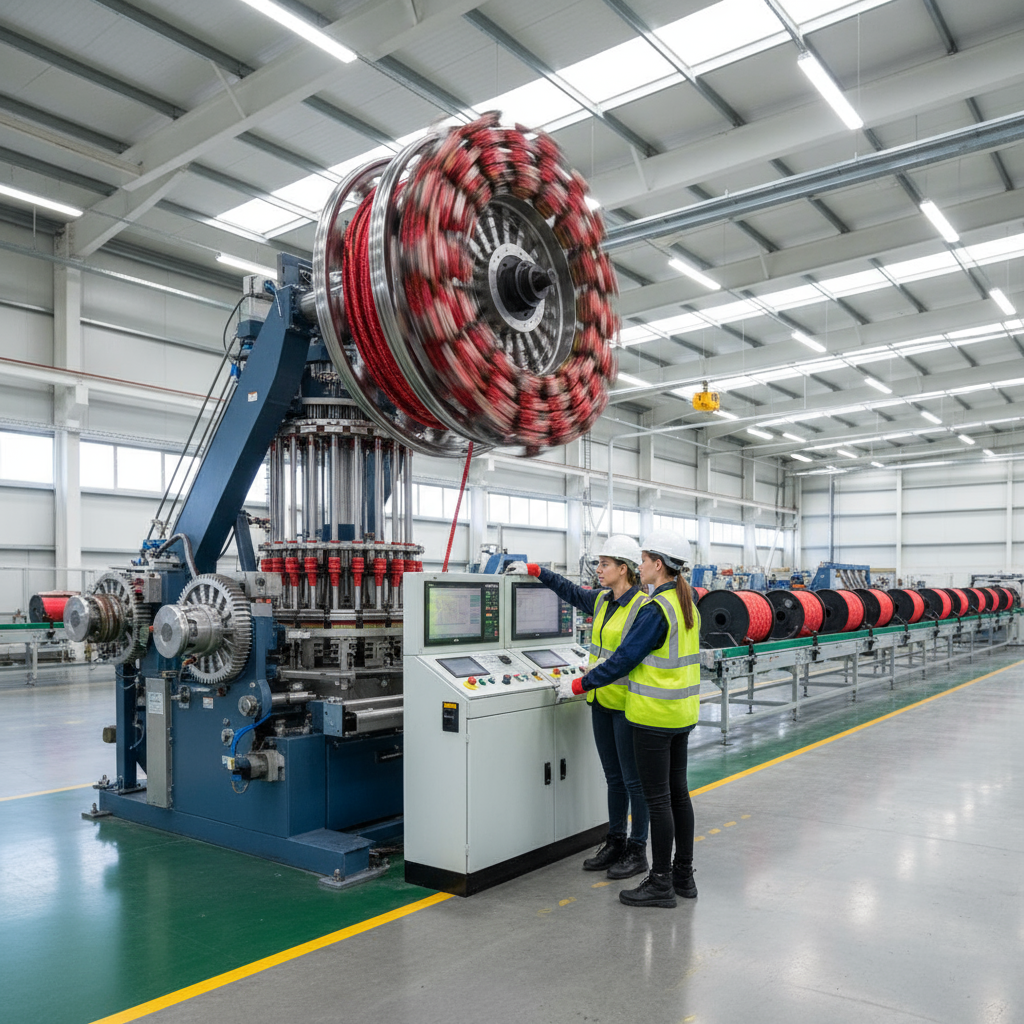
A rope making machine is a specialised piece of textile equipment. It transforms raw fibres—such as polyester, nylon, and UHMWPE—into continuous rope. The machine aligns, tensions, and interlocks the strands under controlled conditions. This delivers a product that meets strict strength and elongation targets. Let’s explore the main types of machines:
- Braiding machines weave fibres into solid or hollow braids, making them ideal for marine, climbing, and safety ropes.
- Twisting (or stranding) machines rotate multiple strands together to form three-strand or multi-strand ropes, commonly used for utility and lifting applications.
- Parallel-core systems keep a core fibre untwisted while outer layers are braided. This process delivers ultra-low stretch for high-performance ropes.
In practice, the workflow follows a simple chain. The fibre feed is measured and guided into the construction zone. Here, the machine interlaces the strands. Then, a take-up unit winds the finished rope onto a drum. An integrated quality sensor simultaneously checks diameter, tension, and visual defects. When you search for a rope making machine for sale, understanding this sequence helps you compare specifications across models.
“The construction method you choose—braid, twist, or parallel core—directly determines the rope’s tensile strength, elongation, and resistance to environmental factors.”
Industrial-grade machines are essential when the target material is a high-modulus, low-stretch fibre like UHMWPE. These fibres demand precise tension control and rapid handling to preserve their intrinsic strength. A standard textile twister would simply melt or deform them. Therefore, manufacturers looking to produce ultra-light, ultra-strong ropes rely on equipment that can sustain tight tolerances and provide real-time feedback. This technical foundation will help you weigh the pros and cons of pre-owned equipment. Ultimately, it will assist you in deciding which rope making machine best fits your production goals.
used rope making machine for sale – Strategic evaluation and cost-benefit analysis
Having examined the core functions of modern equipment, it’s time to weigh the practical upside of acquiring a pre-owned unit. For many manufacturers, a used rope making machine for sale offers an immediate boost to capacity. This saves on the capital outlay often associated with a brand-new system.
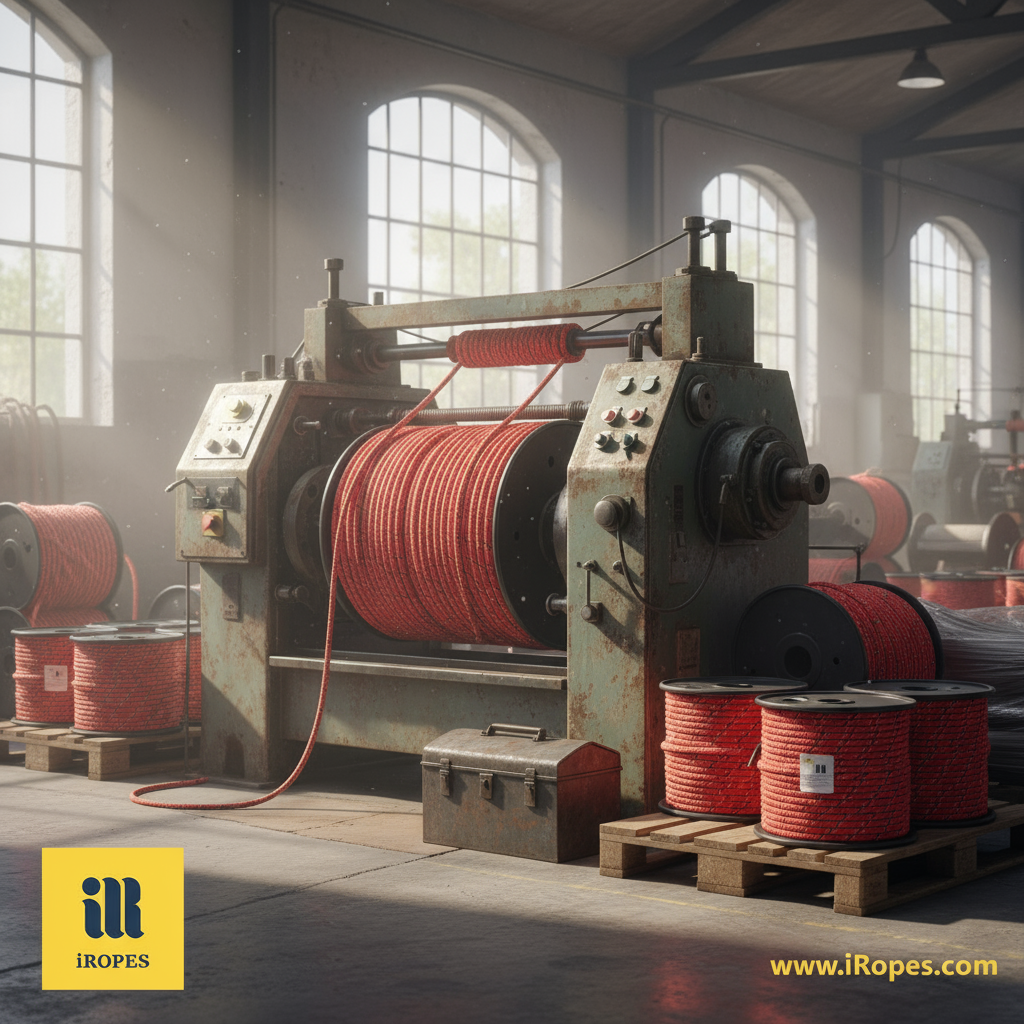
The most compelling advantage is cost. A second-hand unit typically costs 30-60% less than a comparable new model. This frees up budget for ancillary expenses, such as tooling or workforce training. Additionally, many dealers keep inventory on hand, so delivery windows shrink dramatically. This is an important factor when a production line is stalled.
However, these savings come with trade‑offs. Older machines may exhibit wear on bearings, outdated control interfaces, or limited compatibility with the latest high-modulus fibres. Warranty coverage is often minimal, and spare‑part availability can taper off if manufacturers phase out legacy lines. Such risks can translate into potential downtime if a critical component fails.
Inspection checklist for a used rope making machine
- Motor health – Listen for abnormal noises and verify torque ratings against specifications.
- Control system – Ensure the PLC or HMI firmware can be updated and that wiring is intact.
- Bearings and gearboxes – Check for play, lubrication quality, and any signs of corrosion.
- Certification status – Confirm ISO 9001 or relevant safety approvals are still valid.
- Documentation – Request maintenance logs, spare-part lists, and any past retrofit records.
Once your checklist is complete, turn your attention to sourcing. Reputable marketplaces like Machinio aggregate dealer inventories and provide basic machine histories. Specialised brokers often conduct their own inspections and can negotiate extended service contracts. Verified dealers, who can present original purchase invoices and offer post‑sale support, can also reduce the uncertainty inherent in any used‑equipment transaction.
Tip: Prioritise machines that already carry ISO 9001 certification. This signals adherence to quality-management practices that align with high-performance rope production.
Balancing lower upfront spend against the possibility of higher maintenance costs is the essence of a sound cost‑benefit analysis. By quantifying expected downtime, part‑replacement budgets, and the impact on product quality, you can determine whether a used unit truly accelerates your ROI. This analytical foundation sets the stage for the next step: aligning machine capabilities with specific production goals and the broader value proposition iRopes brings to the table.
rope making machine – Critical buying considerations and iRopes’ value proposition
Having explored the pros and cons of pre‑owned equipment, the next logical step is to match a machine’s capabilities with your production goals. The decisive factors below separate a good purchase from a strategic investment.
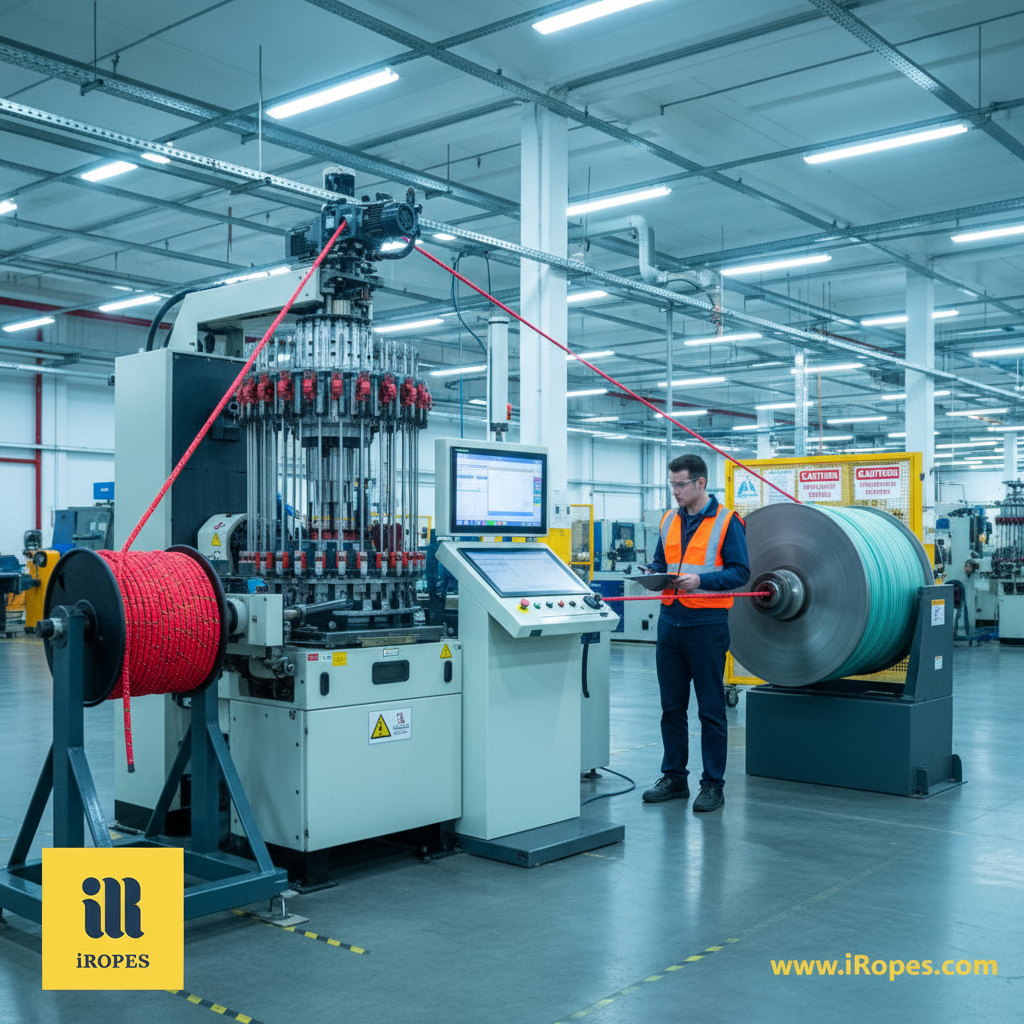
First, assess production capacity. Modern machines can spin anywhere from a few metres per hour for specialty runs to several kilometres per hour for high‑volume lines. Align the rated output with your forecasted demand to avoid bottlenecks or under‑utilisation. Next, verify material compatibility. The drive system, tension controls, and feed mechanisms must handle the specific fibre you intend to process—whether it’s low‑stretch UHMWPE, high‑modulus polyester, or flame‑retardant aramid. Finally, examine the breadth of customisation features the machine offers. Adjustable diameters, programmable lengths, colour‑coding modules, and optional reflective or glow‑in‑the‑dark inserts all contribute to differentiated end‑products. As a leading rope manufacturer, iRopes provides comprehensive OEM and ODM services to create customised ropes that meet your exact specifications. Learn how iRopes compares to leading US rope manufacturers for a broader perspective.
Quality Assurance
iRopes‑manufactured machines operate under ISO 9001‑certified processes, guaranteeing repeatable tolerances and traceable documentation. Precision machining of key components—such as gearboxes and braiding heads—reduces cycle‑time variance, while a dedicated after‑sales team provides rapid spare‑part delivery and on‑site calibration services.
When the hardware meets these baselines, the real differentiator becomes how the machine is deployed. iRopes integrates advanced control algorithms and real‑time sensor feedback to fine‑tune tension. This results in ropes that consistently exceed 5 times the tensile strength of comparable nylon lines. The same platform can apply UV‑stabilising additives during the lay‑up stage, delivering ropes that resist sun‑induced degradation for years. For electrical‑sensitive environments, dielectric‑grade coatings are introduced without compromising core strength—a combination rarely achievable on legacy equipment.
Customisation Power
Tailor‑made output options
Material Flexibility
Switch between UHMWPE, polyester, nylon, or blended fibres without re‑engineering the line.
Size Options
Programmatic control of diameter (2 mm – 50 mm) and length (short cuts to 500 m spools).
Visual Enhancements
Integrate colour strips, reflective threads, or glow‑in‑the‑dark pigments for safety‑critical ropes.
iRopes Advantage
Performance‑driven outcomes
Ultra‑High Tensile
Ropes achieve tensile strengths that rival steel wire while weighing a fraction of the mass.
UV & Chemical Guard
Built‑in additives protect against sunlight, saltwater, acids, and alkalies.
Dielectric Performance
Electrical isolation meets industry standards for offshore and aerospace applications.
To bring it all together, run through a quick decision‑making checklist before signing any contract:
- Budget ceiling – Total acquisition cost plus projected maintenance over a five‑year horizon.
- Floor space – Machine footprint versus available plant layout.
- Target applications – Off‑road recovery lines, high‑speed yachting halyards, or defence‑grade tether systems each demand specific performance envelopes.
For detailed pricing guidance, see our affordable rope making machine prices guide. By matching these criteria with iRopes’ proven machine platform, you position your operation to deliver ropes that not only meet but exceed the toughest industry specifications. This paves the way for the final steps of scaling production and securing long‑term supplier partnerships.
Ready for a personalised equipment consultation?
By now, you understand how a rope making machine for sale can reshape production. You know the cost‑benefit of a used rope making machine for sale and the critical buying criteria that align with iRopes’ ISO‑9001‑backed platform. Our high‑performance fibre ropes deliver ultra‑high tensile strength, ultra‑low stretch, high‑modulus lightweight construction, acid‑alkali resistance, UV‑guard, ageing durability, and dielectric insulation. These characteristics make them ideal replacements for traditional nylon, polyester, or steel‑wire ropes across off‑road, yachting, defence, and many other sectors. Explore our custom solid nylon and polyester cord solutions for tailored performance.
If you’d like tailored advice on selecting the right rope making machine or configuring a custom solution that meets your specific application, simply fill out the form above. Our specialists will work closely with you to translate these insights into a practical, cost‑effective plan.
Related reading: Affordable Rope Making Machine Prices for Nylon and Cotton