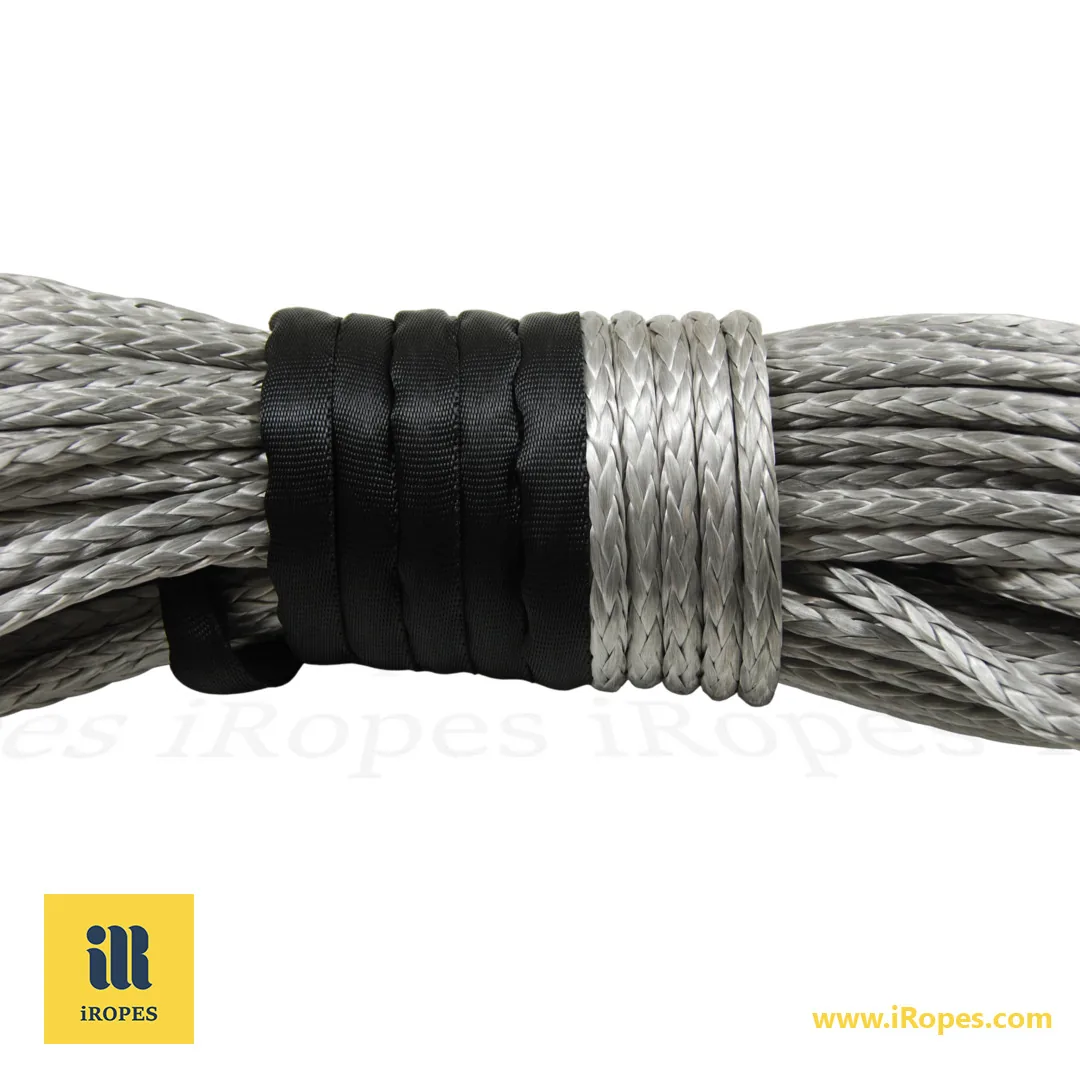
Your ideal rope is here: iRopes’ ISO‑9001‑certified lines deliver up to 300 MPa tensile strength and can slash replacement costs by 30 % over five years.
What you’ll gain – ~2 min read
- ✓ Choose the exact material and construction that delivers up to 4× higher strength‑to‑weight when using HMPE compared with common nylon.
- ✓ Calculate safety‑factor‑perfect diameter in seconds, avoiding over‑specification and cutting material costs.
- ✓ Unlock OEM/ODM options – add branding or reflective yarns with efficient lead times.
- ✓ Compare price‑per‑foot tiers and see ROI improve by 30 % versus low‑cost alternatives.
Most businesses still pick rope the same way they chose a garden hose – by colour and price alone. What if you could reduce total cost by about 30 % simply by matching the fibre, braid and certification to your exact load? In this practical guide to high quality rope and high quality cords, we expose the key metrics, share a quick‑calc method the pros use, and show how iRopes turns those numbers into a quality rope that works every time.
What Makes High Quality Cords Truly Stand Out
When you reach for a rope that will bear a load, protect a crew, or endure harsh weather, the first question is whether it truly meets the definition of a high‑quality cord. In technical terms, a high‑quality rope delivers consistent breaking load, appropriate elongation under load, strong abrasion resistance and long‑lasting UV protection—all verified by recognised standards.

“Our ISO 9001 audits confirm that every metre of rope leaving the line meets the tensile‑strength and UV‑stability specifications required for offshore rigging.” – Lead Quality Engineer, iRopes
Compliance is the next pillar of quality. ISO 9001 guarantees a controlled production environment, while ASTM D 2256 specifies the testing method for breaking strength and elongation. Additional standards such as EN 1891 or CE marking add regional credibility, ensuring that the rope behaves predictably wherever it is used.
- Consistent breaking load (kN) and fibre tensile strength (MPa) – together they indicate the maximum load before failure.
- Appropriate elongation – matched to the task. Low‑stretch lines improve control for arborist or kite applications; controlled stretch helps absorb shock off‑road.
- Robust abrasion and UV resistance – protects the fibre from sand, gravel or sunlight, extending service life.
Even with certifications, a low‑grade rope often reveals itself before a failure occurs. Spotting these warning signs early can prevent costly downtime.
- Irregular diameter – a visual cue that the braid is uneven.
- Poor braiding – loose or uneven strands cause premature wear.
- Inadequate coating – missing protective layer leads to rapid abrasion.
Answering a common query, “What makes a rope high quality?” the answer is simple: it should be certified, demonstrate the three performance factors listed above, and show no red‑flag symptoms during visual inspection. When these criteria align, you can trust the rope to perform reliably in demanding environments—whether you are hauling a load off‑road, trimming a sail, or securing a mining rig.
Choosing the Right High Quality Rope for Your Industry
Now that you know what separates a premium cord from a sub‑standard one, the next step is to match the right high quality rope to the demands of your specific field. Whether you’re pulling a 4×4 out of sand, trimming a mainsail, or securing a mining rig, the material, construction and size all play a part in delivering safety and performance.

Material Overview
Pick the fibre that aligns with your toughest conditions
Nylon
Excellent shock absorption; ideal for off‑road recovery and kite lines where stretch absorbs sudden loads.
Polyester
Low stretch and superior UV resistance – perfect for sailing rigs and long‑term industrial hoists.
Dyneema (HMPE)
Up to four‑times the strength of nylon by weight and a higher strength‑to‑weight ratio than steel; favoured for mining winches and high‑performance fishing lines. Aramid fibres such as Kevlar offer high heat resistance with low stretch, while polypropylene floats and suits marine utility lines.
Construction Types
How the rope is built influences handling and durability
Braided
Smooth surface and high tensile capacity – best for rope that runs through pulleys or winches. Three‑strand twisted ropes remain popular for easy splicing and built‑in elasticity.
Kernmantle
Core‑protected design gives excellent static strength while remaining flexible; suited for climbing‑grade safety lines.
Solid‑core
Maximum load bearing with minimal stretch; used in heavy‑duty industrial lifting where predictability is key.
Sizing & Safety Factor
Choosing the right rope diameter starts with the required break load. Multiply the maximum working load by a safety factor (minimum 5 × for personal‑safety applications, 10 × for static industrial lifts). The resulting figure tells you the minimum breaking strength the rope must provide.
Quick conversion table
| Diameter (mm) | Typical Break Load (kN) | Recommended Use |
|---|---|---|
| 6 | ≈ 7 | Light off‑road, kite lines |
| 10 | ≈ 20 | Sailing sheets, arborist work |
| 15 | ≈ 45 | Mining winches, industrial hoist |
If your load is 2 kN and you apply a 5 × safety factor, you need at least a 10 mm rope with a 20 kN break rating – the 10 mm row in the table matches perfectly.
Putting these three pieces together – material choice, construction style, and correctly sized diameter – gives you a clear roadmap to the perfect high quality rope for any sector. Once you’ve locked in those parameters, the next part of the guide will show how pricing, customisation options and a practical buying checklist can seal the deal.
Evaluating Quality Rope: Pricing, Customisation, and Buying Checklist
Now that you have identified the material and construction that suit your application, the next step is to understand how cost, bespoke options, and a solid purchasing plan influence the overall value you receive.

At first glance, a low‑priced rope may look attractive, but the total cost of ownership tells a different story. For example, a typical 6 mm nylon line from a budget supplier costs about $0.45 / ft for a 100‑ft roll. The same specification from a certified manufacturer might start around $0.55 / ft, yet the premium version holds its strength for three times longer, meaning fewer replacements and less downtime.
| Quantity | Low‑cost (USD/ft) | Premium (USD/ft) | Typical ROI period |
|---|---|---|---|
| 100 ft | 0.45 | 0.55 | ≈ 1 year |
| 1 000 ft | 0.38 | 0.48 | ≈ 2 years |
| 5 000 ft | 0.33 | 0.38 | ≈ 3‑4 years |
Investing in an ISO‑9001‑certified, high quality rope can cut replacement costs by up to 30 % over five years compared with cheap alternatives.
If your project demands a visual identity or special safety features, iRopes’ OEM/ODM capabilities let you define every detail – from exact diameter and colour to reflective strips or glow‑in‑the‑dark yarns that boost visibility in low‑light environments. Branding can be printed on the sheath or incorporated into the packaging, giving you a turnkey solution that reinforces your company’s image on every pallet and is palletised for direct worldwide shipping.
Standard Offer
Pre‑coloured rolls in common diameters, shipped in generic cartons, with basic ISO‑9001 documentation.
Custom Solution
Tailored colour matching, optional reflective or glow‑in‑the‑dark fibres, custom‑size cores, and branded packaging that arrives ready for resale, palletised for direct worldwide shipping.
Speed
Lead‑time as short as two weeks for batches over 500 ft.
Security
Full IP protection throughout design, tooling, and production.
Before you sign a purchase order, run through a concise buying checklist. Verify that the rope carries the essential certifications – ISO 9001 for quality management, ASTM D 2256 for breaking‑strength testing, and EN 1891 for low‑stretch kernmantle ropes used in industrial safety applications. Request the latest test report, confirm the warranty period, and look for red‑flag warnings such as inconsistent diameter, missing coating, or absent certification labels.
Answering a frequent query, the certifications a quality rope should have are ISO 9001, ASTM D 2256, EN 1891, and, where applicable, CE marking. Ensuring these standards are documented protects you from sub‑standard products and gives you confidence during inspections.
With a clear view of pricing tiers, customisation possibilities, and a disciplined purchasing routine, you are ready to place an order that balances cost efficiency with the reliability that high quality rope demands. The next step is to partner with a trusted supplier who can turn these specifications into a product that performs day after day.
Ready for a Custom Rope Solution? Get Expert Advice Below
Choosing the right high quality cords starts with understanding tensile strength, UV resistance and ISO 9001 certification, then matching material, construction and diameter to OFFROAD, SAILING, MINING, KITE, PARAGLIDER, FISHING, SAFE and INDUSTRY applications. iRopes’ high quality rope combines precise manufacturing with OEM/ODM flexibility, so you can specify colour, reflective strips or branding, while the quality rope you receive meets required standards and delivers lasting performance.
Need a tailored recommendation? Submit the form above and our specialists will contact you.