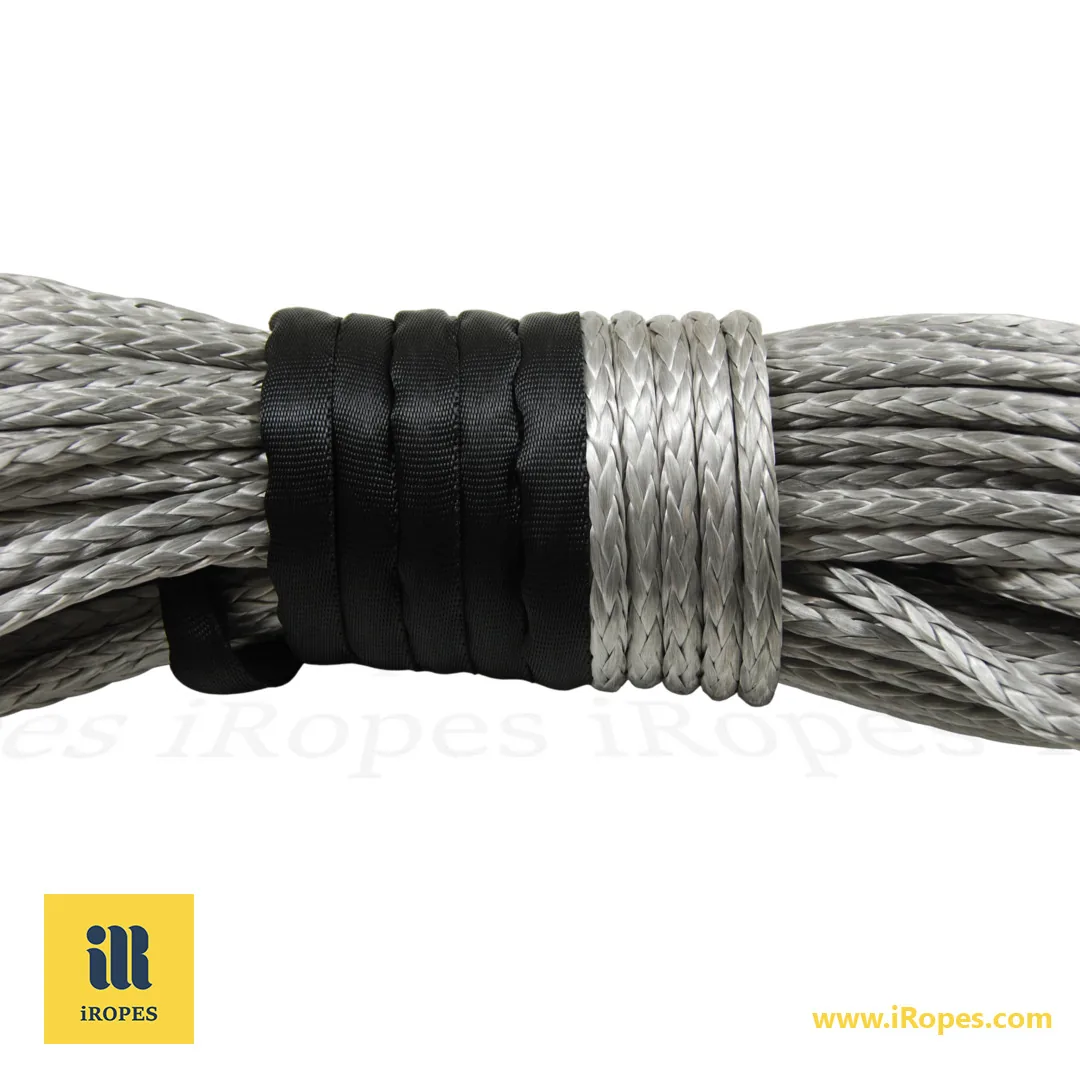
iRopes’ 3‑strand string twine rope delivers up to 45% more tensile strength – a #18 gauge offers a 162 lb break load while remaining as light as standard twine.
2 min read – What you’ll gain
- ✓ Up to 45% higher break strength compared to conventional twine, reducing replacement cycles.
- ✓ UV‑ and water‑resistant nylon construction maintains performance for 4–5 years outdoors.
- ✓ Full OEM/ODM customisation options (diameter, colour, branding) with ISO 9001 quality assurance.
- ✓ Global pallet shipping ensures delivery within 12 weeks for bulk orders.
Most buyers might assume any twine will suffice for a weekend camping trip. However, ordinary string often crumbles under just a fraction of the load encountered on a commercial worksite. What if you could equip your team with a 3‑strand rope that combines the easy handling of string with the robust break strength of industrial rope—all without a premium price tag? Discover how iRopes’ custom nylon twine provides that unexpected advantage.
Understanding String Twine for 3‑Strand Rope Solutions
Having explored the broader world of 3‑strand ropes, we can now focus on the material that bridges the gap between delicate cord and heavy‑duty line: string twine. When selecting a rope for camping, tree work, or any project, understanding the precise meaning of “string” and “twine” can help you avoid costly mismatches and ensure optimal performance.

In simple terms, string refers to a thin, flexible cord made from one or two twisted fibres, typically used for light tasks like tying parcels or hanging decorations. Twine generally constitutes two or more strands twisted together, providing increased tensile strength and a thicker profile. When these fibres are woven into a three‑strand configuration, the result is a string twine rope, which effectively balances the ease of handling a string with the load‑bearing capacity of a small rope.
Key construction features of a 3‑strand rope
Three‑strand ropes are crafted by interlacing three individual strands in a helical pattern. This design ensures the load is distributed evenly across the core, thereby minimising stress points. Material choices for these ropes often include:
- Polyester: This material resists UV degradation and maintains its shape well in wet conditions.
- Nylon: Known for its high elasticity and superior abrasion resistance, nylon is excellent for demanding applications.
- Polypropylene: Lightweight and buoyant, this material floats on water, making it ideal for various marine tasks.
Each of these materials can be supplied in either a twisted or braided form. Manufacturers frequently enhance these ropes with protective coatings, such as UV inhibitors or water‑repellent finishes, to extend their service life and improve performance.
Common uses of string twine in industry
Because it optimally positions itself between a light cord and a robust rope, string twine is perfectly suited for various sectors. Here are some of its most frequent applications:
- Camping and backpacking: Essential for securing gear, setting up tarps, or creating makeshift shelters.
- Tree work: Used for rigging branches, marking lines, or providing temporary support systems.
- Garden and landscaping: Ideal for bundling plants, staking seedlings, and delineating planting rows.
“String twine offers just the right amount of flexibility for quick‑adjust setups while still handling the tension you expect from a three‑strand rope.” – Senior rope specialist, iRopes
Understanding these basics helps you determine when a lightweight, flexible line is sufficient and when the added strength of a thicker rope is necessary. We’ll compare string twine rope directly with other rope types in the next section, revealing its position in terms of durability and performance.
Why Choose String Twine Rope in 3‑Strand Designs
Now that the basics of three‑strand construction are clear, let’s evaluate how string twine rope compares to other common rope options, particularly when strength and durability are paramount.
- Load‑bearing capacity: A three‑strand string twine rope typically supports 30–50% more load than a comparable single‑strand string. Yet, it remains lighter than a bulkier 5‑strand rope of the same diameter, offering a superior strength-to-weight ratio.
- Flexibility under tension: The interlaced three‑strand geometry provides the rope with a smooth bend radius. This allows it to wrap effortlessly around irregular objects without kinking, a common issue with stiffer fibre ropes.
- Environmental resilience: When manufactured from nylon or polyester, string twine rope exhibits significantly better resistance to UV degradation and moisture absorption than natural‑fibre ropes. Despite its durability, it still maintains a supple, easy‑to‑handle feel.
What is the difference between string and twine? In practical terms, the distinction is straightforward: string is a thin, single‑strand cord designed for light‑duty tasks, while twine comprises two or more twisted strands, which gives it a thicker profile and higher tensile strength. When these strands are woven into a three‑strand rope, you achieve a hybrid product that offers the easy handling of string with the enhanced load capacity often associated with twine.
OEM/ODM Fit
Wholesale buyers often require more than just an off‑the‑shelf solution. iRopes can customise string twine rope to your precise specifications, from diameter and colour to core type, accessory fittings, and reflective inserts. Our ISO 9001‑certified facilities guarantee that every batch meets your required strength and finish. Furthermore, our IP‑protection policies safeguard your proprietary designs throughout the entire process.

Choosing a string twine rope thus provides a line light enough for rapid adjustments, yet robust enough for demanding loads. This equilibrium makes it an excellent fit for OEM and ODM projects where performance, branding, and compliance must perfectly align. With these benefits in mind, the next step is to examine why nylon twine string is often the material of choice for the most challenging applications.
Benefits of Nylon Twine String in 3‑Strand Rope Applications
After comparing string twine rope with other line types, it becomes clear that the material choice itself can determine the success or failure of a project. Consequently, many OEM and ODM partners opt for nylon twine string when seeking an optimal blend of strength, flexibility, and long‑term durability.

Firstly, let’s clarify a common misunderstanding: twine refers to a construction method, while nylon is a material. In essence, twine can be crafted from cotton, jute, polyester, or nylon. When the individual strands used are nylon, you then have nylon twine. This fundamental distinction explains why nylon twine string inherits nylon’s inherent resistance to moisture, mildew, and UV exposure, while retaining the easy‑to‑handle profile characteristic of a traditional twine.
High Tensile Strength
Nylon twine string often provides break strengths up to 160 lb for a #18 gauge, ensuring a reliable safety margin for heavy‑duty loads in various applications.
UV & Weather Resistance
The inherent polymer backbone of nylon effectively blocks UV degradation, ensuring the line maintains its strength and integrity even after prolonged sun exposure.
Weatherproofing
Water-repellent finishes prevent swelling and absorption, keeping the rope supple and functional on damp decks or in wet terrestrial environments like forests.
Chemical & Oil Resistance
In demanding marine or industrial environments, nylon steadfastly endures exposure to oil, diesel, and various cleaning solvents without compromising its structural integrity.
These properties translate into tangible advantages across numerous sectors. For instance, yachting crews depend on nylon twine string for reliable deck rigging, as it resists rot even when frequently exposed to salt water. Defence contractors choose it for camouflaged restraint lines, which must survive extreme desert heat and abrasive sand. In heavy industrial plants, the same robust line effectively secures conveyor‑belt guards, where consistent exposure to grease and chemicals is commonplace.
Nylon typically lasts 4–5 times longer than natural‑fibre twine, offering a significantly lower total cost of ownership for bulk purchases.
If your solution requires specific branding, such as matching your company’s colour palette, precise diameter specifications, or pre‑attached looped terminations, iRopes can customise the nylon twine string to your exact requirements. From reflective strips for enhanced night‑time visibility and safety to custom‑printed packaging that aligns with your brand identity, every detail can be adjusted. Importantly, the core nylon material consistently retains its proven performance and durability through all customisations.
Ready for a Tailored 3‑Strand Rope?
Having explored the definitions, construction benefits, and performance advantages of string twine, string twine rope, and nylon twine string, you now understand how a three‑strand rope can offer lightweight flexibility combined with industrial‑grade strength. iRopes’ ISO 9001‑certified facilities can tailor diameter, colour, core type, and accessories to perfectly match your brand, while rigorously protecting your intellectual property and ensuring on‑time global delivery.
If you would like a personalised recommendation for your specific application, please complete the enquiry form above, and our dedicated rope specialists will respond promptly.