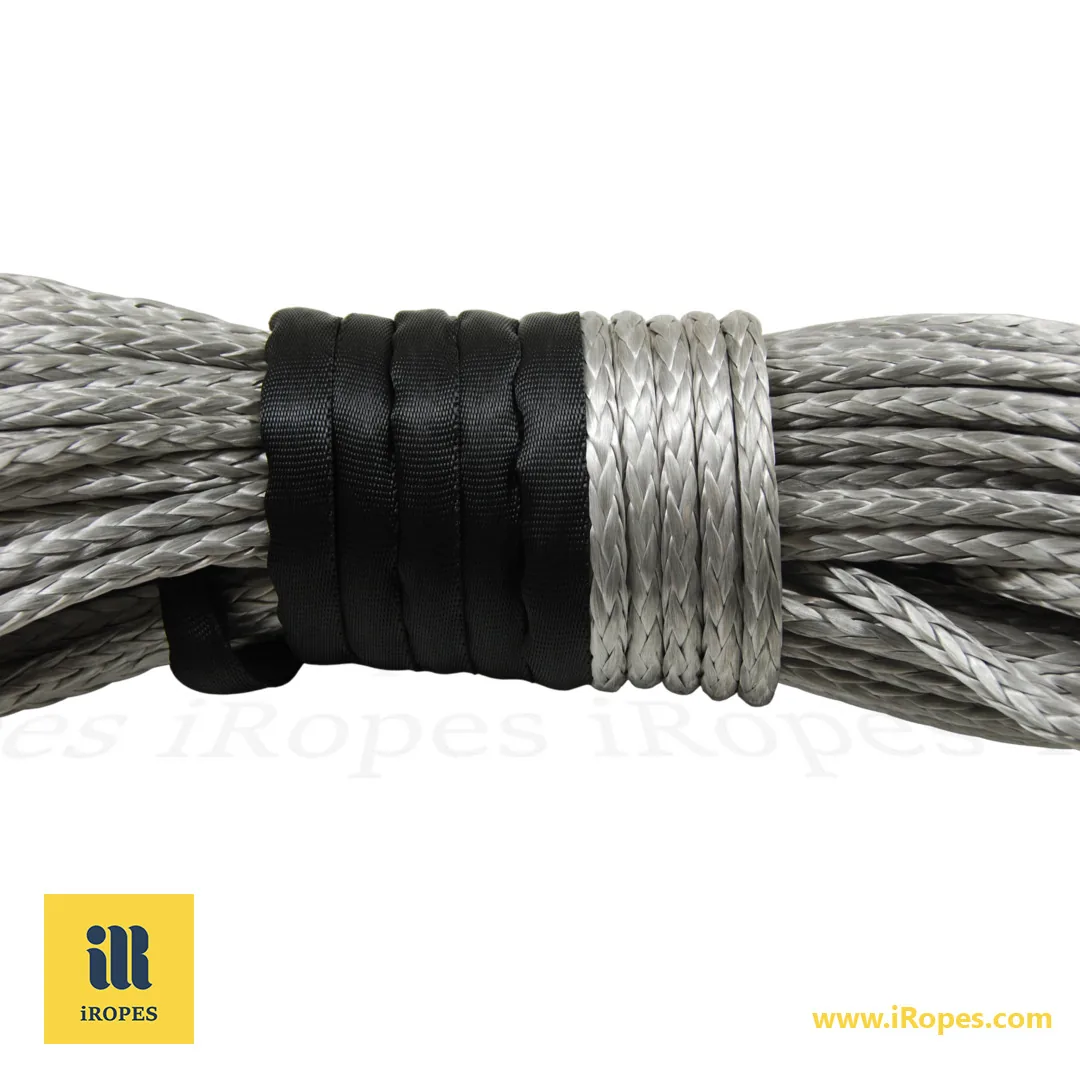
3‑strand polyester rope holds ≈ 1 250 lb at ¼‑inch with <3 % stretch, while 8‑strand lifts ≈ 1 800 lb but stretches ~5 % – match the load and flexibility you need ⚡
What you’ll gain in 7 min
- ✓ Choose the optimal rope for sailing, climbing, tree work or camping, helping reduce weight and stretch compared with generic lines.
- ✓ Calculate working load capacity – a ¼‑inch polyester 3 strand rope breaks at ~1 250 lb; at 4:1 safety the working load is ~300 lb.
- ✓ Leverage iRopes OEM/ODM customisation (colours, reflective yarn, branding) with efficient lead times.
- ✓ ISO 9001–certified manufacturing; ropes can be produced to meet MIL‑R‑30500 or CE requirements on request.
Most people assume the bulkier 8‑strand polyester rope is the default answer for every heavy‑duty job, yet seasoned sailors and arborists often choose the slimmer 3‑strand because it delivers ample strength with lower stretch and a faster eye‑splice. Curious how that translates into real‑world savings for your projects? Continue reading to see the exact scenarios where each strand count shines and how iRopes can tailor the perfect solution for you.
Understanding 3 strand polyester rope
A 3 strand polyester rope is formed by three twisted strands laid together into a compact, low‑stretch profile. Many designs include a central core or filler to help maintain roundness, while the strands share the load evenly.
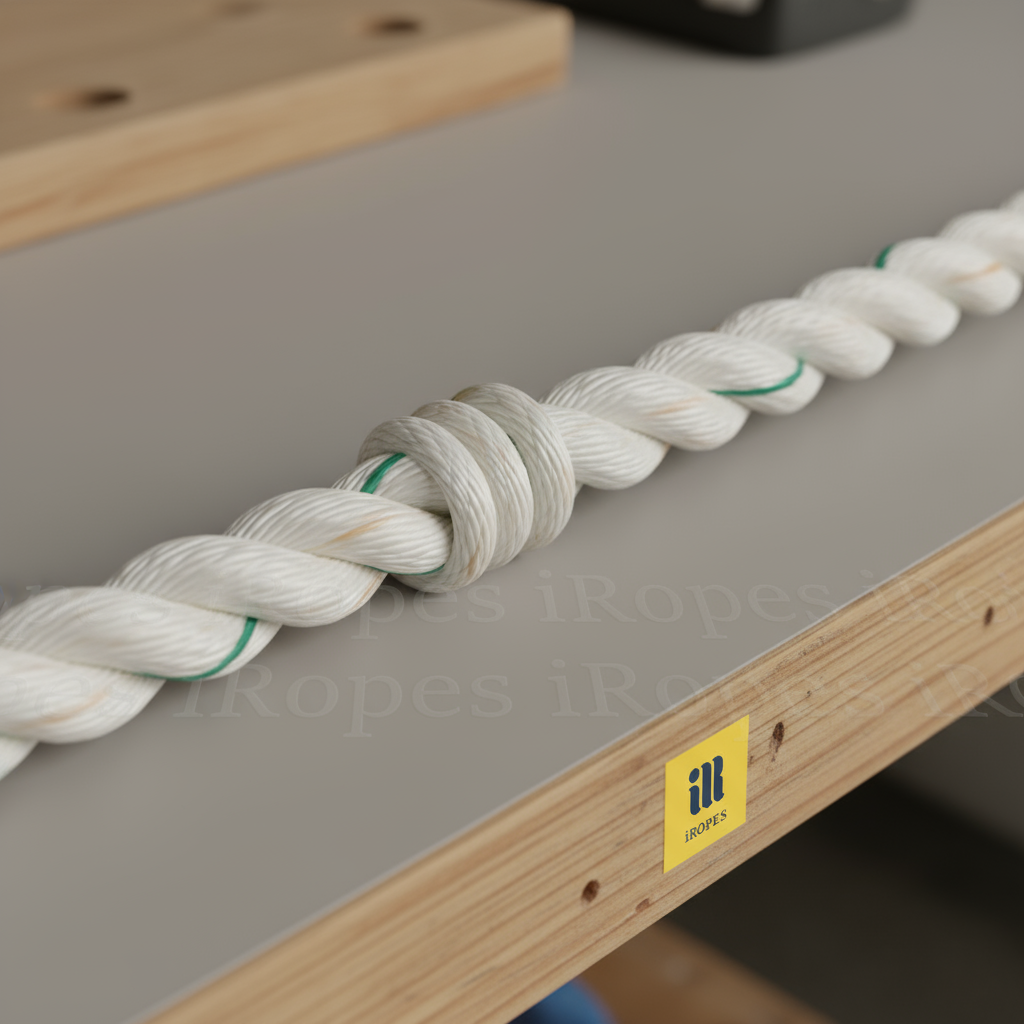
Key performance traits stem from the polyester fibre itself: stretch typically stays around 3 % under load, UV exposure is rated “Excellent” by ASTM D‑4329, and abrasion resistance is strong. For example, a ¼‑inch (6 mm) 3 strand polyester rope can break at roughly 1 250 lb, offering a useful safety margin for many recreational and professional applications.
- Sailing halyards – strong utility lines that raise sails with minimal stretch.
- Climbing anchors – dependable static anchors; not intended for dynamic falls.
- Tree‑work lines – durable cords for pruning or controlled lowering.
- Tent guylines – low‑stretch ties that keep shelters taut in wind.
The most common question is how this rope differs from an 8 strand polyester rope. The 8‑strand version uses a plaited construction, which adds stiffness and raises breaking strength (about 1 800 lb for the same ¼‑inch diameter) but also increases stretch to around 5 % and makes splicing more labour‑intensive. In contrast, the three‑strand design offers a smoother bend, easier eye‑splicing, and a lighter weight—features that many sailors and climbers prefer.
“The low‑stretch character of 3‑strand polyester rope means my mainsail stays trim even in a gust, and the rope never feels floppy in the harness.” – a long‑time racing sailor.
Understanding these fundamentals lets you move confidently to the next step: selecting the right diameter, length, and custom options for your specific project.
Why choose polyester 3 strand rope for specific applications
Building on that foundation, picking the right diameter, length and safety factor turns a generic line into a tool that fits the job perfectly.
- Diameter – match the rope size to the expected load; a larger diameter raises breaking strength while adding weight.
- Length – add a modest surplus (10‑15 %) to accommodate knots and splices without compromising tension.
- Safety factor – use 5 : 1 for docking and mooring lines and around 3 : 1 for climbing anchors to ensure a practical margin.
When users wonder “how much weight can a 3‑strand polyester rope hold?”, the answer depends on diameter and safety factor. For instance, a ¼‑inch polyester 3 strand rope has a breaking strength of about 1 250 lb; at a 4 : 1 safety factor the working load would be roughly 300 lb (choose 5 : 1 for marine docking).
| Diameter | Breaking strength | Stretch (under load) | Weight / ft |
|---|---|---|---|
| 1/8 in (3 mm) | ≈ 300–600 lb | ≈ 3 % | 0.01 lb |
| ¼ in (6 mm) | ≈ 1 250 lb | ≈ 3 % | 0.03 lb |
| ½ in (12 mm) | ≥ 2 500 lb (varies) | ≈ 3 % | ≈ 0.10 lb |
Beyond the indicative figures above, iRopes extends the standard offering with a suite of customisation options that let you fine‑tune the rope for branding or performance needs. We supply certified test data with quotes so you can specify with confidence.
Customisation
Choose any colour from our palette, add reflective or glow‑in‑the‑dark yarns for night‑time visibility, apply your branding to rope tags or packaging, select a core material (polyester, aramid or hybrid), and rely on iRopes’ IP‑protected design process to keep your ideas exclusive.

Benefits and uses of 8 strand polyester rope
Now that you understand how to size and customise a 3‑strand line, let’s look at why the 8‑strand version is the go‑to choice when strength and rigidity matter most. An 8‑strand rope is built by plaiting eight individual yarn bundles together, creating a stiffer profile that tolerates higher static loads while still retaining polyester’s natural UV and abrasion resistance.

Because of that stiffness, the rope shines in heavy‑duty dock lines that must hold large vessels, industrial rigging where precise positioning is critical, defence applications that demand dependable load‑holding, and large‑scale sailing rigs that experience strong, sustained forces. The higher breaking strength—about 1 800 lb at ¼‑inch—delivers more margin at a given diameter and may allow a smaller size once safety factors are confirmed.
3‑Strand Rope
Key attributes
Flexibility
Bends easily, making eye‑splices quick and simple.
Weight
Lighter per foot, reducing overall load on rigging.
Cost
Typically lower price for comparable diameters.
8‑Strand Rope
Key attributes
Stiffness
Higher rigidity supports heavy loads with stable handling.
Strength
Breaking strength rises to ~1 800 lb for a ¼‑inch line.
Splice
Splicing demands a plait‑rope technique or thimble, adding time.
When it comes to joining these lines, the answer is simple: a 3‑strand rope can be eye‑spliced with a few tucks using a fid, while an 8‑strand rope usually requires a specialised plait splice or the use of a thimble to achieve a strong eye. The extra steps mean more labour, but the payoff is a joint that can share the same high load capacity as the parent line.
Splicing an 8‑strand rope usually requires a specialised plait splice or a thimble; a 3‑strand eye splice can be completed with a few tucks using a fid.
With those strengths and trade‑offs in mind, you can now decide whether the added rigidity of the 8‑strand line justifies the extra preparation time for your particular project. If you’re moving on to the final purchase decision, the next section will show you how to request a custom quote and get the rope into your hands.
Ready for a bespoke rope solution?
You now understand why 3 strand polyester rope is favoured for low‑stretch applications such as sailing halyards, climbing anchors, tree‑work lines and tent guylines, and how 8 strand polyester rope provides the stiffness and higher breaking strength needed for heavy‑duty dock lines and industrial rigging. iRopes can customise polyester 3 strand rope to match any diameter, colour, reflective yarn or branding requirement, and we also manufacture 8 strand, 12‑strand, 16‑strand, 24‑strand and 32‑strand constructions to suit specialised tasks, covering a range of maritime applications. Expect ISO 9001‑backed quality, full IP protection, non‑branded or customer‑branded packaging, and direct pallet shipping worldwide.
If you’d like personalised assistance or a custom quote, simply complete the form above and our rope specialists will get in touch.