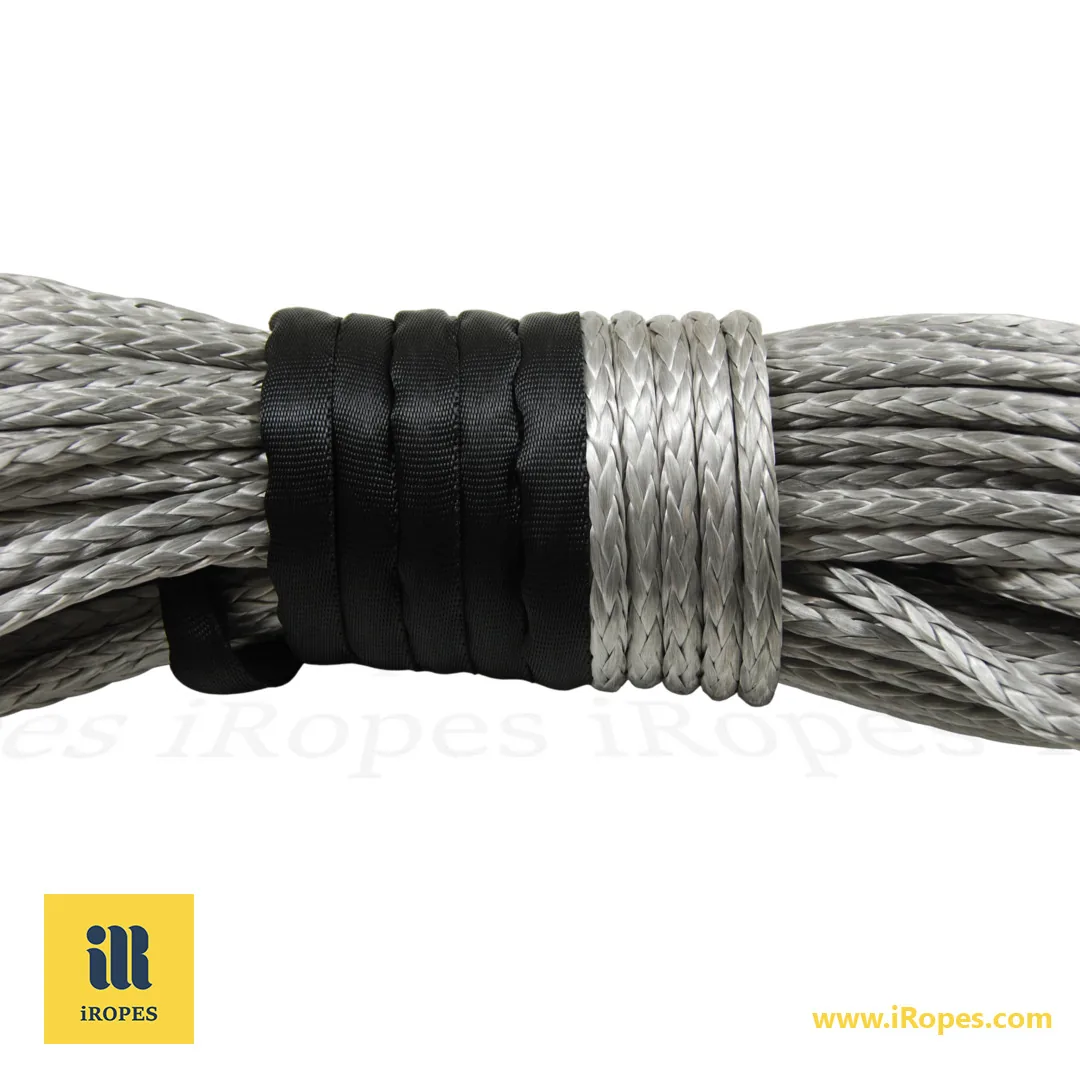
Scale dock lines to 1/8 inch diameter per 9-10 feet of boat length—this precise rule prevents hull scrapes and mooring failures, ensuring your lines hold up to 40% stronger than knotted alternatives for boats up to 55 feet.
In 7 minutes, unlock sizing secrets that safeguard your vessel from docking disasters
- ✓ Match diameters via LOA chart for boats under 20-55+ feet, avoiding undersized snaps that cause 70% of surge failures
- ✓ Calculate bow, stern, and spring lengths at 2/3 to full LOA, adapting to tides for 4-6 line setups that boost control by 50%
- ✓ Choose nylon's 30% elasticity to absorb shocks, outlasting polypropylene by 3x in UV and abrasion tests
- ✓ Master splices and chafe guards to retain 95% strength, extending line life 2-3 years and slashing replacement costs
You might think any sturdy rope will do for docking your 30-footer. However, that assumption often risks catastrophic snaps when surges hit. In fact, up to 80% of hull damages trace back to mismatched sizes. What hidden factors like windage or cleat fit could transform your setup from a liability to a reliable lifeline? Dive in to discover the exact diameters, lengths, and nylon tweaks that iRopes designs for unbreakable security, resolving every boater's worst nightmare before it strikes.
Dock Line Size Guide: Determining the Right Diameter
Now that we've established why choosing the right dock lines can prevent those heart-stopping moments at the dock, let's dive into the specifics. Getting the diameter right is your first line of defence. It's about matching the rope's thickness to your boat's size and the forces it might face. This dock line size guide starts here because, without the proper thickness, even the best setup can fail when you need it most.
The straightforward rule to remember is simple: aim for about 1/8 inch of diameter for every 9 to 10 feet of your boat's length overall (LOA). So, if you're wondering what size dock lines for a boat you need, for a 25-foot vessel, that points to around 1/2 inch lines. This isn't just a guess; it's a time-tested guideline from marine experts that balances strength and ease of handling.

Of course, not every boat is the same. Therefore, consider upsizing based on your vessel's weight, how much wind it catches (windage), and the typical weather in your area. Heavy boats or those in stormy spots might need an extra 1/8 inch to handle the additional pull. No matter what, stick to a minimum of 3/8 inch; anything thinner risks snapping under pressure. Opting for a slightly thicker line also makes it easier to grab in a rush and boosts durability against daily wear.
Another crucial factor is ensuring your lines fit your boat's cleats snugly. If they're too thick, they won't secure properly; too thin, and they'll slip. For a quick LOA-to-diameter reference—perfect for grabbing a featured snippet in your mind—here's a handy breakdown:
- Under 20 feet - 3/8 inch diameter for lightweight handling on small craft.
- 20-30 feet - 1/2 inch for balanced strength on mid-size boats.
- 30-40 feet - 5/8 inch to manage increased loads from larger hulls.
- 40-55 feet - 3/4 inch ensuring secure mooring in varied conditions.
- Over 55 feet - 7/8 inch or more for heavy-duty yachts facing high winds.
At iRopes, our precision manufacturing ensures these sizes are consistent every time, tailored for wholesale needs with options that meet your exact specifications. We pride ourselves on the quality assurance backed by our ISO 9001 certification.
One more thing to watch: tying knots can cut a line's strength by up to 40%, potentially turning a reliable rope into a weak link during a surge. Instead though, opting for splices can maintain nearly full tensile strength, making your setup far more dependable. Have you ever had a line give way because of a sloppy knot? It's a lesson that often sticks with boaters.
With the ideal diameter selected based on your boat's specifications, the next step is ensuring the lengths are appropriate for effective docking configurations to enhance stability and control.
Dock Line Size for Boat: Calculating Proper Lengths
Building on the right diameter for your boat's needs, length comes next in this dock line size for boat equation. It's what keeps everything stable when waves push or tides pull. If a line is too short, you lose control; if it's too long, lines can tangle or slacken dangerously. Let's break it down so you can measure up without guesswork.
For bow and stern lines—the ones securing the front and back—start with at least two-thirds of your boat's length overall (LOA) for basic setups. For more versatility though, especially if you dock in tricky spots, consider using the full LOA. This flexibility allows for easy tension adjustments, whether tying off to a piling or cleat. Spring lines, which run fore and aft to prevent surging, need to match your full boat length exactly. Picture a sudden gust trying to swing your vessel; these lines act like steady hands, holding position without letting the hull bump the dock.

Now, how many dock lines do you really need? A solid minimum is four: one bow, one stern, and two springs (forward and aft). That setup covers the basics for most slips. For enhanced security though, particularly in windy conditions or strong currents, aim for six lines. This could involve adding cross springs or backups. Forward springs run from the boat's bow to the dock's aft, expertly countering forward drift, while aft springs connect the stern to forward dock points. These extras can make all the difference on a breezy day.
Adaptations matter too. On fixed docks, shorter lines generally work well if tides remain steady. However, floating docks or tidal areas demand extra length. Consider adding 10-20% to account for rise and fall. Permanent moorings might use longer, heavier setups for increased endurance, while transient stops favour quicker, more versatile options. For example, a 40-foot boat would ideally pair 5/8-inch diameter lines (as previously discussed) with bow and stern lines of at least 27 feet (or 40 feet for maximum ease), and spring lines of 40 feet each. In high-tide zones, you might bump spring lines to 48 feet to avoid unnecessary strain.
At iRopes, our OEM and ODM services handle this level of customisation, crafting exact lengths with pre-installed eye splices that fit your cleats perfectly. Whether for a yacht club or a commercial fleet, these custom options ensure no slack ends up costing you time—or, worse yet, causing damage.
These tailored measurements set the stage, but the real test comes from how well the lines hold up to salt, sun, and surges over time.
Dock Line Guide: Choosing the Best Materials
Those precise lengths we just sorted out will only perform as well as the material behind them, especially when saltwater bites and sunlight fades over seasons of use. Picking the right raw material ensures your lines stretch just enough to cushion a wake's jolt without snapping, holding firm against the elements that test every boater. In this dock line guide, we'll focus on what makes a material reliable for the job, starting with the standout choice for most setups.
When it comes to the best line for dock lines, nylon tops the list hands down. It's incredibly tough, with excellent elasticity that absorbs shocks. Think of it like an airbag deploying in a crash to soften the impact, rather than a rigid steering wheel that jars everything loose. This inherent "give" prevents your cleats from yanking free during a sudden surge from a passing vessel. Moreover, nylon actively resists UV rays that can make other ropes brittle, and it shrugs off abrasion from rough pilings or dock edges. This significantly extends the life of your investment. Have you noticed how some lines go stiff and crack after a summer? That's usually a clear sign of lesser materials failing under the harsh sun. For deeper insights into selecting the best nylon yacht rope, explore our guide to boost shock absorption by up to 30% with custom double-braid options.
Nylon
Top Pick for Dock Lines
Superior Stretch
Elongates up to 30% under load, absorbing waves and wind gusts to protect your boat.
UV Resistance
Maintains strength after years of exposure, unlike materials that degrade quickly.
Abrasion Toughness
Withstands rubbing against concrete or wood without fraying prematurely.
Alternatives
Why They Fall Short
Polypropylene
Lacks stretch, so it transfers full force to fittings; poor UV hold and floats, risking propeller tangles.
Polyester
Strong but minimal elongation suits sheets or halyards, not shock-prone docking.
Kevlar
Ultra-low stretch for racing or towing, but overkill and costly for everyday mooring.
Steer clear of polypropylene for regular use. Its minimal give means every tug hits your hardware hard, it fades quickly in sunlight, and it floats—which can be a hazard by snagging propellers. Polyester or Kevlar, while strong, truly shine in low-stretch scenarios like halyards or racing lines. However, for docking, their rigidity can spell trouble in choppy conditions. Linking back to sizing, the material you choose directly influences diameter needs. Nylon's properties allow you to confidently stick to those guidelines, such as 5/8 inch for a 40-footer, without overcompensating, while still ensuring it meets ABYC safety standards for breaking strength.

For truly tailored fits, iRopes brings extensive OEM and ODM expertise to the table. We enhance nylon with custom colours for visibility or incorporate boosted abrasion layers for rugged piers. These specialised tweaks align perfectly with your setup, whether for a quiet cove or a bustling harbour, all without compromising on compliance or quality.
Material sets the base, yet how it's built and fitted with extras like guards can elevate safety even further in demanding waters. Now, let's explore construction, accessories, and maintenance.
Dock Line Guide: Construction, Accessories, and Maintenance
With nylon established as your go-to material for essential dock lines, the way it's woven together truly determines how well it handles the wear and tear of marina life. Construction isn't just about looks. It's the backbone that affects everything from flexibility to how it rubs against jagged pilings. Let's unpack the main options so you can pick what suits your slip's demands, whether it's a sheltered bay or a windswept breakwater.
Three-strand nylon offers a straightforward twist of fibres that has been a boater's staple for decades. It's stretchier than most, meaning it gives more under load and soaks up unexpected pulls from wakes or currents without stressing your fittings. Splicing it is a breeze too, as the strands separate easily, and it's kinder on the wallet—perfect if you're outfitting a fleet on a budget. On the other hand, double-braided nylon layers a core within a braided cover for a smoother, more polished finish that feels good in your hands and resists snags on smoother surfaces. This extra sheath significantly boosts abrasion resistance, making it ideal for docks with concrete edges or metal cleats that could easily chew through lesser builds. However, it might catch on splintered wood, and splicing requires more skill. The difference between 3-strand and braided dock lines boils down to your specific environment and preferences. Choose three-strand for economy and forgiveness on rough spots, or double-braided nylon for superior aesthetics and enhanced toughness where looks matter. I remember swapping to braided on my old 28-footer after a season of frayed three-strand against barnacle-crusted pilings—the braided option lasted twice as long.
Three-Strand Nylon
Stretchier design excels in absorbing shocks from waves, easier to handle for quick adjustments.
Budget-Friendly
Lower cost without sacrificing core strength, ideal for frequent replacements in high-wear areas.
Double-Braided Nylon
Enhanced cover fights wear from friction, smoother texture prevents hand burns during tying.
Aesthetic Edge
Clean, uniform look suits yachts or visible setups, holds shape better over time.
Once you've chosen the build, fittings can either make or break reliability. Eye splices are your best bet over traditional knots; they loop neatly around cleats while retaining up to 95 percent of the line's strength, unlike knots that can halve it under strain. For chafe—that sneaky wear from rubbing against pilings or fenders—simply slip on guards like rubber tubing or dedicated sleeves. Wrapping a garden hose section over contact points can work in a pinch and potentially double your line's life. Snubbers, those short elastic bits, hook inline to further dampen jerks from boat movement, easing the load on everything. Preventing chafe on your dock lines starts with spotting hotspots during setup and adding these protective barriers immediately, such as our specialized chafe protection solutions designed to extend your synthetic lines' life. It's saved more gear than you might think.

To keep them performing optimally, regular upkeep is key. Rinse your lines with fresh water after saltwater exposure to flush out grit, then inspect them for fuzzing or discolouration. Typically, lines last 3 to 5 years with proper care; however, you should replace them if you notice deep cuts or significant stiffness setting in. iRopes reinforces this commitment with ISO 9001-certified production, ensuring every batch withstands the test of time for wholesale reliability.
Speaking of sizing, if you're eyeing anchor lines for that 40-foot boat, the principles often overlap with a 5/8-inch diameter recommendation. However, anchors demand considerably longer runs—often 7 to 10 times the water depth—for optimal holding power, unlike the controlled stretches required for docking. This comprehensive look wraps up the pieces needed for a truly secure setup that keeps your vessel snug.
As you've discovered through this dock line size guide, selecting the right diameter—starting at 3/8 inch for boats under 20 feet and scaling up to 7/8 inch for larger vessels—combined with precise lengths like full LOA for springs, ensures your boat stays secure against wind, waves, and tides. Prioritising nylon for its exceptional stretch and durability, alongside three-strand or double-braided constructions with eye splices and chafe guards, extends lifespan and demonstrably prevents mishaps. These recommendations, tailored to your boat's specific characteristics and typical docking scenarios, safeguard your valuable investment while significantly enhancing control on the water.
For truly personalised dock line size for boat solutions, iRopes' comprehensive OEM and ODM expertise can craft custom lengths, materials, and accessories to match your exact needs, all rigorously backed by our ISO 9001 quality assurance.
Need Tailored Advice for Your Boat's Dock Lines?
Ready to apply these insights to your setup? If you'd like expert guidance on customising dock lines for your vessel, fill out the inquiry form above. Our dedicated team at iRopes is here to help with wholesale options that fit your requirements perfectly.