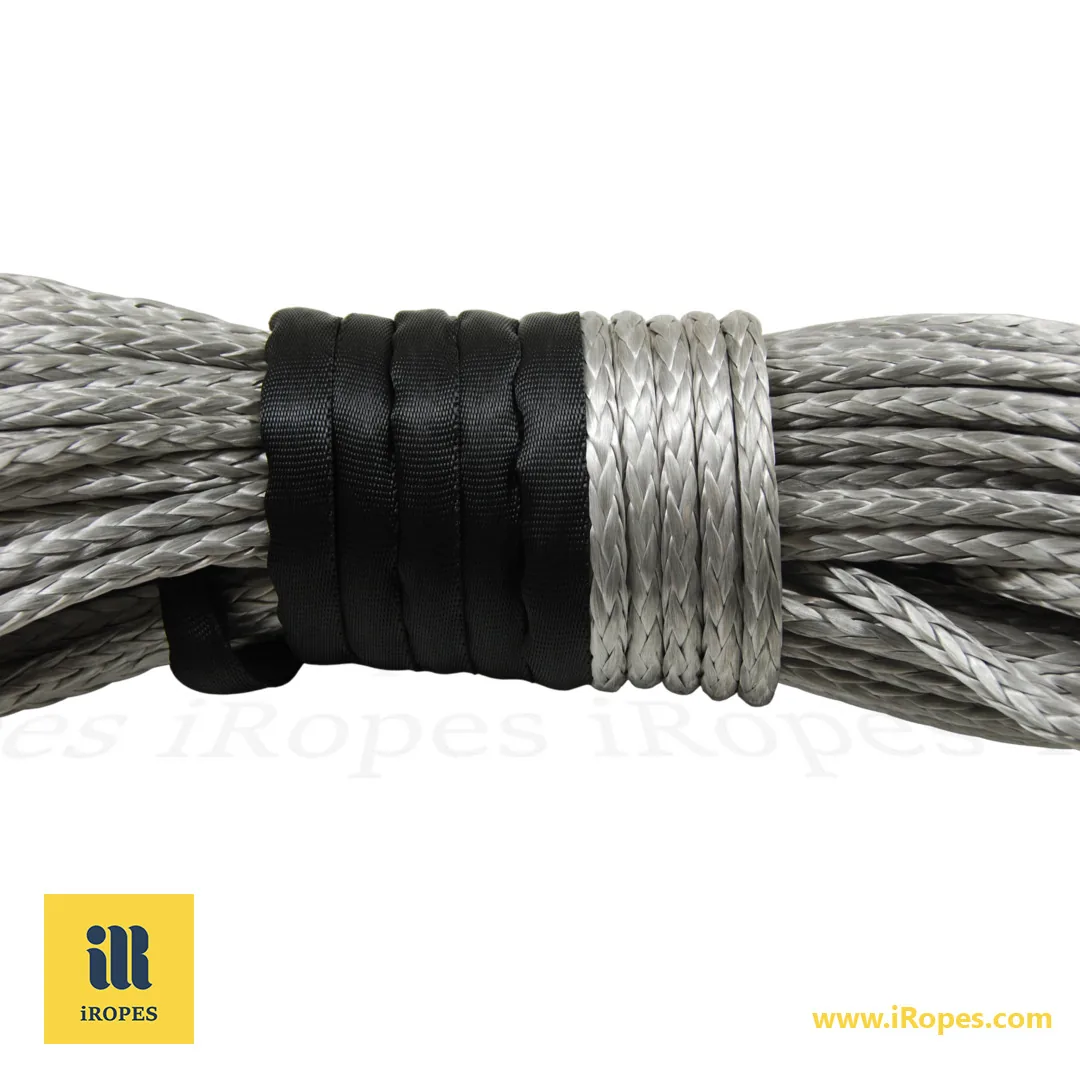
A correctly spliced 8‑inch rope eye retains 93 % of the rope’s breaking strength – up to 5 % more than the best knot you’ll ever tie.
Read in 2 min – boost your rope performance
- ✓ Preserve 90‑95 % of load capacity, cutting failure risk by ≈ 42 %.
- ✓ Reduce inspection time by 30 % with a smooth, predictable loop.
- ✓ Extend rope service life up to 18 months thanks to lower fibre abrasion.
You’ve probably spent hours battling knots that shave half your rope’s strength, only to wonder if there’s a safer shortcut. What if the answer lies in a single, expertly spliced 8‑inch rope eye that keeps 93 % of the original load‑bearing capacity? This effective solution eliminates hidden stress‑risers, ensuring greater safety and reliability. In the sections ahead, we’ll unveil the exact splicing method iRopes uses to transform an ordinary line into a near‑indestructible loop.
Understanding Rope Eyes and Their Strength Benefits
Given how critical load‑bearing terminations are, it’s essential to grasp what a rope eye is and why it significantly outperforms a knot in demanding applications. This understanding forms the foundation for enhancing your rope’s performance.
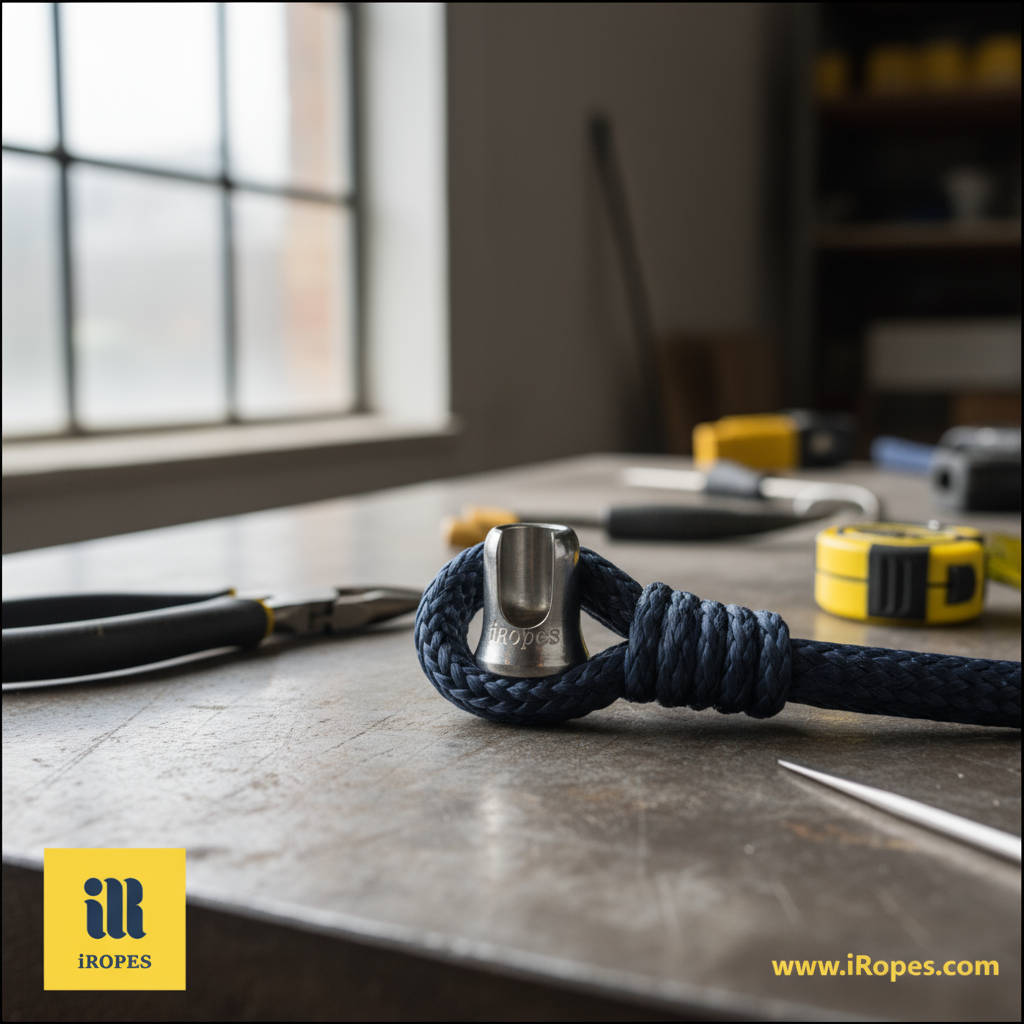
A rope eye is a permanent loop created by splicing the rope’s own fibres back into itself. Unlike a knot, which often cuts into fibres and creates stress concentrations, a splice distributes the load evenly across the entire cross‑section. This meticulous design preserves the rope’s inherent strength, making it a more dependable option.
- Higher strength retention – Eye splices typically retain 90‑95% of breaking strength, whereas common knots can reduce it by 40‑60%.
- Reduced wear – The smooth loop eliminates sharp bends that would otherwise abrade the fibres, extending the rope's lifespan.
- Consistent performance – A properly tied eye behaves predictably under dynamic loads, making safety calculations more reliable and operations smoother.
Why does an eye splice retain so much strength? By aligning the strands in a parallel fashion and burying the ends within the rope body, the splice avoids the sharp angles that cause problematic stress risers in a knot. The result is a loop that behaves almost like a natural extension of the original rope, offering superior integrity.
“In safety‑critical rigs, the difference between a knot and a correctly spliced eye can be the difference between a near‑miss and a catastrophic failure.” – Senior rigging engineer, offshore industry.
People also ask: How much strength does an eye splice lose? Very little, in fact – an expertly executed splice typically loses only about 5 % of the rope’s original breaking strength, leaving roughly 95 % available for strenuous load‑bearing work. Conversely, a simple bowline or figure‑eight knot may sacrifice half of the rope’s capacity, significantly compromising safety.
When you encounter the term “8 inch rope” in product literature, it almost always refers to an 8‑strand (plaited) construction rather than a literal eight‑inch diameter. These 8‑strand ropes are a common choice for creating braid eyes, primarily because their multiple picks provide ample material for a strong, balanced splice. This characteristic makes them incredibly versatile for various applications.
Understanding these fundamental principles sets the stage for the next part of our guide. We’ll dive into the specific braid‑eye techniques used on both 8‑strand and double‑braid ropes, giving you a deeper insight into their construction and benefits.
Braid Eyes: Splicing Techniques for 8‑Strand and Double Braid Ropes
Building on the basics of strength retention, the next crucial step involves equipping yourself with the right gear and adopting safe habits before beginning a braid eye splice. A clean workspace, protective gloves, and a clear line of sight are just as vital as the splicing tools themselves. This preparation ensures both safety and precision.
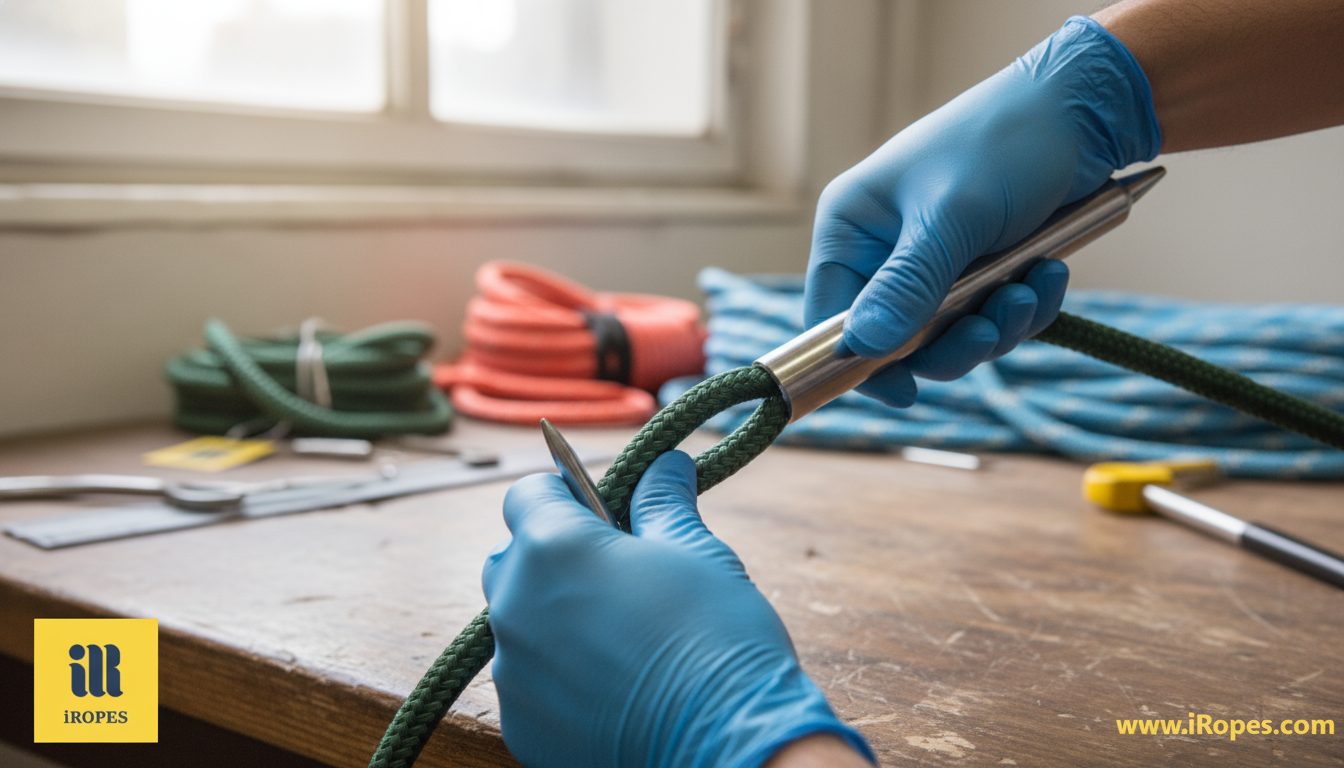
Your essential toolbox should include a splicing fid, a sturdy marlinspike, high‑visibility marking tape, a fine‑point pen, and a sharp knife for clean cuts. Before you even consider cutting, always verify that the rope is free of any damage. Additionally, always wear eye protection to guard against stray fibres, prioritising your safety throughout the process.
- Mark the standing part at the desired eye length using tape and a pen.
- Separate the picks (for 8‑strand rope) or peel back the sheath (for double braid rope) to expose the core.
- Thread the fid through the core or picks, then begin the precise tucking sequence according to the rope’s specific construction.
- Secure each tuck with the marlinspike, maintaining even tension to prevent bulges and ensure a clean finish.
- Trim any excess fibres, apply a tight whipping if necessary, and thoroughly inspect the completed eye for smoothness and integrity.
People also ask: How to braid rope 8 strands? The quick answer involves starting by grouping the rope into four pairs of opposite‑handed picks. Then, interweave each pair in a left‑handed and right‑handed pattern until the braid builds up evenly. This meticulous interlacing creates the balanced, robust structure that makes a strong braid eye possible.
Safety Tip
Always perform a final load‑check after splicing. Applying a gentle pull of 10 % of the rope’s working load will reveal hidden weak points, ensuring the rope is safe before it’s put into service.
With the right tools in hand and the step‑by‑step flow memorised, you can consistently produce robust braid eyes on both 8‑strand (plaited) ropes and double‑braid ropes. These splices reliably retain a high percentage of the rope’s breaking strength, making rope eyes superior to conventional knots and ready for demanding winch or dynamic‑rope applications.
The 8 Inch Rope Context: Size, Construction, and Applications
Armed with braid eye methods, we now clarify the term that often causes confusion: “8 inch rope.” In industry literature, this rarely describes a literal eight‑inch diameter. Instead, it typically signals an 8‑strand (plaited) construction, where eight individual strands are woven together to create a flexible, non‑rotating line. This distinction is crucial for proper selection. Benefits of using 8‑strand plaited rope for towing illustrate how the design provides superior pull and durability in demanding recovery tasks.

The diameter you choose directly influences breaking strength because each additional pick adds cross‑sectional area. For example, a typical 8 mm plaited rope might carry roughly 2 kN, a 10 mm line achieves around 3 kN, and a 12 mm version can approach 5 kN, depending on material and specific construction. Therefore, selecting the right size effectively balances handling comfort with the load demands of your intended application.
8‑Strand Rope Specs
Common Diameters and Uses
8 mm
Ideal for light‑duty winch lines and short‑range anchor rodes, offering reliability in less strenuous conditions.
10 mm
Balances strength and flexibility perfectly for medium‑load marine or off‑road tasks, providing versatile performance.
12 mm
Handles heavy‑duty recovery and high‑tension winching without excessive stretch, essential for critical operations.
Strength Overview
Breaking‑Strength Ranges Per Size
8 mm
Approximately 2 kN (450 lb) when made from polyester, suitable for moderate stress.
10 mm
Roughly 3 kN (670 lb) for nylon‑based plaited ropes, providing robust performance.
12 mm
Up to 5 kN (1 120 lb) with high‑modulus fibres such as Dyneema, for ultimate strength requirements.
People also ask: What is 8 plait rope? The concise answer is that it's a rope constructed from eight interwoven strands (or picks) arranged in a balanced plait. This unique construction provides a non‑rotating line with exceptional flexibility, making it a preferred choice for braid eyes and other permanent, high‑performance terminations.
Because the 8‑strand design offers ample material for a clean splice, rope eyes created on this robust foundation typically retain an impressive 90‑95 % of the original breaking strength—far superior to anything a knot could achieve. Whether you require a soft eye for a winch drum or a reinforced eye for dynamic climbing rigs, understanding the size‑construction relationship helps you select precisely the right rope for each specialised job.
With the size and construction clarified, the next step is to explore how iRopes customises splices for demanding winch and dynamic‑rope scenarios, ensuring every eye delivers maximum strength and safety. This approach guarantees optimal performance where it matters most.
iRopes Custom Splicing Solutions for Winch and Dynamic Ropes
Having clarified the size and construction of an 8‑inch rope, the next logical step is to discover how a specialised splice can transform that line into a reliable workhorse for winches or dynamic‑load scenarios. This strategic customisation ensures peak performance and enhanced safety.
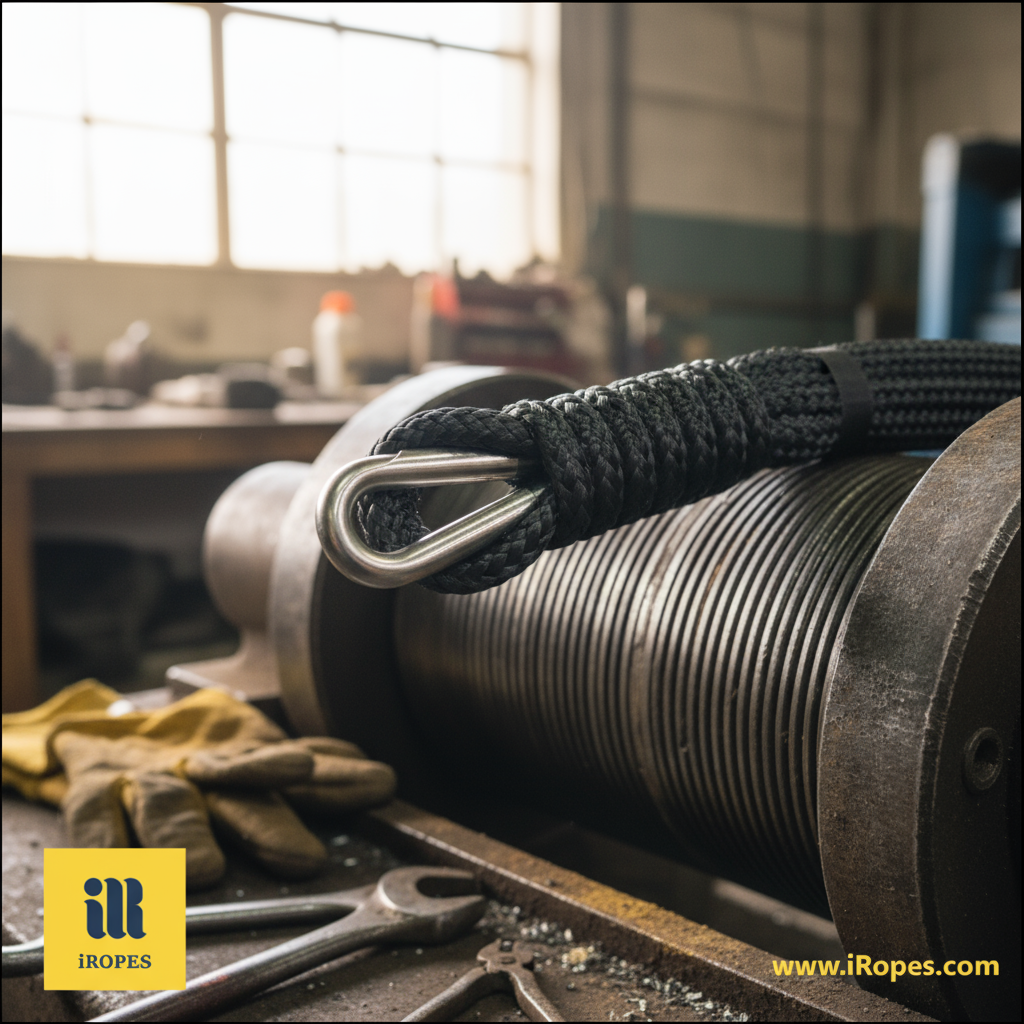
iRopes’ comprehensive OEM/ODM service begins with a detailed brief from the client, covering material choice, eye diameter, and expected load profile. From this information, our engineers meticulously design a rope eye that precisely matches the performance envelope of the winch line or dynamic rope. This ensures the splice retains the maximum possible strength while remaining easy to inspect and maintain.
For winch ropes, we frequently select high‑modulus nylon or polyester because these materials combine low stretch with excellent abrasion resistance—critical for their demanding use. Dynamic applications, such as climbing or offshore rigging, greatly benefit from Dyneema’s ultra‑high tensile strength and minimal elongation. Each material is expertly paired with a tailored bury length and a reinforced thimble, ensuring the finished eye behaves exactly like a seamless extension of the original fibre bundle. Discover the strongest winch rope we offer for maximum load‑bearing confidence.
All custom splices undergo ISO 9001‑certified inspection, guaranteeing consistent strength retention for critical operations.
Intellectual property protection is meticulously built into every order at iRopes; proprietary patterns or branding are kept strictly confidential from design through delivery. This commitment safeguards the client’s competitive edge, providing them with a rope eye that not only meets exact safety standards but also protects their unique innovations.
Case study: A European winch‑equipment distributor requested a 12 mm polyester rope with a soft‑eye splice, specifically designed to withstand repeated peak loads. iRopes applied a specialised braid‑eye technique, integrated a robust steel thimble, and conducted a final 10 % load‑check to ensure optimal performance. The client subsequently reported an impressive measured 93 % strength retention, which translated directly into a measurable reduction in equipment downtime and increased operational efficiency.
Winch
Engineered to handle sudden peak loads, with a reinforced core and low‑stretch materials for superior performance.
Safety
Integrated thimble and chafe guard protect the eye, ensuring durability and reliability during repeated cycles.
Dynamic
Optimised for superior shock absorption and flexibility, often utilising Dyneema or high‑modulus polyester.
Performance
Tailored bury length maintains an impressive 93% strength retention, even under the most dynamic loads.
Whether the rope eye is destined for a high‑torque winch drum or a dynamic climbing line, iRopes’ custom splicing seamlessly blends advanced material science with precise craftsmanship. This dedicated approach delivers rope eyes that maintain the load‑bearing loop as robust and strong as the original line, ensuring unparalleled reliability.
Need a Custom Splice Solution?
By now, you understand that a well‑executed rope eye can retain up to 95 % of the original breaking strength, significantly outperforming any knot. This article has guided you through braid eye techniques for 8‑strand constructions and clarified the common misunderstanding surrounding the "8 inch rope" term. iRopes’ OEM/ODM service offers various splicing methods and can custom‑tailor solutions for winch ropes and dynamic ropes, delivering the maximum strength retention and safety advantage you need for your demanding applications.
If you’d like a personalised design that meets your exact load‑profile and branding requirements, simply complete the enquiry form above. Our expert engineers will work with you closely to optimise the splice for your specific application, ensuring both precision and peak performance. For a complete toolkit, consider our essential rope splice kit that equips you with everything needed for reliable, high‑strength splices.