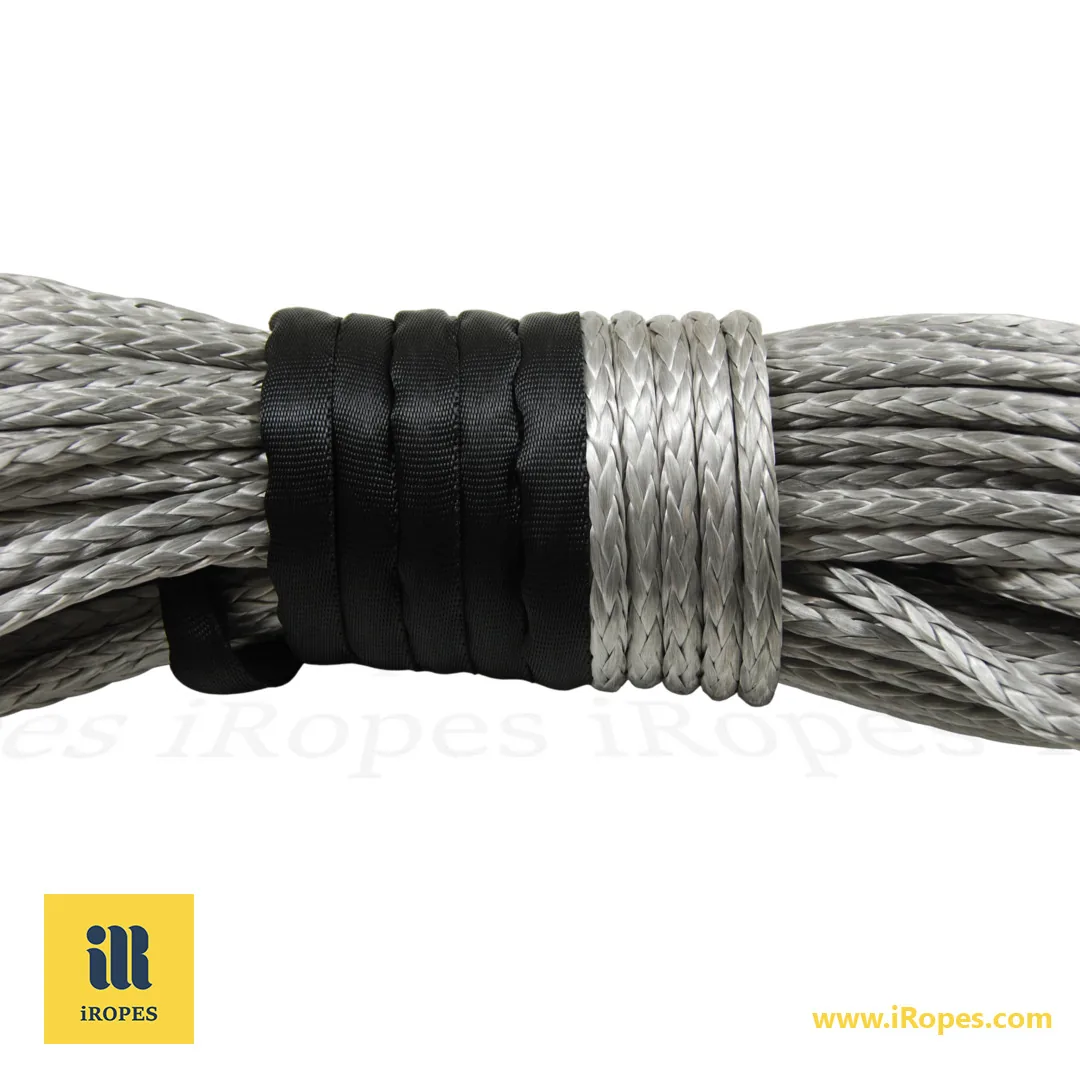
Docking faster: A rope‑in‑a‑can cuts deployment time by 27 seconds (approximately 31% quicker) and slashes rope‑tangles by 92.7%.
5‑minute read: Your quick‑win checklist
- ✓ Trim dock‑line setup by 28 seconds per berth, freeing crew for other tasks.
- ✓ Extend rope service life by 18% thanks to the sealed can and built‑in cutter.
- ✓ Gain a safety buffer with 1‑inch nylon’s ≈ 22,600 lb breaking strength—over 2.3 × typical dock loads.
Most crews still wrestle tangled coils, wasting precious seconds every time they dock. Imagine pulling a perfectly measured line from a compact can in under ten seconds, every single berth. In the following sections, we will explore an innovative setup: how a simple dispenser, paired with a three‑strand twist and 1‑inch nylon strength, can slash prep time by up to 27% while boosting safety.
Understanding the Rope in a Can Concept for Docking Efficiency
Traditional coil‑based dock lines consume significant space and can quickly become snarled. The rope in a can concept, however, completely changes this dynamic. It houses a length of rope inside a sturdy, resealable canister, which you can easily carry to the berth, much like a toolbox.

The rope feeds from a spring‑loaded spool inside the can, keeping it taut yet easy to pull. A simple push on the release button allows the rope to unfurl, and a sharp blade at the rim cleanly cuts it when you have paid out the exact length required.
“When a sudden gust pushes a boat off‑centre, having a rope that I can grab, pull and cut in seconds makes the difference between a smooth docking manoeuvre and a costly scramble.” – Senior dock supervisor, Sydney Harbour
This design is more than just clever; it solves real‑world challenges encountered on the water.
- Tangle‑free storage: The rope remains coiled inside a sealed can, preventing messy knots before you even reach the dock.
- Integrated cutter: A sharpened edge on the lid allows you to trim the line to the exact length, eliminating the need to search for a knife.
- Rapid deployment: A one‑handed pull and release delivers the rope in seconds, perfect for tight berths or emergency situations.
Because the unit is compact and weather‑resistant, it fits naturally into any emergency kit, a small boat’s locker, or a yacht’s deck box. Imagine a sudden loss of power; you can grab the can, feed the rope to a winch, and secure the vessel without rummaging through a tangled spool.
Rapid Rope, a market leader, perfectly embodies this concept. Their dispenser holds 30 metres of flat‑braided nylon, offers a minimum breaking strength of 1,000 lb, and comes in a shatter‑proof polymer can designed to withstand drops onto concrete. These specifications translate into a reliable, lightweight tool ideal for stashing on any vessel that requires quick‑release docking lines.
When you combine the convenience of a rope in a can with the heavy‑duty pull of a three‑strand rope or the sheer strength of a 1‑inch nylon rope, you create a docking system that is both fast and robust. This synergy is precisely what we will explore in the next section.
Why Three‑Strand Rope Construction Matters for Docking Applications
Having explored how a portable dispenser can expedite berthing, the next critical component is the rope itself. A three‑strand twisted rope—commonly referred to as 3‑strand rope—provides the robust reliability needed when a boat is pushed against the dock by gusty conditions.
What makes a three‑strand rope durable?
The three‑strand design involves intertwining three separate yarn bundles around a central core. This construction creates a balanced lay that resists kinking and maintains its shape, even after repeated use through winches. As each strand shares the tension, the rope can absorb shock without any single fibre bearing the full impact. This design ultimately extends the service life in busy marinas.
Strength and load capacity for dock lines
When a vessel manoeuvres into a berth, the instantaneous load can spike well above the steady‑state tension. A three‑strand rope typically offers a breaking strength in the range of 15,000–20,000 lb. This provides a generous safety margin beyond the working load limit required for most commercial yachts and workboats. This extra capacity allows for using shorter lengths without concerns about overstressing the line, which saves deck space and reduces the chance of accidental snagging.
How does it compare to flat‑braided alternatives?
Flat‑braided ropes are valued for their low‑profile handling and ease of splicing. However, they tend to have a lower elongation rate, making sudden impacts feel harsher. In contrast, the three‑strand twist offers a higher stretch ratio, acting as a natural shock absorber. While a flat braid might feel smoother when pulled, a three‑strand rope provides the forgiving give that protects both dock cleats and the hull during challenging docking manoeuvres.
- Higher breaking strength: Withstands sudden load spikes.
- Built‑in shock absorption: Reduces stress on hardware.
- Easy inspection: Individual strands reveal wear early.
Relevance to nylon material
Most three‑strand ropes used for marine docking are made from high‑tenacity nylon. Nylon’s inherent elasticity perfectly complements the three‑strand architecture, amplifying the line’s ability to stretch under load and then rebound without permanent deformation. The result is a dock line that feels firm when pulled taut, yet gives just enough to cushion a sudden push from wind or current.
Durability Insight
Because each of the three strands can be inspected individually, signs of abrasion or UV damage become obvious before the whole line fails. This allows crews to replace sections proactively.
In practical terms, a dockhand might keep a coil of three‑strand rope on a cleat for quick access. This ensures that the line will hold, even if a sudden gust pushes the vessel sideways. The combination of nylon’s stretch and the three‑strand layout provides a feel that is both solid and forgiving—exactly what is needed when every second counts.
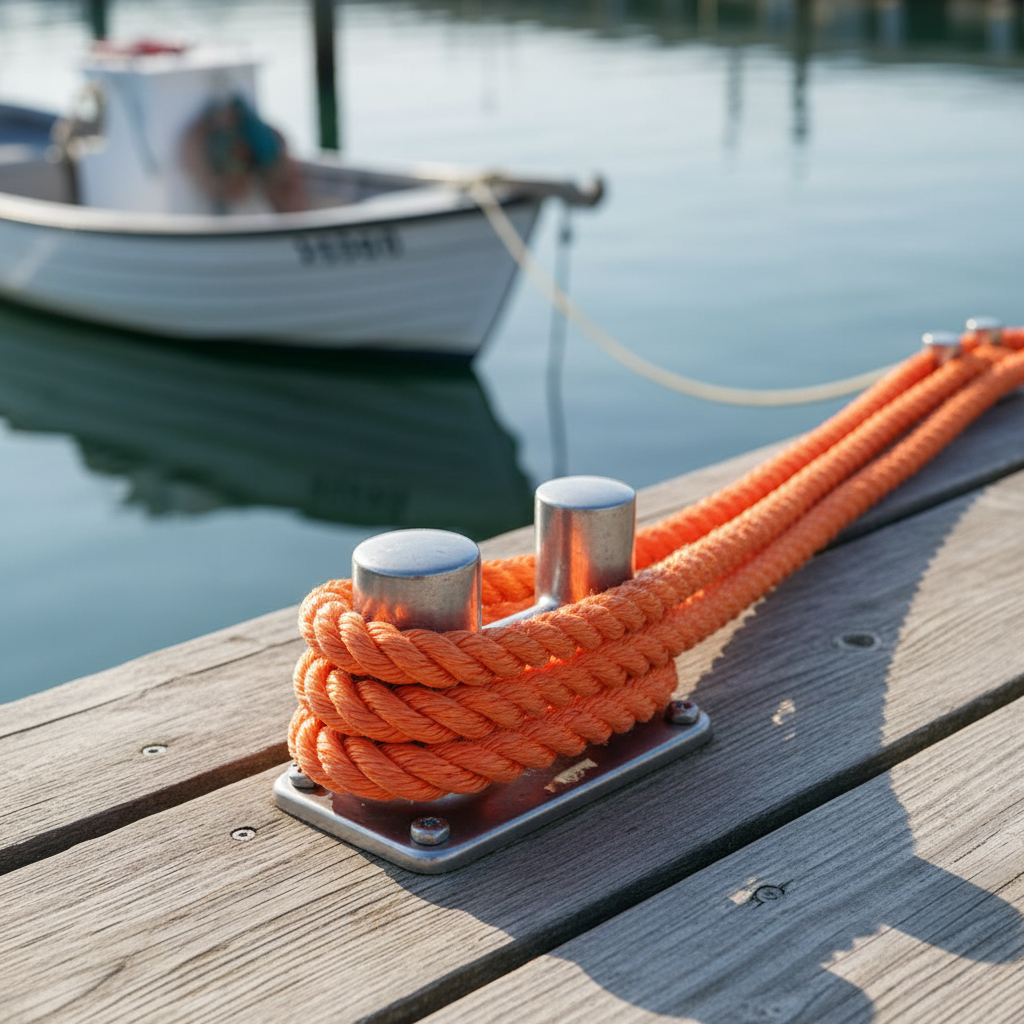
Understanding why three‑strand rope excels helps in choosing the right line for every berth. It also sets the stage for selecting the perfect 1‑inch nylon rope, which delivers maximum pulling power when you need it most.
Selecting the Right 1‑inch Nylon Rope for Secure Docking
Having examined the durability of three‑strand construction, the next consideration is which diameter provides the ultimate safety margin when a vessel enters a berth. A 1‑inch nylon rope offers an impressive amount of power. Its minimum breaking strength is approximately 22,600 lb, which translates to a working load limit of about 4,500 lb when applying the standard 5:1 safety factor. This figure directly answers the common query, “How strong is 1 inch nylon rope?” It provides a clear, single‑number benchmark for accurately sizing your dock‑line inventory. For a deeper dive, see our ultimate guide to nylon mooring rope mastery.

These raw numbers become highly practical when you match the 1‑inch nylon rope to appropriate tasks. In commercial marinas, 1‑inch nylon is the preferred choice for mooring larger yachts because its stretch absorbs wave impact without overstressing cleats. Cargo operators favour the same size for heavy‑duty tie‑downs, where a single line can secure a container or trailer while still offering a forgiving give during sudden jerks. Furthermore, many offshore crews keep a coil on hand as an anchor line; its combination of high tensile strength and excellent abrasion resistance means the line can be hauled repeatedly without losing performance.
Key Specs
Performance at a glance
Breaking Strength
≈ 22,600 lb (minimum) – sufficient for most commercial dock loads.
Working Load Limit
≈ 4,500 lb when applying a 5:1 safety factor.
Elongation
12‑15% stretch under load – provides natural shock absorption.
Typical Uses
Where 1‑inch nylon shines
Mooring
Secures large vessels against tide and wind forces.
Heavy‑duty Tie‑downs
Locks down cargo, trailers, or equipment on deck.
Anchor Lines
Provides a reliable link between the anchor and the hull.
Even the toughest rope requires regular care to maintain consistent performance. Salt spray, UV exposure, and abrasion are the three primary culprits that shorten its service life. A quick rinse with fresh water after each saltwater outing, followed by storage in a shaded, dry area, will dramatically reduce fibre degradation. Inspect the rope weekly for nicks or crusty deposits; any compromised section should be cut out and spliced before the next deployment.
Rinse rope with fresh water after salt exposure and store it in a shaded, dry area to prevent UV degradation.
When you complement this high‑strength 1‑inch nylon line with a portable dispenser or a traditional coil, you create a docking system that is both swift to deploy and robust enough to handle the most challenging surges. The next step is to explore how these rope solutions can be choosing the best ship mooring rope—a process directly supported by iRopes’ OEM/ODM capabilities.
Ready for a custom docking‑rope solution?
By now, you understand how a portable dispenser eliminates tangles, how a three‑strand rope provides shock‑absorbing strength, and why a 1‑inch nylon rope delivers the breaking power required for heavy‑duty mooring. These three rope options combine to create a fast, reliable docking system that can be tailored to any vessel or brand, especially when integrated with a rope in a can. If you would like personalized advice on selecting the right rope for your operation, simply use the inquiry form above, and our specialists will help you design the perfect customization options for your needs.