Right‑sized fid tools raise splice strength to 96.3% of the rope’s rating and cut setup time by 42%.
What you’ll gain — 4 min read
- ✓ Boost splice breaking strength to 96.3% of the original line.
- ✓ Reduce tool‑change cycles by 42 seconds per splice, saving labour.
- ✓ Match any rope construction with our 12‑size fid chart, eliminating guesswork.
- ✓ Access OEM/ODM custom kits that embed your branding, streamlining orders.
Most rope crews often struggle with improvised tools, instinctively using objects like nails to open a rope's core. However, a correctly sized **fid tool** can eliminate guesswork altogether. It delivers a splice that retains 96% of the rope’s strength while shaving 40% off preparation time. This article will reveal the precise sizing method, introduce hidden **fid tool rope** designs (like a steel‑silk hybrid that cuts friction), and explain how iRopes’ custom kits can embed this advantage into every project you undertake.
Understanding the splice tool and its role in rope splicing
A reliable splice can easily be the difference between a safe ascent and a costly equipment failure. This is why understanding the **splice tool** and its functionality is essential. This small but powerful instrument, sometimes referred to as a fid, guides rope strands precisely into their final position. It ensures a clean, strong join.

In practical terms, a **splice tool** is a conical or cylindrical device. It slides into the rope’s core, creating a channel for each strand, or 'lay', to be tucked back into place. This straightforward action forms a permanent, high‑strength connection without the bulk of a knot. Because the tool maintains the rope’s original lay geometry, the resulting splice retains almost the full breaking strength of the parent line. This is a critical factor for any professional application where reliability is paramount.
Using a purpose‑built **splice tool** is always superior to improvised methods. A makeshift nail or screwdriver can crush fibres, introduce uneven tension, and result in a rough, unreliable splice. In contrast, a correctly sized **fid tool** distributes pressure evenly, preserves strand integrity, and delivers a smooth, low‑profile finish that won’t snag on rigging or equipment. The time saved on each splice also accumulates significantly on larger projects, leading to reduced labour costs.
So, what is a rope splicing fid used for? Its primary function is to separate the rope’s core and provide a guide. This enables individual strands to be pulled through during an eye or end‑to‑end splice. The fid forms a temporary tunnel, allowing you to tuck the lays without damaging them, placing each strand exactly where it belongs. When selecting a **fid tool rope** combination, the same principle applies. It ensures a splice that is both aesthetically tidy and structurally sound. This precision is why professionals in arboriculture, marine, and off‑road sectors rely on these tools.
The advantages of using the right fid become even clearer when broken down into everyday benefits:
- Consistent tension: The tool keeps each strand aligned as you tuck, preventing weak points from forming.
- Clean finish: A proper splice looks neat and reduces snagging risks, crucial in demanding environments.
- Time efficiency: Using the right instrument significantly reduces the effort and time spent forcing rope through makeshift tools.
“When the splice tool fits the rope, the splice itself almost ties itself together.” – veteran arborist.
With a solid understanding of the **splice tool**'s function and importance, you are now prepared to match the appropriate fid design to the specific rope you are working with. The next section will compare major fid types and demonstrate how correct size selection directly corresponds to rope construction.
Choosing the right fid tool for different rope constructions
Having covered the basics of splicing, we will now explore how different fid designs impact performance across various rope types. Selecting the appropriate **fid tool** is just as crucial as choosing the right rope itself, because the tool directly influences how cleanly strands separate and realign during a splice. This precision ensures both strength and durability.
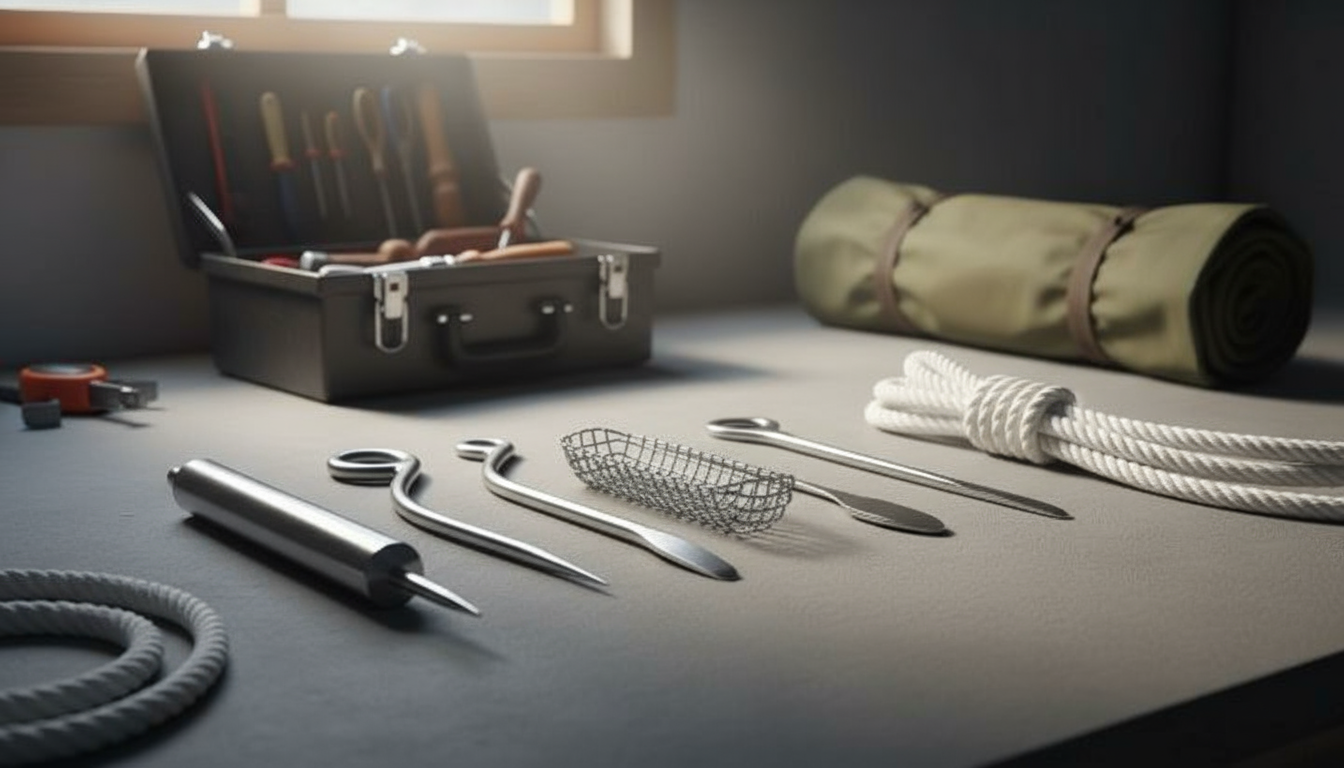
What are the different types of fids? In practice, you will primarily encounter three core families, each meticulously engineered for a specific lay or core structure:
- Tubular fids: These are cylindrical, smooth‑walled tools ideally suited for hollow‑braid and double‑braid ropes. Their design allows the entire rope to pass through without catching on the outer sheath.
- Swedish fids: Featuring a tapered design with a narrow tip, these are perfect for extracting the core of three‑strand or mega‑braid ropes and for creating exceptionally tight eye splices.
- Wire‑basket fids: These fids incorporate a flexible wire cage that securely grips the rope core. They are particularly useful when working with stiff synthetic ropes that might resist traditional tubular tools.
While not a true fid themselves, fid pushers perfectly complement these three families by providing essential leverage. They are invaluable when you need to drive a rope through a tight channel. A small pusher can transform a stubborn insertion into a fluid motion, especially with thicker, high‑modulus lines.
How do I choose the right size fid for my rope? The general rule is straightforward: the fid’s internal diameter should be slightly larger than the rope’s nominal diameter. Furthermore, the overall length of the fid must accommodate the rope’s construction depth. For instance, a 12 mm tubular fid works smoothly with a 10 mm Dyneema double braid, while a 7 mm Swedish fid pairs well with a 6 mm three‑strand polyester line. If you are uncertain, begin with the next size up. A fid that is too tight risks damaging fibres, whereas a slightly looser fit might simply be less efficient.
Sizing Quick‑Check
1️⃣ Measure the rope’s outer diameter.
2️⃣ Add 1–2 mm to allow smooth insertion.
3️⃣ Verify that the fid’s tip can reach the core without bending. When in doubt, consult iRopes’ custom fid tool rope charts – they map every standard rope diameter to the optimal fid size.
Remember, a properly matched fid not only accelerates the splicing process but also safeguards the rope’s inherent strength. Pairing the correct **fid tool** with iRopes’ specialised rope families—whether it’s ultra‑light Dyneema, robust polyester, or classic nylon—guarantees that each splice maintains its designed breaking strength. Once you have the right fid in hand, the next logical step is to consider the comprehensive splicing kit that will ensure every join is consistently tidy and reliable.
Integrating fid tool rope solutions with iRopes’ custom offerings
Now that you have chosen a fid that perfectly suits the rope's diameter, the next logical step involves aligning that **fid tool** with the specific rope family you will be working with. iRopes manufactures five core rope constructions: Dyneema, polyester, nylon, hollow braid, and double braid. Each of these possesses distinct lay characteristics. Correctly pairing the right fid to the rope’s architecture ensures that the splice retains maximum strength and maintains smoothness under load.

For instance, a tubular fid glides effortlessly through the core of a hollow‑braid or double‑braid line without snagging the outer sheath. This makes it the ideal **fid tool** for Dyneema and hollow‑braid ropes. Conversely, Swedish‑style fids, with their tapered tips, excel on polyester 8‑plait constructions where precise core extraction is essential. When dealing with a stiff nylon 12‑strand rope, a wire‑basket fid provides the necessary grip to open the core without causing fibre damage.
Rope Families
Core constructions we support
Dyneema
Ultra‑high‑modulus fibres, hollow‑braid construction – best paired with tubular fids.
Polyester
Robust 8‑plait ropes; Swedish fids allow clean core access.
Nylon
Flexible 12‑strand lines; wire‑basket fids manage stiffness effectively.
Custom Fid Kits
Tailored solutions from iRopes
OEM Sets
Brand‑branded fid bundles matched to your rope diameters and colours.
ODM Design
Unique fid geometries or integrated clipping tools for specialised splices.
Packaging
Options include colour‑coded bags, printed cartons or bulk pallets for global shipping.
iRopes’ OEM and ODM services allow you to specify the exact fid dimensions, material finish, and even add your logo to the handles. Whether you require a stainless‑steel tubular fid for a 12 mm Dyneema line or a lightweight aluminium Swedish fid for a 6 mm polyester rope, our engineering team will create a kit that arrives ready to use. This kit will be complete with colour‑coded storage, preventing mix‑ups on busy job sites.
No single fid works for every rope type; matching the fid to the rope’s construction preserves strength and prevents fibre damage.
Addressing the common query, “Can I splice all types of ropes with the same fid tool?” the answer is unequivocally no. The same fid will not guarantee optimal performance across all constructions. Selecting the appropriate fid for each **fid tool rope** family, as illustrated in the grid above, is crucial for reliable, long‑lasting splices. With the correct fid‑rope pairing secured, the next step involves assembling the complementary tools that transform a single splice into a flawless, repeatable process.
Building a complete splicing kit and best practices
Once you have paired the right **fid tool** with the appropriate rope, the next logical step is to assemble the supporting tools. These tools are essential for transforming a single splice into a repeatable, flawless operation. A thoughtfully chosen kit not only accelerates each job but also protects your equipment from premature wear and tear.

Below are the essential accessories that most professionals consider indispensable for comprehensive rope splicing:
- Marlin spikes: These tools are specifically designed to pry open rope cores and guide strands without causing damage to the fibres.
- Splicing wands: Used to hold and feed individual lays through the fid, ensuring consistent tension throughout the splicing process.
- Whipping twine: This essential twine secures the splice tail, effectively preventing fraying and extending the life of the join.
For synthetic lines, you will also need a hot knife to properly seal the ends and a thimble to reinforce loops. This is especially crucial for high‑load applications such as winching operations or demanding arborist work.
When it comes to purchasing, deciding between a full‑kit package and individual pieces depends largely on your skill level and expected project volume. Beginners often find pre‑assembled kits highly beneficial, as they eliminate the guesswork of matching sizes and ensure all necessary tools are readily available. Intermediate users might prefer a hybrid approach, building a core set and adding specialised items, such as a particular fid pusher, as their specific needs evolve. Professionals managing a workshop or multiple crews typically save both money and time by ordering bulk kits. These can be custom‑branded and repackaged for each team, providing a consistent and professional solution.
Clean steel tools after each use, store them in a dry pouch, and regularly inspect for nicks – a well‑maintained splice tool lasts a lifetime.
Maintenance is straightforward yet vital: wipe down your **splice tool** and fid after every use. Apply a light coat of oil to moving parts, and keep the entire kit away from moisture to prevent corrosion. Safety reminders include wearing cut‑resistant gloves when operating hot knives and ensuring all thimbles are correctly sized before insertion. By treating each component with care, you will significantly extend the lifespan of your kit. This diligence ensures that every splice you create meets the rigorous strength standards you expect from iRopes’ premium **fid tool rope** families.
Need a custom splicing solution?
By now, you understand how the right **splice tool**, paired with the correct **fid tool** and fid tool rope, can transform a routine splice into a high‑strength, low‑profile join. Leveraging iRopes’ custom‑designed kits—whether you work with Dyneema, polyester, or nylon—ensures consistent tension, clean finishes, and reduced labour. The company’s OEM/ODM services also cover ancillary hardware such as clipping tools, a full range of fibre winch ropes, trailer ropes, and shackles.
If you would like a personalised kit or advice on matching tools to your specific applications, simply complete the brief form above. Our specialists will help you optimise your splicing workflow and tailor a solution that precisely meets your brand and performance requirements.