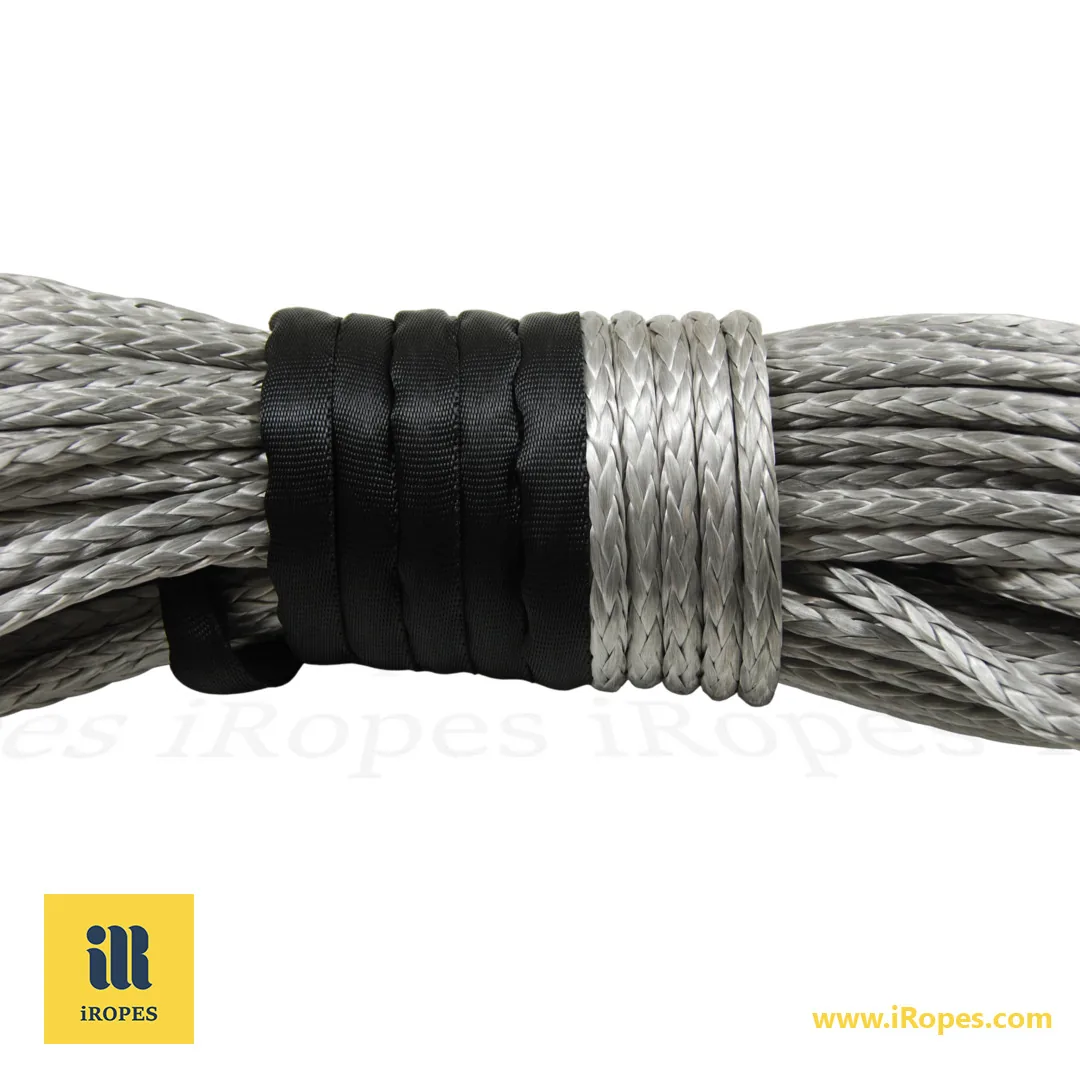
A large tow rope (≥ 50 mm) provides approximately 75 000‑150 000 lb breaking strength, while a blue tow rope is seen up to 45 % faster in dusty pits – a combination that turns a risky pull into a reliable recovery.
Read in 2 min – What you’ll unlock
- ✓ Boost recovery power with 50‑80 mm ropes delivering up to 150 k lb breaking force.
- ✓ Cut line‑search time by up to 45 % using high‑visibility blue rope.
- ✓ Apply a 5× safety factor to help prevent overload incidents.
- ✓ Reduce downtime through iRopes’ OEM/ODM custom solutions.
Most crews reach for the cheap, thin‑section rope and hope a quick knot will hold – a habit that costs time, safety and money. What if you could boost your pulling capacity, spot the line instantly in dust‑filled pits, and slash recovery delays by up to 45 %, simply by switching to a 50 mm‑plus blue tow rope engineered by iRopes? The next sections reveal exactly how.
What makes a large tow rope essential for off‑road and mining applications
When you’re pulling a 4‑WD vehicle out of a mud pit or hauling equipment on a mine face, the rope you choose becomes the lifeline of the operation. A large tow rope—typically defined by a diameter of 50 mm (2 in) or more—delivers the breaking strength and durability required to move heavy loads safely, while helping to reduce recoil and snap‑back risks.

Understanding why the size matters is easier when you break the specs down into bite‑size facts.
- Diameter threshold – 50 mm or larger qualifies as a large tow rope, with typical breaking strengths from roughly 75 000 lb to 150 000 lb.
- Material choices – polypropylene (low stretch, chemical‑resistant), nylon (higher stretch, shock‑absorbing), polyester (UV‑stable, low stretch).
- Safety factor – industry guidance recommends a minimum 5× safety factor, meaning a 15 000 lb working load calls for a rope rated at least 75 000 lb.
People also ask, “What size yankum rope do I need?” A common rule‑of‑thumb for commodity polypropylene is that 1 in (25 mm) diameter ≈ 12 500 lb breaking strength. Actual ratings vary by material and construction; iRopes’ engineered large tow ropes in the 50‑80 mm range are typically rated around 75 000‑150 000 lb. Always confirm against the manufacturer’s specification.
Why do mining crews and off‑road enthusiasts prefer a large rope over a thinner line? In a mine, winches must handle abrupt tension spikes and abrasive dust; a thick, abrasion‑resistant rope paired with the right material resists cuts and wear. On rugged trails, a stout rope tolerates sharp edges and repeated bends over recovery hardware, giving you confidence that the line won’t fail mid‑pull. Nylon helps cushion shock loads; polypropylene keeps weight down and resists oils and chemicals; polyester offers excellent UV stability with low stretch.
“Below the 50 mm mark in heavy recovery, you often trade off strength and abrasion buffer. Upsizing the rope increases safety margins and speeds up the job.” – iRopes application engineer
Choosing the right material pairs with the right diameter. Polypropylene keeps the rope light enough to splice on‑site, nylon cushions sudden jerks on steep inclines, and polyester maintains colour fastness—especially useful if you later opt for a high‑visibility blue tow rope.
With the definition, material options and safety logic clear, you’ll find it easier to match the rope to the job at hand and avoid the costly mistake of under‑rating your line. The next step shows how to size the rope for specific loads and pick a practical length for your site.
Selecting the right large rope diameter and length for maximum safety
Now that you understand why a large tow rope is the backbone of any heavy‑duty pull, the next question is how to match the line to the job without guesswork. Below is a quick‑answer guide that tells you exactly what to look for.
Quick answer: Choose a diameter that provides a breaking strength at least five times the heaviest load you expect to pull, then pick the shortest length that still reaches both anchor points. This approach keeps the rope manageable while giving you a generous safety margin.

When you sit down with the numbers, a short, logical sequence helps you land on the right size.
- Identify the maximum load you expect to move – include a margin for shock loads.
- Multiply that load by the recommended safety margin and find the nearest breaking‑strength rating in the chart.
- Select the standard diameter that meets or exceeds that rating; if you fall between sizes, go up to the next larger diameter.
What about length? A rope that’s too long can tangle, while one that’s too short forces you to reposition the vehicle or winch.
Length recommendations
For most off‑road pulls, 20 ft (6 m) is enough to reach a winch without excess slack. When you need to recover an ATV or a small boat, 40 ft (12 m) offers a comfortable reach. Long‑distance mining extractions often require 60 ft (18 m) so the line can span across equipment and terrain without strain.
For example, if you plan to recover heavy vehicles or equipment where loads can spike, you might choose an 80 mm line rated up to 150 000 lb for a wide safety margin. For typical 4‑WD work, a 50 mm large tow rope around 75 000 lb is a proven, practical choice. Always match the material to the application and confirm the rating before use.
If you ever wonder, “What diameter should I choose for a large tow rope?” follow the three‑step method above and verify the specification against the manufacturer’s data. The same principle applies to length: start with the shortest practical reach and only extend when the terrain demands it.
Choosing the right size and length sets the stage for the next consideration—why selecting a blue tow rope can make pulls safer and easier to manage on a dusty job site.
Why a blue tow rope improves visibility and safety on the job site
On low‑light or grit‑filled sites, colour matters. The blue pigment acts like a beacon, especially when you choose a custom blue winch rope. Field reports show a blue‑coloured line is detected up to 45 % faster than a standard black rope, reducing the time crews spend searching for the free end. Those extra seconds can be the difference between a smooth recovery and a hazardous slip‑back.
Beyond colour, the dye used for a blue tow rope is formulated with UV‑stabilisers. After two years of continuous sun exposure the material retains more than 90 % of its original breaking strength, while untreated dark ropes can lose strength noticeably over the same period.
Safety guidance consistently favours high‑visibility equipment on active sites. Choosing a bright‑hued recovery line supports that goal, improving situational awareness for operators and spotters compared with low‑contrast alternatives.
Real‑world usage backs the benefits. Off‑road teams report faster locate‑and‑pull times with blue lines in mud and at night. Mining operations see improved service life from UV‑stabilised, abrasion‑resistant ropes, and agricultural crews who switch from high‑stretch to lower‑stretch polypropylene often report fewer recoil‑related incidents.

High‑visibility
Blue pigment cuts through dust and dusk, letting you locate the rope within seconds.
UV‑stable
The specialised dye protects the fibre from sun‑induced degradation, preserving strength.
Low‑visibility
Black ropes blend into mud and shadows, increasing the chance of a missed grab.
UV‑degradation
Without UV‑stabilisers, colour fades and the rope can lose strength more quickly outdoors.
With the visibility and durability advantages clarified, the next step is to explore how iRopes tailors these high‑performance ropes to match exact load ratings, branding needs and any special accessories you require.
iRopes custom solutions and OEM/ODM services for large and blue tow ropes
After seeing how a bright blue tow rope can cut recovery time, the next logical step is to turn that advantage into a rope built to your exact specifications. iRopes lets you decide every parameter – from the fibre type to the final branding – delivering the benefits of a heavy‑equipment tow rope, so the line you pull with is the line you designed.

When you request a bespoke large rope, you start with a material matrix – polypropylene for low stretch, nylon for shock absorption, or polyester for UV stability. From there you set the diameter (12 mm – 80 mm) and length that suit the pull distance on your site. Colour is a standalone option; the colour‑matching service that produces the high‑visibility blue variant can replicate any hue you need for brand alignment. Accessories such as thimbles, eye‑splices or custom‑printed loops are added at the same time, and the final packaging can carry your logo on bags, colour boxes or bulk cartons.
People also ask, “Can I get a custom‑coloured (blue) rope from iRopes?” – the answer is yes. Our in‑house colour‑matching ensures a consistent blue pigment with UV‑stability, and the shade can be matched to a Pantone reference you provide.
Tailored specs
Choose every detail
Material
Select polypropylene, nylon or polyester based on stretch, chemical resistance and UV durability.
Diameter & Length
Specify any size from 12 mm up to 80 mm and the exact pull length you require.
Colour & Branding
Choose blue or any custom colour, and add your logo or part numbers to the packaging.
Production flow
From design to delivery
Design & Prototype
Our engineers draft CAD files, produce a prototype and let you test‑fit before the full‑scale run.
ISO 9001‑Certified Production
Every batch passes strict quality checks, ensuring the breaking strength matches the spec.
IP Protection & Packaging
We secure your design with NDAs and ship pallets in non‑branded or customer‑branded cartons.
Pricing tiers are transparent: under $35 for standard 12‑25 mm ropes, $35‑$70 for mid‑range 30‑50 mm lines, $150‑$350 for custom large ropes (including blue colour), and premium OEM packages above $350.
Putting those pieces together, the workflow is simple: you provide load requirements, we recommend a diameter that delivers at least a 5× safety factor, you approve the colour sample (blue or otherwise), and we launch production under ISO 9001 control. The result is a large tow rope that meets the mechanical demands of mining winches and off‑road recoveries and stands out visually, reducing the chance of a missed grab.
Now that you know how iRopes turns a set of specifications into a ready‑to‑use rope, the final part of this guide recaps the key takeaways and shows you how to request a free, no‑obligation quote.
Need a personalised rope solution?
iRopes specialises in producing tow ropes from 12 mm to 80 mm for off‑road, mining and oil‑field use, with full OEM/ODM options to align with your exact specifications and branding. The guide’s safety‑factor steps help you pick the proper diameter and length, ensuring the line can handle the required load.
Choosing a large tow rope provides the strength needed for heavy pulls, while a large rope sized to a 5× safety margin supports reliability. A blue tow rope adds high‑visibility safety on dusty sites and aligns with best‑practice visibility guidance for active work zones.
If you’d like personalised assistance to select or customise the ideal rope for your operation, please fill out the form above and explore our best winch ropes guide, and our experts will contact you.