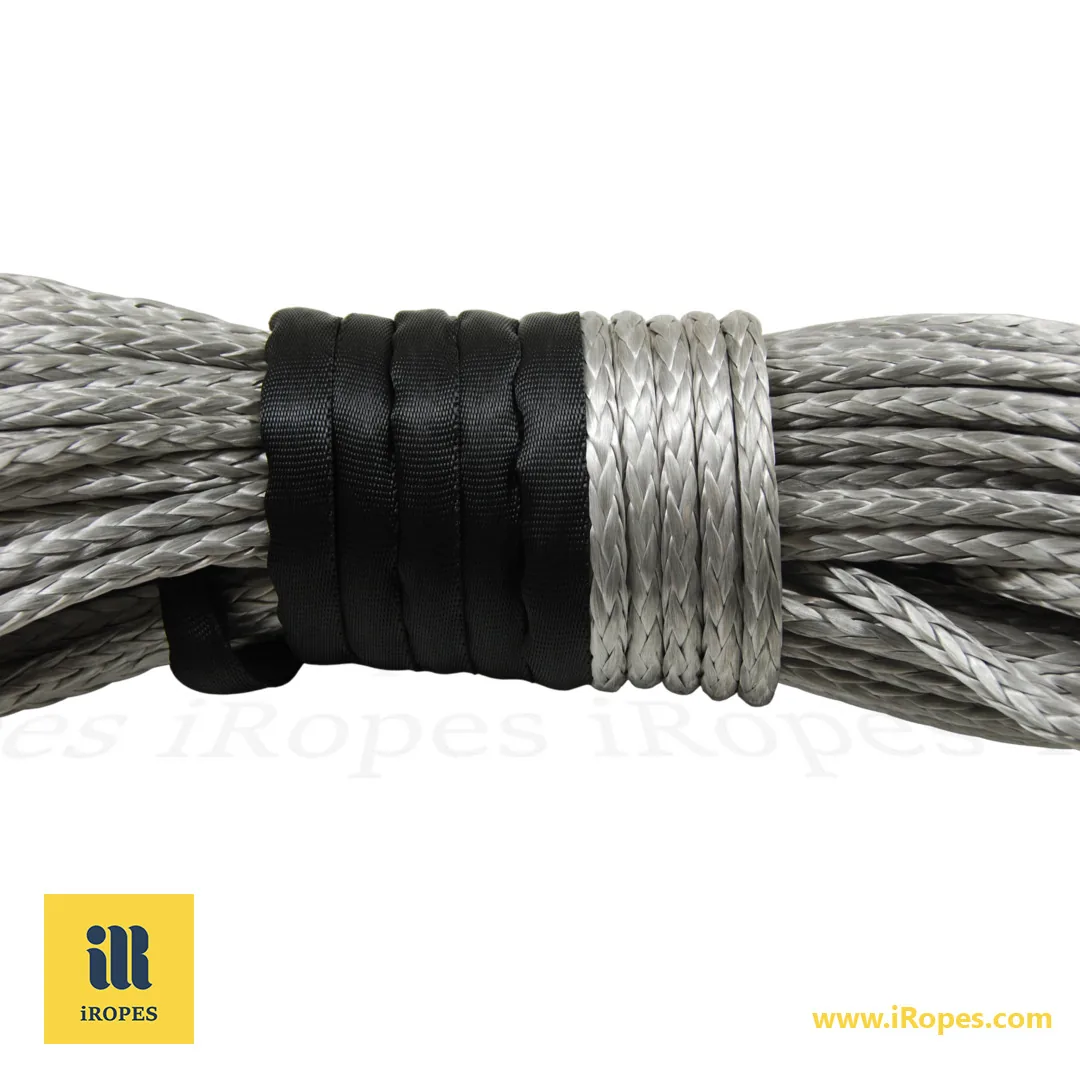
⚡ Nylon delivers up to 38 % higher tensile strength than polypropylene at the same diameter, while polypropylene still floats for marine tasks.
What you’ll master in a short read
- ✓ Choose the fibre that can deliver up to 38 % more load capacity at the same diameter.
- ✓ Access a practical size chart covering common diameters for instant ordering.
- ✓ Cut lead time with iRopes’ custom colour, reflective and glow‑in‑the‑dark options.
- ✓ Secure full IP protection while scaling OEM/ODM projects.
You’ve probably been told that polypropylene is the default rope for every outdoor job because it’s cheap and floats. But that shortcut ignores a crucial fact: braided nylon can carry up to 38 % more load at the same thickness and absorbs shock, which lowers failure risk. In the sections that follow, we’ll unpack exact polypropylene rope sizes, the key braided nylon twine sizes, performance data, and how iRopes can tailor either fibre to your project’s toughest demands.
Polypropylene rope sizes – comprehensive size chart and key specs
After highlighting why the right rope matters for safety and performance, it’s time to look at the exact dimensions that define polypropylene rope sizes. Whether you’re rigging a garden trellis or supplying a marine dock, the numbers in the chart guide every decision.
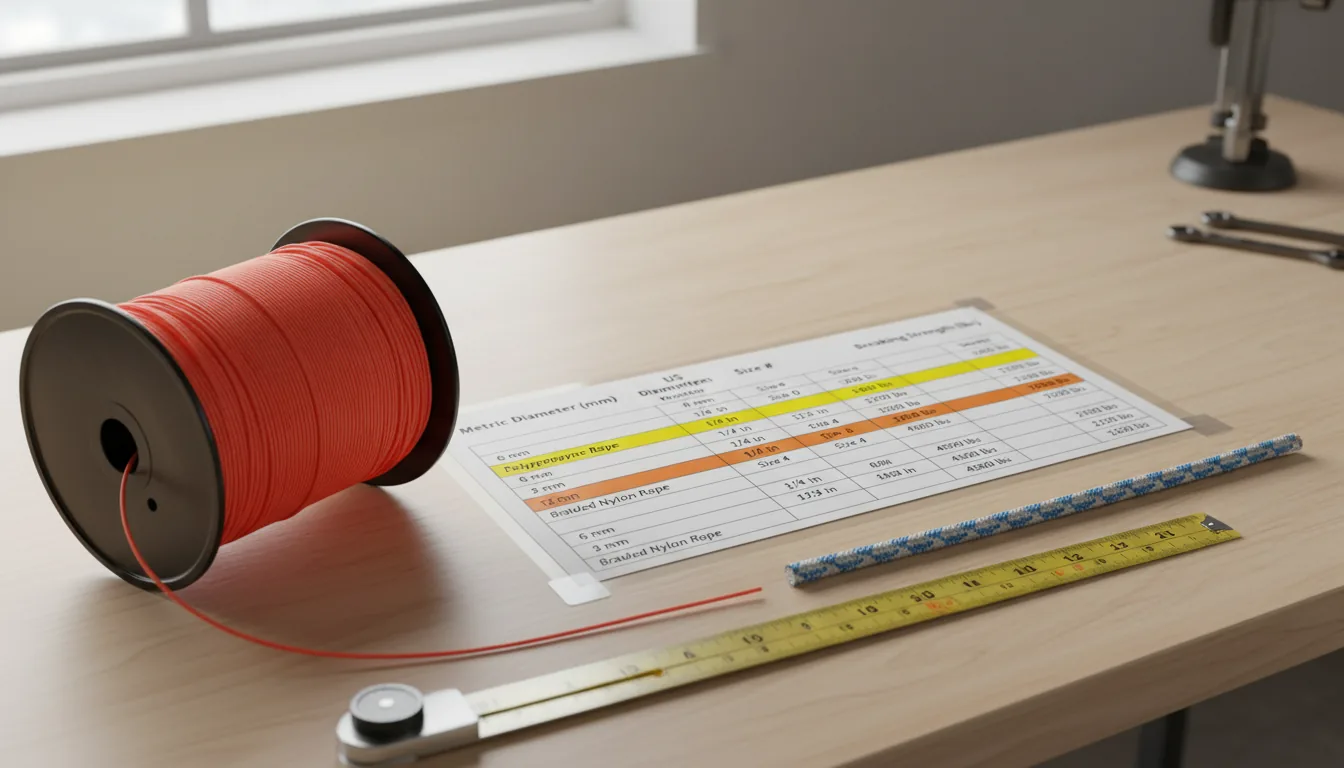
| Size‑Number | Metric Diameter (mm) | US Diameter (in) | Typical Breaking Strength (lb) |
|---|---|---|---|
| #3 | 3 mm | 0.12 in | 400 lb |
| #6 | 6 mm | 0.24 in | 1 200 lb |
| #10 | 10 mm | 0.40 in | 3 500 lb |
| #15 | 15 mm | 0.59 in | 7 000 lb |
| #25 | 25 mm | 0.98 in | 13 500 lb |
| #50 | 50 mm | 1.97 in | 25 000 lb |
The short answer to the People‑Also‑Ask query “What are the different sizes of ropes?” is exactly what the table provides: a list of size numbers linked to metric and US diameters together with a typical breaking‑strength range. Use this chart as a quick reference or request our full spec sheet for detailed constructions.
- Use a caliper – place the jaws lightly around the relaxed rope and read the diameter.
- Check with a ruler – for larger diameters, lay the rope on a flat surface and measure across the centre without compressing the strands.
- Record the nominal size – note the size number from the chart that matches your measured diameter.
- Apply a safety factor – use about 50 % of the stated breaking strength as the maximum working load.
Choosing the correct polypropylene rope size is one of the most reliable ways to prevent over‑loading, extend product life, and keep your crew safe.
Once you’ve measured and matched a size number, you can move on to the next part of the guide where we compare those dimensions with braided nylon twine sizes and explore how each material behaves in real‑world applications.
Braided nylon twine sizes – detailed size guide for various applications
Having seen how polypropylene rope dimensions are plotted, let’s turn the page to the twin material: the versatile braided nylon twine. Whether you’re rigging a garden trellis, tying down cargo, or crafting a fishing net, the right twine size keeps the job safe and efficient.

| Size‑Number | Metric Diameter (mm) | US Diameter (in) | Standard Length | Typical Breaking Strength (lb) |
|---|---|---|---|---|
| #18 | 1 mm | 0.04 in | 50 ft | 100 lb |
| #22 | 1.5 mm | 0.06 in | 100 ft | 200 lb |
| #30 | 2 mm | 0.08 in | 200 ft | 350 lb |
| #40 | 3 mm | 0.12 in | 500 ft | 1 000 lb |
| #50 | 4 mm | 0.16 in | 500 ft | 1 800 lb |
The quick answer to the People‑Also‑Ask query “What twine is better, nylon or polypropylene?” is that each has a sweet spot. Nylon twine shines when you need higher tensile strength and a little give to absorb shock, while polypropylene stays afloat, resists rot and is usually lighter on the wallet.
Nylon vs Polypropylene
Nylon offers a superior strength‑to‑weight ratio and a modest stretch that cushions sudden loads; polypropylene floats, endures UV exposure with stabilisers, and typically costs less. Pick nylon for high‑load, shock‑absorbing tasks, and polypropylene for marine or outdoor applications where buoyancy matters.
Choosing the correct twine size is more than a numbers game; it’s about matching the load you expect to carry. Below are three practical steps you can follow before you cut the roll.
- Estimate the maximum load, including any dynamic forces such as wind or movement.
- Select a size whose breaking strength is at least twice that maximum load (the ½ × breaking‑strength working‑load rule).
- Confirm the standard length matches your project; if not, iRopes can cut to custom lengths and add colour or reflective markings.
Armed with the size chart, the nylon‑vs‑polypropylene verdict, and the three‑step selection method, you’re ready to pick the exact twine that will hold firm under pressure. The next section will put those numbers side‑by‑side with material‑property data so you can see how each rope behaves when the real world puts it to the test.
Material properties and performance comparison
Having examined the size charts and the quick‑look pros and cons, you’re now ready to see how the two fibres behave when the load is applied. The data below puts floatability, UV durability, stretch and tensile strength side‑by‑side, so you can judge which material fits the job you have in mind.

Float
Polypropylene’s low density keeps it on the surface, perfect for throw lines, marker buoys and buoy‑mounted gear.
UV‑stable
UV‑stabilised polypropylene options resist sun‑induced degradation, helping maintain strength after prolonged exposure.
Sink
Nylon’s higher density means it sinks and can absorb water, useful for submerged rigging where buoyancy is unwanted.
Stretch
Provides about 15‑20 % elongation, cushioning sudden loads and reducing shock.
Nylon typically offers 30‑40 % higher tensile strength per identical diameter compared with polypropylene, making it the stronger rope in most size ranges.
Which rope is stronger, nylon or polypropylene? In simple terms, nylon out‑performs polypropylene in tensile strength when the two are compared at the same diameter, giving you a higher load‑bearing capacity without increasing bulk.
Understanding how breaking strength translates to a safe working load is essential for every project. The industry rule of thumb is to use half of the breaking strength as the maximum recommended load. For example, a 10 mm polypropylene rope with a breaking strength of about 3 500 lb can safely support up to 1 750 lb, while a 10 mm braided nylon twine that breaks at around 4 500 lb would be safe up to 2 250 lb. Actual values vary by construction and braid.
Armed with these property insights, you can now match each material to the industries and projects where they excel, setting the stage for a closer look at real‑world applications.
Practical applications and iRopes custom solutions
Having explored how each material behaves under load, you’re now ready to see where they shine in everyday projects. Whether you’re securing a boat, supporting a garden vine, or outfitting a construction site, the right rope or twine makes the difference between a smooth job and a safer one.

- Marine – floating throw lines and marker ropes (polypropylene); dock lines and anchor rodes that need stretch and shock absorption (nylon).
- Plant support – greenhouse trellises and tree ties using low‑stretch polypropylene for stability or nylon where a little give protects bark.
- Camping – reflective polypropylene guylines for visibility; nylon cord for hammock suspension and general tie‑downs that benefit from elasticity.
- Fishing – nylon twine for nets, traces and leaders due to abrasion resistance; polypropylene for pot and marker lines that must float.
- Industrial – tag lines, pull cords and equipment securing; choose polypropylene for lightweight, rot‑resistant lines and nylon when higher strength is required.
Custom‑cut solutions & ordering guide
iRopes can turn any of the size‑number selections you’ve just reviewed into a tailor‑made product. Choose the exact length you need, pick a colour or reflective stripe to match your brand, select a construction and core type (solid braid, hollow braid or parallel‑core) that fits the load profile, and rest easy knowing your design is protected by full IP safeguards. Ordering is straightforward:
1. Pick the material (polypropylene rope or braided nylon twine) and the size number that matches your load requirement.
2. Enter the desired cut length, colour, and any special finish such as glow‑in‑the‑dark or high‑visibility tape.
3. Submit the specifications through our online form; our engineers will verify compliance and send you a prompt quote.
4. Approve the quote, and we begin precision cutting in our ISO 9001‑certified facility, with non‑branded or customer‑branded packaging available.
5. Your custom batch ships on pallets directly to your dock, warehouse or job site worldwide, ready for immediate use.
Because every project is unique, iRopes also offers OEM and ODM pathways: provide a proprietary design, and we’ll handle material selection, manufacturing and packaging under your brand name, all while safeguarding your intellectual property.
Explore our customization options for colour, reflective strips, glow‑in‑the‑dark elements, and packaging to perfectly match your branding.
When you match the appropriate polypropylene rope sizes or braided nylon twine sizes to the tasks above, the result is a safer, more efficient operation. Ready to see a sample that fits your exact parameters? Just follow the steps in the card, and iRopes will deliver a cut‑to‑size solution that aligns with your project timeline.
Get a personalised rope or twine solution
By now you’ve seen how precise polypropylene rope sizes and braided nylon twine sizes guide safe load capacity, how material properties such as floatability, UV resistance and stretch affect performance, and which industries – marine, plant support, camping, fishing and industrial – benefit from each fibre. With iRopes’ ISO 9001‑certified manufacturing, you can order custom‑cut lengths, colour or reflective options, OEM/ODM support, and secure full IP protection for your branding.
If you’d like expert guidance to match the right size and material to your project, simply fill out the enquiry form above and our specialists will tailor a solution for you. Prefer a handy reference? Request our full specification PDF or ask for a custom quote today.