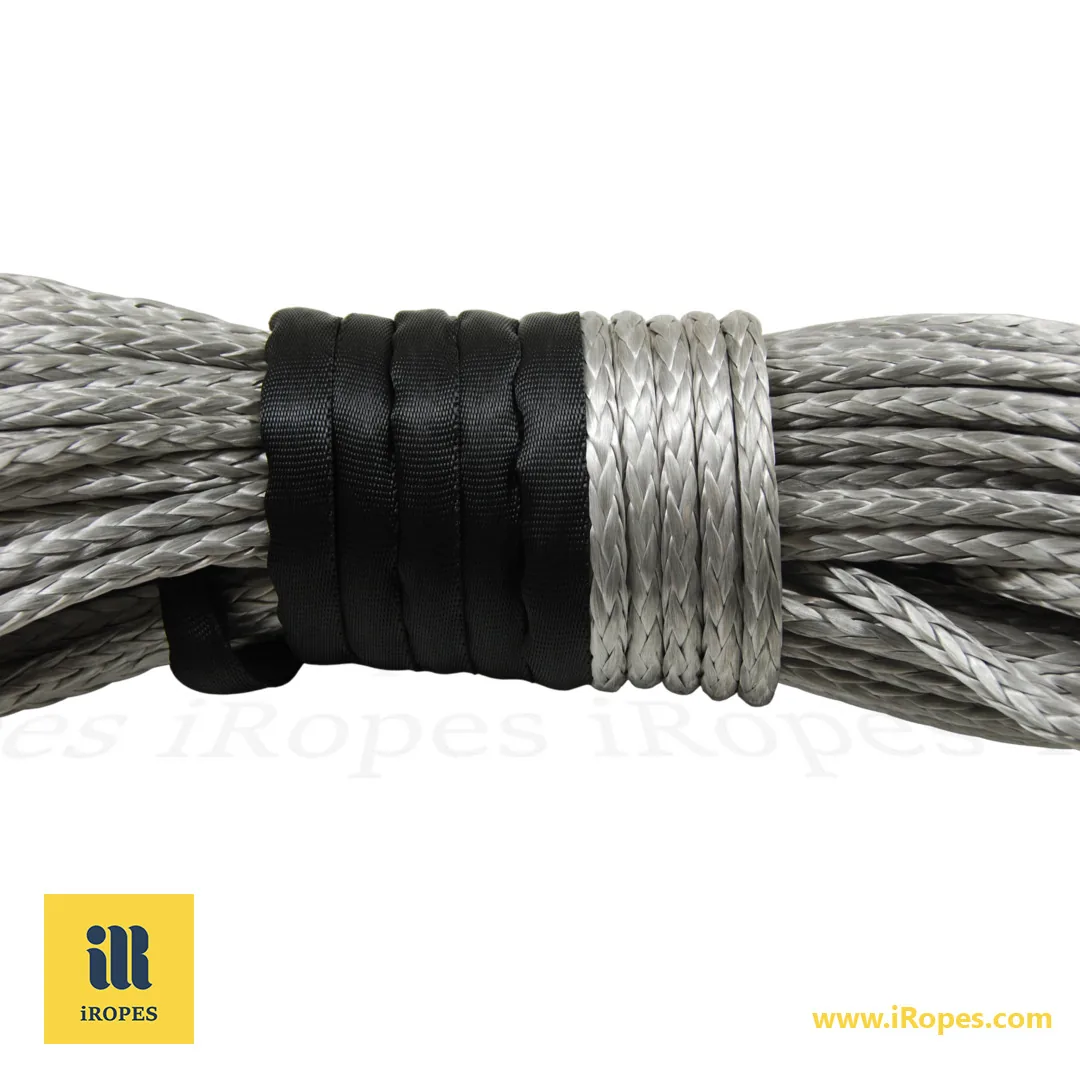
Blue poly rope floats (density ≈ 0.91 g/cm³) and typically offers higher static load capacity than elastic bungee of similar diameter, while elastic bungee stretches 100‑125 % for superior shock‑absorption.
Read in 3 min → Your rope‑choice advantage
- ✓ Cut up to 30 % of replacement costs by using float‑rated blue poly in marine rigs, as reported by a charter fleet using UV‑stabilised rope.
- ✓ Reduce cargo shock with 125 % stretch elastic bungee cords that absorb dynamic forces.
- ✓ Rely on iRopes’ ISO‑9001‑certified, China‑based 15‑year expertise across 2 348 rope variants.
- ✓ Request a custom‑rope quote and receive a response within 24 hours, ready for export.
You might assume the cheap, stretchy bungee is the best option for every job – but the data points to a more nuanced answer. In like‑for‑like comparisons, blue polypropylene generally delivers higher static load‑holding while still floating. Keep reading to see the criteria that separate these cordages and how to select a good rope for your next project.
Understanding What Makes a Good Rope
After looking at the many scenarios where a cord can be the difference between success and failure, it’s time to pin down what a good rope actually is. A rope isn’t just a bundle of fibres; it’s a safety‑critical component that must hold up under tension, weather, and time.
Definition and why strength, durability, and safety matter
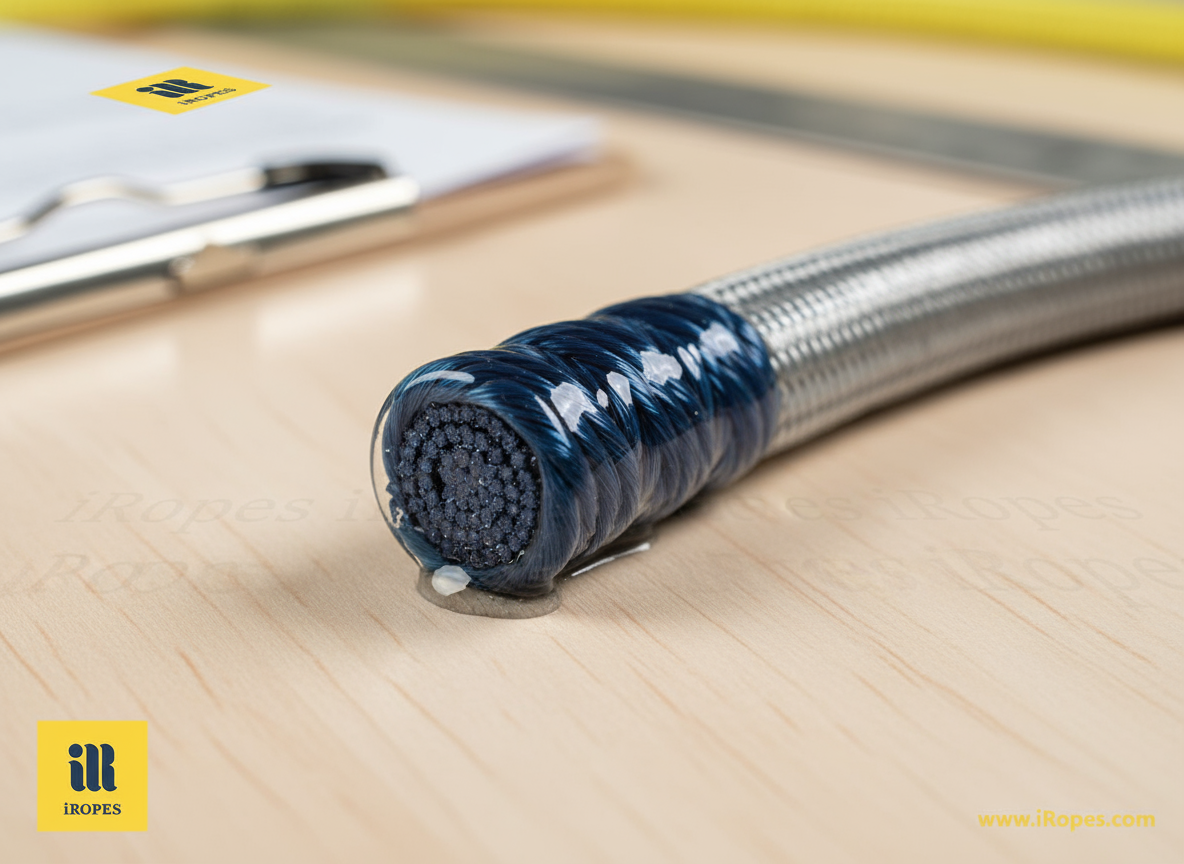
A good rope is defined by three pillars: the ability to bear the intended load, resistance to environmental degradation, and predictable behaviour when stress is applied. When a line snaps on a boat or in a factory, the fallout can be costly or even catastrophic. Each pillar carries equal weight in the selection process.
Key industry standards and iRopes’ compliance
Professional applications rely on ISO‑9001 and ASTM protocols to ensure consistent quality and performance. ISO‑9001 governs process control and quality management, while ASTM methods (for example, ASTM D2256 for tensile testing) validate break strength and elongation. iRopes’ production is ISO‑9001 certified, with calibrated in‑house testing and batch traceability.
Core performance metrics you should compare
- Tensile strength – the maximum load the rope can sustain before breaking.
- Stretch tolerance – how much the line elongates under load, influencing shock absorption.
- Load rating – the recommended safe working load, typically a fraction of tensile strength.
When you compare two cords, look first at tensile strength (measured in kilonewtons or pounds) and then at how much stretch is allowed before the rope reaches its limit. A high‑strength line with minimal stretch is ideal for static loads, while a moderate‑strength line with greater elongation excels in dynamic‑load environments.
Real‑world impact: preventing failures across sectors
In marine settings, a rope that loses strength after a few months of salt exposure can let a vessel drift. In industrial plants, a frayed line on a hoist may cause a load to drop, endangering personnel. Even in sports such as off‑road racing, a compromised tie‑down can lead to equipment loss. By choosing a rope that aligns with recognised standards and the three performance metrics, you dramatically lower the risk of unexpected breakage.
“An ISO‑9001‑certified process is essential, but matching the rope to the intended load class prevents costly failures.” – Dr Liu, R&D Lead at iRopes
Choosing a good rope isn’t a guess; it’s a systematic check of standards, strength, stretch, and the environment in which the line will operate. Once you’ve confirmed those basics, the next step is to explore the specific attributes of blue polypropylene rope for marine and outdoor uses.
Blue Poly Rope: Features, Benefits, and Ideal Applications
Now that you understand the fundamentals of a good rope, let’s explore why the blue poly rope is often the first choice for marine and outdoor projects.

Material science of polypropylene
Polypropylene can be formulated with UV stabilisers for improved sun resistance and colour retention. The polymer’s chemistry also makes it rot‑resistant, so saltwater or humidity won’t cause the fibres to decay like natural fibres do. Because its density sits at roughly 0.91 g/cm³, the rope naturally floats – a safety advantage you’ll notice when working over water.
Mechanical specs
Choosing the right size and strength depends on the load you expect. Below are practical selection points that balance performance with cost‑effectiveness.
- Diameter – multiple options to suit the load class and hardware.
- Tensile strength – specified per diameter; check break strength and working load.
- Load rating – select with an appropriate safety factor for the application.
Primary use cases
The blend of floatability, durability and affordability makes this rope a go‑to solution across several sectors.
Material Advantages
Why polypropylene excels
UV‑Resistant
UV stabilisers and coatings help block harmful rays, with service life often exceeding five years outdoors.
Rot‑Resistant
Resists rot and mildew in saltwater environments, reducing fibre degradation.
Floatable
Density under 1 g/cm³ means the rope naturally floats, aiding rescue and dock work.
Key Applications
Where you’ll find it in action
Mooring
Ideal for securing boats, buoys and floating platforms with reliable holding power.
Recovery
Provides strong, lightweight lines for vehicle pull‑outs on sand or mud.
Camping
Used for tents, hammocks and gear tie‑downs where weight matters.
FAQ highlight – Does blue poly rope float? Yes—its density around 0.91 g/cm³ gives it natural buoyancy, so it stays on the surface even when wet.
With the strengths of the blue poly rope now clear, the next step is to examine the stretch‑focused world of elastic bungee rope and see how its performance differs.
Elastic Bungee Rope: Performance, Stretch, and Use Cases
Having explored the buoyancy and durability of blue poly rope, we now turn to the stretch‑focused world of elastic bungee rope. This cord excels where energy absorption and flexibility are paramount, from securing a load on a pickup truck to setting up a high‑fly camping hammock.

The core of an elastic bungee rope can be pure natural rubber or a synthetic blend. Natural rubber offers the highest elasticity, snapping back with a soft, lively rebound. Synthetic blends—often a mix of neoprene, EPDM or thermoplastic elastomers—trade a small amount of stretch for superior resistance to ultraviolet light and ozone, often retaining around 85 % of the stretch while lasting longer outdoors.
Natural
Rubber core gives maximum stretch and a soft rebound, perfect for high‑energy loads such as off‑road rigging.
Synthetic
Blended polymers add UV stabilisers, extending outdoor life while retaining about 85% of the original stretch.
Stretch
100‑125 % elongation absorbs shocks, protecting cargo and equipment from sudden jerks.
Weather‑proof
Modern coatings resist UV and ozone, keeping the line functional for years even in harsh climates.
Because the cord can stretch up to 125 % of its original length, it acts like a built‑in shock absorber. In cargo tie‑down applications this means a truck bed load can shift without breaking the line, and in sports such as bungee jumping the rider experiences a smoother deceleration with specialised professional gear.
Apply a safety factor of at least 3× the expected static load when using elastic bungee rope for cargo tie‑down.
People often wonder, “What’s the difference between bungee and elastic rope?” They are the same product; “bungee” is the retail name, while “elastic rope” appears in technical specifications. If you ask, “What is the best material for bungee cords?” the answer is natural rubber for maximum stretch, with synthetic blends preferred when UV exposure is a concern. For a typical retail cord, the static weight rating is around 150 lb, and reinforced versions can handle 300 lb—always multiplied by the safety factor mentioned above.
Understanding these performance traits equips you to match the right cord to the right job, whether you’re securing a boat trailer, setting tarps or canopies, or creating a resilient playground obstacle. The next step is to bring everything together in a quick comparison that highlights when to reach for blue poly rope and when elastic bungee rope is the smarter choice.
By now you know what makes a good rope – the right tensile strength, stretch tolerance and ISO‑9001‑aligned quality control – and how iRopes leverages 15 years of experience in China and a catalogue of 2 348 cordages, from UHMWPE, Technora™, Kevlar™ and Vectran™ to polyamide and polyester, to deliver customised solutions. The blue poly rope shines in marine and camping tasks thanks to its buoyancy and UV‑stabilised durability, while elastic bungee rope provides up to 125 % stretch for shock‑absorption in cargo tie‑downs and sport rigs. As a strategic OEM/ODM partner, iRopes also safeguards your IP, offers custom branding and packaging, and ships pallets directly to your location worldwide.
Get a Personalised Rope Solution
If you’d like a bespoke recommendation or a detailed quote, please use the form above – our specialists are ready to help you design the ideal rope for your specific project. Typical lead times: 30 days for standard SKUs and 45–60 days for custom OEM orders.