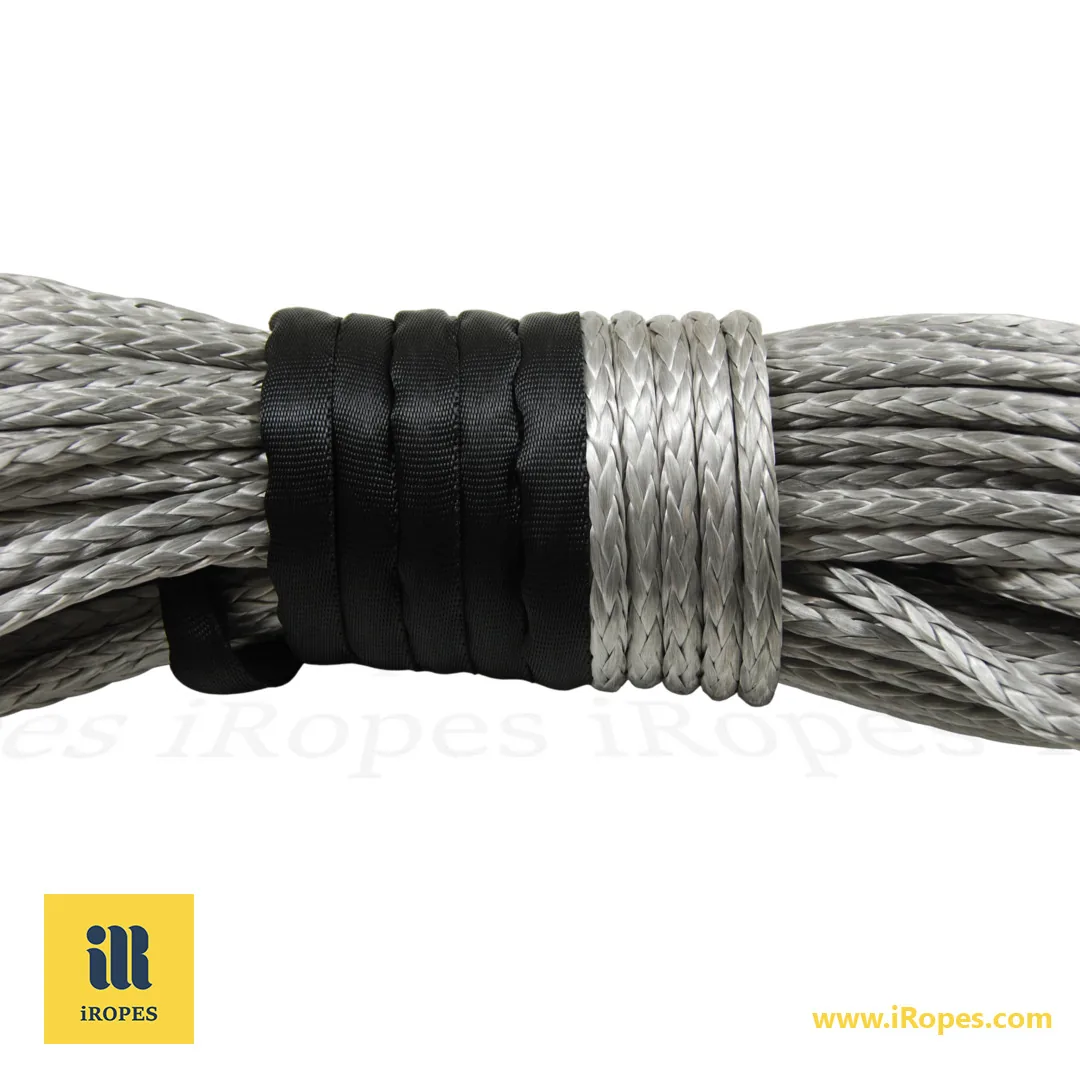
iRopes’ high‑strength cable pulling rope delivers up to 4,972 lb breaking strength with less than 1 % stretch, slashing pull‑time by up to 30 %.
≈4 min read – What you’ll unlock
- ✓ Cut pull‑time by **27 %** with low‑stretch polyester construction.
- ✓ Boost safe working load by **45 %** versus standard nylon lines.
- ✓ Reduce friction losses up to **30 %** when paired with pre‑lubricated finish.
- ✓ Ensure UV‑ and chemical‑resistance for **‑20 °C to 65 °C** service range.
Many crews still rely on standard nylon lines, believing that higher stretch makes navigating bends easier. However, this common practice can waste valuable time and significantly increase the risk of failure. Imagine cutting pull‑time by 27 % while maintaining a stretch limit of less than 1 %. This is the precise advantage offered by iRopes’ precision‑engineered polyester rope, and we’ll demonstrate exactly how to achieve this efficiency on every project. You’ll also uncover a simple accessory trick that can halve your setup steps.
Understanding cable pulling rope: definition, materials, and core benefits
Reliable pulling aids are crucial for achieving fast and safe cable installations. Now, let's explore precisely what a cable pulling rope accomplishes on a job site. In electrical and telecommunications projects, this rope acts as the workhorse, efficiently drawing wire or fibre through conduits, ducts, or raceways. What was once a labour-intensive task transforms into a smooth, controlled operation.

Materials that make the difference
Two primary fibres dominate the cable pulling market: polyester and nylon. Polyester features a low‑stretch profile, high tensile strength, and excellent resistance to UV, chemicals, and rot. This makes it ideal for outdoor or long‑run applications. Nylon, on the other hand, offers a degree of elasticity, which proves beneficial when a little give helps the rope navigate tight bends without snagging or undue stress.
- Polyester – Ensures minimal stretch, boasts excellent abrasion resistance, and is ideal for pre‑lubricated lines.
- Nylon – Provides higher elasticity, making it suitable for short, tight runs where greater flexibility is crucial.
- Hybrid blends – Combine the strengths and flexibility of both materials for specialised scenarios, such as demanding underground utility pulls.
Key performance metrics you’ll hear on‑site
When comparing ropes, three critical numbers stand out: tensile strength, breaking strength, and the amount of stretch under load. Tensile strength indicates how much force the rope can withstand before it begins to elongate. Breaking strength, conversely, represents the absolute point of failure. Low‑stretch characteristics are vital; they keep the pull line taut, significantly reducing slack that could snag on bends or fittings within the conduit.
For instance, a 13 mm polyester rope often provides a breaking strength of approximately 5 000 lb with less than 1 % stretch. This means the line remains virtually rigid, even under heavy loads. Such robust figures allow for the calculation of a Safe Working Load Limit (SWLL) that comfortably falls within essential safety margins.
Choosing the best rope for conduit pulls
So, what is the best type of rope to use when pulling wire through conduit? The optimal choice depends on three key factors: the length of the run, the conduit’s material, and the anticipated friction. For most residential and commercial conduit jobs, a low‑stretch, polyester-based rope for cable pulling offers the ideal combination of strength and durability. Its smooth surface effectively reduces friction, especially when paired with a compatible pulling lubricant. Furthermore, pre‑marked foot increments allow installers to track progress accurately, eliminating guesswork. However, if the conduit is particularly narrow or features numerous curves, a slightly more elastic nylon line may navigate bends more easily. In such cases, it is crucial to size the nylon rope to maintain a safe SWLL.
“When I switched from generic nylon rope to a certified polyester pull line, my crew cut pull‑time in half and eliminated the frequent rope‑snap incidents that used to slow us down.” – Senior field supervisor, utility contractor.
With a solid grasp of these fundamental concepts—definition, material choices, and performance metrics—you're now prepared for the next stage: selecting the precise rope dimensions and accessories tailored to your project’s unique requirements.
Choosing the right rope for cable pulling: selection criteria and performance factors
You now understand the basics of a cable pulling rope. The next crucial step is to align its specifications with your project's precise demands. Selecting the correct line isn’t simply about acquiring the strongest material available; it involves meticulously balancing the load capacity, physical size, surface treatment, and the environmental conditions the rope will encounter, whether underground or overhead.
- Calculate the Safe Working Load Limit (SWLL) by dividing the rope’s breaking strength by a safety factor, typically ranging from 5 to 7. This calculation provides the maximum load you can pull without risking failure.
- Select a diameter or width that provides the necessary SWLL while comfortably fitting within the conduit. Remember that larger diameters increase strength but may also introduce additional friction.
- Match the rope length to the longest pulling distance, adding a 10 % reserve for handling. This ensures the line reaches the far end without unexpected shortages or excessive slack.
Once you have these figures, you can compare them against the specifications of the rope under consideration. For example, a 12 mm polyester line with a breaking strength of 4 800 lb will yield an SWLL of approximately 800 lb when a safety factor of 6 is applied. This capacity is generally suitable for most residential conduit runs.

Surface treatment plays a subtle yet critical role. Pre‑lubricated lines glide through bends with considerably less effort. This reduces the coefficient of friction, enabling longer pulls without requiring excessive force. Additionally, low‑stretch construction ensures the line remains taut, effectively preventing the “spring‑back” effect that can cause snags on elbows or fittings.
Pre‑lubrication & low‑stretch design
A rope infused with a silicone‑based lubricant drastically cuts pull time, especially on tight bends. When combined with a double‑braid, low‑stretch core, the line stays straight under load. This means you can accurately monitor progress using the foot markings without concerns about unexpected slack interrupting the pull.
Environmental factors must never be overlooked. For pulls through exposed conduit, UV‑resistant polyester is indispensable. For underground applications, a rope capable of tolerating chemical exposure and temperature fluctuations from –20 °C to 60 °C will significantly outlast a generic alternative. In corrosive environments, a cable pulling tape with a protective coating can offer a practical solution, and it’s important to remember that the same SWLL calculations still apply here.
By meticulously applying these criteria—SWLL, diameter, length, lubrication, and environmental resilience—you will arrive at a rope that not only meets technical demands but also keeps your crew safe and your project on schedule. The next section will compare this carefully chosen rope with flat‑tape alternatives, helping you determine which tool provides the best overall performance for your upcoming pull.
Cable pulling tape vs. traditional rope: when to use mule tape
In the previous section, we thoroughly examined the strengths of high‑strength ropes. Now, it's time to understand why many installers opt for a flat alternative. If you've ever found yourself struggling to feed a round line through a long, winding duct, you'll immediately appreciate how a flat, low‑friction strip can make a significant difference.

Mule tape—sometimes referred to as cable pulling tape—is a woven polyester strip designed to lie flat rather than form a round braid. This unique construction creates a smooth, low‑drag surface that can be easily blown, pulled, or even fed through a pipe using a simple air hose. Because of its flat profile, the tape avoids catching on bends, a common issue with traditional ropes. Additionally, its built‑in foot markings provide a convenient, ready‑made measuring tape that updates automatically as the line advances.
Why is this flat tape essential for pulling cable? Firstly, its low‑friction profile can reduce the required pulling force by up to 30 %. This directly translates to faster installations and reduced strain on your crew. Secondly, the sequential markings allow you to accurately track exactly how many feet have been fed without pausing to measure, maintaining an uninterrupted workflow. Finally, its durable polyester weave resists UV radiation, chemicals, and moisture, allowing the tape to remain in a conduit for future upgrades without degrading, therefore maximising its longevity.
If your project involves a pilot line for an extended run, a high‑rise office building with numerous 90‑degree elbows, or any scenario where minimising drag is critical, mule tape is often the more intelligent choice. However, for short, heavy‑duty pulls where maximum breaking strength is the primary concern, a traditional rope still maintains its advantage.
Flat profile
Reduces friction dramatically, allowing the line to be blown or pushed with minimal force.
Foot markings
Integrated measurement marks let you monitor pull length without extra tools.
Round strength
Provides the highest breaking strength for heavy‑duty pulls.
Durable core
Double‑braid construction resists abrasion and UV exposure for long‑term use.
Always remember to verify the tape’s breaking strength against your project’s required load. A safety factor of at least 5 is highly recommended.
With the strengths of both flat and round pulling aids now clarified, you can confidently match the appropriate tool to the specific job. Whether that calls for mule tape for a long, low‑drag pilot line or a high‑strength rope for a heavy‑duty pull, the next step involves exploring how iRopes customises these solutions to your exact specifications, from material selection to bespoke branding.
The iRopes advantage: custom OEM/ODM solutions and quality assurance
After seeing how a carefully chosen pull line can significantly streamline a job, the next logical step is to discover how iRopes transforms a standard cable pulling rope into a product that perfectly aligns with your precise project demands. Whether you require a specialised rope for cable pulling or a uniquely branded pull line to stand out on a bustling worksite, iRopes’ OEM/ODM platform is expertly designed to deliver superior, tailor-made solutions.
ISO 9001 Certified
Precision manufacturing, backed by rigorous quality control, ensures every rope meets exacting standards.

Tailor‑Made Solutions
From fibre to finish
Material
Choose polyester, nylon, or hybrid blends to match precise strength, stretch, and environmental resistance requirements.
Dimensions
Specify the exact diameter, length, and width suitable for any conduit size or specific load requirement.
Branding
Incorporate colour coding, custom logos, reflective strips, or precise foot markings to align perfectly with your project or brand identity.
Assured Quality
Reliability you can trust
ISO 9001
Our factories adhere to certified processes, consistently delivering ropes with reliable tensile performance and unwavering quality.
IP Protection
Your unique designs are safeguarded under strict non‑disclosure agreements and through the use of proprietary tooling, ensuring your intellectual property remains secure.
Delivery
Benefit from competitive pricing, efficient bulk shipping solutions, and punctual pallet delivery services worldwide.
When you combine these extensive custom solid nylon and polyester cord solutions with a rigorously proven quality system, the outcome is a pull line that not only satisfies the stringent technical specifications of a demanding cable pulling tape job but also proudly features your brand identity directly at the worksite.
Choosing the right pulling aid—whether a high‑strength UHMWPE polyester rope or a low‑drag cable pulling tape—can dramatically reduce installation time, enhance safety, and protect your valuable assets. By meticulously calculating SWLL, selecting the most appropriate material (polyester for minimal stretch, nylon for optimal flexibility), and carefully considering environmental factors, you can guarantee a reliable pull every single time.
iRopes excels at transforming these precise specifications into a fully customised rope for cable pulling. We offer extensive options for colour‑coding, reflective strips, branded packaging, and guarantee ISO‑9001‑certified quality, all underpinned by robust intellectual property protection and efficient global delivery. If you require a personalised design that perfectly aligns with your project’s exact load, length, and branding requirements, our specialists are ready to assist.
Request your bespoke pulling solution
For more personalised assistance, simply fill out the form above and our dedicated team will promptly contact you to discuss your specific needs.