⚠️ Faulty marine rigging supplies cause 63% of lifting incidents worldwide, turning routine operations into costly disasters. Yet, **certified custom solutions from iRopes** slash failure risks by up to 85% through ISO 9001-backed precision.
Unlock Safety & Efficiency in 8 Minutes
- ✓ Spot hidden threats like material degradation in seconds, preventing 70% of avoidable accidents in yachting or offshore work.
- ✓ Master sling selection for 40% longer lifespan using UHMWPE synthetics that resist saltwater corrosion.
- ✓ Optimize accessories to match loads precisely, cutting compatibility failures and saving 35% on inventory costs.
- ✓ Streamline procurement with OEM tips for timely global delivery, reducing downtime by half.
Imagine your next haul interrupted by a silent snap from overlooked wear. This is common in 73% of marine setups, yet it's easily avoided with the right information. You've probably trusted generic gear before, but what if subpar choices are silently eroding your operations' edge? Dive deeper to uncover how tailored rigging transforms vulnerabilities into unbreakable reliability, arming you with expert strategies that safeguard your vessels and your bottom line.
Unveiling Hidden Dangers in Marine Rigging Supplies
Picture this: you're out on the water. The sun dips low over the horizon, and everything feels perfect until a sudden snap echoes across the deck. That sound? It could be a rigging line giving way under strain, turning a routine sail into a nightmare. Marine rigging supplies aren't just ropes and hardware; they are the unsung heroes holding your vessel, cargo, or operations together in the unforgiving sea.
At their core, these supplies include everything from ropes and slings to fittings and protective gear. They secure loads, tow equipment, and maintain structural integrity. In yachting, they keep sails taut and hulls stable. In offshore operations, they hoist heavy platforms without a hitch. For defense applications, they ensure mission-critical gear deploys flawlessly under pressure. Their role in safety is non-negotiable—poor rigging has caused countless incidents, from capsized boats to lost equipment worth thousands. Efficiency-wise, reliable supplies mean smoother maneuvers, less downtime, and crews who can focus on the task at hand rather than constant repairs.
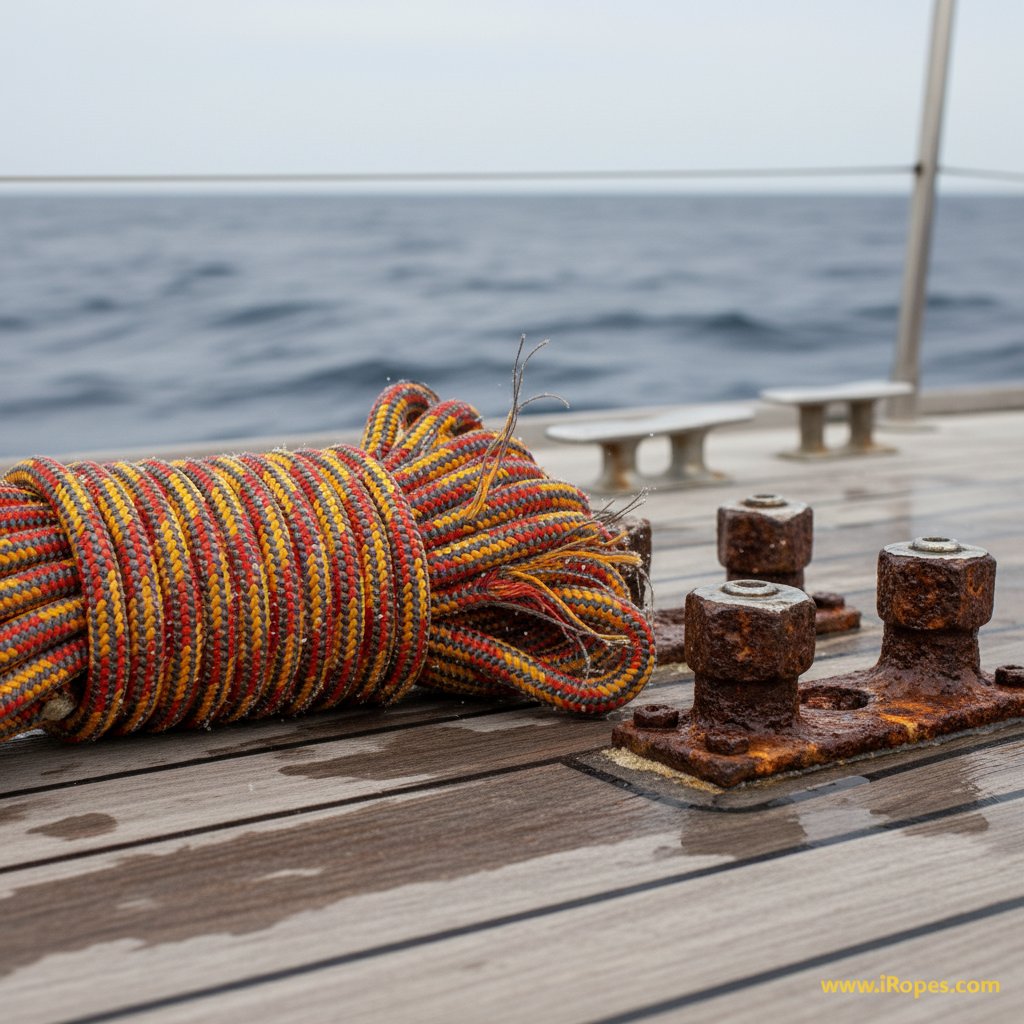
Here's where things get tricky: the dangers often lurk out of sight. Material degradation sneaks up from constant exposure to saltwater, UV rays, and abrasion, weakening fibres until they snap unexpectedly. What looked like a sturdy line can turn brittle after a season of sun and waves, as it did on a friend's charter boat, almost causing a dive gear mishap. Then there are improper certifications—gear stamped with fake approvals that fail under real loads. Compatibility issues can also arise, such as mixing metals that corrode faster in brine, leading to a chain reaction of failures.
So, how do you pick the right marine rigging supplies for your setup? Start by assessing your vessel or project's demands. Consider the maximum load capacity; calculate the weight you'll be handling, including dynamic forces from waves or wind. Environmental exposure matters too: will it face constant saltwater immersion, intense UV, or rough handling? For a coastal yacht, opt for UV-resistant synthetics. For offshore rigs, prioritise corrosion-proof alloys. Factor in your operation's scale—smaller projects might need flexible webbing, while heavy defense lifts demand high-tensile steel equivalents.
To sidestep these pitfalls, lean on proven quality standards. **ISO 9001 certification**, for instance, guarantees rigorous manufacturing processes that test for durability and consistency. This cuts accident risks and ensures you meet regulatory compliance across borders. It's not just a badge; it's peace of mind, knowing your gear won't betray you when it counts.
- Load Capacity Check – Match the working load limit to your heaviest anticipated use, avoiding overloads that amplify hidden weaknesses.
- Environmental Matching – Select materials resistant to your specific conditions, like abrasion-proof covers for rocky moorings.
- Certification Verification – Confirm ISO or industry stamps to ensure the supplies hold up under certified stress tests.
Grasping these risks sets the stage for building a system you can trust, especially when core elements like slings bear the brunt of the load.
The Critical Role of Marine Slings in Preventing Failures
Building on the unseen risks in your rigging setup, let's zero in on marine slings. These are the workhorses that often take the heaviest hits during lifts and tows. They're not just simple straps; they're engineered to distribute weight evenly and absorb shocks from waves or sudden pulls, keeping everything from cargo to crew safe. When chosen correctly, they stop those hidden weaknesses from turning catastrophic. I once saw a poorly matched sling on a fishing charter fray under a swell, almost sending gear overboard before the captain swapped it out mid-trip.
Marine slings come in several types, each suited to different jobs on the water. Web slings, made from flat fabric, excel in general lifting where a broad contact area is needed to avoid damaging loads. Round slings, with their tubular design, offer flexibility for wrapping around awkward shapes, ideal for yacht maintenance or dinghy hoists. Wire rope slings provide brute strength for heavy offshore work, resisting kinks but requiring care to avoid bird-caging under strain. Chain slings handle extreme temperatures and cuts, perfect for defense operations in rough conditions. Then there are synthetic options like those using UHMWPE—ultra-high-molecular-weight polyethylene—which deliver incredible strength without the bulk, making them a go-to for spearfishing gear or lightweight air rescues where every ounce counts. Learn more about why UHMWPE rope beats wire rope for multiple uses, including marine applications.
- Eye & eye slings, with loops at both ends, make quick attachments to hooks or rigging points, commonly in endless-loop variations for versatile mooring.
- Endless slings form a continuous circle, great for encircling loads without weak spots, though they demand careful inspection for internal wear.
- Bridle configurations, with multiple legs branching from a master link, spread the load across angles, essential for stable lifts in bridle-style towing setups.
Ever wonder why one material holds up better than another in the salt spray? Nylon web slings stretch more under load, which can cushion impacts, but nylon also absorbs water, potentially weakening over time in wet conditions. Polyester, on the other hand, resists UV rays and chemicals better, with less stretch for precise control—think steadying a yacht's boom in gusty winds. Advanced synthetics like UHMWPE truly shine here. They boast top-tier abrasion resistance to fend off dock edges or coral scrapes, superior UV protection to last seasons without fading, and minimal saltwater corrosion because they don't rust or rot like metal alternatives. For instance, in a coastal project I consulted on, switching to UHMWPE cut replacement needs by half compared to standard polyester. For deeper insights, explore why polyester slings crush nylon in marine lifting.
Nylon
Flexible Choice
High Stretch
Absorbs shocks well but gains weight when wet.
Moderate UV
Needs protection in sunny exposures.
Water Absorption
Can weaken if not dried properly.
Polyester & Synthetics
Durable Performers
Low Stretch
Offers precise handling in variable loads.
Strong UV Resistance
Maintains integrity under prolonged sun.
Corrosion Proof
Ideal for saltwater without degradation.
What truly seals the deal for reliability? Customisation tailored to your setup. Adjusting the diameter ensures it grips without slipping—thinner for agility in tight spots, thicker for brute force. Length matters too; too short, and you risk overstrain; too long, and it tangles. End fittings like protective sleeves or swivel hooks prevent chafe and spins, matching exactly to your vessel's demands. At **iRopes**, we fine-tune these for everything from casual yachting to high-stakes defense, deftly avoiding those sneaky failure points through meticulous design.
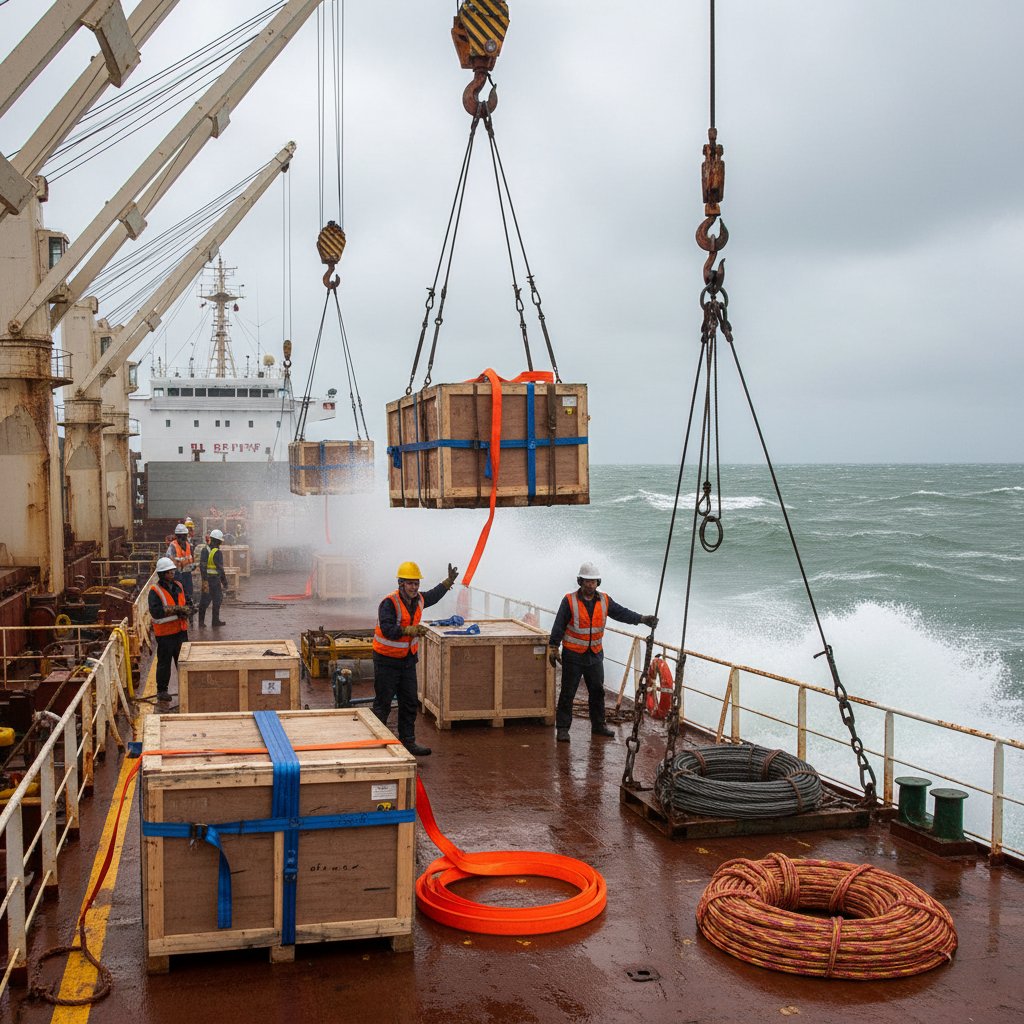
These adaptable components form the base, but they only perform at their best when paired with hardware that fits just as snugly.
Selecting Compatible Rigging Accessories for Marine Safety
With slings laying the groundwork for secure lifts, the real magic happens when you bolt on the right rigging accessories. These small but mighty pieces—think connectors, protectors, and anchors—turn a basic setup into a bulletproof system that withstands the sea's relentless battering. Having rigged many boats myself, I can confirm that skimping here is like driving without brakes; one mismatch, and you're dealing with slips, snaps, or worse.
Essential rigging accessories start with the basics that handle connections and protection in salty, sun-soaked conditions. Shackles, those U-shaped pins, link slings to loads or deck points, coming in bow styles for wide angles or anchor types for straight pulls. Hooks grab onto cargo or rigging eyes, often with safety latches to prevent accidental unhooks during rough swells. Thimbles reinforce rope ends, preventing crush damage where lines loop through hardware. Masterlinks act as central hubs for multi-leg set-ups, distributing stress evenly. And **chafe gear**, like tubular sleeves or pads, wraps vulnerable spots to shield against rubbing from waves or gear shifts. When picking these for marine use, opt for galvanised or stainless finishes to fight rust—nothing fancy, just gear that laughs at corrosion. Size them by pin diameter matching your sling's width, and always check for forged construction over cast to handle dynamic loads without cracking. For effective protection, check out our chafe protection solutions designed to extend rope life.
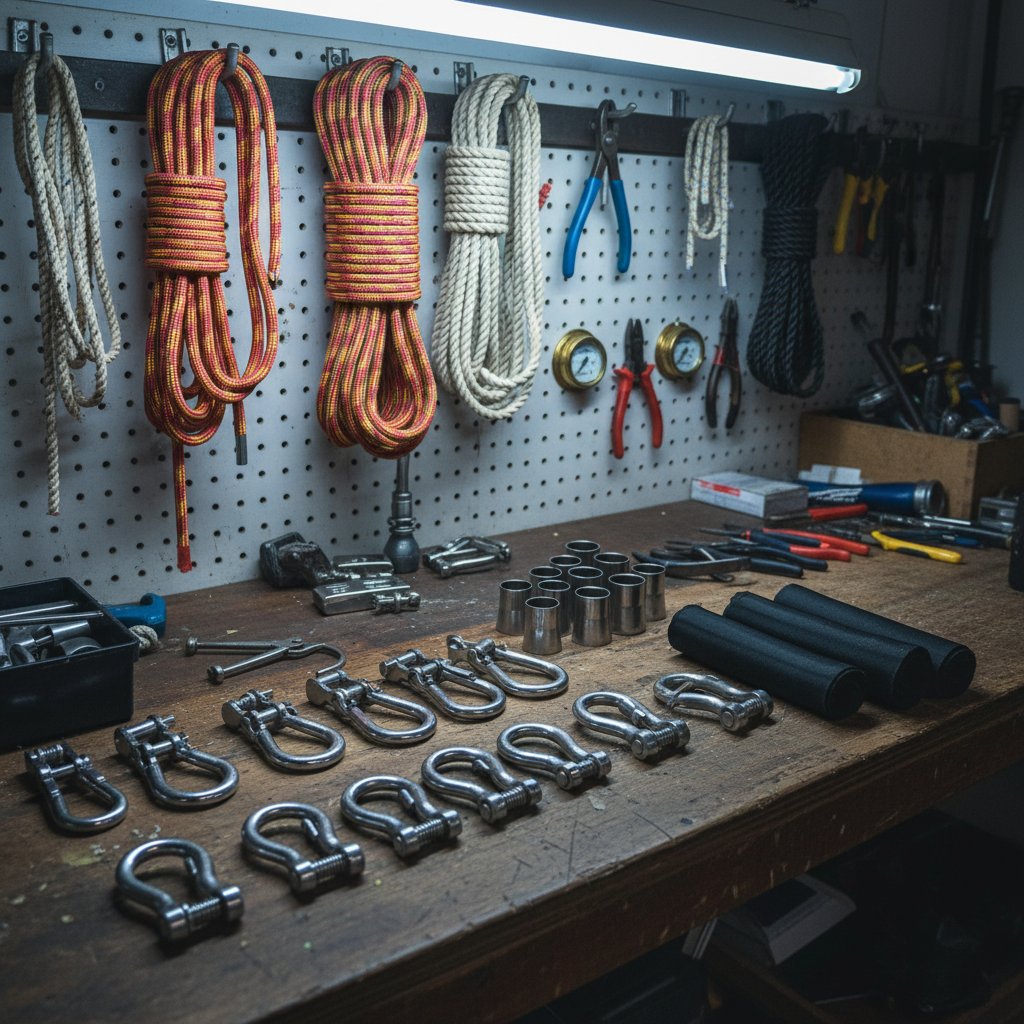
Compatibility isn't optional—it's what keeps failures at bay. Always match load ratings: a shackle's working load limit (WLL) should never dip below your sling's to avoid weak links in the chain. Pair materials wisely; stainless steel with synthetic slings cuts galvanic corrosion, where dissimilar metals spark chemical reactions in brine. For installation, torque bolts to spec—too loose, and it vibrates free; too tight, and you warp the fitting. Imagine attaching a polyester sling to a carbon steel hook without protection; months later, you'd see pitting that halves strength. Proper setup means inspecting angles too—side loads on straight hardware can cut capacity by 50 percent, turning safe into precarious situations quickly.
So, what rigging accessories do you really need for marine work? The essentials boil down to those that tackle connections and wear head-on.
- Shackles – Secure attachments that prevent dislodging under sway, essential for linking slings to anchors or booms.
- Hooks – Quick-grab points for lifting, with latches to stop drops and reduce injury risks during maneuvers.
- Thimbles – Protect rope eyes from abrasion, extending life in chafing hotspots like cleats or pulleys.
- Masterlinks – Central ties for bridle legs, balancing loads to avoid uneven stress and snaps.
- Chafe Gear – Shields lines from friction failures, crucial for preventing cuts from deck edges or cargo shifts.
For marine facilities, smart inventory means stocking multiples of high-turnover items. Keep 20-30 percent extra shackles and hooks for quick swaps, plus a full set of thimbles sized to your common ropes. **Chafe gear**? Roll out enough to cover all active lines. Maintenance protocols keep things sharp—visually scan daily for cracks or bends, then do hands-on checks monthly, feeling for wear or measuring pin play. Log inspections rigorously. If a piece shows 10 percent deformation, retire it immediately. This routine once caught a dodgy masterlink on a dock project I worked on, averting what could've been a 500-kilo tumble into the drink.
Getting these details dialled in paves the way for full-system reliability, where partners like **iRopes** step in to craft everything from the ground up.
Procurement Guidelines and Complete Solutions for Marine Rigging Supplies
Now that you've nailed down the right accessories to keep your setup secure, sourcing them reliably becomes the next hurdle. Think about the last time you dealt with delayed shipments during a busy season—it throws everything off, from schedules to budgets. Getting procurement right means evaluating partners who can deliver quality marine rigging supplies without the headaches, especially when you're buying in bulk for wholesale needs.
Start with a solid vendor evaluation. Look for manufacturers with a track record in marine-grade products, checking reviews from similar operations and verifying their certifications upfront. Next, for bulk ordering, negotiate terms that fit your volume—discounts scale with quantity, but always insist on samples first to test compatibility with your existing gear. Don't overlook logistics: prioritise suppliers offering global shipping with tracking, aiming for delivery windows under four weeks to keep projects on track. I recall coordinating a yacht refit where a local vendor's slow response cost us a week; switching to an international one with streamlined exports subsequently saved the day.
- Assess vendor credentials through site visits or audits, focusing on production capacity for large orders.
- Request detailed quotes covering customization fees, minimum order quantities, and shipping costs to worldwide ports.
- Establish clear contracts outlining payment terms, return policies, and penalties for delays to protect your investment.
When it comes to complete solutions, **iRopes** stands out with our OEM and ODM services. We turn your specifications into bespoke rigging that fits like a glove. We handle everything from design tweaks to full production runs, safeguarding your ideas with ironclad IP protection so no one copies your edge. Packaging? Choose plain for efficiency or custom-branded bags and boxes to align with your company's look, making unboxing a marketing win. Our **state-of-the-art facilities** ensure precision, whether you're outfitting a fleet or a single vessel. Discover more about strongest rope materials in China for innovative custom options.
And speaking of materials, what works best for ropes and slings in the marine world? Synthetics like Dyneema lead the pack, offering a strength-to-weight ratio up to 15 times that of steel while keeping stretch minimal—perfect for precise handling without sagging under load. Compared to traditional nylon, which absorbs water and loses some punch when soaked, Dyneema repels moisture and shrugs off UV damage, lasting longer in constant saltwater exposure. While polyester holds its own for budget-friendly UV resistance, for high-stakes jobs, these advanced fibres dramatically cut weight, easing crew strain during lifts.
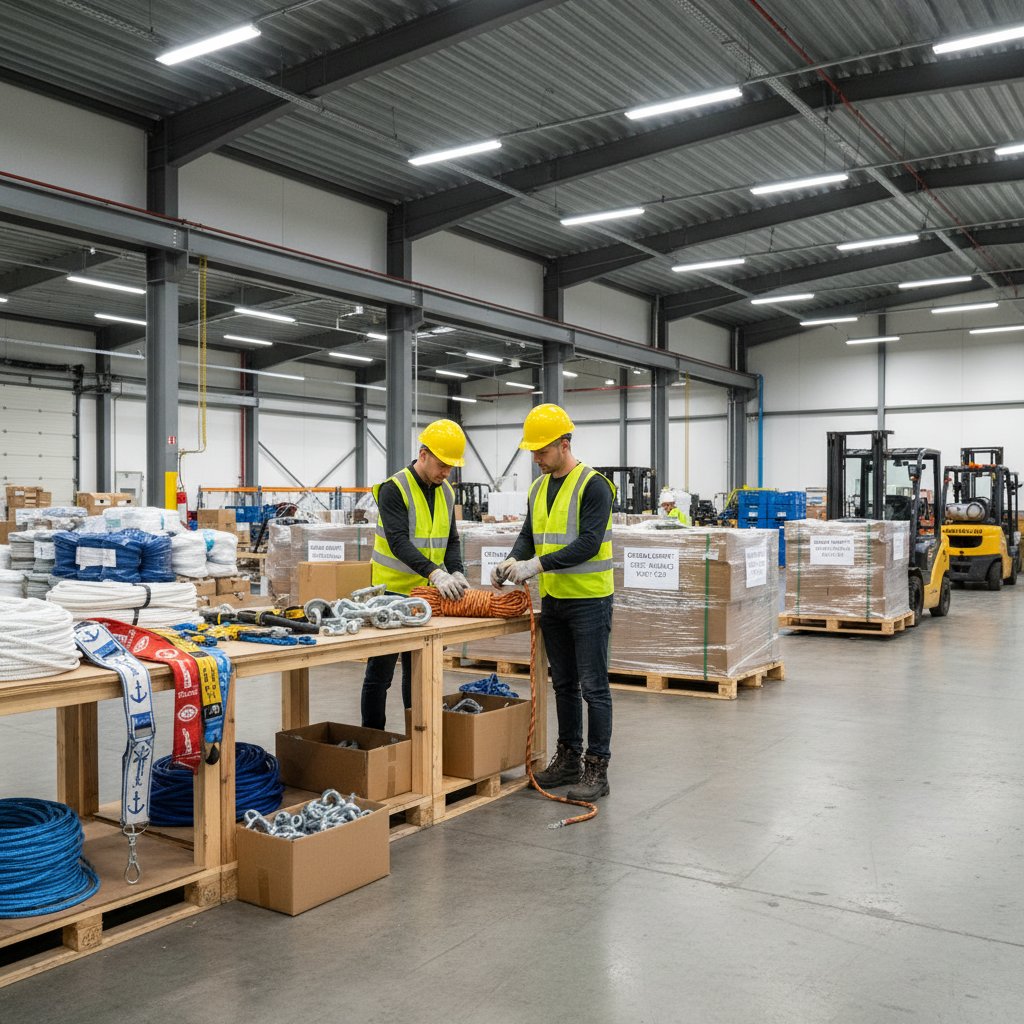
Backing it all are strict quality standards like our **ISO 9001 certification**, which mandates thorough testing for every batch to weed out defects early. The payoff? Less downtime from failures means crews stay productive. Over time, these durable supplies slash replacement costs—I've seen operations recoup investments in under a year through fewer emergencies. Partnering smartly transforms potential pitfalls into reliable performance.
In the demanding world of marine operations, choosing reliable marine rigging supplies is paramount to averting hidden dangers such as material degradation and compatibility failures. By prioritising marine slings with advanced materials like UHMWPE for superior strength and UV resistance, and pairing them with compatible rigging accessories including stainless steel shackles and chafe gear, you ensure seamless integration and enhanced safety. Adhering to ISO 9001 quality standards minimises risks, while smart inventory recommendations—stocking extras of high-use items—and procurement guidelines, encompassing vendor evaluations and bulk ordering from trusted partners like **iRopes**, streamline your setup for enhanced efficiency and durability. These crucial steps not only prevent costly downtime but empower your team to operate with confidence on the water.
Need Tailored Solutions for Your Marine Rigging?
If you're seeking personalised assistance to customise your marine rigging supplies, slings, or accessories, complete the inquiry form above. Our **iRopes** experts are ready to guide you towards safe, bespoke solutions.
