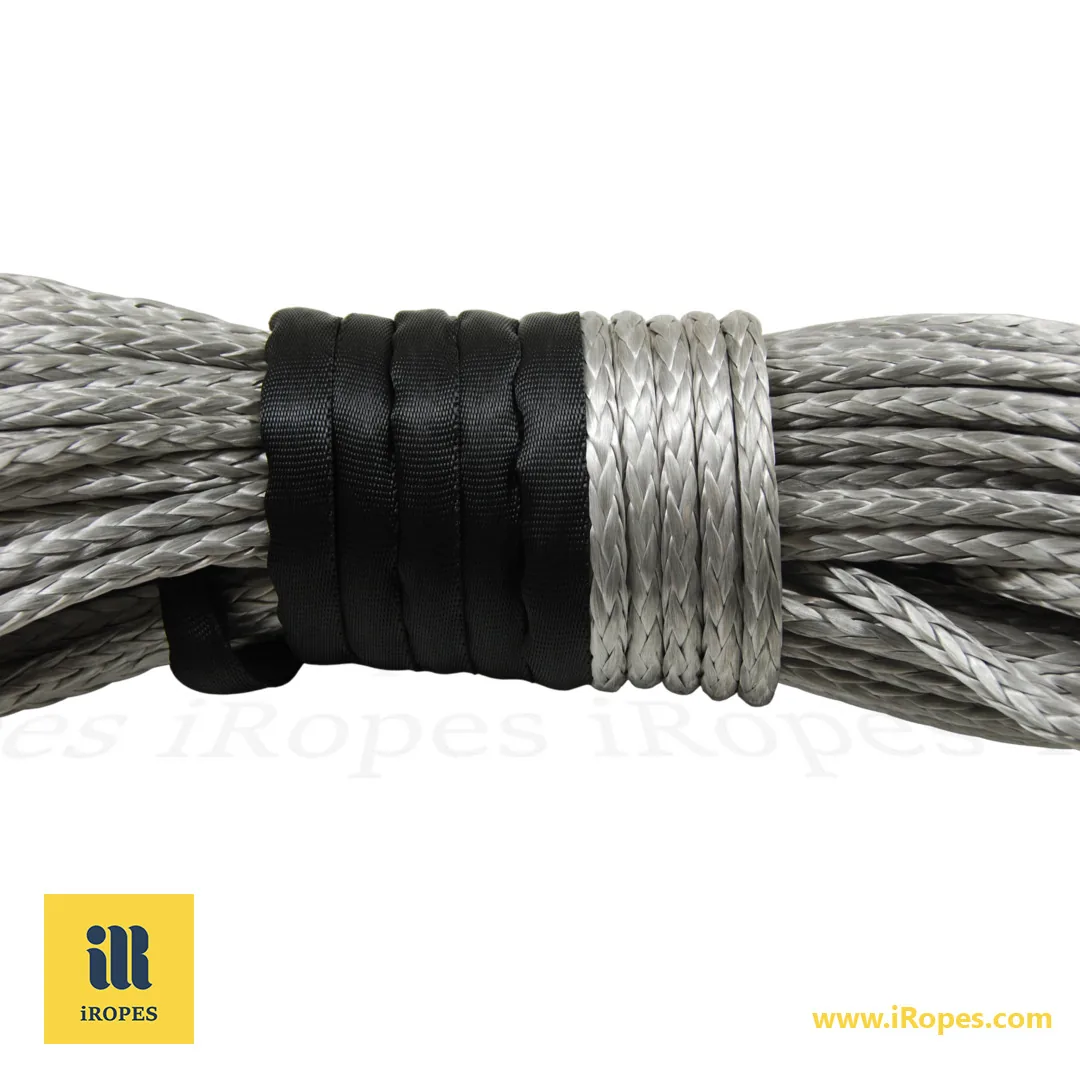
You can lift up to 10 t with a 12 mm Dyneema® line – iRopes’ 2,348 custom cordages use 0.95 g/cc HMPE fibres with a strength‑to‑weight ratio up to 15× that of steel.
Quick‑read: ≈ 2 min
- ✓ Choose HMPE/Dyneema for the highest specific strength (up to 15× steel) and very low stretch.
- ✓ Kevlar delivers fire resistance and low elongation – ideal for rescue slings.
- ✓ Vectran adds excellent UV stability, maintaining performance over multi‑year sun exposure.
- ✓ iRopes provides ISO 9001‑backed OEM/ODM, custom colours, diameters 2–80 mm, and full IP protection.
Most engineers still assume steel‑core rope is the benchmark for ultimate strength, yet the data shows a Dyneema‑based line can lift the same load while weighing about 85 % less. Understanding what a rope is made out of helps you choose smarter and ship lighter. As a leading China‑based manufacturer with 15 years of experience, iRopes turns advanced fibres into dependable, “Made‑in‑China” quality solutions at scale. This guide explains the key calculations and trade‑offs that matter, so you can pick the right material for your job.
Understanding What Rope Is Made Out Of
When you pick up a rope, you’re holding a carefully engineered bundle of fibres, each chosen for a specific balance of strength, stretch and durability. At iRopes we start every design by asking, “What will this rope need to do?” The answer drives the selection of core fibres, protective coatings and any extra features that turn a simple line into a high‑performance tool.

Our core fibre lineup reads like a toolbox for strength‑hungry projects:
- UHMWPE (Dyneema®) – ultra‑high‑molecular‑weight polyethylene, the lightest fibre with the highest specific strength.
- Technora™ – an aramid that blends high tensile strength with excellent heat resistance.
- Kevlar™ – the classic aramid known for low stretch and fire‑resistant properties.
- Vectran™ – a liquid‑crystal polymer offering a unique mix of strength and UV stability.
- Polyamide (Nylon) – flexible and shock‑absorbent, ideal where a little give is beneficial.
- Polyester – low stretch and chemically resistant, a go‑to for marine and industrial lines.
- UHMWPE – highest strength‑to‑weight ratio, floats on water, minimal creep.
- Technora – retains strength at high temperatures, with very low elongation.
- Kevlar – excellent impact resistance, does not melt when exposed to flame.
- Vectran – excellent UV resistance, maintains performance in harsh sunlight.
- Polyamide – high elasticity, absorbs shock, but absorbs water.
- Polyester – resists moisture and chemicals, stable dimensions under load.
Coatings are the silent heroes that keep those fibres alive in the field. A thin layer of polyurethane adds abrasion resistance for rugged industrial use, while PVC offers reliable weather sealing for outdoor rigs. Reflective or glow‑in‑the‑dark compounds turn a rope into a safety beacon for night‑time rescue or off‑road adventures.
“A rope is only as good as the fibres it hides and the coating that protects them – choose both wisely and you’ve got a tool that lasts a lifetime.”
So, what is a rope made out of? In simple terms, it’s a combination of high‑performance synthetic fibres, a construction method (braid, twist or parallel core), and an outer coating that shields the inner strands from wear, UV and chemicals. By matching the right fibre family to the environment you’re working in, you ensure that the rope delivers the expected breaking strength without unexpected stretch or degradation.
With the material basics covered, we can now evaluate which fibres deliver the highest strength‑to‑weight ratios.
Identifying the Strongest Rope Made for High‑Performance Applications
Building on the fibre overview, you’ll want to know which material actually delivers the most bang for the buck when strength is non‑negotiable. Below is the quick‑reference hierarchy that answers the common “Which type of rope is strongest?” query and gives you the numbers you need to compare.
- HMPE/Dyneema – up to 15 × steel strength‑to‑weight, around 10 t breaking load on a 12 mm 12‑strand line, density 0.95 g/cc, very low stretch.
- Kevlar‑based aramid – tensile strength around 2,920 MPa (≈ 4 × steel), excellent impact resistance, density 1.44 g/cc, low elongation under load.
- Vectran – about 3.5 × steel strength, excellent UV stability, density 1.40 g/cc, minimal creep over long‑term exposure.
Why does this ranking matter? HMPE, often marketed under the Dyneema® name, wins the “strongest rope made” badge because it couples extreme tensile capacity with the lightest possible mass—perfect for offshore winches or racing‑yacht rigging where every kilogram counts. Kevlar follows when fire resistance and low stretch are critical, such as in rescue slings that must stay true under sudden loads. Vectran lands third, offering a sweet spot of strength and UV endurance for long‑term marine applications.

To see how these numbers translate on the job site, consider three recent iRopes projects that put each fibre through its paces.
Real‑World Success Stories
Offshore winch line – a 48 mm 12‑strand Dyneema rope lifted 30 t on a North Sea platform, cutting the line weight by 85 % versus steel.
Mountain‑rescue sling – a 15 mm double‑braid Kevlar rope endured ten years of field deployments without loss of strength, thanks to a UV‑blocking jacket.
Racing‑yacht rig – a 20 mm Vectran line with marine‑grade coating survived 25 kN dynamic loads for three seasons, showing less than 2 % degradation.
Each example demonstrates how the “strongest rope made” for a particular environment can differ: weight‑critical lifts lean on HMPE, heat‑and fire‑sensitive tasks favour Kevlar, and long‑term sun exposure points to Vectran. When you map these families against your own load, environment and lifespan requirements, the decision becomes a matter of matching the right material to the right job.
Now that you know which fibres sit at the top of the strength ladder, the next step is to explore the full spectrum of rope types and how they pair with specific applications.
Exploring Types of Rope Material and Their Best Uses
When you wonder what a rope is made out of, the answer begins with the fibre family. Beyond the six core fibres introduced earlier, iRopes also works with additional synthetic families such as Polypropylene and PBO (Zylon). Each one brings a distinct blend of strength, weight, stretch and resistance that suits different environments.
Natural ropes such as Manila or Sisal still have niche roles where biodegradability or a classic look is required, but the bulk of high‑performance applications rely on synthetics. The table‑style matrix below maps the most appropriate material to five key sectors: marine, offshore, industrial, climbing/rescue and high‑speed racing. This quick‑reference helps you decide which fibre will give you the right balance of durability and performance.

Looking for the most reliable tensile performance across temperature swings? Polyester often offers very consistent breaking strength, staying within a tight tolerance whether the rope is chilled on a dock or heated under the sun. If you need a rope that floats, Polypropylene is the lightest of the lot at roughly 0.91 g/cc, making it ideal for fender lines and buoyant safety nets.
And yes, you can order a rope in any diameter or colour you require. iRopes’ OEM/ODM service lets you specify diameters from 2 mm up to 80 mm and choose from a full palette of hues or even custom‑printed branding, all while keeping the mechanical properties you selected.
Marine & Offshore
Materials that excel in water and salt
Dyneema
Ultra‑light HMPE with buoyancy, perfect for winch lines and floating rigs.
Polyester
Low stretch, chemical‑resistant, ideal for long‑run moorings.
Polypropylene
Very low density, floats effortlessly, cost‑effective for fender lines.
Industrial & Rescue
Ropes built for strength, fire‑resistance and shock
Kevlar
Aramid with fire resistance and low elongation – suited for rescue slings and fire‑hazard zones.
Vectran
UV‑stable liquid‑crystal polymer, maintains performance under harsh sun.
Nylon
High elasticity absorbs impact, great for dynamic load applications.
Armed with this material‑use map, you can match the right fibre to the specific stresses of your project. For example, our UHMWPE hoist rope advantages often out‑perform traditional steel wire in both strength‑to‑weight and durability. A detailed steel cable vs fiber rope comparison can help you evaluate trade‑offs across cost, safety and performance. When the choice is clear, iRopes stands ready to turn the selected material into a customised rope that meets your exact diameter, colour and performance specifications.
Need a bespoke rope solution?
After exploring the fibre lineup, strength rankings and application matrix, you now have a clear picture of how iRopes’ 15‑year heritage and 2,348 cordage options translate into high‑performance solutions. Whether you’re after the “strongest rope made” for offshore lifts, a rope made out of specific synthetic blends, or guidance on the right types of rope material for your industry, our engineers can tailor‑make exactly what you need.
For personalised advice, simply complete the contact form above and our team will help you design the perfect rope for your project. You might also find our construction rope types guide useful when selecting ropes for building and infrastructure work.