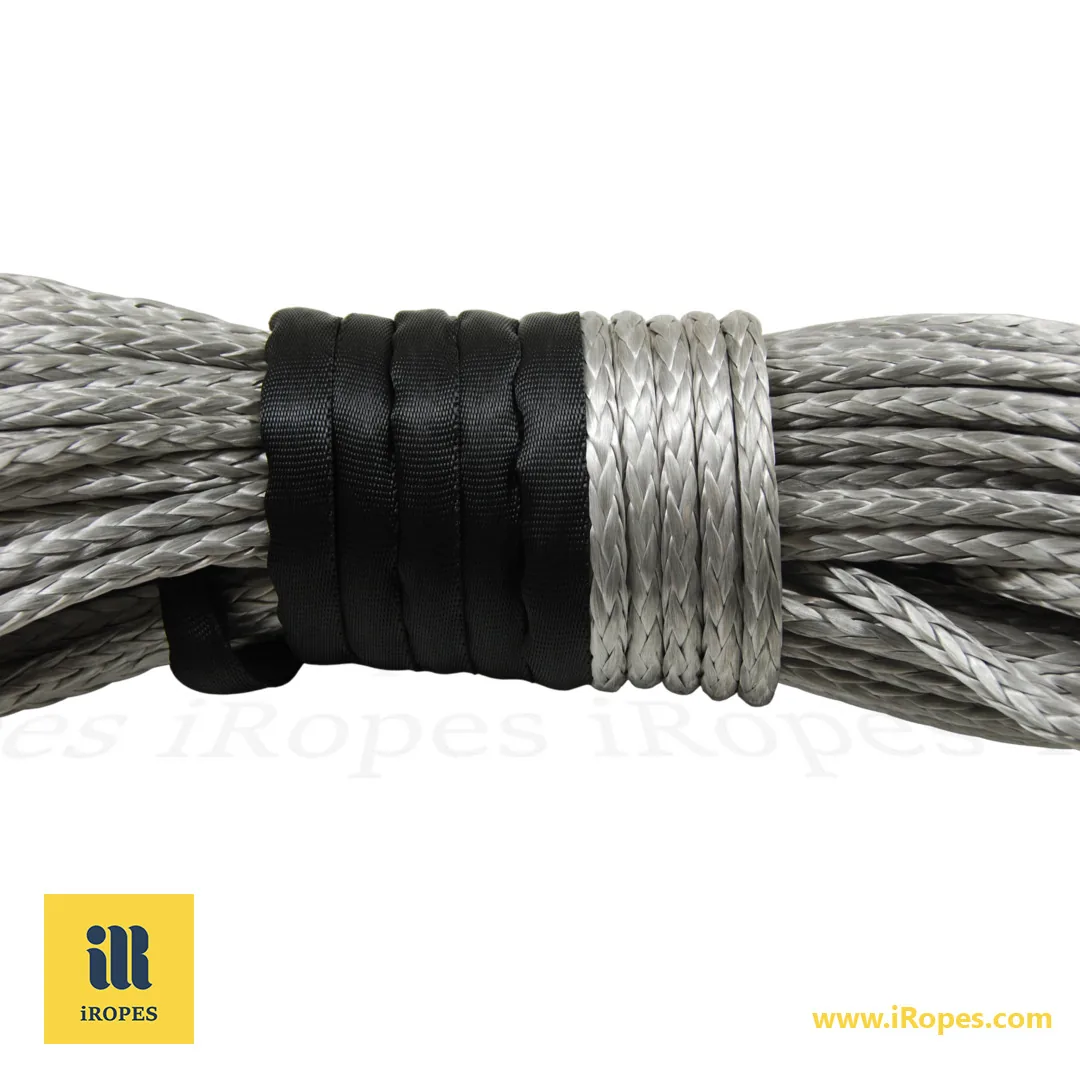
In marine lifting operations, unprotected slings incur 70% higher replacement costs due to abrasion and UV damage—however, incorporating targeted protectors like wear pads or Kevlar sleeves dramatically reduces this, extending gear life by up to 3x without compromising safety.
Unlock 70% Cost Savings + Safety Boost in ~12 Minutes
- ✓ Triple sling lifespan through abrasion and UV shields, cutting replacements from every three months to yearly intervals for uninterrupted yachting or spearfishing work.
- ✓ Meet OSHA 1910.184 compliance effortlessly with daily inspection guides that prevent fines up to $14,502 and reduce accident risks by 50%.
- ✓ Customise via iRopes OEM/ODM for marine-specific materials like polyester or Cordura, matching your branding while halving downtime from gear failures.
- ✓ Achieve 40% ROI in under six months, as seen in real client cases, transforming frequent purchases into strategic investments that safeguard your operations.
You've likely experienced the frustration of slings fraying against salty hulls or fading under harsh sun, forcing costly halts to your marine jobs. Most operators still consider replacements inevitable—until now. **iRopes' tailored protectors** not only defy this norm but deliver proven 70% savings. What if one upgrade could shield your team from OSHA violations and unexpected snaps, transforming vulnerability into unbreakable efficiency? Discover how in the sections ahead.
Understanding Sling Protectors and Their Role in Marine Lifting
That 70% spike in replacement costs from worn-out slings in marine work isn't just a number; it's a wake-up call for anyone handling heavy loads on the water. You've probably seen it yourself: slings fraying against rough boat edges or fading under relentless sun. But what if a simple addition could change all that? Enter sling protectors, the unsung heroes designed to shield your lifting gear from the daily grind.
Sling protectors, sometimes referred to as lifting strap protectors or lifting sling protectors, function as a tough barrier wrapped around or placed over your slings during lifts. Think of them as armour for your ropes—essential guards that fend off abrasion from sharp corners, cuts from jagged metal, and environmental impacts like saltwater corrosion or UV rays. Essentially, they prevent the very damage that shortens a sling's life and risks a dangerous snap mid-lift. Without them, even the strongest sling can fail unexpectedly, turning a routine operation into a hazard.
Now, picture this in a marine setting, where conditions are unforgiving. Salt spray corrodes materials, waves create constant motion that rubs gear against hulls or docks, and the sun beats down relentlessly. That's why sling protection becomes non-negotiable here. It keeps your web slings or round slings intact longer, reducing the need for constant replacements that halt your yacht maintenance or spearfishing preparations. Have you ever paused a job because a sling looked suspect? Proper protection minimises these interruptions, allowing you to focus on the task at hand.
- Extended sling lifespan – By blocking wear, they can double or triple how long your gear lasts, saving you from frequent purchases.
- Boosted safety – They help prevent failures that could injure crew or damage valuable cargo like boat parts.
- Standards compliance – Aligning with guidelines like OSHA's ensures your setup meets legal and industry benchmarks without guesswork.
- Cost control – Less downtime and fewer replacements mean real savings, especially in high-use marine operations.
At iRopes, we've observed firsthand how these protectors transform operations for our wholesale partners in yachting and beyond. One client in coastal shipping reported that their team used to replace slings every few months; now, with basic abrasion guards, they are extending service life to years between overhauls. It's straightforward: invest a little upfront in protection, and you gain peace of mind plus a leaner budget.

With this foundational understanding of protection, we can delve into the various types available to help you identify the ideal fit for your next lifting task.
Exploring Types of Lifting Strap Protectors for Edge and Abrasion Defence
Building on the importance of these guards in your daily lifts, let's explore the practical side—the types available and how they tackle specific challenges. In marine work, where every edge on a boat hull or dock can damage gear, selecting the right type transforms potential disaster into smooth sailing. Experienced teams consistently find that adapting their protectors to the job results in fewer complications.
First, consider wear pads, those flat, tough sheets you place between the sling and the load to distribute pressure and prevent surface scraping. They are simple yet effective for broad abrasion, such as when hauling crates across a weathered deck. Then there are tubular sleeves, which fully encase the sling like a snug jacket, offering all-around defence against rubbing from any angle. Corner protectors, conversely, are designed for sharp angles—these rigid pads or angled guards cushion tricky 90-degree edges on rigging points without slipping off mid-lift.
- Wear pads – Ideal for flat surfaces, they absorb friction without adding bulk.
- Tubular sleeves – Provide 360-degree coverage, perfect for dynamic marine movements.
- Corner protectors – Specifically target sharp edges, preventing localised cuts and tears.
Matching these to your slings makes all the difference. **Web slings**, those flat, flexible ones made from synthetic fibres, pair well with sleeves or pads to prevent fraying under load. Round slings, with their endless loop design and higher capacity for bulky items like engines, often require corner guards to manage pressure around curved loads. Don't forget wire rope or chain slings for heavier duty; their metallic construction demands protectors that won't snag, such as reinforced tubular options. Have you considered the main types of lifting slings? They typically include synthetic web for lighter, versatile jobs; round for compact strength; wire rope for tough, outdoor pulls; and chain for extreme heat or chemicals—each thrives with the appropriate shield to match its characteristics.
Installation remains straightforward, even on a moving vessel. Velcro *quick sleeves* allow for rapid attachment—no tools needed, just wrap and secure for fast-paced yacht setups. Sewn options, on the other hand, remain permanently affixed, ideal for repeated routes where changing gear would cause delays. Both methods reduce setup time, but quick sleeves excel when conditions change rapidly.
For marine operations, look for built-in extras like UV shields woven into the fabric. These block sun damage that would otherwise embrittle your protectors during long exposures. Some also include water-repellent layers to resist saltwater saturation, keeping everything dry and functional through adverse weather. These details are crucial when you're out on the water, away from shore facilities. iRopes provides comprehensive OEM and ODM services, ensuring you receive lifting strap protectors tailored for your precise needs.

Once you've selected the appropriate protector type, the material composition becomes critical for ensuring lasting performance in salty, sunny conditions.
Selecting Materials for Lifting Sling Protectors in Marine Environments
With the right type of protector chosen, the material selection truly dictates its resistance to the relentless demands of the sea. This includes constant saltwater exposure, fluctuating temperatures, and unyielding UV glare. Experienced riggers often note how inexpensive fabrics can degrade after a single season on the water, whereas tougher options extend gear life for years. The key lies in choosing substances engineered for these extremes, ensuring your **lifting sling protectors** actively combat the elements.
Polyester is paramount for marine work due to its strong UV resistance, preventing material breakdown under prolonged sun exposure—a crucial factor when slings are exposed during yacht lifts or dockside operations. It also performs well in saltwater, resisting corrosion that affects lesser fabrics, and maintains flexibility across temperature swings from chilly mornings to scorching afternoons. Kevlar, conversely, excels in cut protection; its aramid fibres withstand hazards like jagged metal on boat hulls without yielding. This makes it particularly useful in environments where solvents might otherwise weaken standard guards. Cordura, a nylon-based fabric, is engineered for abrasion resistance, shrugging off constant rubbing against rough surfaces like barnacle-encrusted pilings or weathered ropes—ideal for demanding spearfishing setups. What materials are sling protectors made of, you might ask? These three form the backbone, each excelling against specific marine threats: polyester for UV and moisture, Kevlar for sharp impacts and chemicals, and Cordura for everyday wear across various temperatures.
Core Materials
Built for Marine Durability
Polyester
UV and water resistance for long outdoor exposure.
Kevlar
Cut and chemical protection against sharp hazards.
Cordura
Abrasion defence for rough surface contact.
Marine Advantages
Handling Salt, Chemicals, Temps
Polyester
Resists saltwater degradation and temperature shifts up to 120°C.
Kevlar
Endures acids and solvents without fibre weakening.
Cordura
Maintains integrity from -40°C to 80°C despite friction.
To maintain reliability, regular inspections are essential, as outlined in OSHA standard 29 CFR 1910.184 for slings. This requires a competent person to check daily for signs like fraying edges, chemical burns, or UV-induced brittleness in the protectors themselves. Look for discolouration, stiffness, or tears that could indicate failure. If damage is observed, remove the setup from service immediately to mitigate risks; this applies not only to the slings but also to ensuring the guards have not been compromised under marine stress.
At iRopes, our OEM and ODM services extend to crafting lifting strap protectors specifically for your marine needs. We can blend Kevlar layers for enhanced cut defence or incorporate polyester weaves for UV blocking, all while integrating your branding through custom colours or stitching. One partner in offshore yachting collaborated with us to design abrasion-focused Cordura sleeves that integrated seamlessly with their round slings, ultimately halving their maintenance time.

With the right materials and inspection protocols in place, it becomes clear how these choices not only safeguard your operations but also lead to substantial savings in the long term.
Cost-Benefit Analysis and Safety Compliance with Sling Protectors
The robust material choices we just discussed offer more than durability in marine environments—they translate directly into significant financial benefits. Imagine equipping your marine crew with appropriate **lifting sling protectors**; suddenly, you're no longer scrambling for replacements every season. In fact, teams utilising these guards frequently observe a 70% reduction in costs compared to the constant cycle of buying new slings. This is because protectors extend gear life from months to years. It's akin to providing your equipment with a second skin that absorbs punishment, allowing the underlying sling to remain robust through countless dockside hauls or yacht rigging jobs.
This isn't mere speculation; it's supported by actual data from operations facing similar saltwater challenges. Without protection, abrasion and UV wear rapidly degrade slings, necessitating unplanned purchases that escalate expenses and disrupt work. By incorporating protectors made from materials like UV-resistant polyester or abrasion-tough Cordura, you can anticipate fewer failures, less waste, and more predictable budgeting. Have you recently calculated the costs for your own setup? The initial investment in quality guards quickly yields savings when factoring in labour hours saved from emergency repairs.
Without Protectors
Frequent replacements due to wear, leading to 70% higher overall costs and unplanned downtime.
With Sling Protectors
Lifespan extension slashes expenses by 70%, ensuring consistent operations and lower risk exposure.
Safety Risks
OSHA 1910.184 mandates protection against sharp edges and chemicals; non-compliance risks fines up to $14,502 per violation.
Compliance Gains
Regular use meets inspection rules, ensuring slings display rated loads clearly and are stored away from hazards.
Regarding regulations, OSHA's 1910.184 outlines clear expectations for slings, mandating daily visual checks by a qualified individual to identify issues like cuts or heat damage, plus proof-load testing for new gear. Protectors directly address these requirements by preventing the very problems that necessitate removal. A competent inspector will consistently look for environmental damage in marine settings. The standard insists on legible tags displaying working load limits and prohibits exceeding safe angles, all while emphasising safeguards like our edge guards to prevent accidents that could halt operations.
For best practices, integrate maintenance into your routine: inspect before each use for frays, discolouration from chemicals, or stiffness from UV rays. Store protectors dry and coiled to prevent mould in humid ports. Remove them from service if you observe more than 10% wear or any cuts—it's always safer than risking failure under load. I recall a rigging colleague who once skipped a quick check; it cost his team a full day and an expensive repair. Don't let that happen to you.
Consider iRopes' collaboration with a spearfishing outfit in the Pacific: they switched to custom Kevlar-lined **lifting strap protectors**, cutting downtime by 40% and achieving a positive ROI in under six months through halved replacements. Another yacht client experienced their gear lasting twice as long, freeing up budget for upgrades. These examples demonstrate how intelligent protection transforms compliance into a competitive advantage.

Ultimately, these protectors are not merely pieces of equipment; they represent a strategic investment that keeps your operations running smoother and safer for the long haul.
Customise Your Marine Sling Protection with iRopes Expertise
In marine lifting, sling protectors prove to be game-changers, slashing replacement costs by 70% through edge protection, abrasion guards, and UV shields. These extend gear life amidst saltwater and sun. From wear pads and tubular sleeves to corner protectors, these **lifting strap protectors**—featuring materials like polyester for UV resistance, Kevlar for cuts, and Cordura for abrasion—offer versatile options with easy Velcro or sewn installations. Regular, OSHA-compliant inspections ensure safety and adherence to standards, while iRopes' OEM/ODM customisation tailors **lifting sling protectors** to your yachting or spearfishing requirements, ultimately boosting ROI and minimising downtime for seamless operations.
As you've considered these insights, applying them to your setup can significantly enhance efficiency. For personalised recommendations on materials, types, or cost-saving strategies suited to your specific marine challenges, please reach out via the inquiry form above—our expert team at iRopes is ready to guide you towards optimal protection solutions.