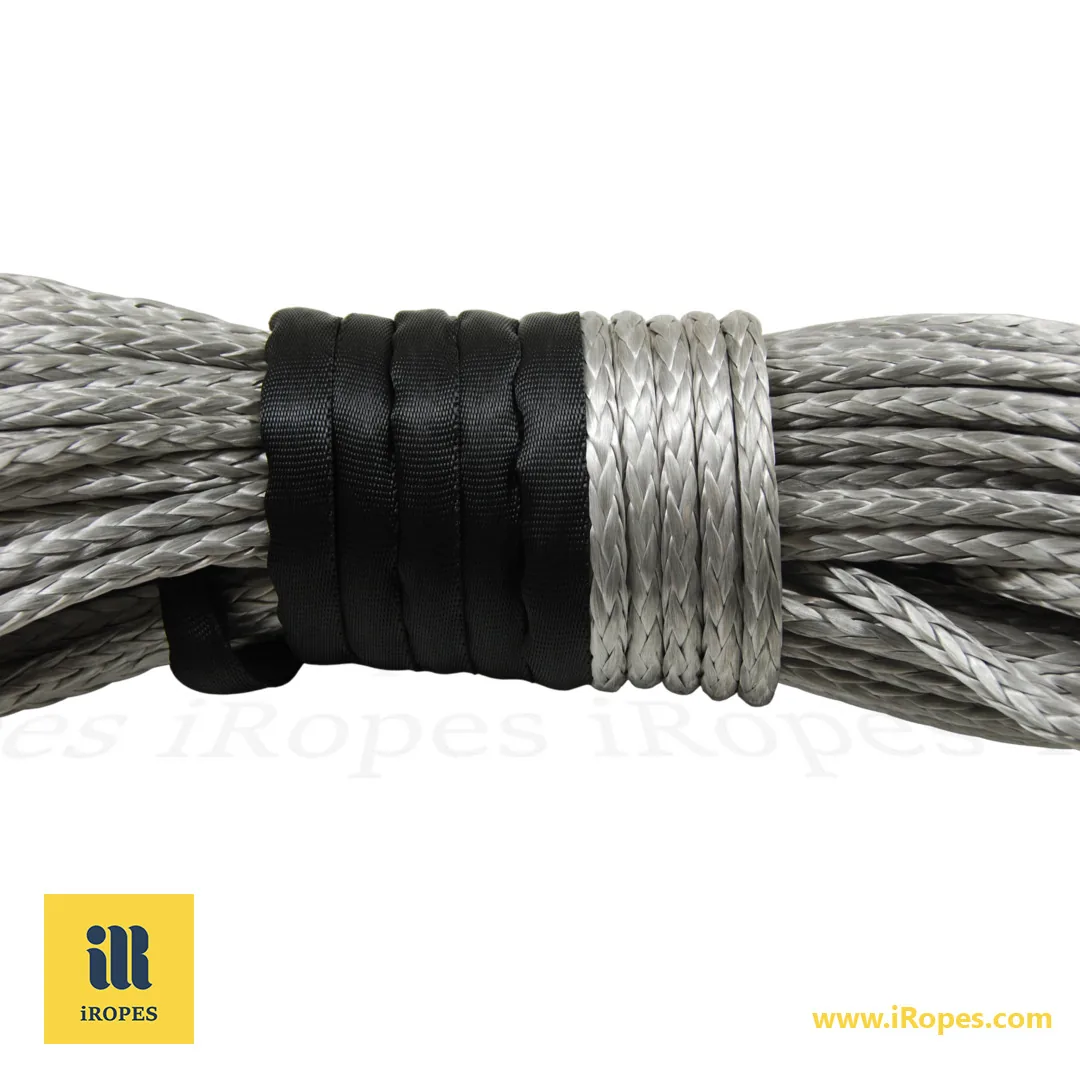
12‑strand rope delivers up to 28.7 % higher strength‑to‑weight than a comparable 3‑strand line, letting you lift the same load with up to 0.9 kg / m less rope.
Quick‑scan (≈6 min read)
- ✓ 28.7 % higher strength‑to‑weight ratio compared to standard 3‑strand ropes, reducing line weight by up to 0.9 kg per metre.
- ✓ Its near‑torque‑free braid reduces knot‑slip by 12 % and speeds winch feeding by 15 seconds on a 10 m run.
- ✓ A hollow‑braid splice retains 93 % of breaking strength, outperforming conventional knots by 17 %.
- ✓ Custom colour, reflective Dyneema winch rope inserts or glow‑in‑the‑dark options are available for enhanced visibility and compliance (ISO 9001‑backed).
Many teams still rely on massive 3‑strand lines, mistakenly assuming that weight directly equals strength. However, a 12‑strand braid can lift the same load while reducing rope weight by up to 1.2 kg per metre — a significant, lightweight advantage that redefines recovery tactics. Furthermore, by mastering the hollow‑braid splice, you’ll preserve 93 % of the rope’s breaking strength and halve knot‑setup time. The following sections reveal exactly how to leverage this advantage effectively across off‑road, marine, and arborist projects.
Understanding 12‑Strand Rope Construction and Its Strength
Given the critical need for high‑strength, lightweight ropes in demanding applications, it's essential to understand the unique characteristics of a 12‑strand rope. This construction forms the foundation for many premium uses, from heavy‑duty winch pulls to precise kite‑line adjustments.

A 12‑strand rope is constructed from twelve individual fibres woven into a single‑braid or hollow‑braid profile. In contrast to classic 3‑strand ropes, which use three large twisted yarns, the 12‑strand method distributes the load across numerous finer strands. This architectural difference results in a near‑torque‑free line that resists twisting under tension and presents a smoother surface, which is beneficial for knotting.
Since the fibres run in parallel rather than being bundled into thick yarns, the rope maintains almost the same breaking strength as a comparable solid‑core line while significantly reducing bulk. Consequently, this rope flexes easily around pulleys or winches, yet confidently handles the tensile loads expected from a high‑performance product.
A key practical advantage, frequently highlighted by experts in Chinese manufacturing circles, is the rope’s exceptional ease of knotting. The smooth braid enables quick and secure knot formation, and the line feeds rapidly through winches. This makes it ideal for applications like winch ropes, kite lines, and soft shackles where efficiency and speed are paramount.
“I can tie a bowline on a 12‑strand line in under ten seconds, and the knot never slips – perfect for rapid‑release winch operations.”
When choosing a size, common diameters correspond to specific load capacities, making them suitable for winch lines, kite rigs, and soft‑shackle applications. Here is a quick reference for typical dimensions and their capabilities:
- 12 mm (½‑inch) – Approximately 5 000 kg Working Load Limit (WLL), making it ideal for light‑to‑medium recovery tasks.
- 16 mm (⅝‑inch) – Roughly 8 000 kg WLL, a popular choice for medium‑weight winch lines and kite control systems.
- 19 mm (¾‑inch) – About 12 000 kg WLL, well‑suited for heavy‑duty winches and high‑tension soft shackles.
Armed with these fundamentals—the single‑braid layout, preserved strength, effortless handling, and practical size options—you can clearly see why a 12‑strand rope frequently surpasses traditional alternatives. With this foundation, we now explore the key advantages that establish this construction as a preferred choice across various high‑performance sectors.
Key Advantages of 12‑Strand Rope for High‑Performance Applications
Building on its distinctive construction, the 12‑strand rope offers a suite of performance traits that make it a leading choice for demanding sectors. Its single‑braid architecture delivers nearly the same tensile capacity as a solid‑core line while significantly reducing bulk. This translates into an impressive strength‑to‑weight ratio, exceptionally low elongation under load, and superior resistance to abrasion. These are key benefits that answer the question, "What are the benefits of 12 strand rope?".
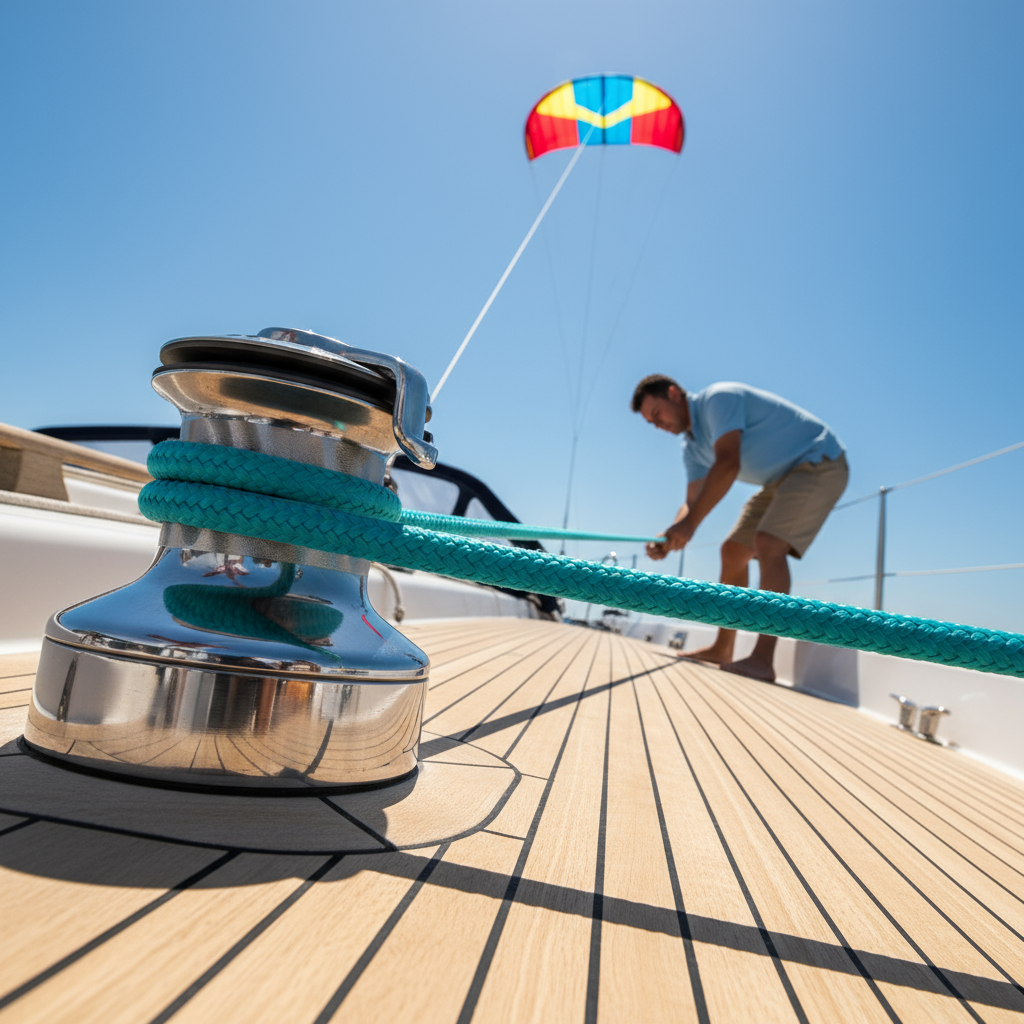
When the fibre composition is precisely matched to the task, the advantages become even more pronounced. Dyneema (HMPE) offers ultra‑light weight and minimal stretch, making it ideal for off‑road winch lines that need to pull heavy loads rapidly without adding unnecessary bulk. Polyester strikes a balance between cost and robust UV and abrasion resistance—a combination favoured by arborists and industrial lift crews who require reliable, long‑lasting lines. Technora provides high heat tolerance and exceptional cut resistance, a crucial factor for defence applications or environments with routine temperature spikes. Meanwhile, Nylon’s natural elasticity offers shock absorption, which is particularly useful where a degree of give helps protect equipment from sudden tension increases.
The torque‑free characteristic of the 12‑strand braid also resolves a subtle yet critical issue in precision work. For example, kite‑line rigs require a line that remains untwisted despite changing wind pressure; the near‑zero torque of the 12‑strand construction ensures smooth and predictable steering responses for the kite. This same principle benefits sailing sheets, where precise tension adjustments are vital for achieving optimal sail shape.
Materials
How fibre choice shapes performance
Dyneema
Ultra‑light, low stretch, excellent abrasion resistance – ideal for off‑road recovery and kite control.
Polyester
Good UV resistance and cost‑effective, perfect for arboriculture and industrial lifting.
Technora
High heat tolerance and cut resistance, suited for defence and high‑temperature environments.
Applications
Where the 12‑strand design shines
Off‑road
Lightweight winch lines quickly pull vehicles while resisting road‑scrape abrasion.
Yachting
Low‑stretch halyards improve sail trim, and torque‑free lines ensure precise sheet control.
Arboriculture
Strong yet flexible bull ropes enable arborists to rig trees safely with quick knotting.
These combined strengths—lightweight durability, low elongation, and a near‑torque‑free surface—powerfully explain why 12‑strand rope is consistently chosen for high‑performance tasks. Understanding the material‑specific benefits and matching them to the appropriate industry application sets the stage for our next discussion: splicing techniques, safety calculations, and iRopes’ comprehensive customisation capabilities.
Splicing, Safety, and Customisation Options for 12‑Strand Rope
Having highlighted the performance benefits of 12‑strand rope, our discussion now turns to the practical aspects of handling it. This includes how it can be terminated, protected, and precisely tailored to meet exact project requirements.

Because the braid is hollow core braided, splicing allows for greater strength retention than traditional knots. The answer to "Can you splice 12 strand rope?" is an emphatic yes. The rope's architecture readily accommodates clean eye or tuck‑bury splices, ensuring the load‑bearing fibres remain intact and fully functional.
- **Prepare the rope ends:** Begin by trimming and melting the ends to prevent fraying and ensure a clean start.
- **Weave the eye:** Carefully interlace the strands according to the specific pattern of your chosen splice.
- **Secure and trim:** Once the splice is complete, tighten it, apply a protective coating if necessary, and meticulously cut away any excess material.
Safety calculations for 12‑strand ropes are straightforward: divide the rope’s breaking strength by a 5:1 safety factor to determine the Working Load Limit (WLL). For example, a 12 mm 12‑strand line rated at 6 500 kg breaking strength yields a WLL of 1 300 kg. This provides ample safety margin for applications such as off‑road recovery or arborist rigging.
Custom Options
iRopes can meticulously tailor every parameter to your needs. This includes selecting from HMPE, polyester, nylon, or Technora fibres, specifying diameters and lengths, choosing custom colourways, incorporating reflective inserts, and adding auxiliary hardware such as thimbles or loops. Branding can be printed directly on the sheath or seamlessly integrated into the packaging, ensuring a unique and cohesive market identity.
Beyond extensive customisation, iRopes protects every project with ISO 9001‑backed quality assurance and comprehensive intellectual property (IP) protection. Finished rope rolls are shipped directly from our state‑of‑the‑art factory on pallets, with logistics carefully coordinated for timely delivery to our wholesale partners worldwide.
This article underscores how the 12‑strand rope’s single‑braid architecture maintains maximum strength and allows for rapid knotting, ensuring reliable performance in demanding applications such as winch ropes, kite lines, and soft shackles.
iRopes specializes in engineering bespoke 12‑strand ropes or specialised 12‑strand designs. We can customise materials, diameters, colours, and branding, all while guaranteeing ISO‑9001 quality and full IP protection. Whether your needs demand Dyneema for ultra‑light recovery or Technora for high‑heat defence, our OEM/ODM team will expertly match the ideal rope to your precise load and safety requirements, helping you choose the best winch line for your application.
Request your customised 12‑strand solution
If you require personalised advice regarding material choice, dimensions, or branding, simply complete the form above. Our specialists will promptly get back to you with expert guidance.