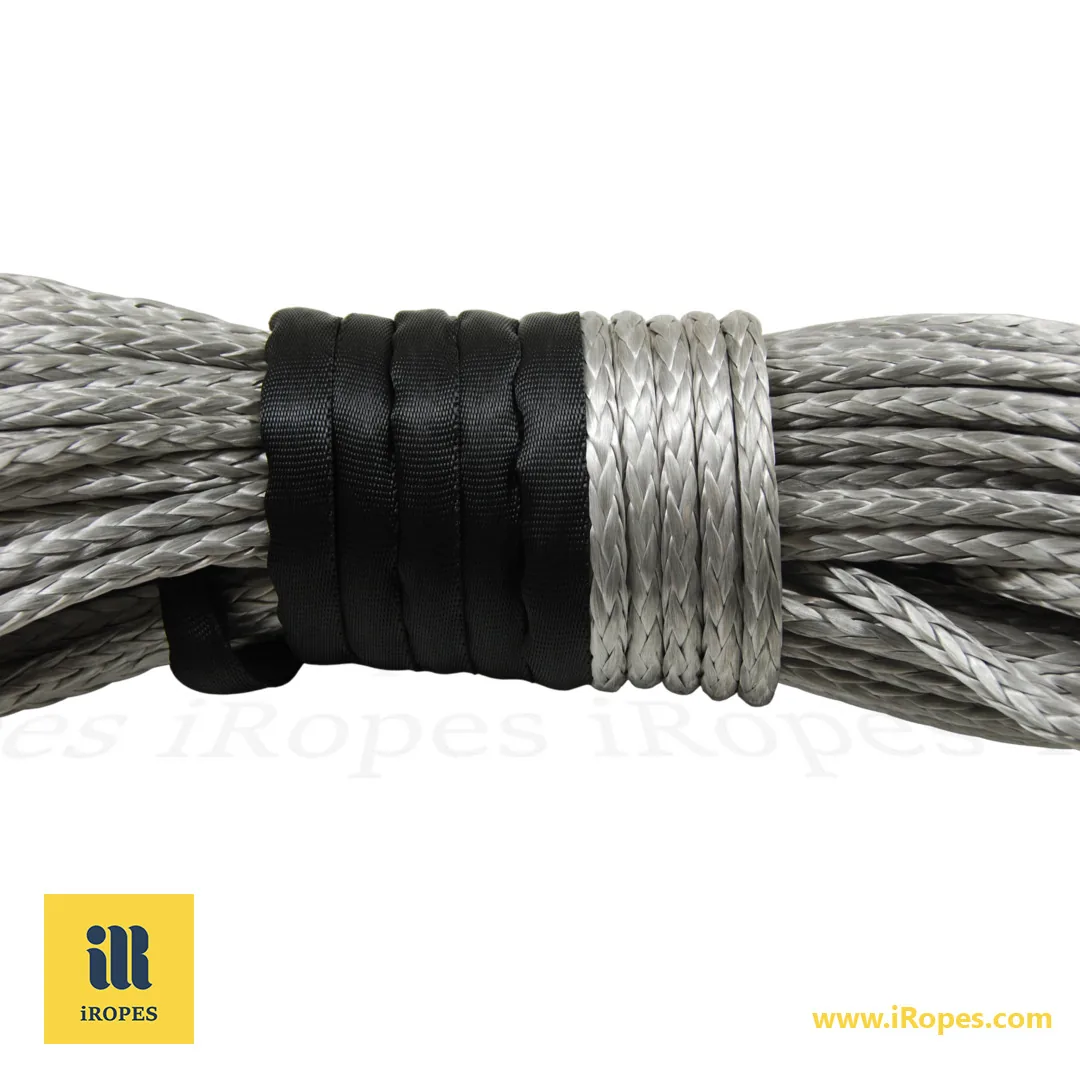
3‑strand twisted nylon rope delivers up to 22,600 lb breaking strength and 7‑10 % elasticity—exactly what a mooring line needs to tame sudden wave loads.
What you’ll gain (≈12 min read)
- ✓ Reduce line‑break incidents by up to 25 % and extend service life by up to 40 % with superior stretch absorption.
- ✓ Size the right diameter using a conservative rule: Diameter (in) ≥ Anticipated load (lb) ÷ 1,500, and confirm with SWL ≈ Breaking strength ÷ 5.
- ✓ Lower lifecycle cost thanks to UV‑rated durability, good abrasion resistance and simple maintenance.
- ✓ Get a same‑day quote, 5‑day standard production and ~2‑week custom splicing, with fast global shipping.
Some procurement teams specify polyester mooring lines to save on upfront cost. However, its lower stretch can transfer harsher shocks to the hull. What if you could cut peak forces significantly by choosing a 3‑strand twisted nylon rope with 7‑10 % elasticity and strong UV performance? The sections below outline the key calculations, custom‑design options and ordering workflow that turn that choice into measurable savings for your fleet.
nylon rope description: Understanding 3‑Strand Twisted Nylon Rope
When a vessel needs a line that absorbs sudden wave loads yet stays reliably strong, a well‑engineered 3‑strand twisted product fits the brief. Here is a concise nylon rope description: nylon fibres deliver high tensile strength with controlled elongation, making them a go‑to for mooring, anchoring and demanding industrial tasks.
- Mooring lines – secure yachts, ferries and offshore platforms to docks or anchors.
- Anchor ropes – withstand repeated shock loads while retaining elasticity.
- Industrial tie‑downs – bind heavy equipment during transport or storage.
What distinguishes a 3‑strand twisted nylon rope from a simple braid is its balanced, multi‑stage construction. Individual fibres become yarns, yarns become strands, and three strands are twisted together in the opposite direction to the strand twist, creating a balanced lay that resists hockling. The outer lay typically follows a medium‑lay geometry to optimise load distribution and handling. For applications requiring different stiffness or handling, iRopes also offers alternative constructions alongside twisted ropes.
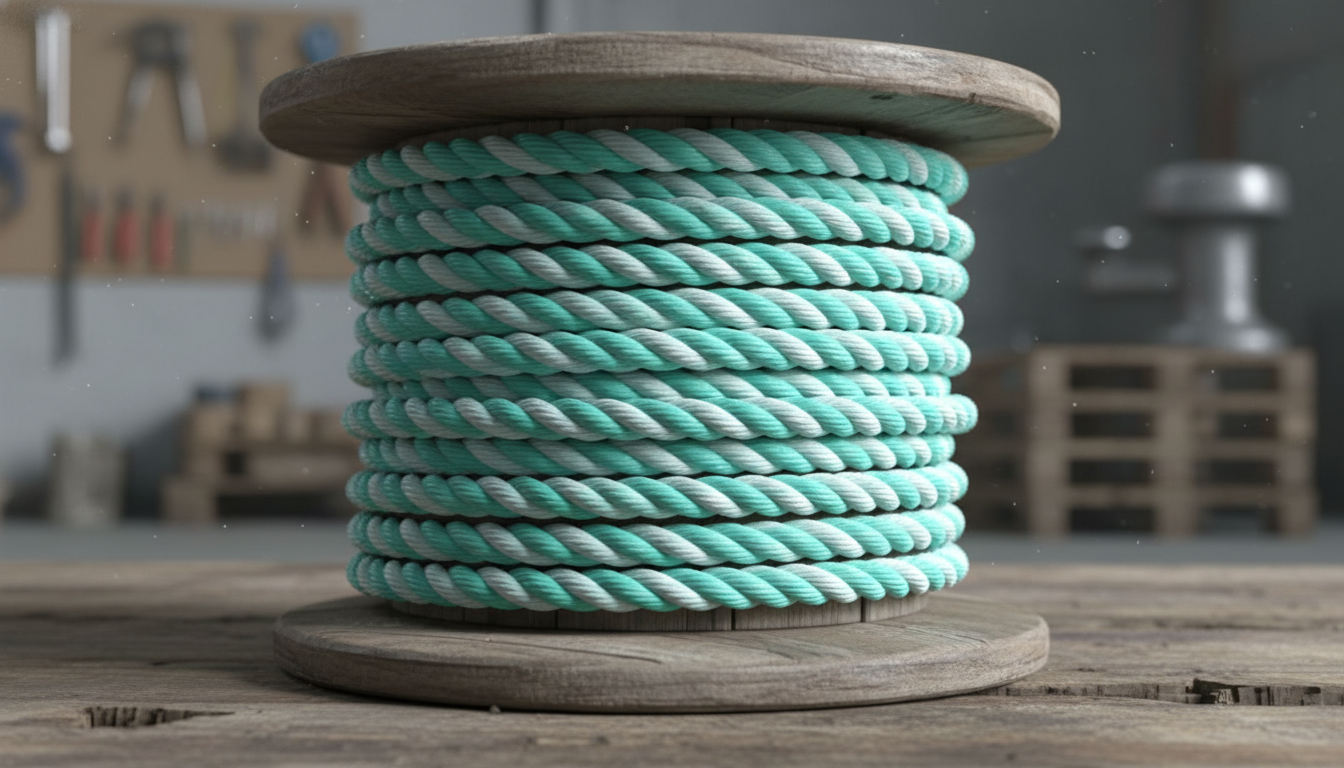
The material profile explains its popularity. Typical 1‑inch diameter ropes deliver ≈ 22,600 lb breaking strength, while elongation under load stays within 7‑10 %, providing natural shock absorption that polyester cannot match. UV performance rates high, so prolonged sun exposure is less damaging, and the fibres resist abrasion against chafe guards and rough dock surfaces. A melt point around 490 °F (254 °C) sets a clear upper temperature limit—safe for engine‑room environments but avoid contact with hot surfaces and sharp edges.
“In my ten years as a marine engineer, the elasticity of a 3‑strand twisted nylon rope has saved more than one vessel from sudden tide spikes. Its durability under UV and salt water makes it a reliable choice for permanent moorings.” – John H., Senior Marine Engineer
Understanding these fundamentals sets the stage for evaluating the performance benefits that make the nylon 3‑strand twisted rope a trusted component on docks worldwide. → With a clear definition in place, we can now explore the performance advantages that set this rope apart.
3 strand twisted nylon rope: Performance Benefits and Specs
Building on the definition of a 3‑strand twisted nylon rope, its performance is best quantified through strength tables, elasticity characteristics and durability under harsh marine conditions.

The following table lists typical breaking‑strength figures and the corresponding safe working load (SWL), calculated with a conventional 5 : 1 safety factor. Values are indicative; always confirm with the technical data sheet for your exact specification.
| Diameter | Breaking Strength (lb) | Safe Working Load (lb) |
|---|---|---|
| ¼ in (6 mm) | ≈ 1 500 | ≈ 300 |
| ⅜ in (10 mm) | ≈ 2 800 | ≈ 560 |
| ½ in (13 mm) | ≈ 4 900 | ≈ 980 |
| ¾ in (19 mm) | ≈ 9 200 | ≈ 1 840 |
| 1 in (25 mm) | ≈ 22 600 | ≈ 4 520 |
Beyond raw strength, the rope’s elasticity offers superior shock absorption. While a comparable polyester line typically stretches 4‑6 % under load, a 3‑strand twisted nylon rope elongates 7‑10 %, dissipating kinetic energy from wave surges and vessel movements more effectively.
Environmental resilience is another hallmark. The polymer formulation resists UV‑induced degradation, inhibits mildew growth, tolerates exposure to petroleum‑based chemicals and maintains performance after prolonged immersion in salt water. These traits reduce maintenance cycles for offshore moorings and dockside installations.
- Trim the rope ends cleanly and secure a short whipping to prevent fraying.
- Interlace the three strands in an eye‑splice pattern, ensuring each strand follows the opposite lay direction.
- Finish with a tight, water‑resistant whipping and inspect the splice for uniform tension.
These three steps produce a reliable splice that retains most of the rope’s original breaking strength, a crucial factor when complying with the SWL values shown above.
Why nylon?
Nylon’s combination of high tensile strength, generous stretch and resistance to UV, mildew and salt water makes it the preferred choice for permanent mooring solutions where safety and longevity are paramount.
With the strength data, elasticity advantages and robust environmental profile clarified, the next logical step is to match a rope diameter to the specific mooring requirements of a vessel or offshore platform.
nylon 3 strand twisted rope: Sizing Guide and Mooring Applications
Following the strength data, we now translate diameter into real‑world capacity so that engineers can pick the exact rope for a given vessel or structure.

For a quick rule‑of‑thumb, estimate diameter (inches) as anticipated static load (lb) ÷ 1,500, then confirm the SWL using a 5 : 1 safety factor. Using this method, a ¾‑inch (19 mm) line is a common choice for a 12‑ton vessel in moderate conditions. The table below pairs common diameters with the vessel tonnage they frequently serve.
| Diameter | Recommended vessel tonnage |
|---|---|
| ¼ in (6 mm) | Up to 2 tons – small launch or tender |
| ⅜ in (10 mm) | Up to 5 tons – recreational cruiser |
| ½ in (13 mm) | Up to 8 tons – midsize fishing boat |
| ¾ in (19 mm) | Up to 25 tons – commercial ferry |
| 1 in (25 mm) | 40 tons and above – large commercial craft |
Choosing the appropriate size varies with application. For broader guidance, see our Choosing the Best Ship Mooring Rope article. Mooring lines that hold a yacht at a dock may use a ½‑inch rope, whereas anchor or tow lines for commercial craft often require the robustness of a ¾‑inch or larger. Offshore wind projects frequently specify lines well above 1‑inch diameter or alternative high‑performance constructions to manage continuous dynamic loading.
Mooring & Anchor
Diameter selection guide
Light craft
¼‑in rope for vessels under 2 tons—easy handling and low cost.
Mid‑size vessels
½‑in rope balances strength and elasticity for fishing boats and cruisers.
Heavy duty
¾‑in or larger for commercial ferries and heavy moorings.
Offshore Wind
Rope sizing for turbines
Nearshore fixed‑base
½‑in to ¾‑in for auxiliary lines; primary moorings typically use larger diameters.
Deep‑water jackets
¾‑in and above for high dynamic loads, specified to project requirements.
Floating platforms
Large‑diameter, high‑performance lines manage fatigue and motion over long service lives.
Beyond size, iRopes can tailor rope colour to match branding, add reflective strips for night‑time visibility and finish the ends with eye splices, thimbles or custom‑fabricated fittings. Learn more about our customisation options.
Nylon outperforms polyester in mooring because its higher elasticity absorbs shock loads, while polyester’s lower stretch can transmit harsher forces to the vessel.
Having identified the ideal size and performance profile, the next step is to specify colours, accessories and packaging that align with your brand and operating environment. For a comprehensive guide, see our Choosing the Best Ship Mooring Rope article.
iRopes Custom Solutions, FAQs, and Call to Action for Nylon Mooring Ropes
Having identified the ideal diameter for a vessel’s mooring line, the next step is to turn that specification into a rope that carries your brand, meets strict safety standards and arrives on schedule. iRopes blends OEM‑scale production with ODM flexibility, ensuring every spool of 3‑strand twisted nylon rope reflects the exact colour, construction and end‑fitting you require.

Our OEM/ODM capabilities include confidential design work protected by robust IP agreements, so your proprietary specifications remain secure. For higher stiffness or different handling, we also offer alternative constructions (e.g., parallel‑core or braided ropes). Our engineers optimise the lay pattern and strand balance to meet your load profile. Production is managed under ISO 9001 quality systems and built to Cordage Institute guidelines, giving you documented quality from fibre extrusion to final spooling.
OEM/ODM Flexibility
Tailor‑made strand counts, construction selections and colour palettes are managed through our design workflow, letting you review prototypes before production.
IP Protection
Non‑disclosure agreements and secure data rooms keep your design and specifications confidential throughout the supply chain.
ISO 9001 Quality
Every production run is controlled under ISO 9001, ensuring traceability, consistent tensile performance and neat, defect‑free spooling.
Global Shipping
Direct pallet shipments from our facilities in China reach major ports in 5‑7 business days, with customs paperwork handled and neutral or customer‑branded packaging available.
Below are concise answers to the most common buyer questions, integrated for quick reference. The breaking strength of a typical ½‑inch nylon rope is ≈ 4,900 lb, yielding a safe working load around 980 lb with a 5 : 1 safety factor. Splicing a 3‑strand twisted nylon rope follows three simple steps: trim the ends, interlace the strands in an eye‑splice pattern and finish with a waterproof whipping. Compared with polyester, nylon’s 7‑10 % stretch absorbs shock more effectively, reducing peak forces on a vessel’s hull. For most harbour moorings, select a rope diameter that provides a conservative SWL above your anticipated static load; the sizing chart in the previous section illustrates typical values.
Ready to customise your mooring rope?
Use our length‑price calculator, request a free sample and download the full technical data sheet to start the order today.
Need a personalised nylon mooring rope solution?
The recent deep‑dive into the nylon rope description highlighted why 3 strand twisted nylon rope is the go‑to choice for marine mooring—offering superior stretch, UV resistance and easy customisation.
If you’d like expert guidance on selecting the right size, colour or accessories for your specific application, simply complete the form above and our iRopes specialists will be in touch with a tailored, ISO‑backed solution.