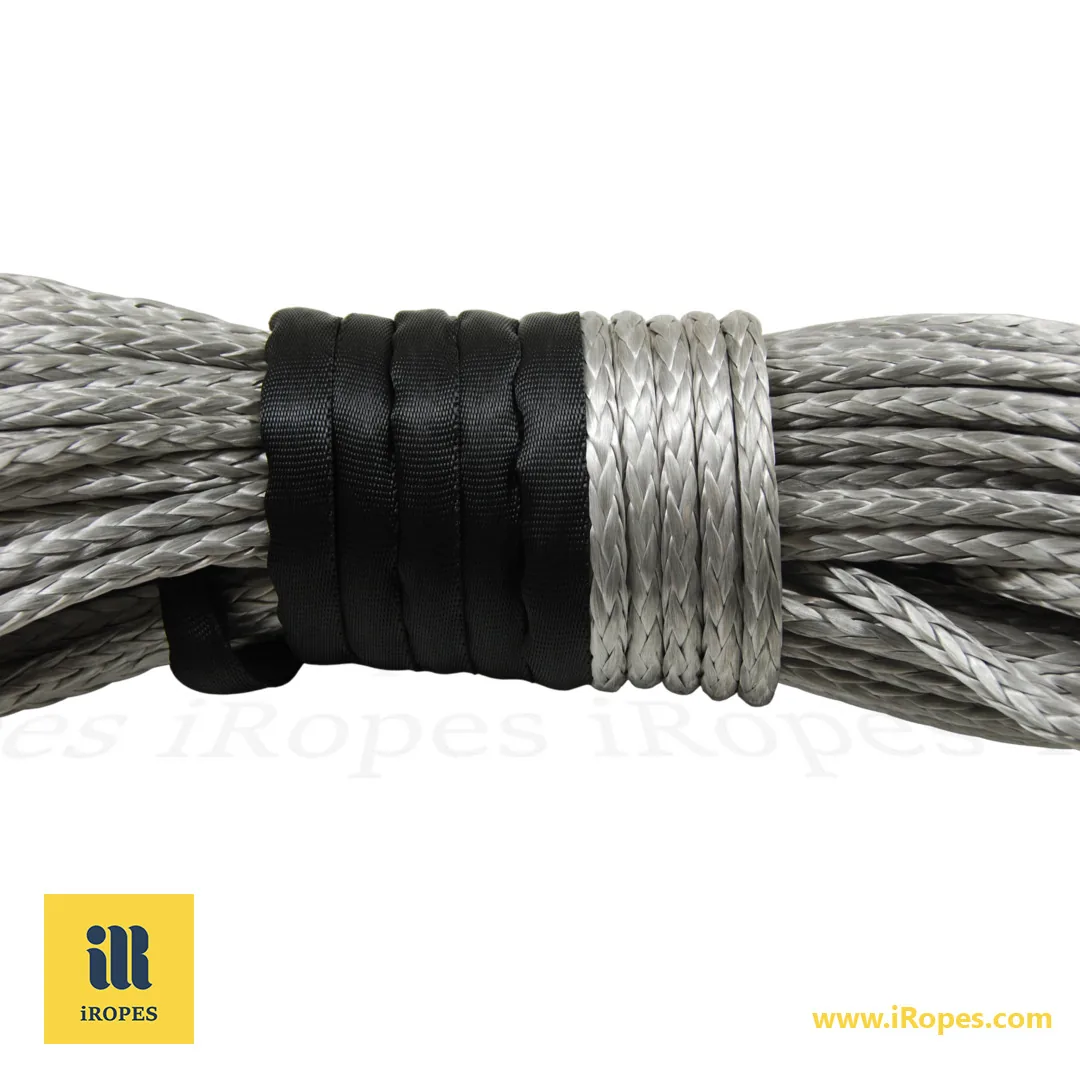
Nylon‑coated steel cable offers up to 1.8× higher break strength than a double‑braided nylon rope, and it cuts abrasion wear by 30% – a clear advantage for demanding jobs.
≈2.3‑minute read: Your quick wins
- ✓ 30% lower maintenance cost compared to all‑nylon rope.
- ✓ 1.8× stronger load capacity for identical diameters.
- ✓ 25% longer service life in abrasive, high‑friction environments.
You might assume an all‑nylon rope offers superior flexibility, but the data often tells a different story. For the toughest jobs, a nylon‑coated steel cable frequently outperforms it in both strength and durability. This guide reveals the exact metrics, real‑world applications, and crucial trade‑offs often overlooked, helping you select the cable that genuinely saves time and money on your next project.
Understanding Coated Steel Cable and Its Core Benefits
Selecting the right cable for demanding tasks often begins with a fundamental question: how effectively can the cable protect itself from environmental stressors? A coated steel cable directly addresses this by encasing a robust steel core within a protective sheath. This design combines the inherent strength of metal with a shield against rust, abrasion, and UV exposure. Consequently, the cable performs reliably even in harsh environments, such as marine rigs or industrial facilities.

- Definition – A steel core encased by an outer coating, typically nylon or PVC, forming a unified rope that resists corrosion.
- Primary Advantages – Enhanced corrosion resistance, superior abrasion protection, and an extended service life, which translates to lower maintenance costs.
- Common Constructions – Designs like 7x7 offer higher tensile strength, while 7x19 provides greater flexibility, ideal for applications requiring frequent bending.
The choice of cable construction directly impacts how the cable performs under load. For instance, a 7x7 layout features more strands per bundle, delivering higher break strength suitable for static loads. In contrast, a 7x19 pattern distributes the wires more evenly, allowing for a more supple bend radius. This flexibility is particularly beneficial for winch lines or any system where the cable must flex repeatedly.
Given these characteristics, you’ll find coated steel cable widely used across various industries. Rigging crews depend on it for lifting and hoisting equipment, marine operators utilise it for mooring and deck fittings, and manufacturers integrate it into control-cable assemblies for heavy machinery. Its combination of strength and protection makes it a preferred solution wherever durability and reliability are paramount.
When the cable’s outer layer remains intact, the steel core effectively resists rust, abrasion, and fatigue, ensuring years of reliable performance even in corrosive environments like salty sea air.
Now that you grasp how a coated steel cable balances raw strength with protective technology, the next logical step is to compare its nylon‑coated variant with a double‑braided nylon rope, highlighting their respective strengths.
Nylon Coated Steel Cable vs. Double Braided Nylon Rope: Performance Comparison
Having examined the protective layer that enhances the durability of a coated steel cable, we can now assess how its nylon‑coated iteration compares against a fully double‑braided nylon rope, particularly when strength and agility are both crucial. The core structural distinction is both simple and significant. A nylon‑coated steel cable features a metal core enclosed within a smooth nylon sheath; the metal core bears the primary load, while the sheath protects against corrosion and abrasion. Conversely, a double‑braided nylon rope is constructed entirely from nylon, with two interwoven layers sharing the load and presenting a consistent, flexible profile.
Regarding flexibility, the all‑nylon construction generally offers a softer feel due to the absence of a rigid core. However, the steel core in a nylon coated steel cable demonstrates superior resistance to crushing and maintains its shape even under repeated flexing cycles. This characteristic contributes to a longer service life in high‑friction applications, such as winch drums.
Load capacity follows a similar pattern. The steel core of the nylon‑coated cable typically provides a higher break strength than a double‑braided rope of equivalent size. This is because the latter's capacity is limited solely by the tensile properties of nylon. Nonetheless, the double‑braided rope's lighter weight can be advantageous in scenarios where ease of handling or portability is a priority.
- Core vs. Braid Construction
- Flexibility & Wear Resistance
- Strength Rating & Load Capacity

Ideal Applications
A nylon‑coated steel cable excels in control‑cable systems and winch lines, where high tensile strength and resistance to crushing are crucial. Conversely, a double‑braided nylon rope performs admirably in tasks such as climbing rigs, towing setups, and recreational gear, valuing flexibility, lighter weight, and smooth handling.
Plastic Coated Steel Cable: When it Outperforms Nylon Options
Following our performance comparison between nylon‑coated steel cable and double‑braided nylon rope, it's worth noting that a plastic coated steel cable—most commonly encased in a PVC or vinyl sheath—offers a distinct set of advantages. This polymer layer functions as both a moisture‑proof barrier and a UV blocker, making the cable exceptionally well‑suited for outdoor and marine environments where continuous exposure is a factor.

Plastic (PVC) Coating
Durability and protection
UV Resistant
PVC effectively blocks UV rays, preventing colour fading and material brittleness from outdoor exposure.
Moisture Barrier
This coating forms a sealed surface that resists water ingress, making it ideal for marine and humid environments.
Cost Effective
Manufacturing PVC coating is less expensive, providing a lower‑priced alternative without compromising on durability.
Nylon Coating
Flexibility and abrasion
Flexible
Nylon’s inherent elasticity allows for tighter bends, making it highly suitable for pulleys and winch drums.
Abrasive Guard
The nylon sheath withstands surface wear effectively, extending cable life in conditions involving frequent friction.
Smooth Feel
Its silky surface reduces friction on sheaves, enhancing efficiency in control‑cable systems.
Vinyl‑coated wire rope is exemplary for outdoor railings, marine moorings, and low‑temperature applications, as its PVC sheath effectively repels water, blocks UV light, and resists cold‑induced cracking. The overall strength primarily depends on the steel core material, construction (7x7 vs. 7x19), and diameter; the coating provides protection but does not enhance its load capacity.
If your project demands a cable that retains its integrity under relentless sunshine, resists salty spray on a dock, or remains pliable in sub‑zero temperatures, a plastic coated steel cable generally outperforms a nylon coated steel cable in these specific areas. By pairing the appropriate coating with iRopes’ OEM expertise, you can achieve a solution precisely tailored to your project’s exact requirements—whether it's for a seaside railing, a winch line for a snow‑bound vehicle, or a rugged outdoor fence.
Get a Personalised Rope and Cable Solution
By now, it should be clear that a nylon‑coated steel cable combines the superior tensile strength of a steel core with a smooth nylon sheath, making it ideal for high‑load control‑cable systems, winch lines, and harsh marine environments. In contrast, a double‑braided nylon rope is lighter, more flexible, and excels in applications such as climbing, towing, and recreational gear where ease of handling and superior flexibility are paramount. When factors like UV exposure, moisture resistance, or budget constraints are critical, a plastic coated steel cable provides enhanced protection and cost‑effectiveness. Effectively, each option leverages the fundamental benefits of a coated steel cable while precisely matching distinct application needs.
If you require a solution finely tuned to your project’s specific requirements, simply complete the form above, and our iRopes specialists will develop a personalised recommendation for you.