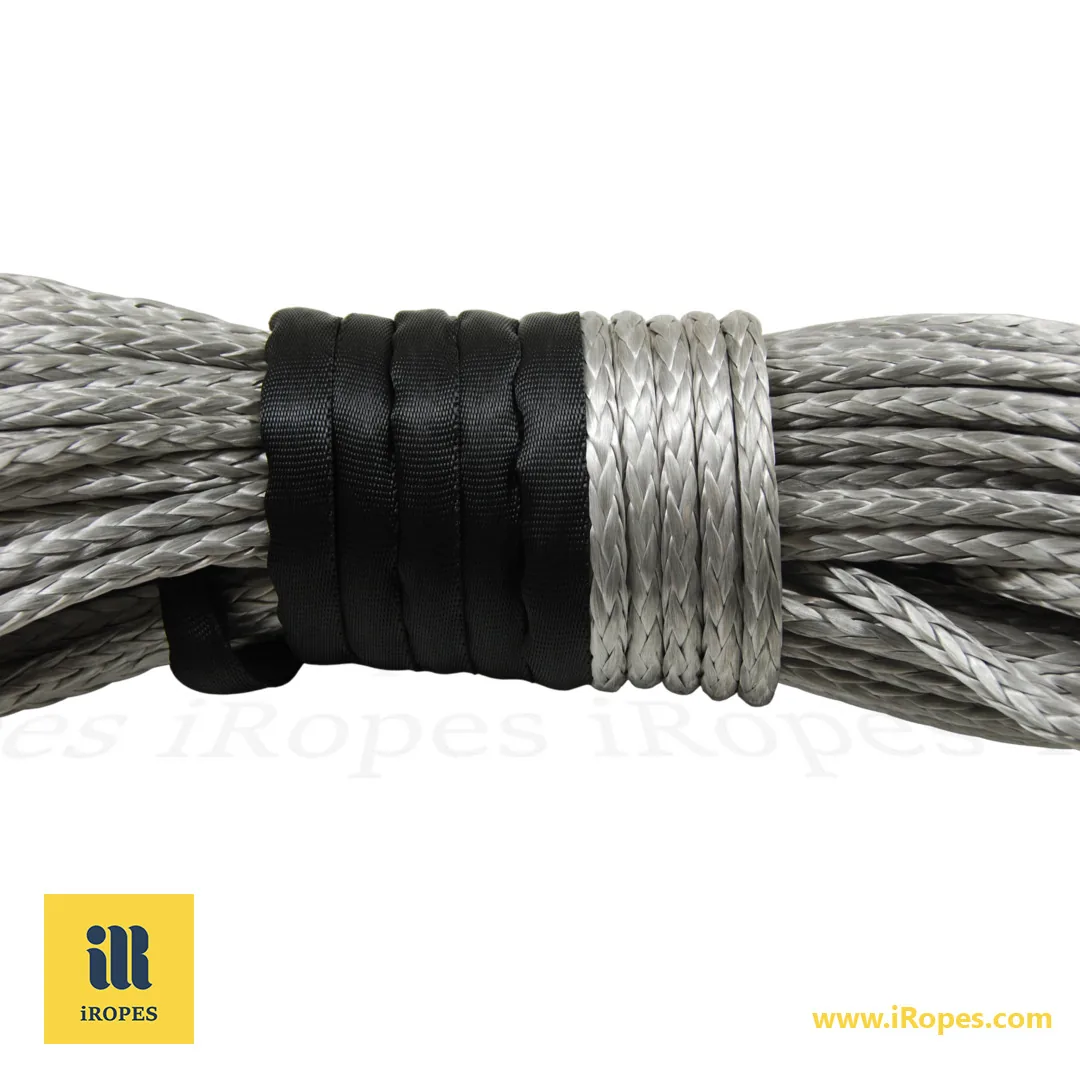
Nylon thimbles fortify your anchor ropes against chafe, extending lifespan by up to twice the normal duration in saltwater and preventing the kind of failures that strand vessels. This lightweight safeguard delivers 20-30% stretch for unmatched shock absorption at sea, crucial for secure anchoring.
Unlock Marine Mastery in 12 Minutes →
- ✓ Absorb shocks effortlessly: Harness nylon's 20-30% elasticity to cut boat strain, solving dynamic load woes in stormy conditions.
- ✓ Eliminate chafe vulnerabilities: Shield rope eyes from wear that weakens lines, gaining years of reliable anchoring performance.
- ✓ Master seamless installation: Splice thimbles to retain up to 95% rope strength—far surpassing knots for pro-level setups.
- ✓ Customise for your fleet: Tailor diameters and materials via iRopes' ISO 9001 expertise, boosting wholesale efficiency with compliant solutions.
You've likely knotted your anchor ropes before, convincing yourself they're tough enough. Yet, that simple tie can slash strength by as much as 50%, transforming minor swells into potential catastrophes mid-voyage. Instead, imagine splicing in a nylon thimble; this approach evenly spreads loads to forge bulletproof connections that withstand the constant grind of saltwater. As we unpack the integration steps, benefits, and iRopes' bespoke marine tweaks, you'll uncover the hidden edge for keeping your operations anchored securely, no matter the tide.
Understanding Nylon Rope Thimble: The Foundation of Reliable Anchor Lines
When you're out on the water, nothing provides greater peace of mind than knowing your anchor line won't let you down. Nylon rope has long been a preferred choice for boaters due to its unique qualities, perfectly suited for the unpredictable marine environment. Consider the constant challenges: crashing waves, strong winds, and sudden jerks from gusts. Nylon excels in these conditions, offering impressive elasticity, stretching effectively by 20-30% under load before returning to its original length. This isn't just flexibility; it's built-in shock absorption that cushions both your vessel and anchor from harsh, dynamic forces.
Is nylon rope good for anchoring? Absolutely, and its benefits are clear. This inherent stretch absorbs wave and tide energy, significantly reducing strain on your vessel and gear. Without it, you'd face constant jolts, leading to accelerated wear. Moreover, nylon boasts excellent abrasion resistance, effectively standing up to rough seabeds or friction against deck hardware. Many experienced sailors attest to its reliability after challenging nights at anchor, situations where other materials might fray or fail.
Crucial to any robust setup is the nylon rope thimble—a simple yet vital insert that fits into the rope's eye splice. Think of it as a protective sleeve, often teardrop or oval-shaped, designed to shield the looped end of your rope from chafe and everyday wear. Without a thimble, constant rubbing against shackles, chains, or the anchor itself can quickly degrade the fibres, creating weak points. The thimble maintains the eye's shape, distributes pressure evenly, and substantially extends the line's lifespan. In marine terms, it's the unsung hero preventing minor frays from escalating into major problems.
- Elasticity - Allows the rope to elongate under tension, absorbing shocks from waves without snapping.
- Shock Absorption - Dampens sudden loads, protecting your boat's bow roller and anchor from excessive force.
- Abrasion Resistance - Resists wear from contact with rough surfaces, ideal for dragging along seabeds.
For marine use, nylon ropes come in a couple of main constructions, each suiting different needs. Three-strand twisted nylon is straightforward and cost-effective, offering good strength and easy handling—ideal for basic anchoring on smaller boats. Then there's double-braided nylon, featuring an inner core of fibres covered by a braided jacket. This construction combines the necessary stretch with added smoothness and reduced bulk, making it a popular choice for yachting where hassle-free coiling and reliable performance under load are paramount.
Choosing between these constructions depends on your specific setup, yet both pair seamlessly with a nylon thimble to create a robust anchor line. Whether navigating tidal swings or facing stormy conditions, this combination ensures your rope holds up precisely when it matters most.

With a solid grasp of nylon rope thimbles, let's explore the specific advantages and types of nylon thimbles to truly optimise your setup.
Nylon Thimble: Benefits, Types, and Compatibility Considerations
Building on the critical role nylon rope thimbles play in maintaining the strength of your anchor lines, it's beneficial to understand what truly sets these components apart in real-world marine applications. A nylon thimble is far more than a mere filler; it's a strategic choice that delivers practical advantages to your marine setup, particularly when contending with daily saltwater exposure and constant motion.
A key benefit is its lightweight construction, which avoids adding unnecessary bulk to your boat's rigging. This lighter weight makes handling easier, especially during long days on the water. Another notable feature is its non-marring surface—unlike metal, nylon won't scratch your deck or hull, thereby preserving your vessel's finish over time. Furthermore, in harsh corrosive environments, nylon completely resists rust, making it a dependable option for light to medium-duty tasks where excessive strength isn't required but reliability is paramount.
Nylon Thimbles
Lightweight Protection
Non-Rusting
Saltwater won't degrade it, ideal for casual boating without heavy maintenance.
Surface-Safe
Prevents scratches on boat surfaces during frequent connections.
Easy Handling
Light weight reduces fatigue when rigging or stowing gear.
Stainless Steel Thimbles
Heavy-Duty Durability
Superior Strength
Handles extreme loads in rough seas, perfect for larger vessels.
Corrosion Resistant
Endures long-term exposure but may pit over years without care.
Robust Build
Offers maximum protection for high-stakes anchoring operations.
When selecting between nylon and stainless steel thimbles, consider your specific operational demands. Nylon suits setups prioritising ease of use and surface protection, whereas stainless steel excels in tougher scenarios demanding maximum strength. Have you ever replaced a metal part because it marred your deck? That's precisely where nylon thrives, delivering performance without cosmetic compromise.
Ensuring correct compatibility is crucial for avoiding recurring issues. Begin by matching the thimble's inner width to your rope's diameter; if it's too loose, it will shift under pressure, and if it's too tight, splicing becomes difficult. This precise fit ensures even load distribution, spreading forces across the eye rather than concentrating them in weak points. Nylon thimbles perform reliably in various conditions, from calm bays to moderate swells. However, in extreme scenarios such as severe storms, a metal thimble might offer greater resilience.
A nylon anchor, essentially a thimble-equipped nylon line, primarily serves for secure mooring and anchoring in boating. It significantly boosts rope longevity in saltwater by protecting against the elements that degrade fibres over time, allowing you to focus on the voyage rather than constant repairs.

Now that we understand the various types and benefits, let's discover how to integrate a nylon thimble into your system for maximum performance.
Setting Up Anchor with Thimble: Installation Techniques and Applications
Integrating an anchor with thimble into your setup elevates its reliability, creating a practical, hands-on system capable of enduring the sea's rigorous demands. Proper installation is crucial here, ensuring your line performs without weak links. Rather than relying on knots, which can reduce rope strength by up to 50%, splicing creates a seamless, durable eye that retains nearly full tensile power. This technique is well worth learning if you manage your own rigging, though pre-spliced options are also available from specialists.
Splicing involves expertly weaving the rope's strands around the thimble to form a permanent loop. Essential tools include a fid—a tapered implement that assists in pushing fibres through the rope—and some marline or tape to secure the ends during the process. This method not only protects the eye but also ensures everything remains compact and efficient for onboard storage.
Ever wondered how to tie a nylon rope to an anchor? The optimal approach begins by creating an eye splice around the thimble, forming a secure loop at the rope's end. From there, attach a shackle through the thimble's opening to link it to your anchor chain or directly to the anchor. This configuration provides an additional layer of chafe protection where the rope meets metal hardware, preventing the gradual wear that leads to potential failures over time. It's a straightforward process once mastered, significantly expediting and enhancing the safety of anchor deployment on busy mornings at sea.
- Measure and mark the rope end, allowing sufficient length for the splice based on your rope's diameter (typically 2-3 times its circumference).
- Insert the thimble into the rope's path, using the fid to separate and weave strands over and under to encircle it tightly.
- Smooth and tighten the splice, then whip or tape the bitter end to prevent slippage under load.
- Test the connection by applying gradual tension, ensuring the thimble sits flush without pinching fibres.
One of the true strengths of this installation method lies in its optimised load distribution. During anchoring, sudden pulls from wind or current can create shock loads that spike to several times the normal tension. By effectively spreading these forces across the eye's surface, the thimble minimises localised stress, substantially extending the rope's lifespan—often doubling it in demanding conditions. Consider it as providing your line with a balanced foundation, similar to distributing weight evenly in a backpack to prevent discomfort on a long hike. For deeper insights into how thimble eye slings prevent marine catastrophes, explore advanced rigging strategies that enhance safety in high-stakes environments.
These expertly configured setups excel in practical scenarios where dependability is paramount. For yachting, they deliver smooth connections that manage tidal shifts without incident. Mooring lines benefit from reduced wear during extended stays, and in defence operations, that evenly distributed force can be the critical factor between a secure hold and an unexpected drift during sensitive manoeuvres. If you've ever experienced a line chafing through mid-voyage, you'll profoundly appreciate how this solution prevents such tense situations.

Once in place, these custom-fitted elements pave the way for tailored solutions that precisely match your exact operational needs, from material adjustments to complete assemblies designed for wholesale distribution.
Custom Nylon Rope Thimble Solutions: iRopes' Expertise for Marine Excellence
Once you've expertly spliced that thimble in and your anchor line is primed for deployment, the true transformation happens when you require something specifically crafted for your operations. At iRopes, we go far beyond standard off-the-shelf components. We engineer nylon rope thimble solutions that perfectly match your wholesale demands. Whether you're outfitting a fleet of yachts or supplying gear for critical coastal patrols, our OEM and ODM services empower you to meticulously refine every detail, ensuring seamless marine operations.
Customisation begins with the fundamentals but extends to any depth you require. We can meticulously adjust diameters from 3/8 inch up to 1 inch or more, precisely matching your rope's load requirements without unnecessary bulk. Need specific lengths? We cut to your exact specifications, whether it's 150 feet for day sails or 600 feet for extensive offshore work. Colour also plays a significant role; opt for high-visibility yellow for safety or match your brand's blue for a refined, professional look. As for the thimble itself, choose durable nylon for its lightweight advantage or stainless steel for enhanced toughness, if your setup necessitates it. All our products ensure compliance with crucial marine standards, covering aspects like UV exposure and load ratings, while also allowing for your logo to be seamlessly integrated for consistent branding. This isn't merely rope; it's a vital extension of your business identity. For more on customization options, discover how factors like material and construction can be tailored to optimize performance in marine applications.
Custom Diameters
Precisely sized to your rope, ensuring optimal fit and perfect load handling in any marine scenario.
Branded Colours
Tailored hues that align with your fleet or packaging, boosting visibility and professional appeal.
Exact Lengths
From short mooring lines to full rodes, cut to your specs for efficient storage and deployment.
Material Choices
Select thimble types for corrosion-free performance, meeting your environmental and strength needs.
What truly distinguishes iRopes is our unwavering commitment to quality. You can confidently rely on our products, particularly when shipping to discerning markets in Europe or North America. Our ISO 9001 certification signifies that every nylon thimble and rope assembly undergoes rigorous testing in our state-of-the-art facilities, where skilled teams ensure precision down to the very strand. We manage every step, from initial design to final packaging, with robust IP protection ensuring your custom ideas remain exclusively yours—free from leaks or unauthorised copies. For wholesale buyers, this commitment translates into reliable batches that arrive on time, ready for immediate deployment without any unexpected complications.
To keep that anchor with thimble performing reliably season after season, a modest amount of upkeep goes a long way. Regularly inspect your lines for signs of wear, such as fuzzing at the eye or discolouration from sun exposure. Nylon can degrade under UV rays, so after each use, rinse off any salt with fresh water and a mild soap to prevent buildup. Store coiled lines in a cool, dry place away from direct sunlight, and consider replacing the entire setup every 3-5 years or after extensive use—whichever occurs first. This routine not only helps detect issues early but also significantly extends the life of your gear, saving you considerable hassle on subsequent outings.
Our versatility also extends to how we handle different rope types. While splicing is optimal for fibre ropes like nylon—creating a clean, strong eye—wire rope necessitates a distinct approach, often involving seizing or clamps to secure the thimble without unravelling the strands. iRopes proficiently navigates both domains, offering tailored advice and manufacturing for whatever your clients require, ensuring every connection remains robust and dependable. To master splicing techniques that retain up to 95% strength, check out resources on 3-strand splices for durable marine use.

These tailored approaches not only safeguard your investments but also foster the kind of reliability that transforms one-time orders into enduring partnerships.
Integrating a nylon rope thimble into your anchor lines transforms vulnerable setups into resilient systems capable of withstanding the sea's relentless demands. As we've explored, nylon's inherent elasticity and shock absorption make it ideally suited for marine anchoring. The nylon thimble, in turn, diligently shields against chafe, ensures even load distribution, and significantly boosts longevity in corrosive saltwater environments. Compatibility largely depends on precisely matching thimble sizes to rope diameters for seamless fits, with dedicated splicing techniques consistently outperforming knots to retain nearly full rope strength. This is crucial for applications like yachting, mooring, or defence operations, where failure is simply not an option.
From lightweight, non-marring designs to custom OEM solutions delivered through iRopes' ISO-certified expertise, these enhancements elevate performance without introducing additional complexities. For personalised advice on installation or bespoke options tailored to your wholesale needs, securing the right support can further optimise your gear.
Need Custom Nylon Thimble Solutions? Get Expert Guidance
If you're prepared to explore personalised nylon thimble integrations or anchor with thimble setups for your operations, complete the inquiry form above to connect directly with iRopes' specialists—they are dedicated to crafting solutions that precisely match your marine requirements.