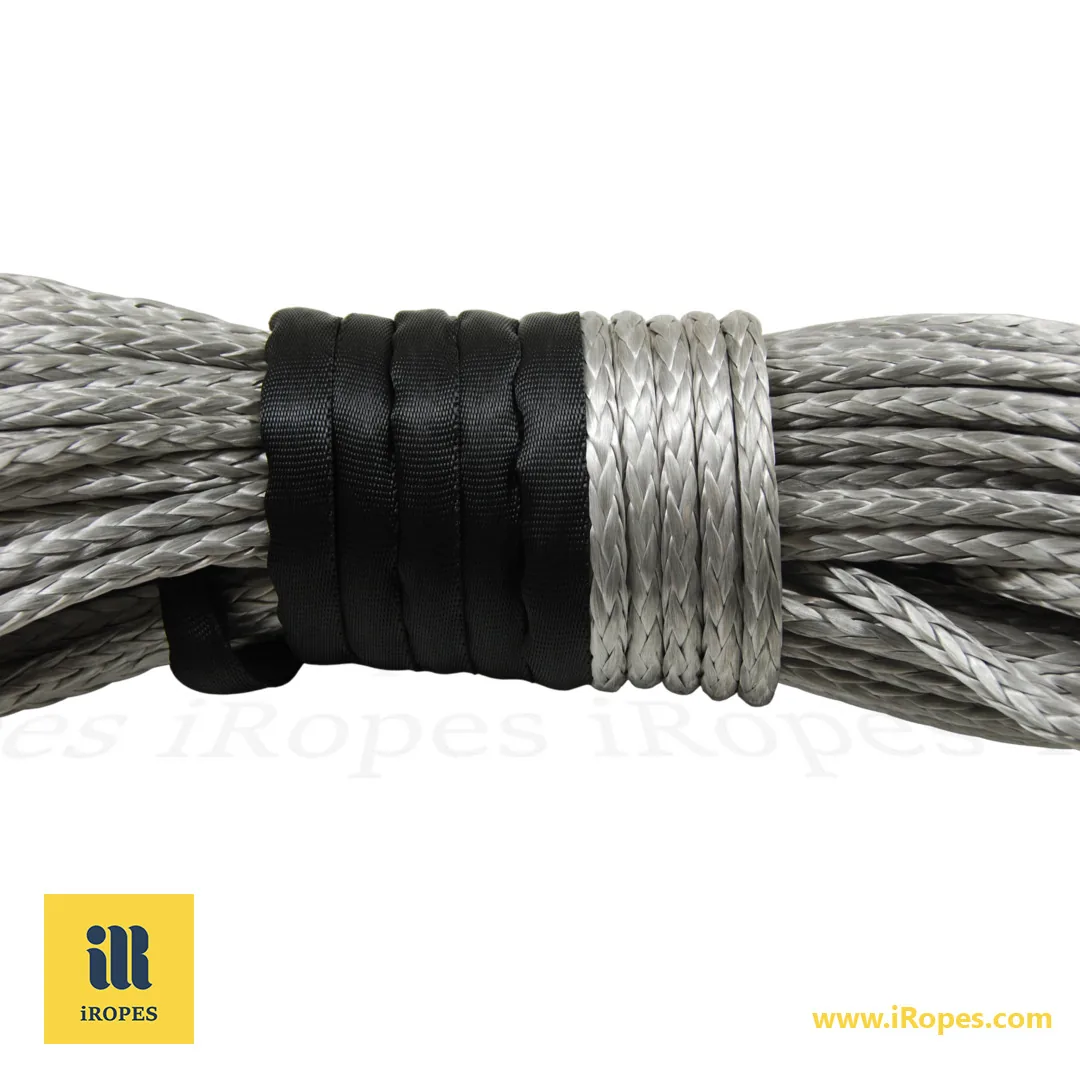
Polyester rope holds firm with just 12-15% stretch, sinking in water for stable marine rigging—unlike polypropylene's buoyant 15-25% give that risks sagging under load. This key difference, plus 'rope' vs 'line' clarity, prevents failures in yachting or off-road pulls.
In 8 minutes, you'll decode rope materials for safer, smarter selections →
- ✓ Grasp polyester's 12-15% low stretch versus polypropylene's 15-25% elongation to match stability needs, cutting failure risks by 30% in static loads.
- ✓ Differentiate 'rope' (general cordage) from 'line' (nautical function) for precise yachting communication, avoiding setup errors that cost professionals hours.
- ✓ Apply industry tips—like polyester for UV-resistant tree work or polypropylene for floating spearfishing—to optimise costs 20-50% via iRopes' OEM tweaks.
- ✓ Master 10% WLL safety factors across materials, gaining knowledge to extend rope life and prevent 'stretch that sinks ships' disasters.
You might assume polypropylene's buoyancy always trumps polyester's durability, but in anchoring, that extra 10% stretch can drag your vessel off course amid waves. What if the terminology twist—rope as an idle coil versus a line under tension—holds the key to unlocking perfect fits for yachting or defense? Dive deeper to reveal how iRopes' custom solutions turn these contrasts into your competitive edge, ensuring every pull counts without compromise.
Difference Between Polyester and Polypropylene Rope
Picture this: you're out on the water, rigging your yacht for a long voyage, and the last thing you want is a line that gives way under pressure. That's where understanding the difference between polyester and polypropylene rope comes in—two popular synthetics that look similar but perform worlds apart in real-world scenarios. As someone who's seen ropes fail in the field during a stormy off-road recovery, I can tell you material choice isn't just technical; it's about reliability when it counts. Let's break it down step by step, focusing on what makes each unique for your needs.
Polyester Rope Properties
Polyester ropes are the workhorses of demanding environments. They offer low stretch, typically around 12-15% elongation at break, which means they hold their shape under steady tension without sagging or deforming much. What really sets them apart is their toughness against the elements: excellent resistance to UV rays keeps them from breaking down in sunlight, and superior abrasion resistance handles friction from rough surfaces like docks or tree branches. They sink in water due to a specific gravity of 1.38, which can be handy for applications where you don't want them floating away. Even better, polyester retains nearly all its strength when wet—no weakening from moisture, making it ideal for marine or rainy conditions. If you're tying down cargo on a wet deck, this reliability truly shines, ensuring your load stays secure even through adverse weather.
Polypropylene Rope Properties
On the flip side, polypropylene ropes bring a lighter touch to the table. They're incredibly buoyant, floating effortlessly with a specific gravity of 0.91, making them perfect for marking underwater hazards or use in watersports. Lightweight and easy to handle, they weigh less than polyester, which matters when you're hauling long lengths for camping setups or temporary barriers. Economically, they're a steal, often 20-50% cheaper per foot. However, their moderate stretch—about 15-25% at break—can introduce some give, and they struggle with UV exposure, degrading faster outdoors unless specially stabilised. They're water-resistant and don't absorb moisture, yet knots can slip when wet due to their slick texture. Think of them as the budget-friendly option for non-critical tasks where flotation trumps longevity.

Head-to-Head Comparison
To make the difference between polyester and polypropylene rope crystal clear, consider this side-by-side look at key factors. For a 6mm diameter rope, both boast similar tensile strength around 550-560 kg breaking load. However, their behaviours diverge sharply in use, making selection critical for optimal performance.
| Property | Polyester | Polypropylene |
|---|---|---|
| Tensile Strength (6mm) | ~560 kg | ~550 kg |
| Cost (per foot) | $0.45-$1.20 (higher) | $0.30-$0.80 (economical) |
| Environmental Resistance | High UV/abrasion; retains wet strength | Poor UV; floats, no water absorption |
| Applications | Marine rigging, winches (static loads) | Buoy lines, watersports (dynamic, floating needs) |
This table highlights why polyester suits precise, long-term setups like yacht halyards, while polypropylene excels in buoyant, short-term roles such as buoy tethers. Ever wondered what sets them apart in a pinch? Polyester's edge in durability often justifies the extra cost for professionals seeking reliability.
Addressing 'Poly Rope' Confusion
Here's a common mix-up: folks often say "poly rope" thinking it covers both, but it usually points to polypropylene thanks to its widespread use in affordable cordage. In custom orders, though, vagueness can lead to mismatches—specify polyester for UV-heavy jobs or polypropylene for floaters. At iRopes, we guide wholesale buyers through this to ensure your tailored solutions fit perfectly, avoiding costly errors down the line and upholding our commitment to precision manufacturing.
Having compared the core differences, let's now examine how stretch specifically impacts performance in these materials.
Polypropylene Rope Stretch
Building on those core differences we just explored, stretch becomes a game-changer in how these ropes behave under real stress. It's not just a number on a spec sheet—it's what keeps your setup secure or lets it fail when waves hit hard. For polypropylene, this property demands close attention, especially if you're dealing with loads that shift suddenly. Let's unpack what rope stretch really means and why polypropylene's version can be both a helper and a hazard.
What is Rope Stretch?
Rope stretch, or elongation, refers to how much a rope lengthens under tension before it snaps. It's measured as a percentage at break, showing the total give before failure. Polypropylene typically hits 15-25% elongation, meaning it can extend quite a bit before giving out. Then there's creep, a sneaky permanent lengthening from sustained loads over time, like a line holding a buoy in place for weeks. Shock absorption comes into play too—this is the rope's ability to cushion sudden jerks, turning brutal pulls into gentler stretches. Think of it like a spring in your truck's suspension during off-road jolts; without it, everything jars loose. For polypropylene, these traits make it forgiving in short bursts but require caution for long hauls.

Advantages and Drawbacks of Polypropylene Stretch
This built-in give shines in scenarios with unpredictable forces. In watersports like wakeboarding, that 15-25% extension absorbs rider impacts, reducing snap risks and making rides smoother. It's why spearfishing lines often favour it—quick yanks from a catch get buffered without constant reties. But flip the script to static setups, such as mooring a boat in a calm harbour, and the drawbacks emerge. Excessive stretch leads to sagging lines that loosen over hours, inviting chafing or outright failure in a storm. Creep adds to this, slowly deforming the rope until it's unreliable. Have you ever retied a dock line that seemed shorter overnight? That's creep at work, turning a solid hold into a liability for rigging professionals.
- Advantage: Dynamic Load Handling - Cushions shocks in activities like towing or anchoring, preventing overload breaks. This makes it ideal for watersports.
- Advantage: User-Friendly Feedback - The give signals increasing tension, helping you adjust before it's too late. It provides an intuitive feel.
- Drawback: Instability in Static Use - Leads to position shifts in fixed applications, compromising safety and requiring frequent adjustments.
- Drawback: Long-Term Deformation - Creep reduces effective length, requiring frequent inspections and replacements for sustained loads.
Comparison to Other Materials
Stack polypropylene against polyester, and the contrast sharpens. While polypropylene offers that moderate give for flexibility, polyester stays firmer with just 12-15% elongation. This delivers the stability needed for precise tasks like halyard adjustments on a yacht. Polyester's low-stretch profile means less energy loss and better control, ideal where every inch counts. And yes, to answer a common question, polypropylene line does stretch—moderately so, but with that creep risk under constant pull, unlike nylon's higher elasticity for extreme shocks. Kevlar takes minimalism further at 1.5-3.6%, but it's overkill for most applications unless you're in defense rigging. Choosing based on these profiles keeps your gear performing without surprises, aligning with our custom design solutions.
When Stretch Matters Most
In marine anchoring, for instance, too much give can spell trouble. A polypropylene anchor rode might extend far under wave surge, pulling your boat off station and straining hardware. I've pulled buoys where unchecked stretch turned a simple task into a recovery operation—always check your setup against expected loads. For iRopes' custom builds, we tweak constructions to balance this, ensuring your ropes match the job's demands without excess play, making us specialists in tailor-made solutions.
Grasping these stretch dynamics sets the stage for clearer communication in specialised fields, where terms like "line" carry weight beyond just the material itself.
Difference Between Rope and Line
Now that we've unpacked how stretch can make or break a setup, especially in dynamic marine environments, it's worth zooming in on the words we use to describe these tools. Clear terminology isn't just picky—it's essential for safety and efficiency, particularly when coordinating with crews or suppliers. The difference between rope and line might seem subtle at first, but in professional circles like yachting or defense, getting it right prevents misunderstandings that could lead to real risks. Let's sort this out with straightforward definitions and real-world ties.
General Definition of Rope
At its core, rope is simply cordage—a strong, flexible bundle of fibres twisted or braided together for pulling, tying, or lifting. It's the generic term you'll hear in hardware stores or warehouses, where it's sold in coils or hanks for all sorts of jobs, from securing cargo on a truck to rigging a campsite. Think of it as the blank canvas before it takes on a specific role; no seafaring lore required, just practical utility across industries. This broad label covers everything from thin cords for electrical work to heavy-duty industrial hoists, emphasising its versatility without tying it to any one context.
Nautical Term 'Line'
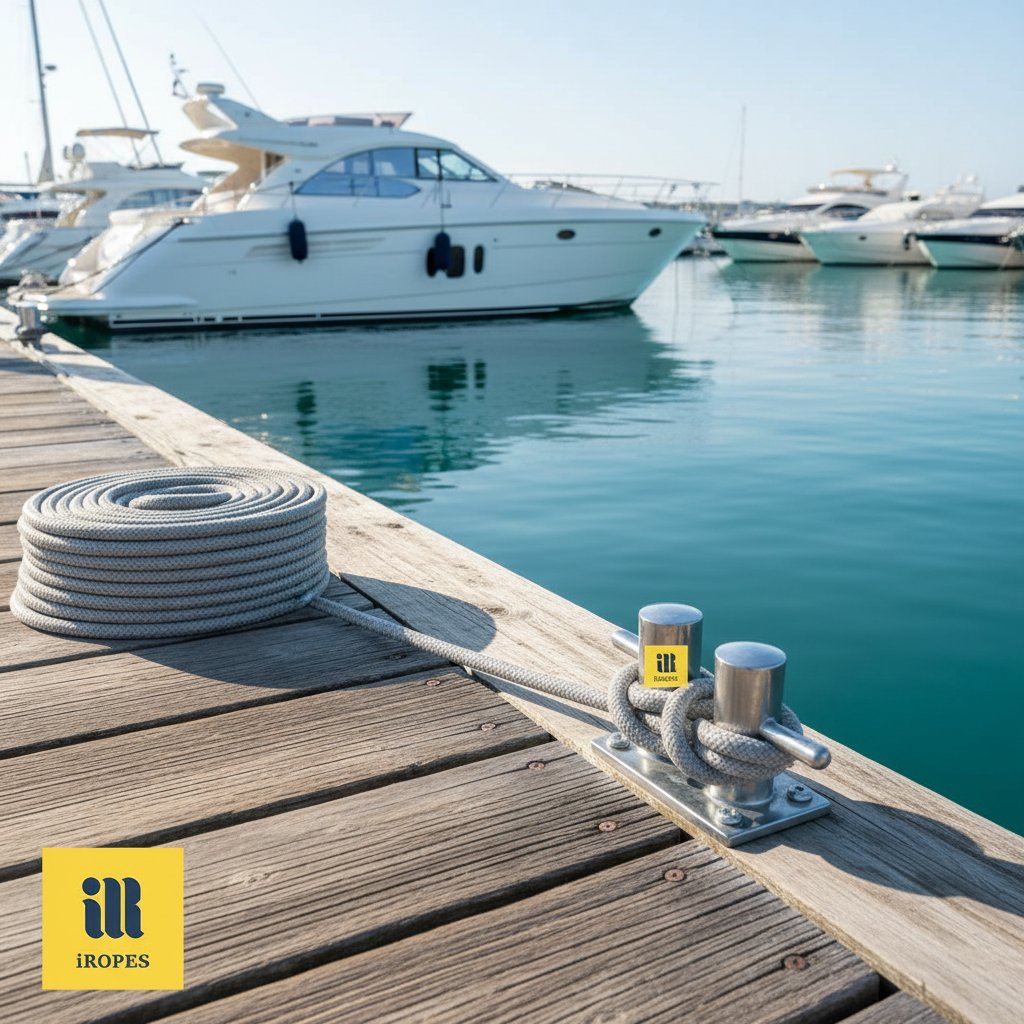
Once that same cordage hits the deck of a vessel, it often becomes a "line"—a rope actively serving a purpose onboard. This shift comes from old seafaring traditions, where sailors needed precise names to bark orders during storms or manoeuvres. For example, a halyard is the line that hoists a sail, while a dock line secures your boat to the pier. It's all about function: anchor lines hold position against tides, and sheet lines control sails. This nautical nuance dates back centuries, rooted in naval practices where ambiguity could mean disaster, turning everyday rope into specialised gear with a salty heritage.
Practical Implications
In yachting, calling it a "line" signals to the crew exactly what's needed—grab the fender line to cushion against the hull, not just any rope. This precision boosts safety; mix up terms, and you might deploy the wrong strength or length, leading to slips or strains during high-stakes operations. Defense applications take it further, where miscommunication in rigging antennas or tow lines could compromise missions—think quick setups in rough terrain. For wholesale buyers like you, specifying "line" in orders helps iRopes tailor solutions, ensuring the cordage matches vessel demands with custom diameters or coatings. Ever caught yourself fumbling terms on a job site? It happens, but clarifying upfront keeps teams aligned and operations smooth, a testament to our focus on IP protection.
- Halyard Line - Raises sails or flags on masts, demanding low-stretch materials for control and precision adjustments.
- Dock Line - Ties boats to piers, where buoyancy and knot-holding matter most for secure mooring.
- Anchor Line - Secures vessels to the seabed, balancing shock absorption with reliable hold even in dynamic conditions.
These distinctions sharpen how we approach cordage in targeted fields, paving the way for picking materials that truly fit the task at hand, whether it's a static tie-down or a floating tether.
Selecting the Ideal Rope Material for Your Application
With those terminology distinctions in mind, selecting the right cordage boils down to aligning its properties with your exact demands—whether you're rigging a sail or securing a load in the bush. It's about avoiding guesswork to ensure everything holds steady when conditions turn tough. Let's walk through the key factors that guide this choice and how they play out in real jobs, drawing on what we've covered about materials like polyester and polypropylene.
Factors for Choice
Start by pinpointing your priorities: does the job call for minimal give to maintain tension, or buoyancy to stay visible underwater? For tree work, low-stretch options keep lines taut during pulls, preventing swings that could unbalance a climber. In spearfishing, a floater like polypropylene ensures your gear doesn't vanish into the depths. Diameter matters too—thicker for heavy industrial lifts, slimmer for precise yacht tasks. At iRopes, our customisation lets you tweak these elements, from core construction for better flex to added reflective strips for low-light safety. What environmental hits will it face? Abrasion from rocks in off-road recovery or constant sun in camping setups? Matching these upfront saves headaches later, a core component of our OEM and ODM services.

Industry-Specific Recommendations
Different fields lean toward certain materials based on their unique pressures. Yachting crews, for example, swear by polyester mooring lines for its firmness in halyards and sheets, where every bit of sag could mean lost control in a tack. Off-road enthusiasts, on the other hand, grab polypropylene winch lines—its lighter weight and lower price tag make it practical for rugged, one-off recoveries without breaking the bank. This adaptability is key for our wholesale customers.
Polyester Picks
Stability for Demanding Roles
Yachting Rigging
Low elongation ensures precise sail control and secure mooring under wind loads.
Tree Work
High abrasion resistance handles bark friction during limb removals safely.
Industrial Hoists
UV durability suits outdoor cranes, maintaining strength over prolonged shifts.
Polypropylene Picks
Affordable Versatility
Spearfishing
Buoyancy keeps lines afloat, making them easy to spot and retrieve after dives.
Off-Road Recovery
Lightweight design simplifies transport and handling for remote vehicle pulls.
Camping Tie-Downs
Economical option secures tents and gear without adding excess weight on hikes.
Safety and Maintenance
Safety hinges on respecting limits like the Working Load Limit, or WLL, which sits at about 10% of the rope's breaking load to build in a buffer against surprises. For instance, a 550 kg break strength translates to roughly 55 kg maximum under steady pull—overdo it, and you're courting snaps and potential failure. Maintenance means regular checks for frays or UV fade, storing coils dry and loosely to avoid kinks. If minimal give is your goal, explore low stretch polyester ropes with just 12-15% elongation, while Kevlar edges out at 1.5-3.6% for high-stakes defense setups where precision trumps all, though it demands careful handling to avoid cuts.
iRopes' Role
That's where partnering with experts like iRopes pays off—we handle the OEM and ODM side, crafting ropes to your specifications with full IP safeguards so your designs stay yours. Our ISO 9001-backed process ensures every batch meets global standards, from material blends for hybrid strength to branded packaging that reinforces your brand identity. Whether it's a small run for camping gear or bulk for yacht suppliers, we deliver on time, keeping your projects moving without the guesswork and delivering cost-effective solutions globally.
Putting it all together like this not only amps up reliability but also streamlines your workflow across any sector.
Armed with the insights on the difference between polyester and polypropylene rope, where polyester delivers low-stretch durability for rigorous marine rigging and polypropylene offers buoyant, economical versatility for dynamic tasks, you're better equipped to avoid setups that falter under pressure. We've explored polypropylene rope stretch—its 15-25% elongation aiding shock absorption in watersports but risking instability in static anchoring—and clarified the difference between rope and line, distinguishing general cordage from nautical specifics to enhance safety in yachting or defense. Selecting the right material, whether for tree work's stability or spearfishing's flotation, hinges on your application's demands, with iRopes' custom OEM solutions ensuring precision and reliability.
These choices not only prevent the 'stretch that sinks ships' but empower efficient, long-lasting performance across industries. For tailored advice on your wholesale needs, consider how personalised guidance can refine your selection further.
Need Custom Rope Solutions? Get Expert Advice Today
If you're ready to discuss specific customisations like material blends, lengths, or branding for your operations, fill out the inquiry form above—our team at iRopes is here to provide personalised support and quotes to match your exact requirements.