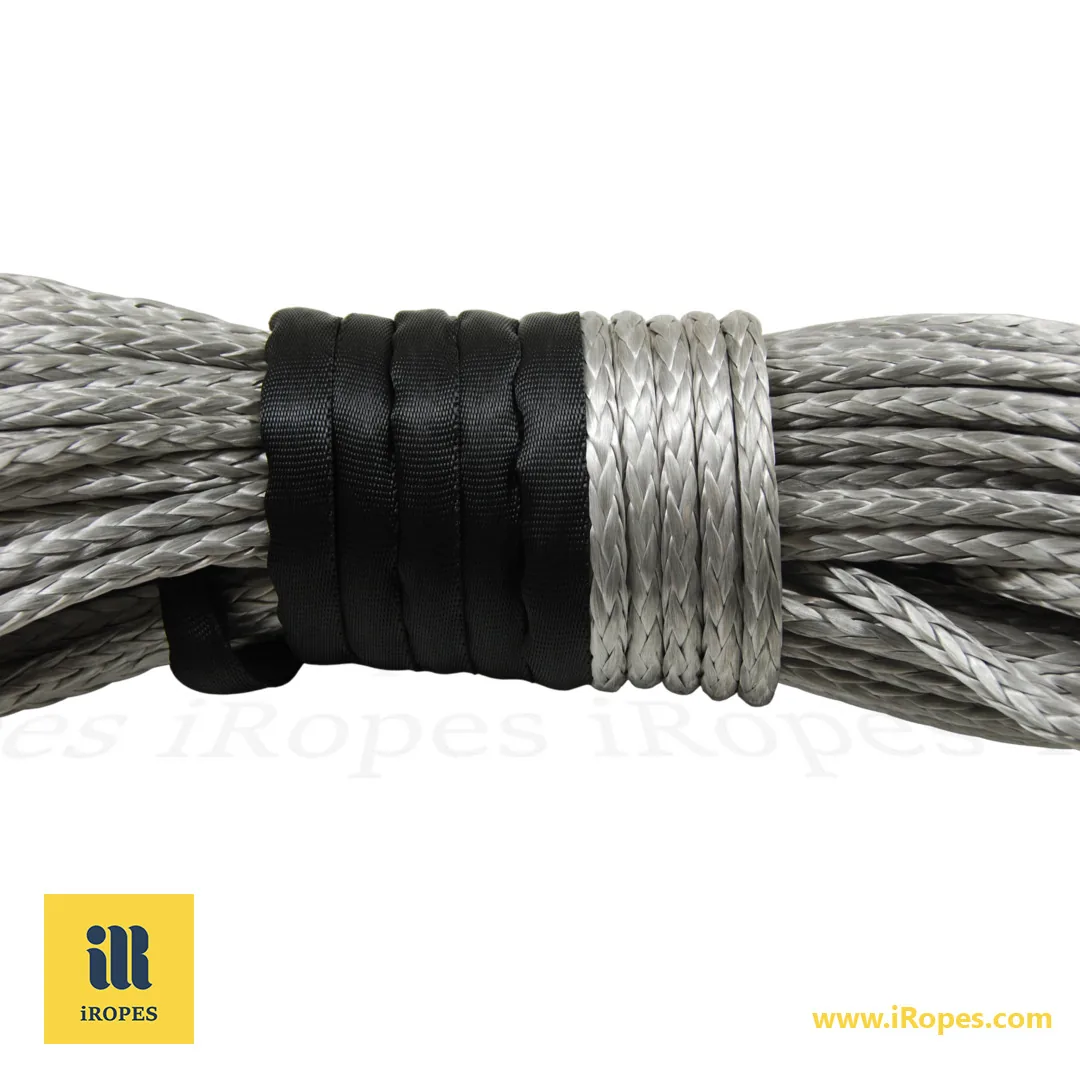
⚠️ Shocking truth: Misaligned rope guides sabotage marine lifts, spiking failure risks through tangling and wear—yet fixing these flaws with iRopes' custom solutions slashes downtime.
Unlock Safer, Smoother Lifts in 12 Minutes
- ✓ Identify 4 critical flaws, including material incompatibility, that erode rope life in saltwater, arming you to prevent disasters.
- ✓ Master guide types—bolt-on versus fairleads—for vessel-specific needs, enhancing load control and reducing friction.
- ✓ Nail selection criteria, matching diameter to loads, ensuring ISO-compliant setups that boost operational efficiency.
- ✓ Gain installation and maintenance tactics to extend gear lifespan, solving wear issues for reliable marine hoists.
You might believe your rope guides are holding up against the relentless sea spray and swells, but what if they are secretly accelerating wear through subtle misalignments? Picture a routine hoist turning chaotic when tangles strike mid-lift—costing thousands in repairs and risking crew safety. **iRopes' tailored OEM designs** transform these vulnerabilities into unbreakable performance. Discover the precise steps that elite operators swear by for flawless execution.
Shocking Flaws in Rope Guides Sabotaging Marine Lifting Operations
Imagine being on the deck of a cargo ship, waves crashing against the hull, as your crane begins lifting a heavy load. Everything appears fine until the rope starts spooling unevenly, twisting and tangling before your eyes. This scenario is the kind of nightmare that misaligned rope guides can create in marine lifting operations. Designed to keep ropes running smoothly, these guides often fall short in harsh saltwater conditions. They turn routine lifts into potential disasters. Let's dive into some eye-opening issues that could be undermining your setups without you even realising it.
First off, misalignment is a sneaky culprit. When rope guides aren't perfectly aligned with the hoist or winch, the rope doesn't spool evenly on the drum. This leads to tangling, where strands cross over each other and create weak spots that cause load instability. Consider attempting to haul cargo on an offshore rig—sudden jerks from a tangled rope could shift the entire load, risking everything from equipment damage to crew safety. In my experience working with marine crews, even a slight offset of a few degrees can transform a reliable lift into a heart-pounding scramble.
- Incompatible materials speed up wear in saltwater. Salt and moisture quickly corrode metal guides. This increases friction that grinds away at your ropes, especially synthetics like high-modulus polyethylene (HMPE), which is the go-to for heavy lifting due to its unbeatable strength-to-weight ratio. This not only shortens rope lifespan but also invites unexpected failures during critical hoists.
- Poorly designed fairleads fail to cut friction. These systems, if not shaped correctly, allow ropes to rub harshly against deck hardware, leading to gouges and breaks. It's like dragging a heavy chain over rough concrete—over time, it wears everything down, heightening safety risks when loads swing unpredictably in rough seas.
- Overlooking vessel configurations amplifies problems. What works on a cargo ship might not be suitable for an offshore rig, where space is tight and motions are wilder. Ignoring these differences means guides that don't handle the unique stresses, turning minor operations into major headaches with the potential for catastrophic drops.
Have you ever wondered why some lifts go smoothly while others feel like a gamble? It's often because operators overlook the 3-6 wire rope rule during inspections. This rule states that you must discard any rope with three broken wires in one strand or six in a lay length to avoid hidden dangers. However, even with solid ropes, flawed guides can sabotage the entire system. In marine environments, where corrosion and constant motion are persistent threats, these issues aren't just inconvenient; they can lead to costly downtime or worse.
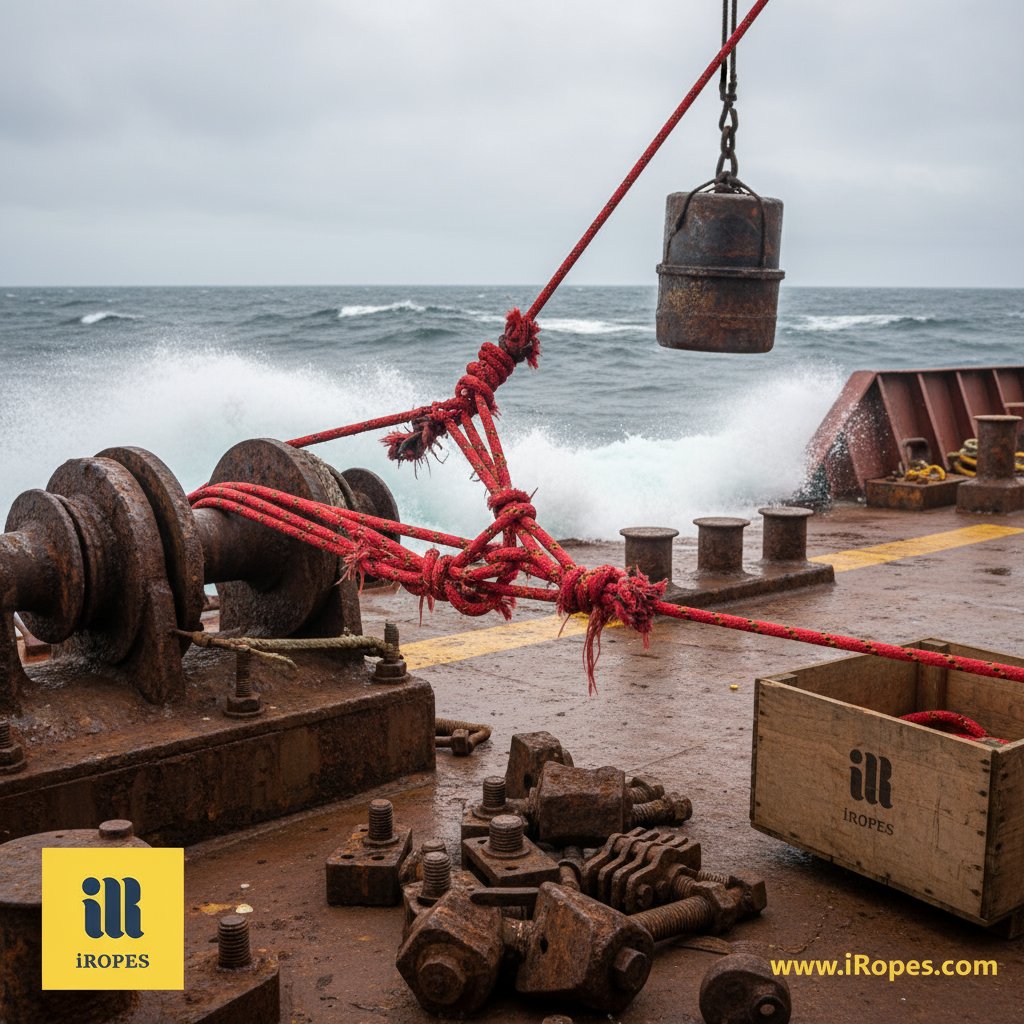
Taglines help control rotation on suspended loads, but if your **rope guides** are off, even they can't prevent unwanted spins. Such spins could throw off balance and damage equipment. Spotting these flaws early means checking alignments and materials before every major operation—think of it as giving your setup a quick health check. By recognising these pitfalls, you set the stage for choosing guides that actually hold up in the real world of marine work.
Having identified these critical flaws, it's essential to understand the different types of **guides rope** available to mitigate them effectively in marine settings.
Understanding Types of Guides Rope for Marine Applications
Now that we've pinpointed those hidden dangers in rope guides, let's shift gears to the solutions—starting with the different types available for marine work. Choosing the right kind can make all the difference in keeping your lifts steady and your gear intact amid the salt spray and swells. In my years chatting with deckhands on cargo vessels, I've learned that not all guides are created equal; they need to handle the unique demands of the sea, from constant moisture to heavy loads swinging in the breeze. Think of them as the unsung heroes directing traffic for your ropes, ensuring they stay on course without a hitch.
Bolt-on and clamp-on styles stand out for deck hardware setups, where you need something secure yet adaptable. These **rope guides** attach directly to winches or fairleads, working seamlessly with both synthetic lines and wire ropes to avoid any crossover mishaps. On a busy supply ship, for instance, a clamp-on guide lets you adjust on the fly without drilling into the deck, keeping synthetic ropes from jumping tracks during rough hauls. They're straightforward to install, which is a godsend when you're racing against tides.
Bolt-On Guides
Fixed Security for High-Stress Areas
Versatile Mounting
Securely fastens to deck plates, ideal for synthetic ropes in dynamic marine lifts.
Prevents Crossover
Ensures even spooling on drums, compatible with wire and synthetics for safe handling.
Load Stability
Supports heavy marine hoists, reducing tangles in wave-tossed conditions.
Clamp-On Guides
Flexible Adjustment for Varied Setups
Easy Installation
Clamps without permanent fixes, perfect for temporary deck hardware on rigs.
Marine Durability
Handles saltwater exposure, guiding ropes smoothly across vessel types like yachts or freighters.
Balanced Performance
Minimizes friction for both wire and synthetic, enhancing overall lift control.
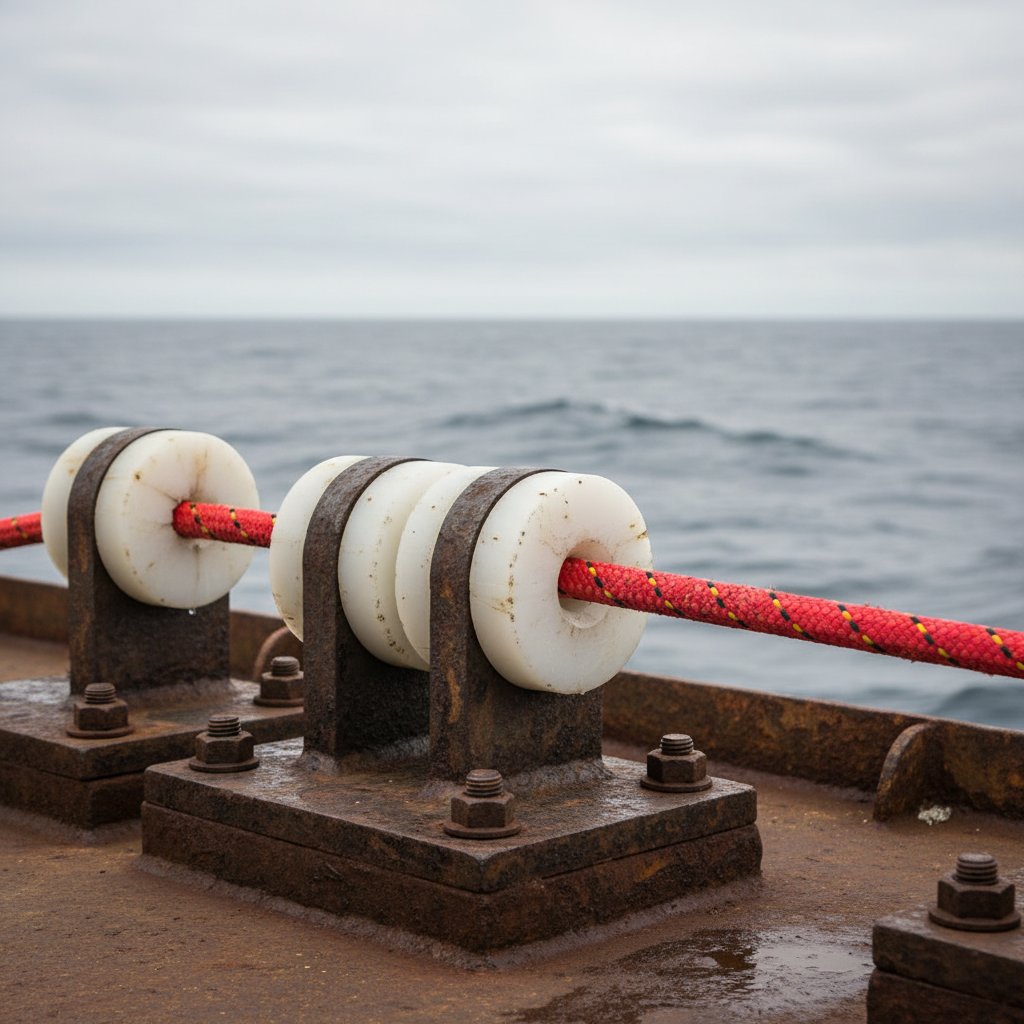
Fairlead systems take it up a notch, tailored for various vessel types—from offshore platforms to fishing boats. These setups channel ropes around obstacles, cutting down on snags during lifts. When it comes to the best rope for heavy lifting, HMPE shines with its incredible strength-to-weight ratio, making it lighter than steel yet tough enough for massive loads without sagging under pressure. Pair it with a well-designed fairlead on a cargo ship, and you'll see smoother operations with less strain on the crew.
Material choices matter hugely here too. UHMW plastic offers low friction, allowing ropes to glide with minimal drag—great for synthetics in wet conditions where you want to avoid heat buildup. Steel, on the other hand, provides durability to withstand impacts and corrosion in brutal marine environments, though it needs coatings to fend off rust. Have you tried swapping a worn plastic guide for steel on a rig? It can transform those gritty lifts into reliable operations, especially when waves threaten to throw everything off kilter.
Don't overlook compatibility with rope lay, especially for overhead lifting. *Right regular lay*—the standard where strands twist rightward over the core—ensures even winding and stability, complying with safety norms for hoists. This prevents the rope from untwisting under load, which could spell trouble mid-lift. In marine operations, matching your guide to this lay keeps things compliant and safe, setting you up to pick the perfect one based on your vessel's quirks and the weights you're hauling.
Key Selection Criteria for Rope Guide for Lifting in Marine Environments
Building on the variety of **rope guides** we've explored, from bolt-on setups to material choices like UHMW plastic, picking the right one zeroes in on your specific setup. It's not just about grabbing something off the shelf; it's about matching it to the realities of your vessel and the loads you're handling. I've talked with rig workers who learned this the hard way—one mismatched guide led to a snag that delayed an entire offshore operation by hours. So, how do you ensure your **rope guide for lifting** fits the bill in those unforgiving marine conditions?
Start by aligning the guide to your rope's diameter and the load capacity your vessel demands. On a cargo ship, for example, thicker ropes for heavy crates need guides with wider channels to avoid pinching. Smaller yachts, however, might call for slimmer profiles to save space. Factor in the environment too—corrosion from saltwater quickly eats at metal components, and constant wave motion adds unpredictable stress. A guide that's too rigid might crack under swells, so opt for flexible designs that absorb those jolts without compromising control. This matching prevents the uneven wear we touched on earlier, keeping your lifts predictable even when the sea turns rough.
Vessel Configurations
Adapt to offshore rigs with compact, high-load guides or cargo ships needing expansive fairleads for bulk handling.
Environmental Factors
Choose corrosion-resistant options to combat saltwater and wave-induced vibrations that accelerate fatigue.
Load Capacity Matching
Scale guides to handle peak weights, ensuring stability for dynamic marine hoists without overload risks.
Rope Diameter Fit
Select channels precise to rope size, promoting smooth flow and reducing friction in wet, salty conditions.
Safety standards can't be an afterthought—compliance keeps everyone on deck out of harm's way. Guides must meet maritime regulations, like those governing inspections where you discard ropes showing three broken wires in one strand or six across a full lay length. This rule spots early failures before they cascade into accidents, which is especially vital when guides interact with the rope under tension. Pairing a compliant guide with regular checks means your system stays reliable amid the daily grind of marine work.
For setups that don't fit standard moulds, **iRopes** steps in with customization through OEM designs. Their specialists craft guides for odd angles or specialized hoists, all backed by ISO 9001 certification for top-notch quality. This means tailored solutions that integrate seamlessly, whether you're dealing with unique deck layouts or high-stakes lifts. Have you considered how a custom fit could streamline your operations?
Speaking of control, taglines—those secondary ropes attached to loads—play a key role in preventing rotation during hoists. They're typically made from non-conductive fibres in at least half-inch diameter to safely manage swings without sparking hazards. Selecting **rope guides** that accommodate tagline routing ensures the load stays steady, avoiding those scary spins that could clip equipment or crew. It's this thoughtful integration that turns potential chaos into controlled precision.

With the right selection locked in, turning that choice into a dependable asset hinges on how you position and care for it day to day.
Installation, Maintenance, and Wear Prevention Strategies for Rope Guides
With your **rope guide** selected to match the demands of marine lifting, the real work begins with getting it set up correctly and keeping it that way. Think about it like tuning a guitar before a gig—skip the details, and everything sounds off, especially in the salty, shifting world of deck operations. I've helped crews on supply vessels get their systems dialled in. The difference between a quick setup and a lasting one is all in the positioning and upkeep. Let's walk through how to install these components properly, maintain them against the sea's toll, and fend off wear that could sneak up on you during a hoist.
Positioning starts with deck hardware alignment to cut down on friction right from the start. For smooth reeving—that's the process of threading the rope through the guides and sheaves—place your **rope guides** in line with the winch drum and load path. On an offshore rig, this might mean bolting them at a slight angle to account for the platform's sway, ensuring the line runs straight without rubbing edges. Misplace them even a bit, and you'll get that grinding that shortens everything's life. A simple laser level can make this spot-on, saving you headaches when waves kick up.
- Check alignment with the hoist path before securing bolts or clamps.
- Test with a light pull to confirm no binding occurs under initial tension.
- Secure firmly but allow for minor vessel flex without loosening over time.
Maintenance keeps these pieces reliable amid constant exposure. In marine settings, rinse salt buildup weekly with fresh water to stop corrosion, focusing on joints and channels where grime hides. Inspect for wear by running your hand along the guide—feel for grooves or rough spots that could snag the rope. Replace if damage exceeds 10% of the surface, as that is when risks climb. Crews I know schedule this monthly, tying it to logbook entries for easy tracking, which catches issues before they turn into mid-lift surprises.
To tackle friction and wear head-on, lean into non-abrasive materials like those UHMW liners we discussed, which allow ropes to slide with barely any drag. iRopes' custom accessories, such as protective sleeves or coated fairleads, add another layer, tailored to your synthetics for less heat and abrasion during pulls. One trick from the field: apply a light marine lubricant sparingly to channels, but only on compatible surfaces, to avoid weakening fibres. These steps not only extend your setup's life but also make lifts feel effortless, even in choppy waters.

For varying lifting setups, like cargo booms versus davits, adapt best practices to the configuration. On cargo ships, space guides wider for bulk loads; rigs need compact, robust ones for tight quarters. **iRopes** shines here with IP-protected designs, delivered on time, so your custom pieces arrive ready to slot in without delays. Have you dealt with a rushed retrofit? It pays to plan ahead, integrating these into your routine for setups that handle whatever the sea throws next, turning everyday operations into something you can count on for the long haul.
From misaligned **rope guides** causing tangles to incompatible materials accelerating wear in saltwater, the shocking flaws highlighted here underscore the need for robust **guides rope** in marine lifting operations. By understanding types like bolt-on and fairlead systems, selecting based on vessel configurations, load capacities, and environmental factors, and prioritising proper installation, alignment for smooth reeving, and maintenance routines with friction-reducing UHMW plastics, operators can prevent failures. This also ensures compliance with safety standards like the 3-6 wire rope rule. iRopes' custom OEM solutions, backed by ISO 9001, offer tailored **rope guide for lifting** that enhance deck hardware durability and load control, turning potential disasters into reliable performance across offshore rigs and cargo ships.
Implementing these strategies not only minimises downtime and risks but also optimises heavy lifts with HMPE ropes and taglines for rotation prevention. For those seeking personalised guidance on friction reduction or custom designs fitting your unique setups, exploring iRopes' expertise can elevate your operations further.
Need Tailored Rope Guide Solutions for Your Marine Lifts?
If you're ready to discuss custom rope guidance, fairlead systems, or maintenance strategies specific to your vessel, fill out the inquiry form above—our team at **iRopes** is here to provide expert, personalised support to safeguard your lifting operations.