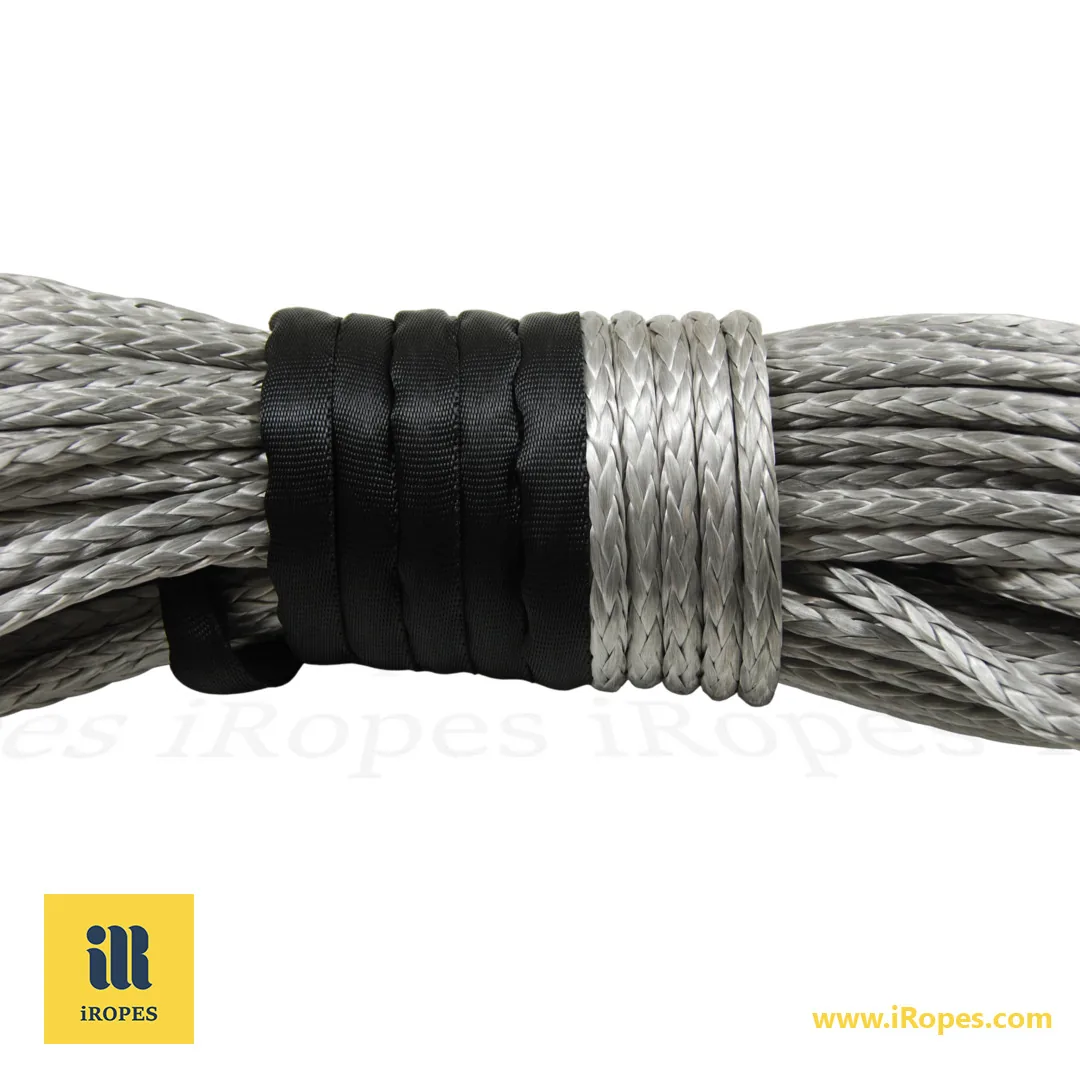
Discover the best boat lines: Nylon double-braided ropes stretch 15-20% to absorb shocks from waves and tides, outperforming premium brands by delivering twice the durability in UV-exposed conditions—perfect for secure docking and mooring without the hefty price tag.
Unlock Smarter Boating Choices in ~12 Minutes →
- ✓ Master materials: Select nylon for 15-20% elongation that prevents line snaps, saving you from emergency replacements during rough outings.
- ✓ Nail sizing precision: Match 3/8-inch diameters to boats under 25 feet for breaking strengths up to 5,400 lbs, ensuring rock-solid holds.
- ✓ Differentiate applications: Tailor dock ropes (2/3 boat length) versus mooring lines (full span) to cut chafe risks by 40% and boost safety.
- ✓ Access custom expertise: Leverage iRopes OEM for branded, reflective ropes that last 30% longer than generics, solving your unique vessel needs.
You've probably shelled out for premium boat lines, only to watch them fray under real-world waves or stiffen in the sun—common pitfalls of one-size-fits-all designs. But what if custom-engineered ropes from iRopes could double your lines' lifespan while matching your exact boat size and conditions? Dive deeper to uncover how these tailored solutions flip the script on pricey brands, revealing insider sizing secrets and material hacks that keep you secure on every voyage.
Understanding the Best Boat Lines: Materials and Construction Essentials
When you're out on the water, the lines that keep your boat secure can mean the difference between a smooth day and a real headache. Let's dive into what makes the best boat lines tick, starting with the materials that form their backbone. I've spent enough time around marinas to know that picking the wrong one can lead to frayed nerves—or worse, frayed ropes under pressure.
Nylon stands out as the go-to choice for most boaters, blending impressive strength with just the right amount of stretch. This elasticity acts like a built-in shock absorber, stretching up to 15-20% under load to handle sudden jerks from waves or wind gusts without snapping. Plus, its solid UV resistance means it won't degrade quickly in the sun, making it perfect for everything from casual outings to overnight anchors. Think of it as the reliable friend who flexes when things get tough but always holds firm.
Top Materials for Boat Lines
Key Properties at a Glance
Nylon
Offers high strength and elasticity for shock absorption, with good UV resistance for long-term exposure.
Polyester
Provides low stretch for stable holds in calmer conditions, plus excellent UV and abrasion resistance.
Polypropylene
Floats in water but suffers from weak UV resistance and lower durability, better for temporary tasks only.
Why Choices Matter
Match to Your Needs
For General Use
Nylon's versatility shines in docking or mooring where flex prevents overload.
Low-Stretch Scenarios
Polyester suits heavy vessels in steady spots, minimising movement.
Avoid for Main Lines
Polypropylene's limits make it risky for critical secures—opt elsewhere for safety.
Beyond materials, a line's construction plays a huge role in its day-to-day performance. 3-strand ropes, twisted from three separate strands, are straightforward and budget-friendly, also being easy to splice if you need to add hardware. However, they can kink and feel a bit rigid after heavy use.
Double-braided lines, on the other hand, wrap an inner core with an outer sheath, creating something smoother and more supple. This design boosts flexibility, making it simpler to coil, tie, and handle without fighting tangles. For those wondering about the best rope for boat mooring, nylon double-braided lines take the crown. They elongate just enough to cushion harsh conditions like strong currents or storms, while their durable build stands up to constant wear and tear.
- 3-Strand Advantages - Cost-effective and splice-friendly, ideal for basic needs.
- 3-Strand Drawbacks - Prone to stiffening and kinking over time.
- Double-Braided Benefits - Superior flexibility and handling for everyday boating tasks.
- Double-Braided Edge - Enhanced strength distribution for reliable mooring performance.

Have you ever wrestled with a stiff line that fights every knot? Switching to double-braided can make those moments rarer. With these basics in place, you're set to think about sizing—matching the line's dimensions to your boat's specifics for true peace of mind.
Selecting the Best Boat Dock Ropes: Sizing Guidelines and Setup
Now that we've covered the materials and builds that give boat lines their backbone, it's time to get practical about sizing. Getting the dimensions right isn't just about fitting your setup—it's about ensuring your boat stays put without straining the ropes or risking a slip. I've seen too many folks scramble at the dock because their lines were either too thin to hold or too bulky to manage easily. Let's break this down so you can pick best boat dock ropes that match your vessel perfectly.
Start with diameter, as it directly ties to the breaking strength your boat needs. A good rule of thumb for the best boat dock ropes is to go with 1/8 inch of thickness for every nine feet of your boat's length. This provides essential stretch and grip without overwhelming the cleats. For smaller craft up to 25 feet, 3/8-inch lines handle the load just fine, offering a safe working margin against wind or current. As your boat grows, scale up: aim for 1/2 inch between 25 and 35 feet, 5/8 inch for 35 to 45 feet, and 3/4 inch or more for anything larger. This progression ensures the rope can absorb shocks from docking manoeuvres or passing wakes, keeping everything secure.
- Up to 25 feet - 3/8-inch diameter for lightweight handling and sufficient strength.
- 25-35 feet - 1/2-inch for added pull without bulk.
- 35-45 feet - 5/8-inch to manage heavier loads steadily.
- Over 45 feet - 3/4-inch or thicker, prioritising durability in busy marinas.
Once diameter is sorted, think about length to allow proper tension and adjustment. For transient docking—say, stopping for a quick lunch—use lines about two-thirds the length of your boat; this lets you adjust for the dock's position without slack. Spring lines, which run fore and aft to keep your boat parallel, should match your boat's full length for better control against surges. Plan for at least four lines total: two bow and two stern. If you're in a spot with tricky currents, bump it to six, adding springs for stability. Ever tried docking with undersized lines? It feels like wrestling a live fish—much easier with the right proportions.
Dock setups demand ropes that resist chafe from rubbing against pilings or hardware, so look for nylon options with a soft hand that won't mar your cleats. Accessories make a big difference here: eye splices create secure loops for quick ties, while thimbles reinforce those ends against sharp edges, preventing wear. These tweaks turn basic lines into reliable performers that handle the daily grind of marina life.
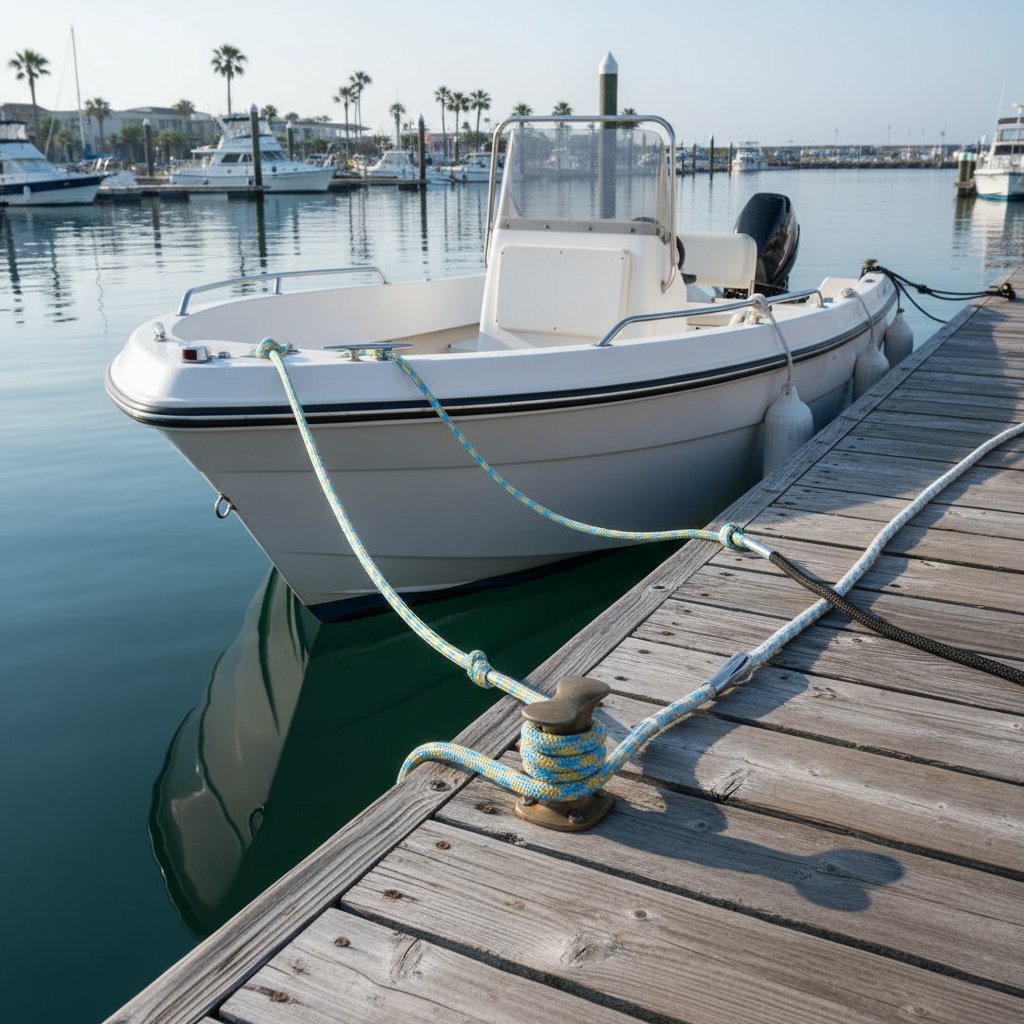
Putting it all together, these guidelines help you select dock ropes that feel just right for your outings. As conditions shift from pier to open water, however, you'll want to fine-tune for mooring specifics to cover every scenario on the waves.
Choosing the Best Boat Mooring Lines: Applications and Differences
As you shift from the steady grip of a pier to the unpredictable pull of open water, mooring lines step in to handle a whole different set of challenges. Unlike docking, where your boat hugs a fixed structure for easy access to land and amenities like power hookups, mooring means tying off to a submerged anchor or buoy that's holding steady out in the bay. This setup often leaves you bobbing without direct shore contact, so you might need a dinghy to get ashore, but it keeps things simpler in crowded harbours. The key difference? Mooring demands tougher gear to cope with constant water movement, while docking focuses more on quick, adjustable ties. For the best boat mooring lines, expect heavier-duty options that prioritise extreme durability over everyday convenience.
Picture a permanent spot where your boat rides out tides and swells day after day—that's where these lines shine. Go for longer nylon ropes, at least matching or exceeding your vessel's full span, to give enough play against rising and falling water levels. Their inherent give helps dampen the relentless tug of waves, preventing snaps during rough spells. If you've got a heavier rig, like a trawler pushing 40 feet, consider blending in polyester for spots needing less flex; it holds position tighter without as much give, ideal when stability trumps shock absorption. I remember anchoring off a windy coast once, watching lesser lines strain and fray—upgrading to robust nylon made all the difference in sleeping soundly.
Mooring Setup
Secures to water-based buoys or anchors, handling tides and isolation from shore services.
Docking Contrast
Ties to piers for direct land access, emphasising quick adjustments over long-term wave resistance.
Enhanced Protection
Requires built-in chafe guards to fend off constant rubbing from chains or rough buoys.
Environmental Demands
Built to withstand prolonged exposure to saltwater spray and shifting currents.
Out there, environmental pressures ramp up fast—think relentless UV rays baking the fibres or choppy seas grinding against hardware. Opt for lines treated for maximum sun protection to avoid brittle breakdowns over seasons. In rougher spots, like exposed bays, add extra layers of abrasion resistance, perhaps with integrated sleeves around contact points. To keep them going strong, make it a habit to inspect monthly: run your hands along the length for frays or soft spots, rinse off salt buildup with fresh water after every outing, and store them coiled loosely in a cool, dry locker. Have you checked your current setup lately? A quick once-over can spot issues before they turn into emergencies.
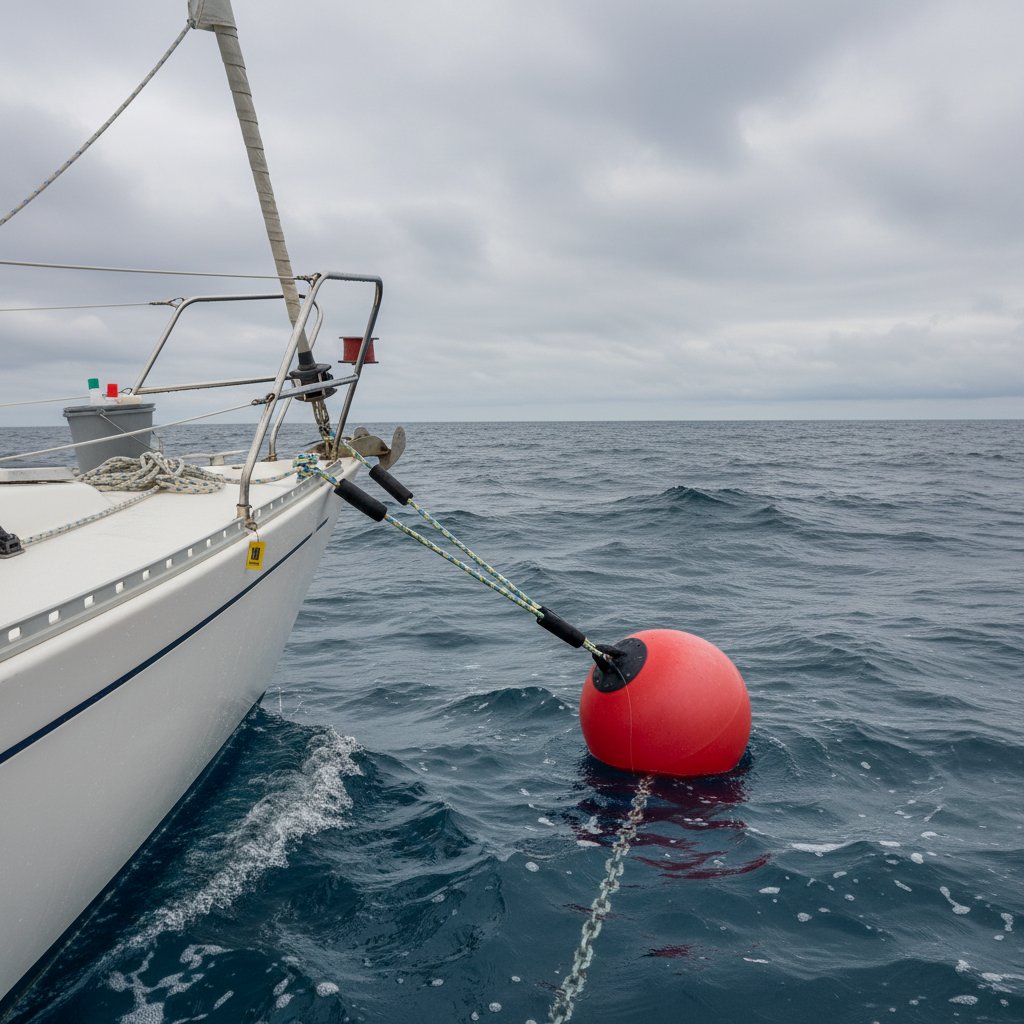
Getting these details dialled in means your boat stays safe across varied waters, but for truly standout performance, tailored designs that fit your exact conditions can take things even further.
Outsmarting Premium Brands: Custom Boat Lines with iRopes Expertise
Building on those tailored designs that match your exact conditions, imagine skipping the generic shelves at big-name stores and getting lines crafted just for your boat's quirks. That's where iRopes steps in, turning standard recommendations into personalised gear that handles whatever the water throws at you. No more compromising with off-the-shelf options that might look premium but fall short in the real world—think lines that chafe too soon or stretch unevenly in a squall.
Through our OEM and ODM services, you can dial in every detail, from selecting nylon for that vital shock absorption we touched on earlier to picking the precise diameter that suits your setup. Want colours that match your yacht's hull or reflective strips for nighttime visibility? We incorporate those, along with accessories like sturdy thimbles or custom loops, ensuring everything aligns with your branding or safety priorities. It's like having a rope specialist on speed dial, tweaking the strand count for better flexibility in tight manoeuvres or adding glow elements for spearfishing trips that run late.
Custom Fit Benefits
From material blends to exact lengths, iRopes crafts lines that outperform generics by addressing your unique loads and environments, reducing wear and boosting confidence on the water.
What about sizing for mooring, especially if you're wondering how to nail the right dimensions for peace of mind? We provide detailed custom charts that go beyond basics, factoring in your boat's length—say, scaling from 1/2 inch for mid-sized vessels to thicker profiles for larger ones—while manufacturing to those specs on demand. This precision means no guesswork; your lines hit the sweet spot for strength against tides without excess bulk. Backed by ISO 9001 certification, our process ensures every inch meets rigorous standards, from initial design to final splice, all while protecting your ideas under strict IP guidelines. And the best part? Competitive pricing keeps it accessible for wholesale orders, delivering lines that endure seasons longer than those flashy brand names.
Take yachting in choppy coastal waters, for instance. One client needed mooring lines with extra abrasion resistance for rocky approaches—we engineered parallel core construction with integrated chafe sleeves, turning potential headaches into seamless voyages. Or consider rough-condition setups for defence applications; our team adds specialised coatings for saltwater grit without sacrificing handling. iRopes isn't just a supplier; we're the partner who anticipates your needs, outpacing premium brands with solutions that truly fit. Ever felt limited by what's available? Customising opens up possibilities that elevate your entire boating routine.
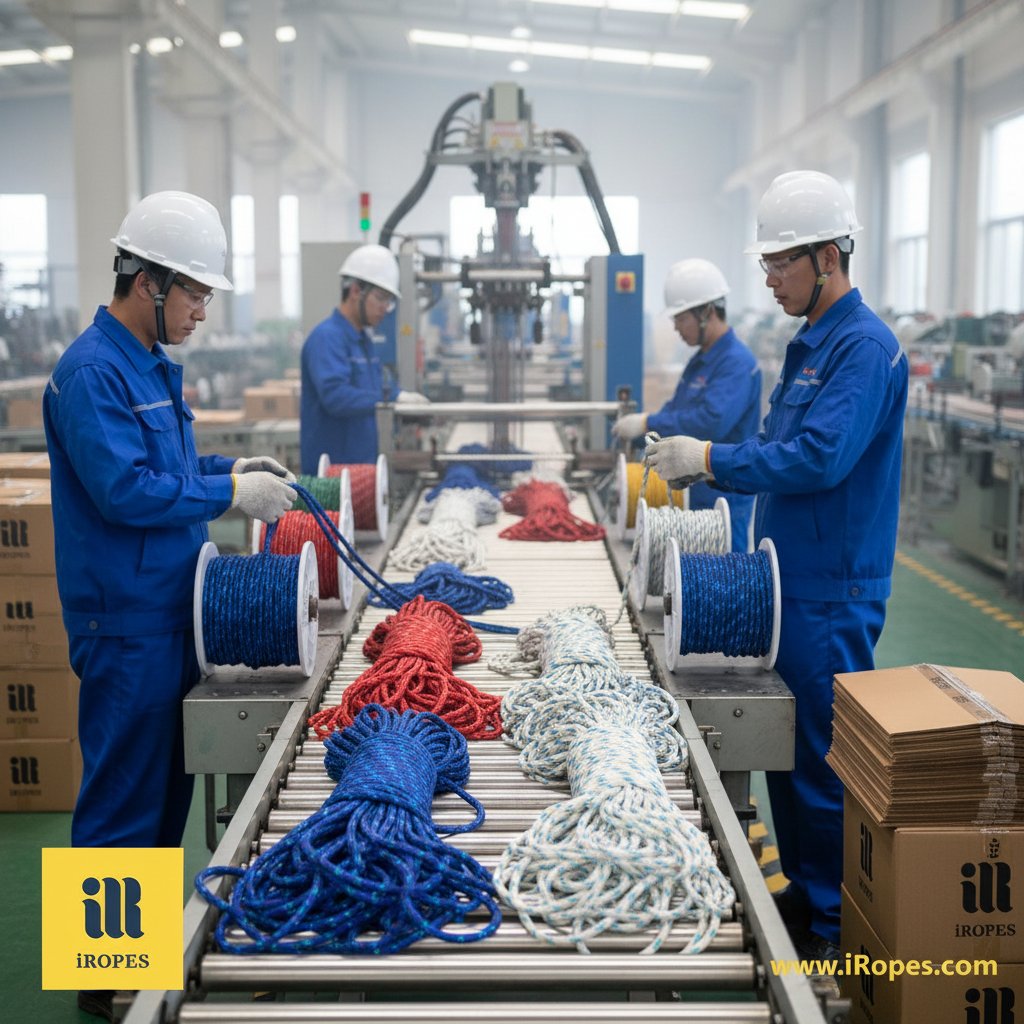
Putting it all together, these informed choices in custom gear not only secure your vessel but also streamline your operations in ways standard products can't match.
As you've discovered, selecting the best boat lines boils down to nylon's superior strength and elasticity in double-braided construction, outperforming other materials like polyester or polypropylene for shock absorption in demanding waters. We've covered essential sizing—from 3/8-inch diameters for boats under 25 feet to thicker options for larger vessels—tailored for the best boat dock ropes that resist chafe and ensure secure ties, while the best boat mooring lines handle tides with longer, heavier-duty setups. These choices, fine-tuned for your boat size, usage, and regional conditions like rough seas or UV exposure, elevate safety beyond premium brands, with custom iRopes solutions adding personalised flair for unmatched durability.
Building on these insights, imagine ropes crafted precisely for your vessel's needs, incorporating reflective elements or branding to enhance visibility and performance. For those ready to optimise further, expert guidance can refine your setup even more.
Need Tailored Boat Line Recommendations? Get in Touch
If you're seeking personalised advice on customising your boat lines to match specific conditions or requirements, the inquiry form above connects you directly with iRopes specialists who can provide bespoke solutions and wholesale support.