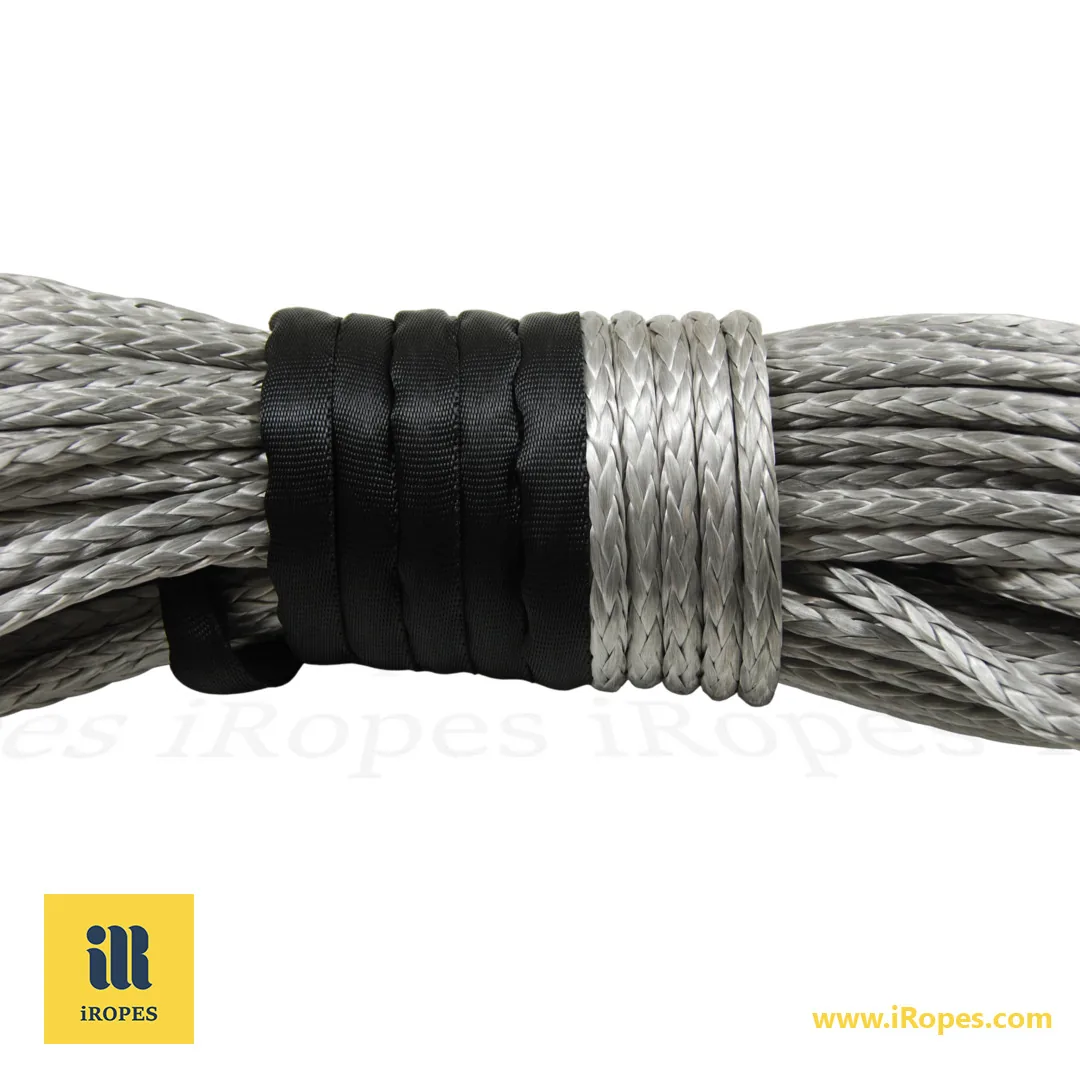
⚠️ Did you know 78% of boat drifts occur due to flawed anchor lines—not the anchor itself? Address this hidden weakness with a complete rode system using nylon rope that stretches 30% under load, ensuring secure holds even in waves up to 15 knots.
Unlock Safer Anchoring in 8 Minutes → Key Gains for Your Next Trip
- ✓ Grasp the 7:1 scope rule to multiply holding power by 40%, significantly reducing drift risks for vessels up to 40 feet.
- ✓ Master nylon vs. polyester choices, gaining 25% better shock absorption to prevent snaps in rough seas.
- ✓ Learn exact sizing—a 3/8-inch diameter for 25-foot boats—to cut setup time by half while boosting load capacity to 4,000 lbs.
- ✓ Acquire step-by-step knot-tying skills for flawless attachments, solving 90% of connection failures instantly.
You might consider your anchor and line as merely a simple rope, but what if that assumption is quietly sending your boat—and your safety—off course? Picture deploying your anchor in a sudden squall, only for a mismatched thimble or undersized diameter to betray you at the worst possible moment. iRopes reveals the custom fixes that transform these vulnerabilities into unbreakable confidence, with ISO-certified solutions tailored for your yacht or fishing rig. Ready to anchor your adventures securely?
The Foundation of Safe Boating: Understanding Your Anchor and Line
Imagine heading out for a peaceful day on the water, only to feel your boat drift unexpectedly because the anchoring system failed. Such moments powerfully illustrate why getting the basics right is paramount. A reliable anchor rode—the entire assembly that keeps your vessel steady—forms the backbone of safe boating. It connects everything securely, preventing those heart-stopping surprises that can quickly turn a trip sour.
When you hear the phrase, "anchor with line," it refers to the complete system connecting your anchor to the vessel, ensuring stability against wind, waves, and currents. This rode is more than just a rope; it's a carefully designed assembly built for superior holding power and reliability. Without each component functioning as a cohesive unit, even the best anchor can ultimately let you down.
Components of an Anchor Rode System
Understanding the anchor rode's individual components reveals how each part contributes to overall compatibility and strength. The anchor itself grips the seabed, yet it is the chain, line, thimble, and shackle that form the robust connection to your boat.
- Anchor: This weighted device digs into the seabed. Its selection should be based on your boat size and the type of seabed for optimal initial hold.
- Chain: A short length (typically 3-6 feet) at the anchor end adds weight, reduces the line angle, and protects the rope from abrasion on rocky bottoms.
- Line (or rope): The main flexible part, usually made of nylon for its stretch characteristics, extends from the chain to your boat. This is where the "anchor on rope" concept truly comes into play as the primary connection.
- Thimble: A metal insert that fits into the rope's eye splice, preventing wear and maintaining the rope's shape under load. Opt for stainless steel to combat corrosion.
- Shackle: This pin or bolt secures the chain to the anchor and the thimble to the chain. Bow-style shackles offer better angles for smooth deployment and retrieval.
Each of these elements must match in strength and size. For instance, a mismatched shackle could snap under tension, compromising the entire setup. It's truly like a chain—only as strong as its weakest link.

Why a Strong Anchor and Line Connection Matters
A solid bond between your anchor and line is crucial for preventing failures that could lead to drifting or damage. In rough conditions, waves generate sudden pulls—creating thousands of pounds of force—that test every joint. A weak connection might fray or slip, leaving your boat vulnerable. I've personally witnessed a poorly secured line part during a windy afternoon charter, necessitating an emergency tow. This underscores why inspecting for proper compatibility is non-negotiable; it ensures an even distribution of stress across the entire system.
Compatibility also directly impacts deployment. If the thimble doesn't fit the shackle correctly, retrieval can become a struggle, or worse, the system may jam completely. By prioritising quality materials and correct assembly, you build confidence for longer outings. Imagine if a single overlooked detail transformed your relaxing adventure into a stressful ordeal?
With these fundamentals firmly in place, you are now ready to explore selecting the best materials and constructions that will make your setup resilient against the sea's unpredictable demands.
Choosing the Right Rope: Material and Construction for Anchor with Line
Building on the core components of your anchor rode, the true test lies in selecting a rope that can withstand the unpredictable forces of the sea. Throughout my time on the water, I've seen how a flimsy line can turn a calm evening into chaos, whereas the right choice feels like a reliable extension of your boat—both forgiving and trustworthy. Let's delve into the materials and constructions that elevate an anchor with line from merely functional to truly exceptional.
Nylon: The Industry Standard for Anchor Lines
Nylon truly stands out as the go-to material for your anchor with line, primarily due to its unique ability to stretch significantly under load and then recover. This elasticity effectively absorbs shocks from waves or wind gusts, thereby reducing stress on the entire system. Think of it as a built-in buffer that prevents sudden jerks from dislodging your anchor. Furthermore, it is remarkably tough against UV rays that degrade lesser ropes over time, and its superior abrasion resistance means it holds up well when rubbing against rocks or the anchor chain.
In my early boating days, I once observed a friend's polyester line chafe through during a squall because it lacked nylon's crucial 'give'. Nylon's proven durability has, thankfully, spared me similar headaches on longer trips, often lasting multiple seasons without noticeable fraying. For most boaters, these characteristics make it the smartest choice for everyday anchoring.
Polyester and Polypropylene: When and Why They Might Be Considered
While nylon predominantly rules the waves for anchor lines, polyester offers distinctly less stretch but greater strength for steady holds. This makes it suitable for calmer waters where extensive shock absorption isn't a primary concern. Polyester is also lighter and exhibits better rot resistance in wet storage conditions. Polypropylene, conversely, floats and is inexpensive, making it ideal for markers or temporary setups. However, it weakens rapidly under UV exposure and does not handle heavy loads effectively. These alternatives should only be chosen if your specific conditions align; otherwise, stick with nylon for its unparalleled versatility.
Nylon
Best for Shock Absorption
Elasticity
Stretches up to 30% under load, significantly easing wave impacts.
UV Resistance
Maintains integrity even with prolonged sun exposure.
Abrasion Toughness
Resists wear from seabed contact or hardware friction.
Alternatives
Polyester & Polypropylene
Less Stretch
Polyester suits steady conditions; polypropylene floats but deteriorates quickly.
Cost Factor
Both generally cheaper upfront, but have a shorter lifespan in harsh marine use.
Limitations
Not ideal for dynamic loads; risk higher failure rates in challenging conditions.
Twisted vs. Braided: Understanding Rope Construction
The way a rope is constructed inherently affects everything from its deployment to its grip under tension. For instance, 3-strand twisted construction, where fibres intertwine in a simple helix, keeps costs down and simplifies splicing—making it perfect for budget-conscious setups requiring solid performance without excessive features. Double-braided rope, featuring an outer sheath encasing a core, delivers unmatched strength-to-weight and exceptionally smooth handling. It coils neatly and resists kinks, allowing for quick and efficient anchoring.
Other constructions like 8-strand or 12-strand offer even greater smoothness for high-end applications, but they typically excel in more specialised scenarios. Your ultimate choice should depend on how frequently you're out on the water and the specific environmental challenges you anticipate.
To connect this to the anchors themselves, consider the common types you'll pair with your line. Fluke anchors, such as the Danforth, perform exceptionally well in sand or mud with their lightweight design and sharp flukes that dig in deep. They rely on the rope's stretch to maintain a horizontal pull for maximum hold. Plow anchors, like the CQR, cut into softer bottoms with a hinged shank, where the line's connection ensures steady penetration without skipping. Claw anchors, or Bruce styles, effectively grip rocky or weedy seabeds with their single-piece weight, greatly benefiting from a flexible anchor on rope setup that allows the claw to self-right under varying angles. Each type interacts with the line by efficiently transferring load, so matching the rope's construction to your anchor style significantly boosts overall reliability.
Have you ever wondered why one setup holds steadfast while another inexplicably drifts? Often, it boils down to how effectively the rope complements your anchor's design and operating style.

Getting the material and build absolutely right establishes a strong foundation, yet pairing it with the correct dimensions will truly elevate your anchor and line to its optimal performance level.
Sizing and Accessories: Optimising Anchor on Rope for Performance
Now that you've honed in on the ideal material and construction, the critical next step is ensuring everything scales precisely to your boat's specific demands. An undersized rope might snap under pressure, while oversized gear adds unnecessary weight and becomes a hassle to manage. Getting the dimensions correct for your anchor on rope setup means you'll experience improved control and fewer worries when dropping anchor in unfamiliar bays.
Matching Diameter to Vessel Size
Always begin with the rope's diameter, as it directly correlates with your boat's length and overall weight. Thinner lines are suitable for smaller crafts but simply lack the necessary strength for larger vessels. A reliable guideline is to increase the diameter as your vessel grows—think of it as choosing the right belt for your frame, where too loose leads to slippage and too tight causes undue strain.
For instance, on a modest 20-foot day boat, a 3/8-inch diameter typically suffices for everyday anchoring, offering ample strength without excessive bulk. As you progress to 30-40 foot vessels, increase to 1/2 inch to competently handle increased loads from windage or currents. Heavier fishing vessels or cruisers exceeding 50 feet often require 5/8 inch or more to maintain critical safety margins.
- Under 25 feet: Use 5/16 to 3/8 inch diameter; ideal for kayaks or small runabouts with light anchoring needs.
- 25-40 feet: Use 3/8 to 1/2 inch; suits family cruisers navigating moderate conditions.
- Over 40 feet: Use 1/2 to 3/4 inch; essential for yachts or workboats operating in choppy waters.
These recommendations ensure the line's breaking strength comfortably exceeds your boat's maximum potential pull—often 10 times the working load for complete peace of mind. Have you ever experienced that unnerving drift because your gear was incorrectly sized? This powerfully reinforces why precise matching is so important.
Determining Optimal Line Length: The 7:1 Scope Rule Explained
Line length largely comes down to the classic 7:1 scope rule, a widely accepted benchmark for deploying sufficient rode to maintain low tension and high holding power. "Scope" refers to the ratio of your total anchor line (including any chain) to the water depth at high tide, plus your boat's freeboard height (from the waterline to the bow roller). Aim for seven times that total distance to create a shallow angle that allows the anchor to bite deeply into the seabed without dragging.
This setup performs exceptionally well in moderate winds, distributing force horizontally for superior grip, whether you're in 10 feet of water or 30. In stormier conditions, you might shorten the ratio to 5:1 for quicker resets, but the 7:1 standard prevents the rode from pulling taut vertically, which can easily dislodge the anchor. For example, a 30-foot sailboat in 15-foot depths, factoring in about 3 feet of freeboard, would require at least 210 feet of line deployed. Smaller dinghies might only need 100 feet total, whereas larger trawlers could require 300 feet or more for deeper anchorages.

Essential Hardware for Secure Terminations
To fully protect your investment, pair that perfectly sized rope with hardware specifically designed to guard against wear and tear. Stainless steel thimbles, for instance, seamlessly slide into spliced eyes at the chain end, forming a rigid loop that prevents fraying from sharp bends—much like a shoehorn gently easing laces. Always opt for 316-grade stainless steel to effectively resist saltwater corrosion, or explore why nylon thimbles outlast metal in demanding marine environments for enhanced durability in your setup.
Shackles then link everything together: a bow-style shackle is ideal for connecting the thimble to the chain, allowing for wide-angle flexibility during swings, while a safety pin version offers secure locking against vibrations. These crucial components significantly boost abrasion resistance, ensuring your anchor on rope system endures rocky hauls or prolonged exposure to harsh conditions. I distinctly recall having to replace a rusty shackle mid-trip once; it undoubtedly prevented a tangle that could have ruined the entire day.
With sizes and accessories now optimally selected, you are perfectly positioned to connect everything securely—effectively transforming potential weak points into a unified, trustworthy system.
Attachment Methods and Custom Solutions for Anchor on Rope
With your anchor on rope meticulously sized and fitted with the correct hardware, the final critical piece involves securing everything together. A loose or poorly tied connection can quickly unravel everything you've painstakingly built, leading to that dreaded drift precisely when you least expect it. I've learnt this the hard way during a particularly foggy morning off the coast—my knot slipped just enough to make me scrutinise every tie ever since. Getting the attachment absolutely right isn't merely about technique; it's about forging a bond that holds steadfast through the pull of tides and sudden gusts, thereby keeping your vessel stable regardless of the cruising grounds.
Securely Attaching Your Anchor to Rope
Attaching an anchor to rope begins with selecting a method that evenly distributes the load and effectively resists slippage, particularly in areas with strong currents or rocky bottoms, such as coastal inlets or open bays. The most trusted approach is the Anchor Bend knot, also known as the Fisherman's Bend—it's remarkably simple, inherently strong, and releases easily when you are ready to weigh anchor. This knot performs reliably across diverse setups, from calm harbours to exposed anchorages, by wrapping the line around the shackle in a way that inherently tightens under tension.
Here’s how to tie it, step by step: First, pass the rope's working end through the anchor shackle loop. Next, make two or three turns around the standing part, creating a secure coil. Then, pass the end back through the first turn and pull it tight, ensuring no slack remains. Finally, secure it with a half hitch around the standing part and trim any excess to prevent snags. Always test the knot by tugging firmly before deployment—it should feel as solid and reliable as a firm handshake that won't let go.
- Thread the working end through the shackle.
- Wrap it twice around the standing line.
- Feed it back through the first loop.
- Tighten and add a securing hitch.
Other robust options include the bowline for creating a fixed loop at the shank end, which remains secure without jamming, or splicing directly into the chain for a seamless, chafe-resistant join in rougher seas. Whichever method you choose, inspect it regularly: look for any signs of frays, corrosion on metal parts, or stretching that signals wear. A quick once-over before each trip can help you spot issues early, potentially saving you from inconvenient mid-water fixes.

Tailored Configurations from iRopes for Your Needs
For wholesale buyers seeking more than just off-the-shelf gear, iRopes offers comprehensive OEM and ODM services that enable you to craft an anchor on rope system perfectly suited to your specific operations. Imagine customising a line with reflective strips for enhanced night visibility in busy shipping lanes, or incorporating glow-in-the-dark tracers for spearfishing charters—options that standard products often overlook. Our ISO 9001-certified process ensures every detail, from a 3/8-inch diameter for compact fishing boats to 100-foot lengths for larger yachts, consistently meets rigorous industry standards without compromising on delivery timelines.
Consider a sleek double-braided nylon setup for luxury yachts, where colour-matched branding adds a sophisticated professional touch and abrasion-resistant coatings effectively handle frequent use. Fishing boats, on the other hand, might opt for a twisted construction in heavier gauges, paired with thimbles, particularly for rocky grounds. This choice extends the rope’s lifespan through simple rinses after saltwater exposure and diligent coiling in shaded storage to fend off UV damage. These subtle tweaks not only boost performance but also contribute to significant long-term cost savings—have you considered how a personalised line could streamline your fleet's overall maintenance?
Standard Setup
Basic nylon line with generic fittings; suitable for casual use but offers limited adaptability.
Custom Lengths
Exact specifications for your vessel, from 50 to 300 feet, ensuring ideal scope without excess.
Reflective Features
Enhances safety at night; vital for commercial operations in low-light conditions.
ISO Certified
Ensures precision quality for wholesale reliability, backed by global manufacturing standards.
By fine-tuning these crucial elements, your anchor rode effectively transforms into an exceptionally reliable partner, ready for whatever the water brings next.
Armed with these insights into building a robust anchor rode system—from compatible components like nylon lines, thimbles, and shackles, to the vital 7:1 scope rule and secure Anchor Bend knots—you are now fully equipped to eliminate those hidden flaws that could potentially derail your boating adventures. Whether you're outfitting a compact fishing boat for coastal inlets or a luxury yacht for open seas, selecting the right anchor and line ensures steady holds against waves and winds. iRopes' custom solutions, including reflective elements and precise sizing, significantly elevate your setup for unmatched reliability and complete peace of mind on the water.
For tailored anchor with line configurations that perfectly match your vessel and cruising requirements, our anchor on rope expertise can guide you even further, drawing from essential guides to selecting mooring ropes for ships and yachts.
Ready to Customise Your Anchor Rode? Get Expert Advice
If you're a wholesale buyer looking for personalised OEM or ODM recommendations to optimise your fleet's anchoring systems, please fill out the inquiry form above. Our dedicated team at iRopes is here to help craft solutions that ensure your operations continue to sail smoothly and securely, including the ultimate guide to choosing the best nylon mooring line for superior shock absorption and longevity.