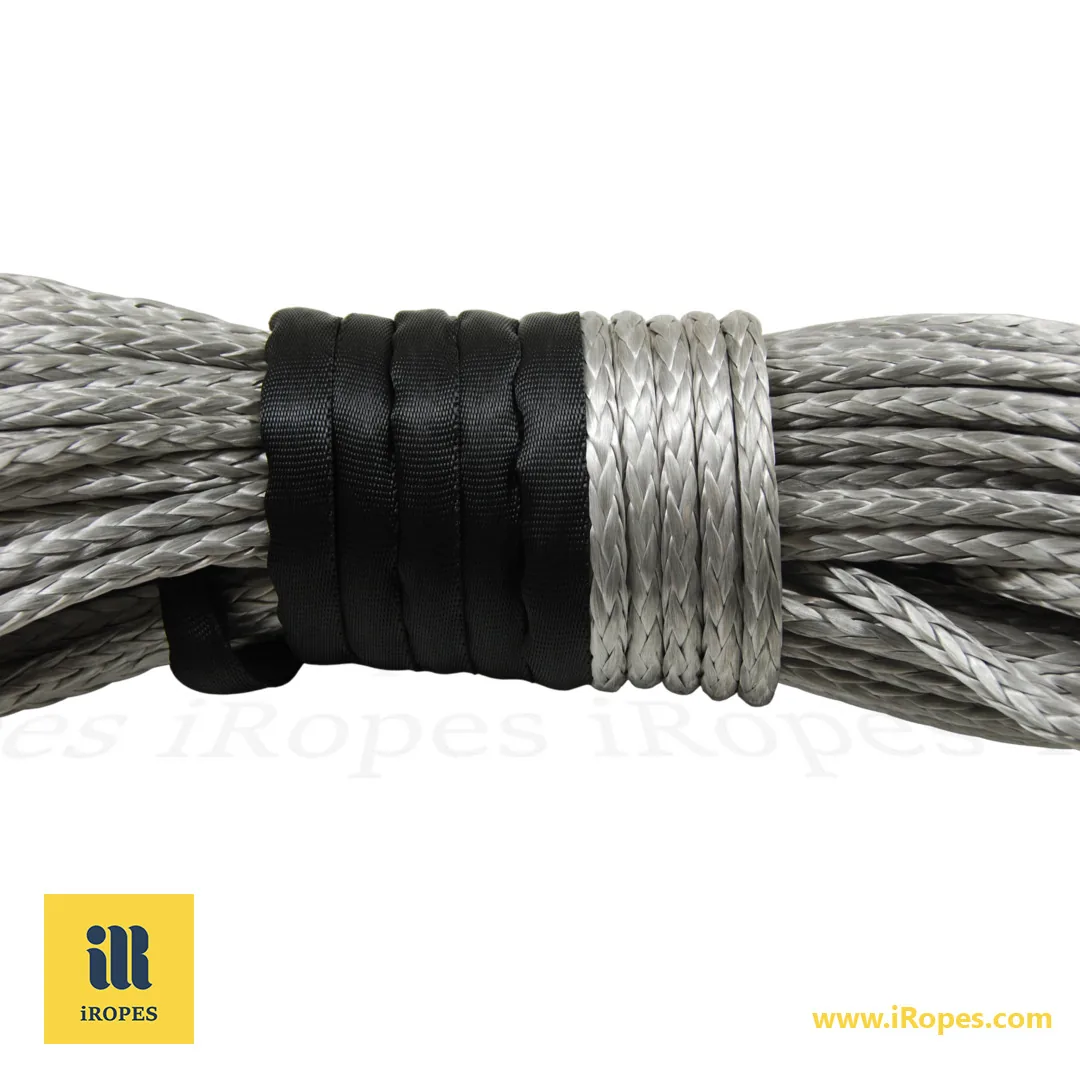
⚠️ Substandard marine rope accessories fail 4 times out of 5 under towing stress, turning fun outings into disasters like propeller entanglements or vessel damage. Discover how iRopes' custom hardware eliminates this hidden flaw with 316 stainless steel components rated for 10,000+ lb loads.
Unlock Safer Tows: What You'll Gain in ~8 Minutes →
- ✓ Slash wear by 85% using chafe guards and thimbles that protect ropes from hull friction and UV degradation in salty conditions.
- ✓ Master attachment mastery—learn exact points like transom ski eyes to avoid cleat cracks and ensure even load distribution for stable pulls.
- ✓ Boost system strength 4x with compatibility checks on load ratings, preventing snaps that risk lives and gear in dynamic waters.
- ✓ Gain insider tips on polyester ropes plus snubbers for shock absorption, outperforming tow straps by handling waves without overload failures.
Picture your boat slicing through waves, tow line humming—until a cheap shackle loosens and chaos erupts mid-pull. You've probably dismissed those tiny connectors as afterthoughts, but this overlooked mismatch in marine rope accessories costs thousands in repairs yearly and endangers everyone aboard. What if one custom upgrade from iRopes could transform your setup into an unbreakable safety net? Dive in to uncover the precise fixes that keep you afloat, no matter the swell.
Unveiling the Hidden Flaw in Tow Rope Accessories
Imagine you're out on the water, towing a tube behind your boat on a sunny afternoon, when suddenly the line goes taut and snaps. What started as a fun outing turns chaotic as the tube drifts away and someone risks getting tangled in the prop. This isn't just bad luck—it's often the result of overlooked problems in tow rope accessories. These small components, like shackles or connectors, seem minor. However, when they're substandard, they create a hidden flaw that can lead to real disasters.
Take shackles, for instance. They're the metal links that secure your tow rope to the boat or the towed object. If you grab cheap ones without proper pin security or load ratings, they can loosen under the pull of towing. I've seen it happen to a buddy during a casual ski session—the shackle pin worked free mid-pull, causing the entire rope to whip back dangerously and entangle the skier. Failures like this aren't rare. They lead to rope snaps that send shock loads through the system or create messy entanglements. You might think a simple replacement fixes it, but without matching the right strength to your setup, you're just waiting for the next failure.
- Lack of UV resistance - Exposure to sunlight degrades plastic or coated parts quickly, making them brittle and prone to cracking over time.
- Abrasion vulnerability - Without tough materials, friction from rubbing against the boat hull or waves wears them down, weakening connections fast.
These issues compound when you pair faulty accessories with the wrong rope material. Ever wonder what the best rope for marine towing is? Polyester stands out for its excellent durability—it resists stretching under load while handling UV rays and moisture without losing strength. Unlike nylon, which can absorb water and weaken, polyester keeps its integrity, making it ideal for salty, sunny conditions. Yet, even the best rope can't compensate for poor add-ons that fail first.
The risks hit hard in real life. Propeller entanglement is a nightmare; a loose or tangled tow rope can wrap around the prop, stalling the engine and leaving you stranded or worse, injuring someone nearby. Low-quality hardware doesn't just sink your plans figuratively—it can literally sink your boat by damaging critical systems or causing capsizes in rough water. That's why spotting these flaws early matters so much.

At iRopes, we tackle these exact problems head-on with our custom tow rope accessories. Our OEM solutions let you design components tailored to your needs, using marine-grade materials that withstand the elements. Whether it's reinforced shackles or UV-protected connectors, we ensure everything integrates seamlessly, turning potential pitfalls into reliable performance. This expertise means you get accessories built for the long haul, directly addressing those common failures.
Spotting dangers in tow rope accessories is the first step, but protecting your setup requires the right gear to shield against wear and tear from the start.
Essential Boat Rope Accessories for Protection and Durability
Building on the risks we just uncovered with tow line connectors, the real game-changer comes from adding protective layers to your setup. Even a sturdy rope will fray or slip if it's constantly rubbing against rough edges or jerking with every wave. That's where boat rope accessories like chafe guards and thimbles step in, quietly doing the heavy lifting to keep everything intact during long docking sessions or intense towing runs.
Chafe guards are essentially padded sleeves. They wrap around your lines where they contact the boat's hull or pilings—picture a simple tube of tough neoprene or vinyl that stops friction from grinding away at the fibres. I've used them on my own dock lines during stormy weather, and they make a world of difference; without one, a single rough night can turn a good rope into threads. Thimbles, on the other hand, are the metal inserts you splice into the end of a rope to form a strong eye loop. They prevent the rope from collapsing or wearing out around the bend, especially useful when securing to a cleat or ring during towing. Together, these essential pieces prevent not just rope damage but also scratches on your vessel's gelcoat, saving you repair headaches later.
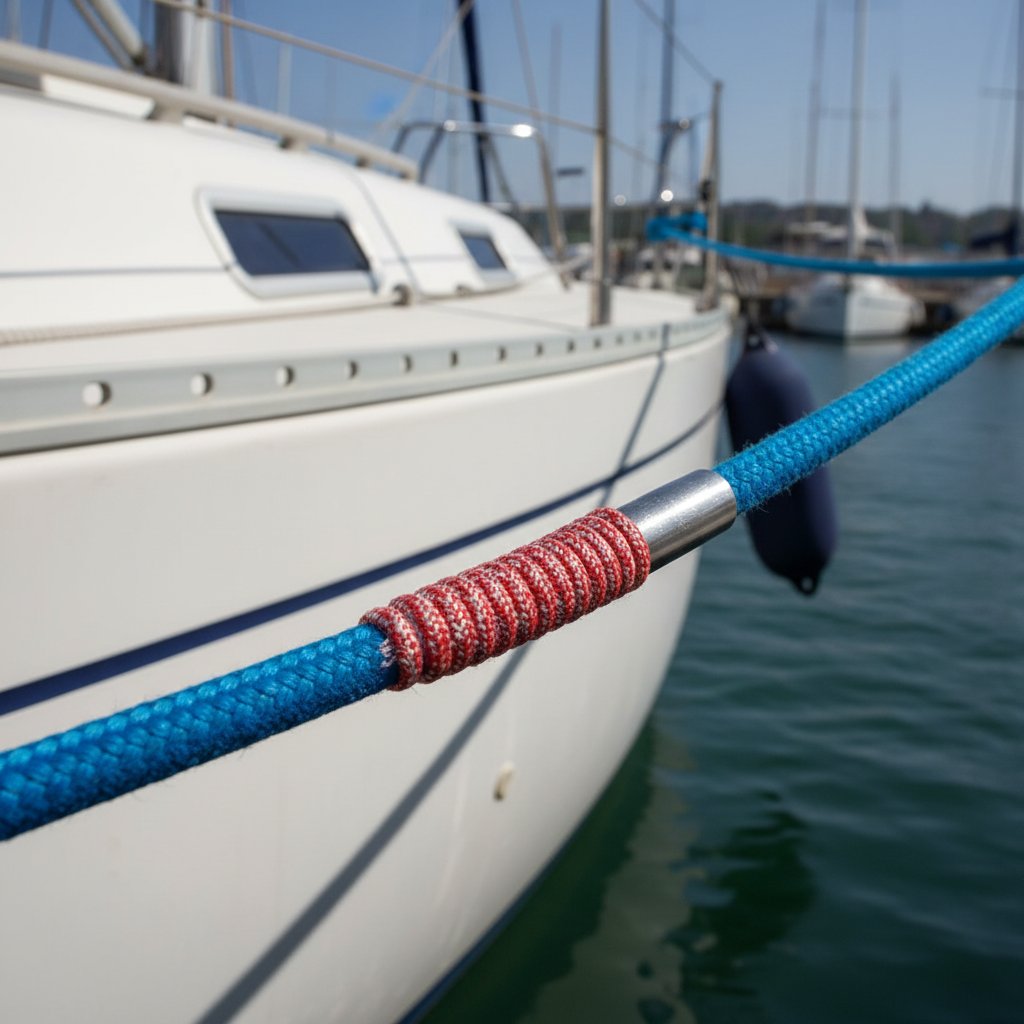
To handle the unpredictable jolts of open water, tensioning devices and line snubbers are must-haves. A snubber works like a rubber shock absorber—it stretches slightly to cushion sudden pulls, spreading the force across your attachments instead of letting it spike. Tensioners, often adjustable straps or springs, keep lines taut without overstraining. Ever wonder where exactly to attach your tow rope to avoid trouble? Stick to solid points like the transom ski eye for watersports or a U-bolt on the stern for general pulling. These distribute load evenly and keep things stable. Always avoid makeshift spots that could twist or fail mid-action.
- Transom ski eye - Ideal for tubing or skiing, positioned low for direct pull.
- U-bolt tow point - Strong for heavier recovery, mounted securely on the transom.
- Tow pylon - Elevated option for wake sports, reducing drag on the water.
What ties all this together is smart material selection—316 stainless steel shines here for its top-notch resistance to saltwater corrosion, staying strong season after season. At iRopes, our ISO 9001-certified processes mean every piece we craft, from guards to snubbers, undergoes rigorous checks for lasting build quality. And speaking of choices, if you're debating a tow strap against a full tow rope setup, consider how these add-ons tip the scales: straps work fine for static pulls like trailering a vehicle, but in dynamic marine scenarios with waves and speeds, ropes paired with snubbers and thimbles handle the motion far better, minimising snaps and maximising control.
These protective elements not only extend your gear's life but also set the foundation for picking accessories that fit your specific boat and activities just right.
Selecting the Right Marine Rope Accessories for Your Needs
With protective pieces like snubbers and guards forming a solid base, the next step involves selecting marine rope accessories that match your exact setup. One size rarely fits all on the water. Think about your typical outings: are you pulling tubers on a family pontoon or recovering a grounded skiff in choppy bay conditions? The right accessories make all the difference, transforming a generic kit into something that handles precisely what you throw at it. Let's break down the key types and how to pair them up without falling into the trap of mismatched gear that amplifies those hidden flaws we talked about earlier.
Start with the basics of connection hardware. Shackles are your go-to for secure links, coming in styles like screw-pin or bow types that lock tight under pressure. For watersports, quick-connects shine—they snap on and off in seconds, perfect for swapping riders without fumbling around. Then there are tow harnesses, essentially bridles that spread the load across multiple points on the tube or skier, preventing uneven pulls that could flip someone. Each of these needs to handle specific loads; for example, ensure the working load limit exceeds your rope's breaking strength by at least a factor of four. For tubing fun, the Water Sports Industry Association (WSIA) suggests keeping your tow rope between 50 and 65 feet—long enough to clear the wake but short enough to maintain control and avoid excessive spray.
Watersports Focus
Quick swaps and fun rides
Quick-Connects
Allow fast attachment for multiple users, rated for 2,000-5,000 lbs to suit light tubing.
Tow Harnesses
Distribute force evenly for 1-4 riders, minimising twists during sharp turns.
Load Matching
Select based on boat weight, ensuring accessories exceed total pull by 20% for safety.
Recovery Tasks
Heavy-duty pulls
Heavy Shackles
Built for 10,000+ lb loads, ideal for winching larger vessels ashore.
Bridles
Two-leg designs for stable recovery, compatible with 1/2-inch diameter lines.
Capacity Check
Match to engine power, avoiding overloads that stress hull fittings.
Matching these to your rope and boat is straightforward once you know the rules. Measure your rope's diameter—say, 3/8-inch for light duty—and pick accessories with compatible eyes or clips that won't bind or slip. Smaller runabouts pair best with lightweight aluminium options to cut drag, while larger cabin cruisers demand beefier stainless setups for stability. Mismatches here, like forcing a fat shackle onto a thin line, create weak points where stress concentrates, inviting snaps just when you need reliability most. Have you ever watched a setup fail because the connector was too loose? It turns a simple tow into a scramble.
Don't overlook visibility aids either; they're simple but crucial for dodging disasters. Tow rope bobbers—those foam floats clipped along the line—keep it buoyed off the water, directly tackling the hassle of propeller tangles. In busy waters, a drifting rope can snake under the hull and foul the prop before you notice. However, bobbers lift it clear, giving you peace of mind during high-speed runs. Spacing them every 10 feet works well, and they're easy to add without altering your core setup.
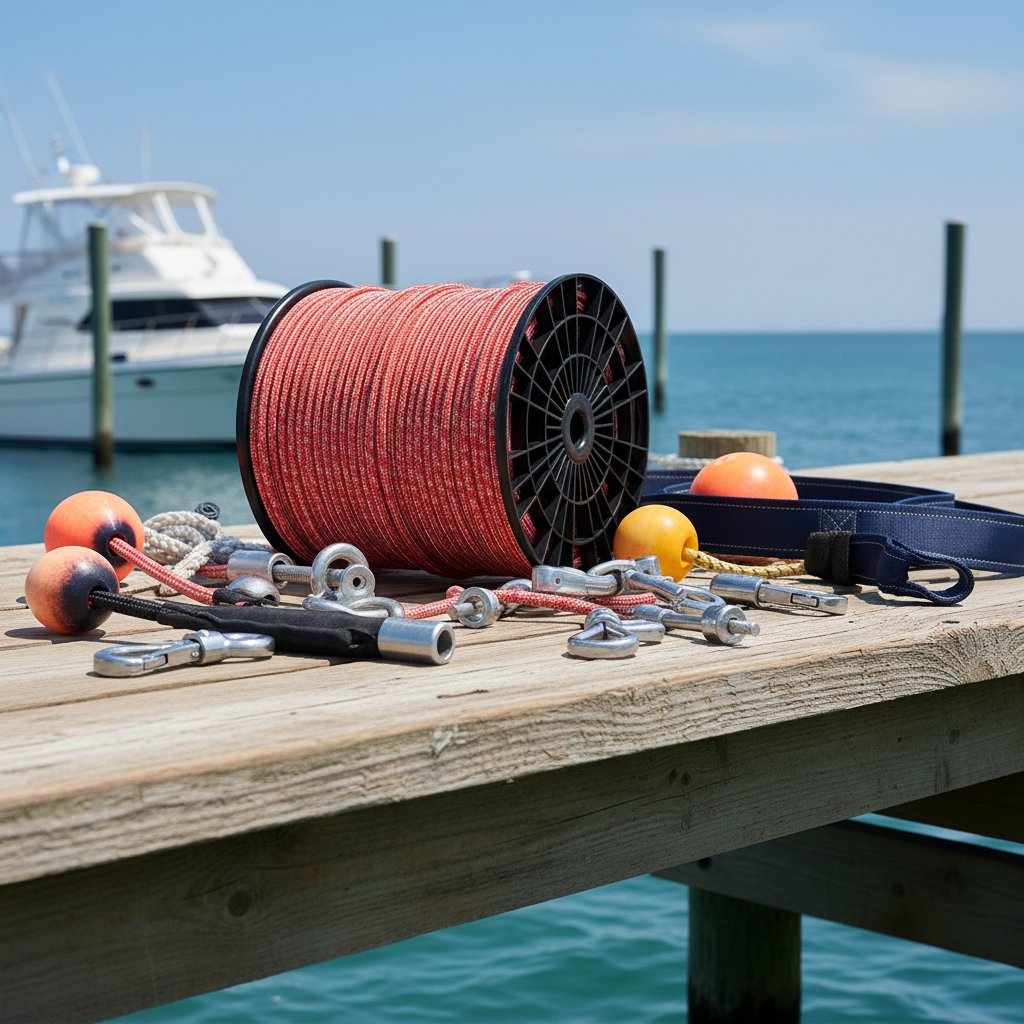
Getting this selection right means your entire system works in harmony, but it all hinges on confirming everything aligns from the start—load to load, material to material.
Compatibility Guidelines and Quality Standards for Accessories
That harmony we talked about in selecting the right pieces? It starts with double-checking how everything fits together. Even the toughest marine rope hardware can become a liability if it doesn't match your setup. When you're dealing with marine rope hardware, compatibility isn't optional—it's what keeps your towing operations running smoothly without unexpected breakdowns. Let's dive into the practical steps to ensure your tow rope accessories align perfectly, from strength ratings to safety certifications that back up their performance in real-world conditions.
First off, focus on tensile strength matching. This means the breaking point of your hardware—like a shackle or thimble—should at least equal or exceed that of your rope to avoid weak links in the chain. For instance, if your line handles 5,000 pounds before snapping, your connectors need to hold at least that much under steady pull, not just burst tests. Pairing them wrong is like linking a heavy truck chain to a bike lock; one gives way first, and suddenly you're dealing with flying debris on the water. Certifications add another layer—look for marks from bodies like the National Marine Manufacturers Association, confirming the gear meets load and environmental standards. These aren't just stamps; they mean the accessory has been tested for saltwater exposure and dynamic forces, giving you confidence it won't fail when waves hit.
Strength Matching
Verify accessory ratings against rope specs to distribute loads evenly.
Safety Certifications
Seek NMMA or equivalent approvals for proven reliability in marine use.
Material Alignment
Match corrosion-resistant grades like 316 stainless to your environment.
Fit Checks
Ensure eye sizes and diameters prevent slippage or binding.
For wholesale buyers eyeing long-term partnerships, iRopes steps in with our custom ODM services, crafting branded boat rope accessories that fit your exact specs while keeping your intellectual property (IP) safe through dedicated protection protocols. We handle everything from prototype to production in our ISO 9001-certified facilities, delivering to markets in places like Australia, the US and Europe where quality demands are high. This means you get hardware that's not just compatible but personalised—say, a quick-connect with your logo that matches your fleet's tensile needs perfectly.
Once you've got the right matches, keeping them in top shape is straightforward with regular care. Rinse off salt after every use to fend off corrosion, and inspect for cracks or wear during off-season storage. Hang accessories in a dry, shaded spot to dodge UV damage, and you'll push their lifespan years beyond the basics. These habits stop those hidden flaws from creeping back, like a frayed connection that seemed fine last season.
- Visual inspections - Check pins and eyes monthly for bends or thinning that could lead to failure.
- Proper cleaning - Use fresh water and mild soap, avoiding harsh chemicals that degrade coatings.
- Secure storage - Coil loosely in ventilated bags to prevent kinks or mildew buildup.
Speaking of best practices, always attach at designated spots to keep things secure—think transom ski eye for watersports pulls, a stern U-bolt for recovery, or the tow pylon for overhead clearance. These points are engineered to handle the angles and forces without stressing the hull. But steer clear of cleats; they're meant for docking lines, not dynamic towing, and using them risks cracking the deck or losing control mid-pull. I've learned that the hard way on a windy day—better to plan ahead than scramble.

Adhering to these checks and routines not only safeguards your gear but sets up your whole marine operation for dependable results season after season.
Addressing the hidden flaws in marine rope accessories can transform potential disasters into seamless boating adventures. By prioritising durable tow rope accessories like secure shackles and UV-resistant connectors, alongside essential boat rope accessories such as chafe guards, thimbles, and tensioning devices, you protect against wear, snaps, and entanglements. iRopes' ISO 9001-certified OEM solutions ensure compatibility through tensile strength matching and material alignment, like 316 stainless steel for corrosion resistance, while custom ODM services offer branded options with IP protection. These guidelines not only boost safety and efficiency but empower wholesale partners to meet high standards in demanding marine environments.
With the right marine rope accessories in place, your setup aligns perfectly for reliability—yet tailoring to your specific needs elevates performance further.
Customise Your Marine Rope Solutions with iRopes
If you'd like personalised guidance on selecting or customising accessories to fit your boat and activities precisely, the inquiry form above connects you directly with our iRopes specialists ready to assist.