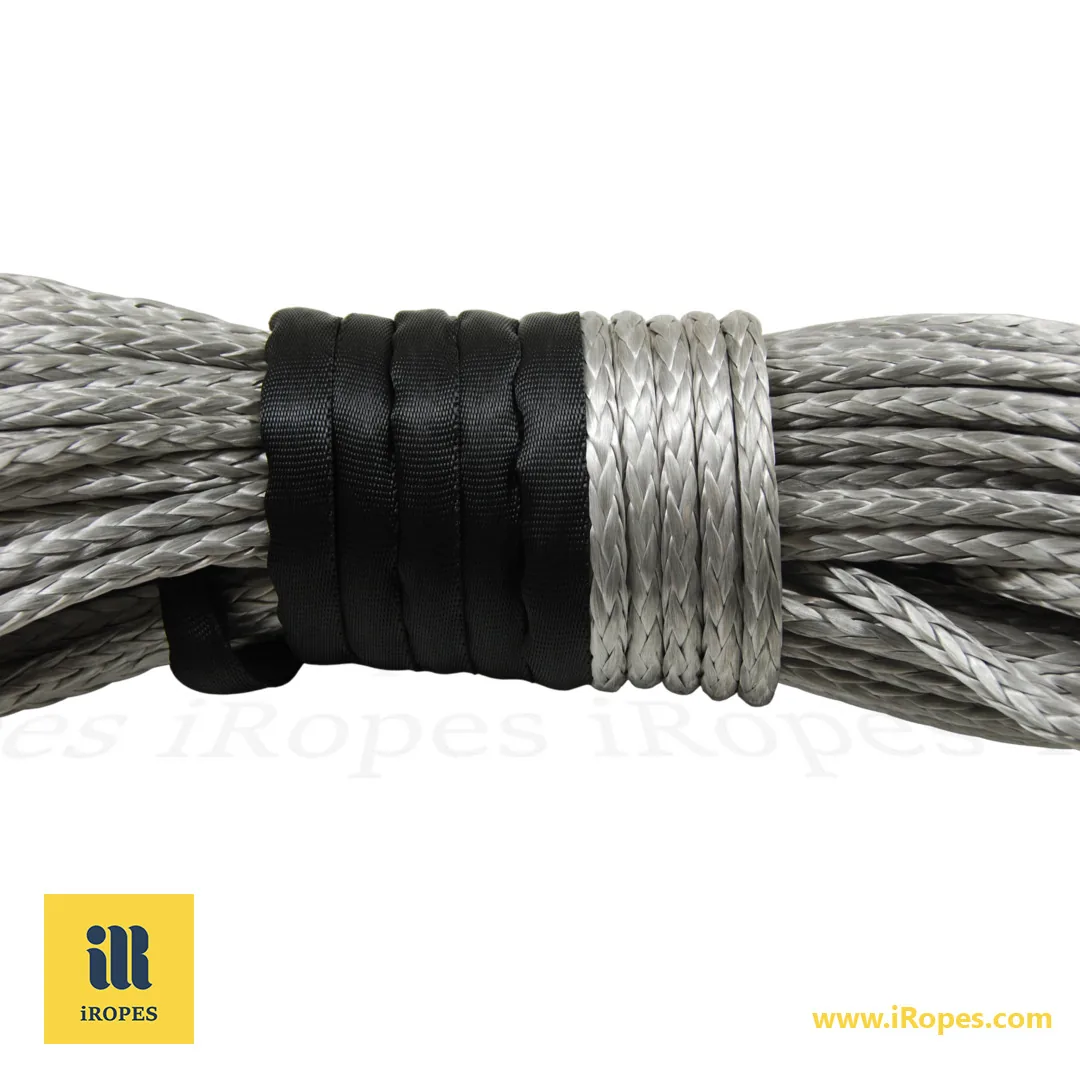
Overlooked accessories like HMPE chafe sleeves and soft shackles revolutionise marine ropes, extending lifespan by up to 200% in saltwater conditions while slashing snap-back injury risks by 50% for commercial operations.
In 12 minutes, master marine rope essentials and unlock 40% cost savings
- ✓ Grasp diverse marine applications—from mooring to offshore—ensuring ropes handle 5,000+ kg loads without failure.
- ✓ Decode top materials like HMPE, delivering **15x steel's strength-to-weight** for safer, lighter handling.
- ✓ Discover game-changing accessories that boost durability, preventing abrasion and cutting replacements by 30%.
- ✓ Learn custom selection tips via iRopes' OEM services, tailoring solutions for your exact environmental needs.
You might think a sturdy rope alone conquers the sea's fury, but what if smaller, often overlooked add-ons—like invisible shields against chafe—hold the real power to **avert maritime disasters** and slash vessel downtime? In commercial marine operations, ignoring these unsung heroes leads to significantly higher failure rates. However, integrating them flips the script, transforming vulnerable setups into genuinely resilient systems. Want to know how iRopes customises these revolutionary components for your vessels?
The Vital Role of Marine Applications in Commercial Operations
In the vast, unpredictable world of the sea, marine applications form the backbone of countless commercial endeavours. From securing massive cargo ships to hauling deep-sea catches, these operations demand ropes capable of withstanding relentless forces. Consider a bustling port where vessels constantly dock and depart. Here, reliable rope systems are crucial, preventing accidents and keeping strict schedules on track. iRopes steps in as a trusted partner, delivering tailor-made solutions that meet the exacting standards of this sector.
- Mooring: Essential for tying vessels securely to docks or buoys. Here, ropes endure constant tidal pulls and wave impacts.
- Towing: Used in salvage and transport, this application requires ropes with exceptionally high tensile strength to move heavy loads over long distances.
- Fishing: Ropes support nets and lines in rough waters, balancing flexibility with crucial resistance to constant abrasion from gear.
- Offshore energy: Critical for anchoring platforms in oil and gas fields or wind farms, ropes face extreme depths, powerful currents, and unrelenting environmental stressors.
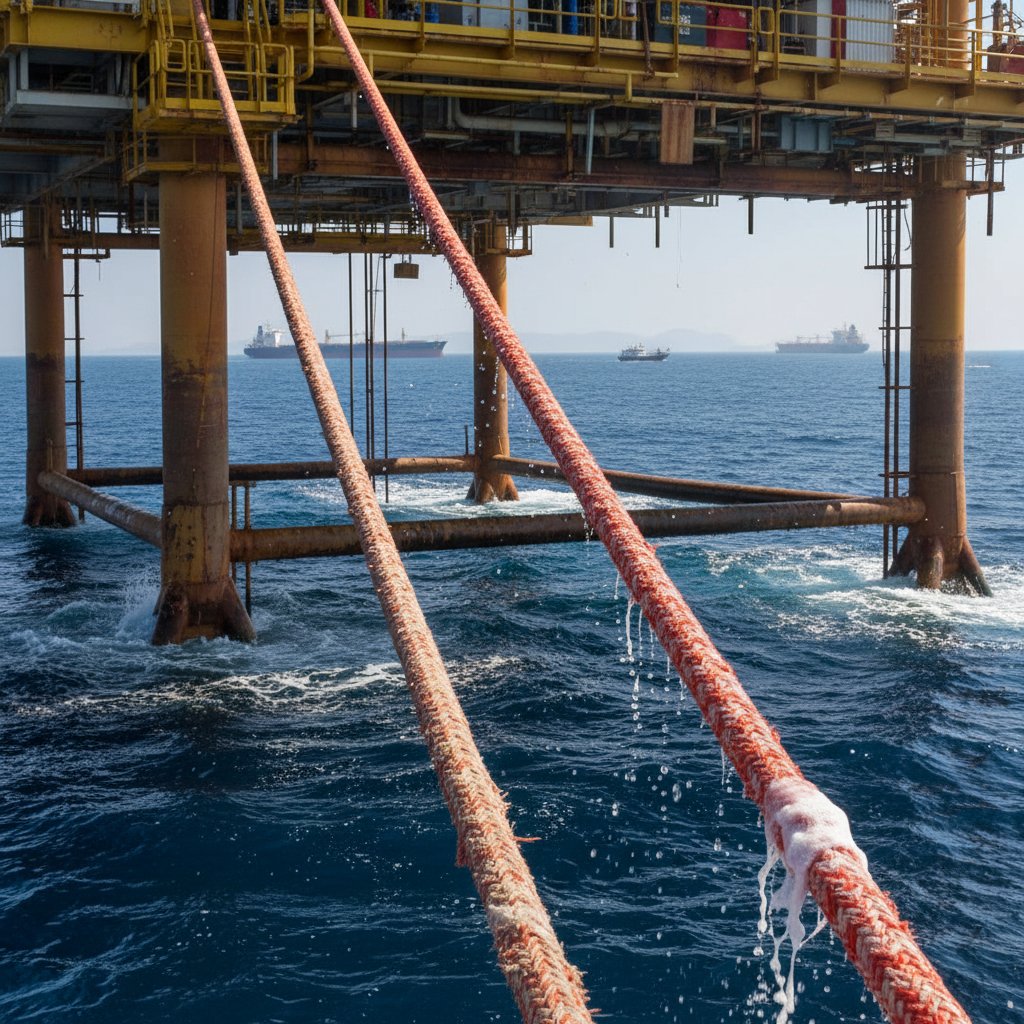
Durability isn't merely a desirable trait in marine applications; it's a critical lifeline. Saltwater corrodes materials quickly, while relentless UV rays degrade fibres over time. In commercial shipping, ropes must reliably handle loads exceeding thousands of kilograms without snapping, ensuring safe voyages across oceans. Although recreational boating might seem less demanding, even there, sudden storms severely test limits. Industrial uses like offshore rigging push boundaries even further. Imagine a fishing trawler battling heavy swells; without robust gear, a single rope failure could mean lost equipment or, even worse, serious crew injury.
When choosing the best commercial ropes for these diverse marine applications, focus on selecting materials that precisely match the task. High-modulus polyethylene (HMPE), often known by the brand name Dyneema, excels due to its incredible strength-to-weight ratio and minimal stretch. This makes it ideal for towing where precision is paramount. Nylon, conversely, offers excellent shock absorption, making it perfect for mooring lines that need to flex with waves. These
What ties this all together? The seamless link between ropes and accompanying
As we delve deeper, understanding these core demands sets the stage for exploring the specific types and materials that make commercial ropes so effective in these challenging marine scenarios.
Decoding Types and Materials in Commercial Rope
Building on the core demands we just explored, let's delve into the specifics of what makes a commercial rope truly effective. Imagine you're out on the water, waves crashing, and your line needs to hold without giving an inch—or sometimes, with just the right amount of controlled elasticity. That's where the correct materials and construction come in, transforming potential disasters into smooth operations. At iRopes, we've seen firsthand how picking the wrong type can lead to costly replacements, but the right one? It feels like a genuine extension of your vessel.
The journey begins with the materials, which form the heart of any solid commercial rope. High-modulus polyethylene, or HMPE—often known by the
Core Materials
Strength and Adaptability
HMPE/Dyneema
Offers up to 15 times the strength of steel by weight, with minimal elongation for precise control in dynamic loads.
Nylon
As a leading synthetic, Nylon excels in energy absorption, stretching up to 30% under load before recovering, reducing stress on fittings.
Polyester
Maintains shape with under 10% stretch, resisting wear from friction in constant-use scenarios.
Supporting Options
Specialised Performance
Polypropylene
Floats on water and costs less, making it suitable for temporary markers or lightweight retrieval tasks.
3-Strand Construction
Simple and splice-friendly, this offers good flexibility for hand-coiling on deck.
Double Braid
This construction combines a braided core and cover for balanced strength and improved handling in wet conditions.
The way these materials are brought together in different constructions matters just as much. A 3-strand twist provides basic flexibility and easy splicing for everyday jobs, while double braid layers a strong core with a protective sheath, enhancing grip and reducing slippage. The 12-strand single braid, meanwhile, allows for smooth running through blocks and superior spliceability, particularly in high-performance setups. These aren't just technical specifications; they're about enhancing your safety and streamlining your day on the water.
Speaking of performance, what truly sets synthetic ropes apart from old-school steel wire? Synthetics win hands down on safety—there's no dangerous snap-back if they fail. They are also far easier to handle,

Once you've mastered the basics of these ropes, pairing them with the right add-ons can elevate your setup to the next level, significantly amplifying everything from durability to ease of use. This transition leads us directly into the world of revolutionary marine rope accessories.
Revolutionary Rope Accessories for Marine Systems
Once you've got the rope fundamentals sorted, the real game-changer comes from the accessories that work seamlessly with them. These aren't just extras; they are the unsung heroes that keep everything running smoothly in the unpredictable marine world. Think about it—a top-notch line can still fail if it's rubbing against a rough edge or poorly connected. At iRopes, we've helped countless operations by integrating these essential elements, transforming potential weak points into fortified strengths. Let's break down how connectors, protective gear, and hardware elevate your setup.
Starting with connectors, soft shackles and thimbles provide attachments that are both incredibly secure and low-risk. Soft shackles, crafted from durable fibres like HMPE, replace traditional metal ones. They effectively avoid dangerous snap-back injuries during failures, are lightweight, and easy to untie even when wet—perfect for quick rigging on a heaving deck. Thimbles, those simple metal or plastic inserts, fit inside rope eyes to maintain their shape under heavy pulls, preventing kinking that could lead to uneven stress. Have you ever dealt with a tangled mooring line in a storm? These accessories keep things straight and reliable, significantly reducing hassle and increasing safety when time is critical.
Soft Shackles
These flexible connections minimise injury risk and speed up adjustments in dynamic marine conditions.
Thimbles
Thimbles reinforce rope loops for lasting integrity, distributing loads evenly without deformation.
Chafe Sleeves
HMPE-based covers that shield ropes against friction, potentially doubling rope lifespan in abrasive spots.
Cleats
Cleats provide secure fastening points that allow controlled tensioning, essential for organised deck work.
When it comes to wear protection, chafe gear and sleeves are vital for fending off the daily grind of marine life. Crafted from tough HMPE, these components wrap around vulnerable sections to block abrasion from rails, anchors, or constant motion against hulls. In commercial setups, where ropes see non-stop action, this gear can prevent costly tears, allowing your crew to focus on the job rather than constant repairs. Common commercial marine rope accessories like these directly boost durability by creating a robust barrier against the elements. They can also improve visibility with reflective options for nighttime operations. Have you precisely considered how a small sleeve could save your entire line during a rough haul?
Terminations and hardware round out the system with splices, cleats, and blocks that streamline management. Splices join rope ends without bulky knots, preserving full strength for seamless flows through pulleys. Cleats offer quick, firm holds for lines under tension, and blocks significantly reduce friction for smoother pulls. Together, these enhancements improve safety by minimising slip hazards and support efficient workflows, whether you're managing cargo or securing valuable gear. By prioritising such

With these accessories in play, your marine systems become significantly more resilient. However, matching them to specific needs necessitates thoughtful selection based on precise loads and unique environmental conditions.
Selecting Customised Solutions for Marine Needs
With those resilient accessories bolstering your marine systems against everyday wear, the next crucial step is zeroing in on selections that perfectly fit your exact setup. It's not just about grabbing the strongest option off the shelf; it's about aligning everything—from your core lines to these essential add-ons—with the realities of your specific marine operation. Whether you're running a fishing operation or managing offshore rigs, thoughtful choices here can make all the difference in keeping things safe, efficient, and cost-effective.
Start by evaluating key selection criteria to ensure your gear consistently performs. Load capacity comes first: precisely calculate the maximum forces your lines will face, such as the pull from a fully loaded trawler or the immense stress of an anchor drop. Then, select diameters that provide an ample safety margin—typically three times the working load—to avoid unexpected failures. Environmental factors also play a huge role. In salty, sun-baked conditions, opt for materials with proven resistance to hydrolysis and UV degradation, ensuring
- Assess load requirements to determine precise breaking strength and diameter needs.
- Factor in site-specific conditions like intense wave action or chemical exposure.
- Verify compliance with relevant international standards, such as ISO 9001, for audited reliability.
Customisation takes this process even further through OEM and ODM services, allowing you to tailor every single aspect to your operation. Adjust material blends for better grip in wet conditions, fine-tune diameters for easier handling on deck, or integrate specific

For upkeep, simple habits significantly extend your investment: rinse lines thoroughly after each saltwater dip to clear corrosive buildup, store them coiled away from direct sunlight, and inspect for frays monthly. One particular case involved an offshore team switching to protected setups; they cut replacement costs by 40% over just two years and narrowly avoided a serious incident during a storm. This clearly demonstrates how proactive care boosts safety without added hassle. Another commercial fishing operator saw downtime drop sharply after adopting spliced ends that self-aligned perfectly under tension, ultimately freeing crew for core tasks.
Real-World Savings
A mid-sized towing firm customised their HMPE lines with integrated chafe guards, reducing annual maintenance by over 30% while significantly enhancing load security in rough seas.
At iRopes, these elements shine through our precision manufacturing in advanced facilities, where skilled teams craft each piece to exact specifications. We diligently safeguard your ideas with full IP protection, ensuring your branded designs and innovations remain secure. Furthermore, we handle global delivery directly to your site—pallets arriving on time for seamless integration. This comprehensive approach not only meets but genuinely exceeds the demands of diverse
Exploring the critical demands of marine applications—from commercial shipping and recreational boating to industrial marine uses—unveils how advanced commercial rope products and rope accessories truly transform operations. By meticulously selecting materials like HMPE for superior strength or Nylon for essential shock absorption, and integrating protective chafe gear or innovative soft shackles, you ensure unparalleled durability against saltwater, UV exposure, and heavy loads. Furthermore, tailored through iRopes' OEM/ODM services, these customised solutions precisely meet specific environmental conditions and application requirements, significantly boosting safety, efficiency, and longevity while ultimately cutting maintenance costs.
Building on these insights, partnering with experts can refine your vessel's setup for absolute peak performance. Whether adapting to intense wave action or varying load capacities, personalised customisation truly elevates your marine systems to new heights.
Discover Tailored Marine Rope Solutions with iRopes
If you're seeking personalised advice on optimising commercial rope and accessories for your unique marine applications, the Inquiry Form above connects you directly with iRopes' specialists for expert guidance.