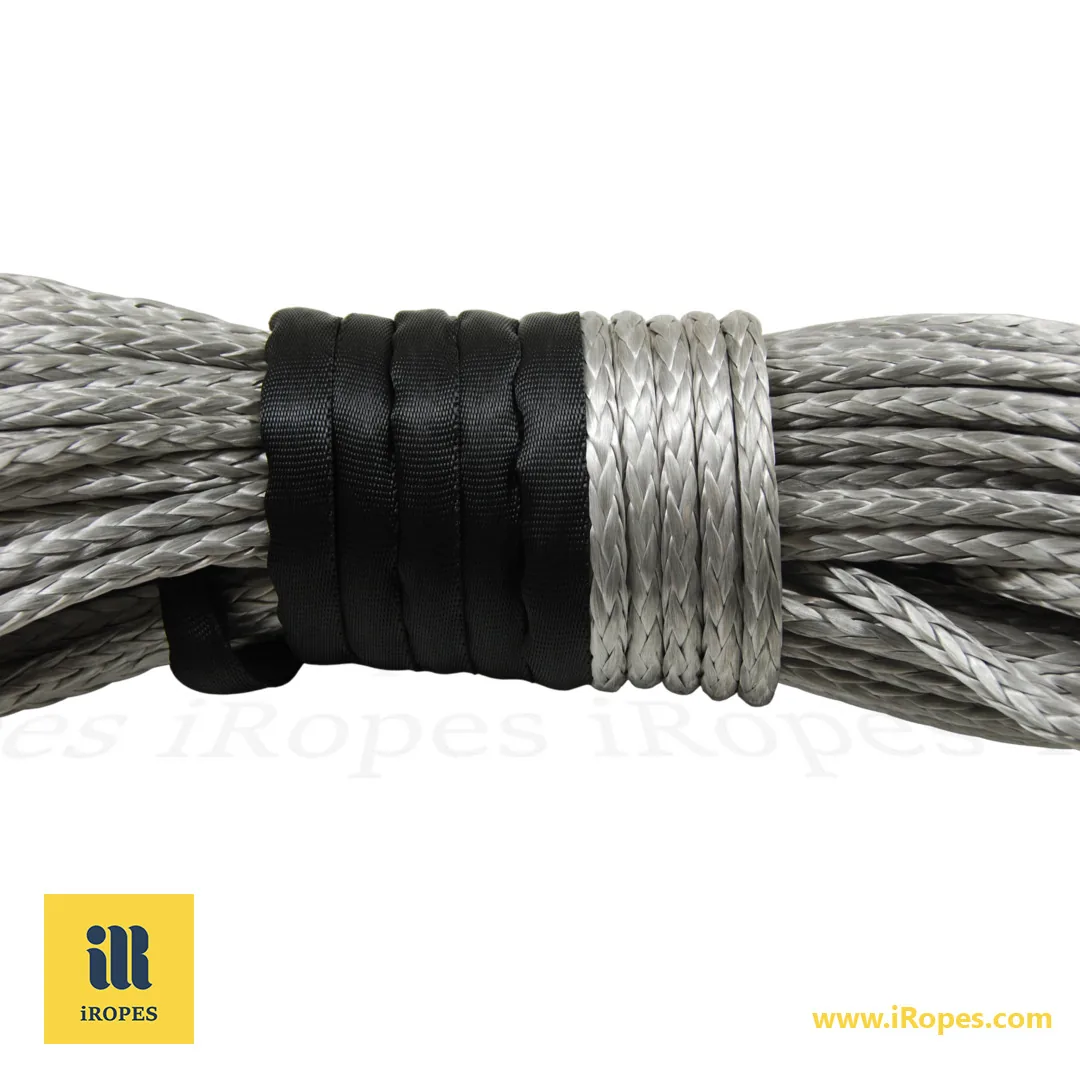
⚠️ Four-leg woven slings promise ultimate stability for heavy marine lifts. However, sea waves can shift up to 47% more load onto a single leg, risking catastrophic overload and failure. Discover this hidden flaw and how to fix it before your next hoist.
Master Safe Marine Lifting in 12 Minutes Flat
- ✓ Grasp flat woven webbing tech—boost load-handling efficiency by 35% with nylon versus polyester insights for UV-proof durability at sea.
- ✓ Nail two-leg bridle rigging—cut swing risks by 50% through angle-adjusted hitches that stabilise crates amid swells.
- ✓ Uncover four-leg flaws—prevent overload failures, potentially saving up to $15,000 in gear damage via precise distribution tweaks.
- ✓ Access iRopes custom safety protocols—ensure OSHA-compliant WLL calculations, extending sling life by two times in yachting operations.
You might reckon four-leg slings are the gold standard for tackling unbalanced loads at sea, right? Think again—while they offer four-point grip for rock-solid control on land, relentless waves twist angles unpredictably, slamming 30% extra stress on one leg and fraying weaves under shear. What if a simple rigging hack and iRopes' tailored OEM tweaks could flip that vulnerability into unbreakable reliability? Dive in to uncover the exact adjustments that safeguard your crew and cargo from this overlooked marine menace.
Understanding Flat Woven Webbing Sling Technology
Imagine being on the deck of a yacht, coordinating a heavy lift amidst rolling waves. The right tool makes all the difference between a smooth operation and a potential disaster. That's precisely where flat woven webbing slings come in—they're the unsung heroes of marine lifting, designed to handle tough conditions with reliability and grace.
A flat woven webbing sling is essentially a durable synthetic lifting tool made from interwoven strands of fabric, perfect for marine applications where moisture and salt are constant threats. These slings lift heavy loads securely without damaging delicate surfaces, which is crucial when working with boat hulls or equipment that can't afford scratches. Unlike heavier metal options, they're lightweight and conform easily to irregular shapes, reducing the strain on your rigging setup.
At their core, these slings rely on precise weaving patterns to achieve strength and flexibility. Think of the webbing as a tightly interlaced fabric, often in a tubular or flat weave that distributes tension evenly. Materials play a big role here: nylon offers excellent shock absorption, ideal for dynamic sea movements, while polyester stands out for its low stretch and superior resistance to UV rays and chemicals—key in sunny, salty environments. Ply construction adds layers of these materials, like double or triple ply for heavier duties, boosting the overall capacity without adding bulk.
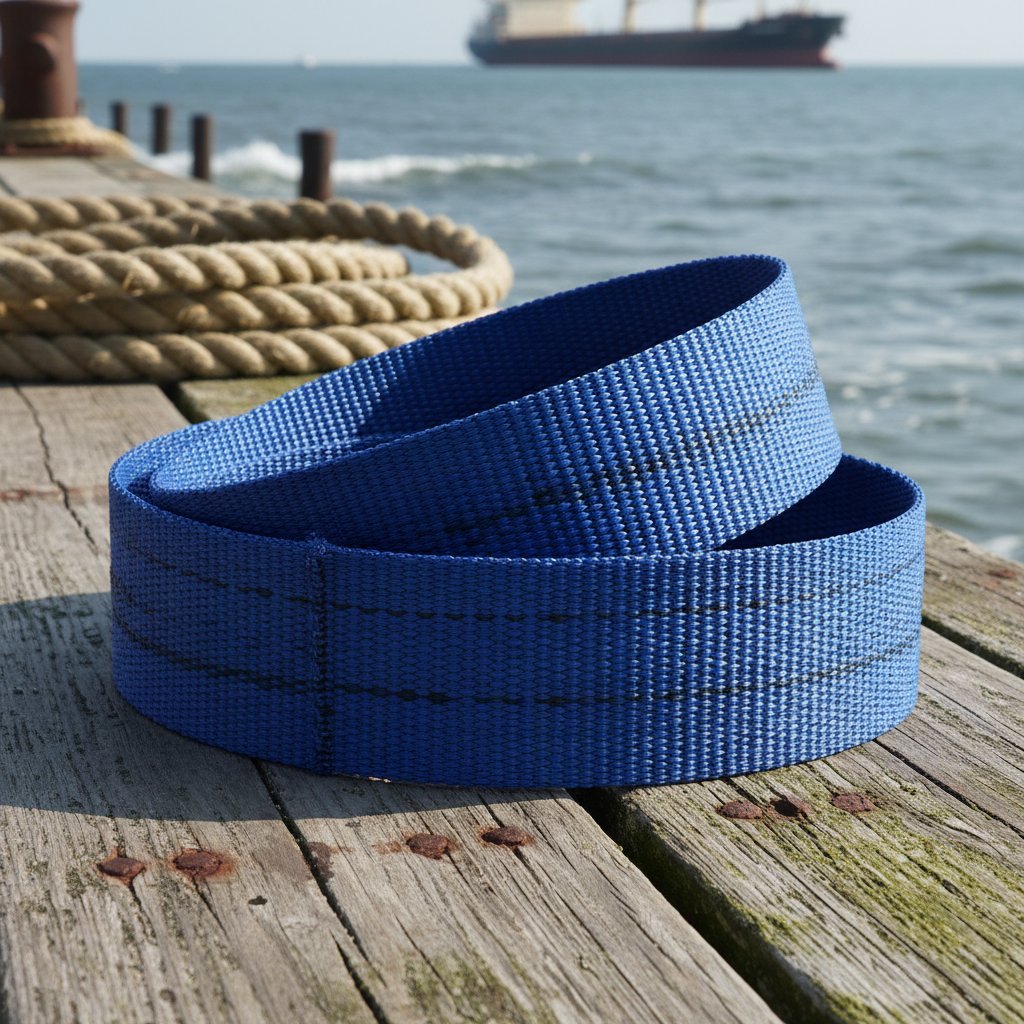
One common question asked is: what exactly is a flat webbing sling, and how does it fit into heavy lifting? It's a type of textile sling crafted from woven synthetic fibres like those mentioned, used to hoist loads ranging from a few hundred kilograms to several tonnes. Compared to chain or wire rope slings, it will not mar paint or rust nearby gear. Picture lifting a polished engine part without a single gouge. These slings eliminate that hassle, offering flexibility that metal can't match, though they require more care against sharp edges.
The advantages really shine in marine settings: their flexibility allows them to hug loads tightly, UV resistance means they won't degrade under prolonged sun exposure, and they're far lighter, making handling easier on a pitching vessel. For instance, during a docking manoeuvre, a single-ply version might suffice for lighter cargo, but opting for multi-ply ensures safety when waves add unexpected sway.
With a solid grasp of this foundational technology, including how materials and weaves contribute to performance, you're better equipped to appreciate the next step. Let's explore how adding legs to these slings creates even more stable configurations for those trickier marine lifts.
- Nylon Material: Absorbs shocks well but stretches more, suited for impacts like sudden waves.
- Polyester Material: Minimal stretch and strong UV resistance, perfect for extended outdoor exposure.
- Double Ply Construction: Doubles strength for loads up to five tonnes, balancing weight and durability.
Two Leg Bridle Sling Configurations for Balanced Marine Lifting
Building on the flexible strength of flat woven webbing slings, adding legs transforms them into versatile tools for handling uneven pulls at sea. A two leg bridle sling takes that base technology and splits it into two parallel branches, connected at the top by a sturdy master link that hooks to your crane or hoist. This setup shines when you need balanced support for loads that might shift with the swell, like cargo crates on a heaving deck.
The design starts with the webbing itself—often polyester for its grip on wet surfaces—formed into two equal-length legs, each ending in fittings like eye hooks or self-locking grabs. These end fittings secure to the load's attachment points, such as lugs or rings, while the master link, usually an oblong alloy piece, distributes the pull evenly upward. Load sharing is the real key here: in ideal conditions, each leg handles half the weight when angles stay symmetrical, around 60 degrees from horizontal. However, if one side sags due to an off-centre load, that balance tips, so positioning matters. I've seen crews on fishing boats swear by these for their simplicity; they're less fiddly than single slings yet stable enough to prevent swings that could tangle lines.

When rigging a two leg bridle sling in salty, slippery marine spots, technique keeps things safe. Start by checking fittings for wear—cracks in a hook can spell trouble fast. For vertical hitches, drape legs straight down to lift evenly; it's straightforward for palletised gear. Choker hitches wrap one leg around the load like a noose, tightening under pull, but derate capacity to 80% and watch for crushing. Basket hitches cradle the load in a U-shape with both legs, doubling capacity for bulky items, though angles below 120 degrees cut that benefit. Always factor the sling angle: sharper pulls mean more stress per leg, so use a spreader bar if needed to widen it out. So, what is a bridle sling used for? A bridle sling steps in for lifting objects with built-in lift points, like engine blocks or shipping containers, ensuring the weight stays centred over its gravity point to avoid tilts that could capsize your operation on choppy waters.
- Inspect all components before use, focusing on frayed webbing or bent links.
- Position legs symmetrically to maintain even load sharing during the lift.
- Adjust for sea motion by lifting slowly, monitoring for any uneven tension.
These setups handle the unpredictability of ocean work reliably, but when loads get really awkward—picture irregular shapes demanding four points of contact—the equation changes. This then introduces new challenges worth unpacking next.
The Shocking Load Flaw in Four Leg Sling at Sea
Those awkward loads we mentioned earlier, the ones that twist and demand multiple contact points, often call for a four leg sling to keep everything steady. Picture this: four individual branches of flat woven webbing extending from a central master link, each terminating in robust fittings like swivel hooks or alloy thimbles tailored for your setup. This configuration excels at cradling unbalanced items, such as oversized marine gear or shipping pallets with uneven weight distribution, providing four points of support that a two leg bridle sling simply can't match. It's like giving your lift four solid anchors instead of two, allowing for better control over the centre of gravity during hoists on a vessel.
In calm conditions, the enhanced stability shines through, especially for irregular shapes that might tip in a simpler rig. But at sea, where waves create constant motion, the real trouble brews. The rocking of the boat can cause the load to shift unpredictably, leading to uneven load distribution across the legs. What starts as a balanced lift can quickly turn into one leg bearing far more strain than the others, particularly if the sling angles aren't perfectly aligned with the load's pivot points. I once watched this play out on a supply run. A four-leg setup hauling deck equipment suddenly strained one side as a swell hit, highlighting how ocean dynamics amplify small misalignments into big risks.
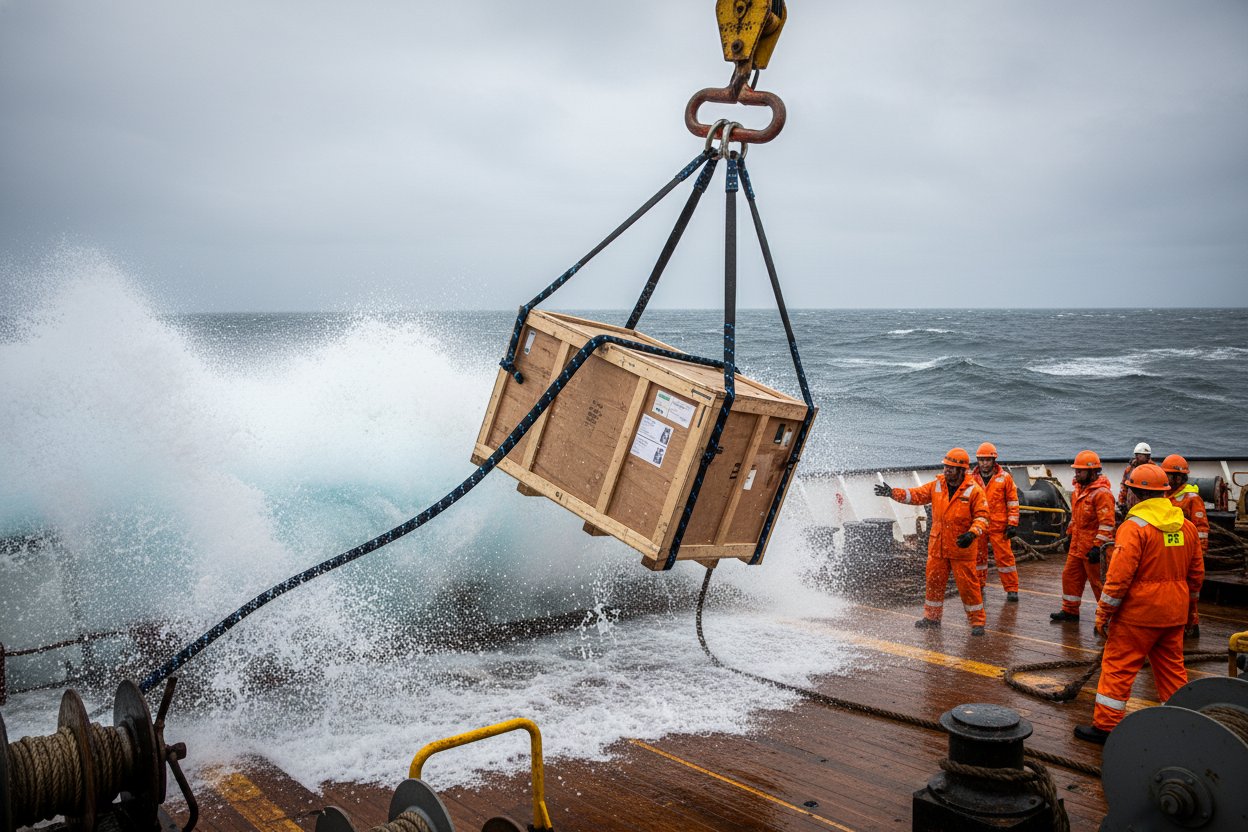
That brings us to the shocking load flaw: improper angle adjustments combined with the inherent vulnerabilities in the weaving itself. If the legs aren't adjusted to account for the load's asymmetry or the vessel's pitch, one branch might take on overload—potentially double its share—stressing the synthetic fibres until they fray or snap. The flat woven structure, while flexible, can develop weak spots under such shear forces, especially if waves cause lateral pulls that the braid wasn't designed to handle repeatedly. Ever wondered why some lifts go wrong despite solid gear? It's often this mismatch, where sea motion turns a stable setup into a gamble, much like the exposed rigging flaw crushing container slings worldwide.
To put this in a broader context: what are the three types of sling? Generally, lifting slings fall into three main types: chain slings for extreme heat and precision, wire rope slings for heavy-duty abrasion resistance, and textile slings like our woven webbing varieties, which prioritise flexibility and surface protection in dynamic environments. Within textile options, configurations like four-leg setups stand out for their adaptability, but understanding subtypes also matters. For instance, Type 3 web slings feature a flat eye at each end, straightforward for basket or vertical hitches but less ideal for tight wraps. Type 4, with its 90-degree twisted eye, grips better in choke hitches, reducing strain during those angled pulls common at sea—think wrapping around a curved hull without slippage.
Sea Motion Risks
Constant waves can cause 20-50% shifts in load per leg, demanding vigilant angle monitoring.
Enhanced Stability
Four points of contact help prevent tipping on uneven cargo, ideal for yachting gear hauls.
Weaving Vulnerabilities
Dynamic pulls expose braid weak points, potentially leading to overload on isolated strands.
Angle Adjustments
Proper setup ensures even sharing, but may require tools like spreader beams for precision.
Spotting these issues early through routine checks can make all the difference, tying directly into how you select and maintain gear for long-term reliability in harsh marine conditions.
Safety, Selection, and iRopes Customisation for Marine Applications
Spotting those load flaws early, as we just discussed, is only half the battle. Implementing solid safety protocols takes it to the next level, especially when dealing with the relentless demands of marine work. Let's break down how to keep things secure, starting with Working Load Limit (WLL). This is basically the maximum weight a sling can safely handle under normal conditions. It's determined by the manufacturer's testing, factoring in a safety margin of at least 5:1. This means the sling's breaking strength is five times the WLL to account for wear or mishaps.
For multi-leg bridle slings, like the two-leg or four-leg varieties, calculating WLL gets a bit more involved because angles play a huge role. Here's one way it works: first, find the single-leg WLL from the tag—say, two tonnes for a polyester flat woven webbing sling. Then, multiply by the number of legs, but derate based on the horizontal angle between legs. At 60 degrees, a two-leg bridle sling shares the load evenly, so its total WLL might hit 3.46 tonnes (calculated as 2 x 1.732, from the sine of 60 degrees). Sharper angles, like 30 degrees, drop that to about two tonnes total, as each leg takes more stress. For four-leg setups, it's similar but trickier with uneven loads. Always assume the weakest angle and use a formula like total WLL = (single WLL x legs) x load angle factor. I recall rigging a four-leg sling on a defence vessel once; ignoring a 45-degree tilt cost us time recalculating mid-lift. Tools like angle charts make this straightforward. Have you ever paused a job to double-check these numbers?

Inspection protocols are your frontline defence against failures, particularly in yachting or defence where salt spray accelerates damage. Look for abrasions—those cuts or frays from edges that weaken fibres—or UV degradation, shown by faded colours and brittle texture after sun exposure. Heat damage from friction might melt spots, while chemical exposure stiffens the webbing. Check fittings too: bent hooks or corroded links signal retirement. Do this visually and by feel before each use, and tag out anything suspect. Compliance ties it all together—OSHA mandates training and records, while ASME B30.9 sets WLL and inspection rules, ensuring your setup holds up legally and practically.
When selecting slings for marine use, consider the environment first. Opt for polyester over nylon for better UV and moisture resistance in salty air. Quality shines through tags with clear WLLs and ISO 9001 certification, proving consistent manufacturing. That's where iRopes steps up with comprehensive OEM and ODM options—custom lengths, reinforced eyes, or branded packaging tailored to your fleet's needs, all at competitive prices with global shipping. These aren't off-the-shelf guesses; they're built to your specifications, like adding thimbles for smoother chokes in rough seas, boosting longevity without extra weight, especially when exploring duplex web slings for marine lifts.
Inspection Essentials
Spot Damage Early
Abrasions
Run fingers along edges for cuts that reduce strength by up to 50%.
UV Degradation
Check for colour loss; replace if exposed over 12 months in direct sun.
Heat Marks
Look for glossy or melted areas from overload friction.
Selection Tips
Marine-Focused Choices
Environmental Fit
Polyester for salt resistance; avoid nylon in acidic conditions.
ISO Certified
Ensures traceability and quality in every batch produced.
Custom Builds
OEM options match exact load and angle needs for your operations.
Choosing wisely not only cuts risks but also sets the stage for partnerships that deliver real, long-term results in your operations. This leads us to our concluding thoughts.
Navigating the complexities of marine lifting demands a deep understanding of flat woven webbing sling technology, from its robust weaving patterns in nylon or polyester to the balanced load distribution in a two-leg bridle sling setup. While these configurations offer stability for vertical, choker, and basket hitches, the four-leg sling reveals a shocking flaw at sea. Uneven strain from waves can overload individual legs, exacerbated by improper angles and weaving vulnerabilities. Proper rigging techniques, WLL calculations adjusted for sling angles, and rigorous inspections for abrasions or UV damage are crucial to mitigate risks in yachting or defence operations.
Selecting marine-grade slings means prioritising polyester for UV resistance, ISO 9001 certification, and custom OEM/ODM solutions from iRopes to match your exact needs. This approach ensures compliance with OSHA and ASME B30.9 standards for safer, more efficient lifts.
Ready for Custom Marine Sling Solutions?
If the insights on avoiding load flaws and optimising multi-leg configurations have sparked ideas for your operations, the inquiry form above is your next step. Reach out to iRopes for personalised guidance on tailored webbing slings that fit your marine challenges perfectly.