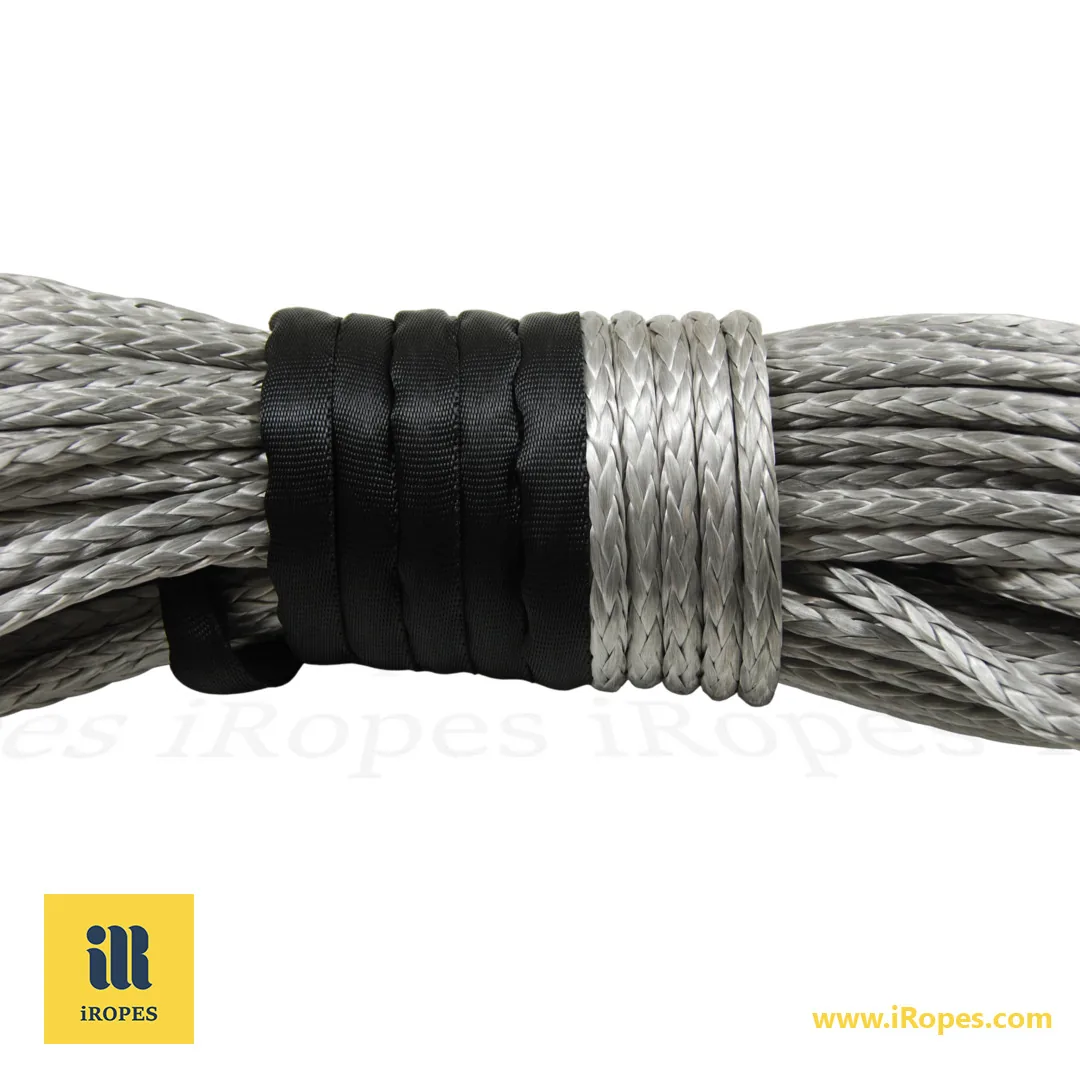
Unlock safe yacht lifting with the soft sling chart that prevents hidden damage—revealing WLL up to 3.8 tonnes for a 1-inch HMPE sling in vertical hitches, cutting overload risks by 50% in angled configurations.
Master marine rigging in ~8 minutes: ✓
- ✓ Decode WLL charts for choker and basket hitches, ensuring 80% capacity retention to protect yacht gelcoat from pressure points.
- ✓ Compare thimble eye vs. soft eye slings, gaining 2x wear resistance for hardware connections in saltwater environments.
- ✓ Select polyester or HMPE materials, reducing sling weight by 40% while boosting UV resistance for offshore durability.
- ✓ Apply D/d ratio guidelines, avoiding kinks that slash strength by up to 25% in curved yacht fittings.
You might assume a basic sling handles any yacht lift without a second thought—but what if that oversight conceals micro-cracks forming beneath uneven loads, potentially costing thousands in repairs? Enter the soft sling chart: your overlooked ally that precisely matches capacities to real-world angles and hitches. Dive deeper to uncover how iRopes' custom solutions transform risky routines into foolproof operations, safeguarding your vessel's pristine finish every time.
Understanding Soft Round Slings for Marine Lifting
Imagine carefully maneuvering a sleek yacht hull from the depths for maintenance. Using a harsh metal chain could leave that pristine gelcoat finish scratched beyond repair. This is where soft round slings become indispensable. They offer a gentle embrace for your valuable marine gear, preventing hidden damages before they even occur.
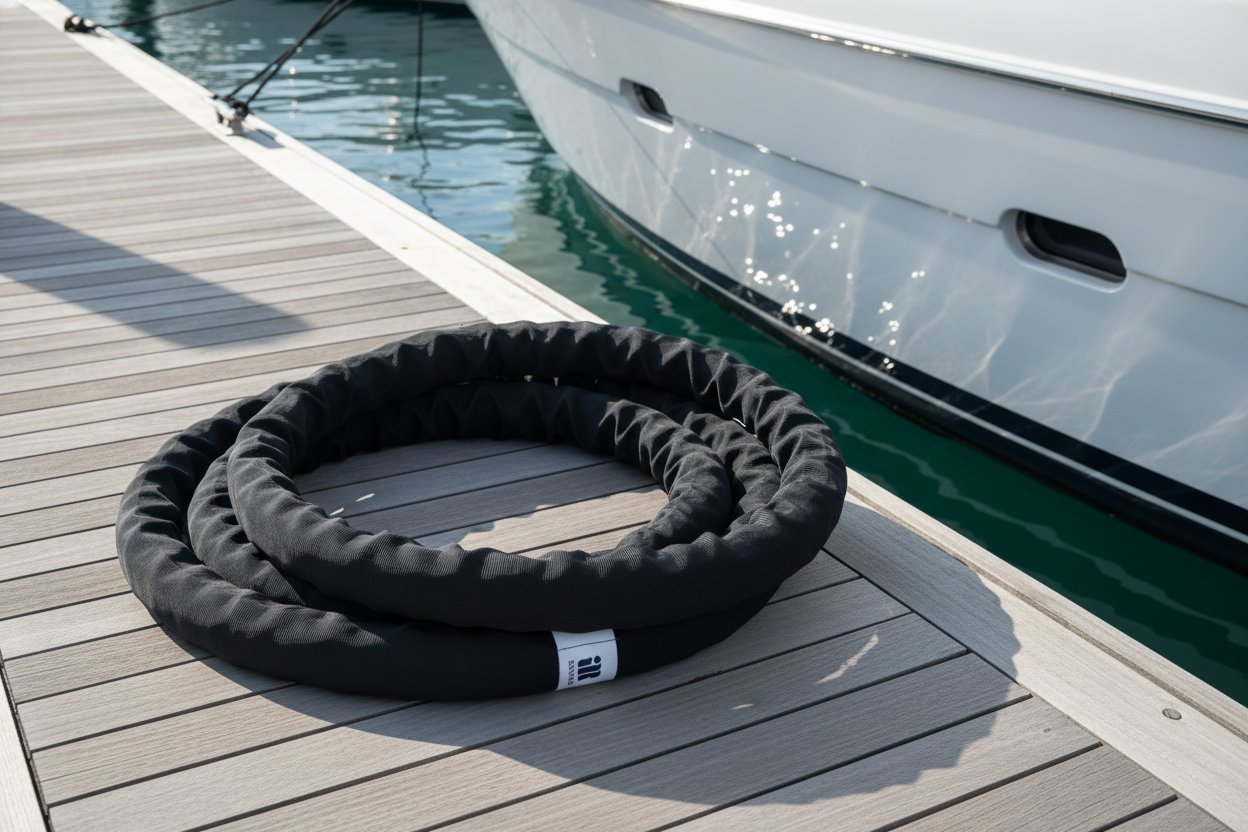
A soft round sling is essentially an endless loop made from synthetic fibres, encased in a tough protective jacket. This design provides incredible flexibility, allowing it to conform to irregular shapes without digging in or marring surfaces. The core, typically a bundle of strong yarns, bears the load, while the outer cover shields against abrasion and environmental wear. Think of it as a flexible tube of strength, perfectly suited for lifting sensitive items like boat engines or fibreglass components without leaving a mark. With these slings, the risk of snagging a yacht's delicate edges is eliminated from the outset.
Choosing the appropriate material is crucial in marine settings, where sun and saltwater constantly challenge equipment. Polyester stands out for its robust UV resistance, preventing degradation under prolonged exposure to harsh rays—an ideal characteristic for dockside storage or sunny yacht hauls. HMPE, or high-modulus polyethylene, on the other hand, offers an unbeatable strength-to-weight ratio. This makes it lighter yet tougher, perfect for offshore work where every kilogram is vital. Switching to an HMPE sling can significantly reduce effort without compromising power. Both polyester and HMPE options suit yacht handling perfectly, balancing durability with ease of use.
A significant benefit of these slings is their ability to distribute the load evenly across their entire surface. This reduces pressure points that could otherwise crack or dent high-value marine equipment. Being non-conductive, they also provide a crucial safeguard against electrical hazards around boat batteries or wiring. In applications such as stepping a mast or removing an outdrive, this even distribution ensures safer lifts and protected surfaces every time.
- Endless design – Allows rotation to even out wear, extending the sling's lifespan in repetitive rigging tasks.
- Versatile rigging – Easily forms chokers or baskets, adapting to various yacht lift scenarios without requiring extra hardware.
- Compact storage – Folds flat when not in use, saving invaluable space on board.
The construction excels in its simplicity: without rigid ends, there are more options for deployment, from single-point lifts to complex multi-sling setups. This versatility ensures smooth operations on the water, where conditions can change rapidly.
Grasping these fundamentals prepares you for understanding capacity ratings, where a reliable soft sling chart becomes your essential guide for matching the right sling to the job's demands.
Decoding the Soft Sling Chart for Safe Yacht Operations
Having understood the basics of soft round slings, we now turn to the critical tool that transforms knowledge into practical safety: the soft sling chart. This isn't just a collection of numbers; it's your essential guide to preventing overloads during vital yacht lifts, ensuring engines, hulls, and other components remain undamaged. Improper sling selection, as demonstrated by an undersized sling nearly causing a catamaran to tip over during a haul-out, underscores the importance of consulting the chart to match capacity with the job.
Reading a soft sling chart begins with understanding WLL, or Working Load Limit. This represents the maximum safe weight a sling can handle before risking failure, typically based on a 5:1 safety factor from its breaking strength. Charts itemise this by hitch type. In a vertical hitch, the sling hangs straight down, offering its full capacity. A choker hitch wraps around the load and tightens, typically utilising about 80% of the vertical WLL to account for the compressive force. Basket hitches cradle the load in a U-shape, effectively doubling the capacity for even support, provided the load is balanced. To use the chart, first identify your sling's diameter and material, then cross-reference the hitch and angle—shallower angles require stronger slings due to increased side-pull tension.
- Locate the sling diameter (e.g., 1 inch) in the left column.
- Identify your hitch type row (vertical, choker, or basket).
- Apply derating: For angles under 60 degrees, reduce WLL by up to 50% using the angle factor provided.
WLL values vary significantly by diameter and material. For instance, a 1-inch polyester soft round sling might rate at 2.6 tonnes vertically, decreasing to 2.1 tonnes in a choker configuration. HMPE versions, being lighter yet stronger, could achieve 3.8 tonnes for the same size. The D/d ratio is also critical—this is the sling diameter divided by the curvature it bends around, such as a hook. If this ratio is less than 1:1, capacity drops sharply due to kinking; aiming for 2:1 or better helps maintain full strength. In marine operations, frequently involving curved yacht fittings, this ratio can profoundly impact lift safety. At a 45-degree angle, the base WLL must be adjusted by multiplying it by a factor of 1.4 to account for increased tension.

Colour-coding streamlines operations: purple for 1-tonne slings, green for 2-tonne, yellow for 3-tonne, and orange for 10-tonne and beyond. This industry standard, based on ASME B30.9, enables quick identification without fumbling for tags. Compliance with standards is non-negotiable in salty, sun-exposed environments. ASME B30.9 mandates rigorous tests for synthetic slings, ensuring they withstand UV degradation and saltwater abrasion without compromising integrity. Certified slings carry tags detailing WLL and inspection dates, offering peace of mind when hoisting a mast. Adhering to these guidelines ensures smooth operations and unscathed yachts.
Familiarity with these charts enhances confidence and underscores why the correct termination, such as a thimble eye, is ideal for hardware-intensive connections in demanding marine setups.
Thimble Eye Sling Advantages in Sensitive Marine Handling
Building on how the soft sling chart guides capacity and angle considerations, the proper termination for hardware-intensive lifts becomes a crucial decision. A thimble eye sling provides a robust upgrade for connections requiring extra toughness without sacrificing the gentle touch necessary for marine work. If you've experienced sling eyes flattening under pressure from shackles, you'll appreciate how this design maintains security and correct shape.
So, what exactly is a thimble eye sling? It consists of a length of synthetic rope—often polyester or HMPE—with a spliced eye at each end, reinforced by an inserted thimble. This thimble, a simple U-shaped insert typically made from galvanised steel or durable plastic, cradles the rope to maintain its round form and prevent abrasion from metal fittings. Unlike bare splices, which can crush or chafe over time, the thimble distributes stress evenly, enhancing wear resistance and ensuring the eye retains its shape during repeated use. This design prevents eye deformation even after prolonged exposure to saltwater, avoiding costly replacements.
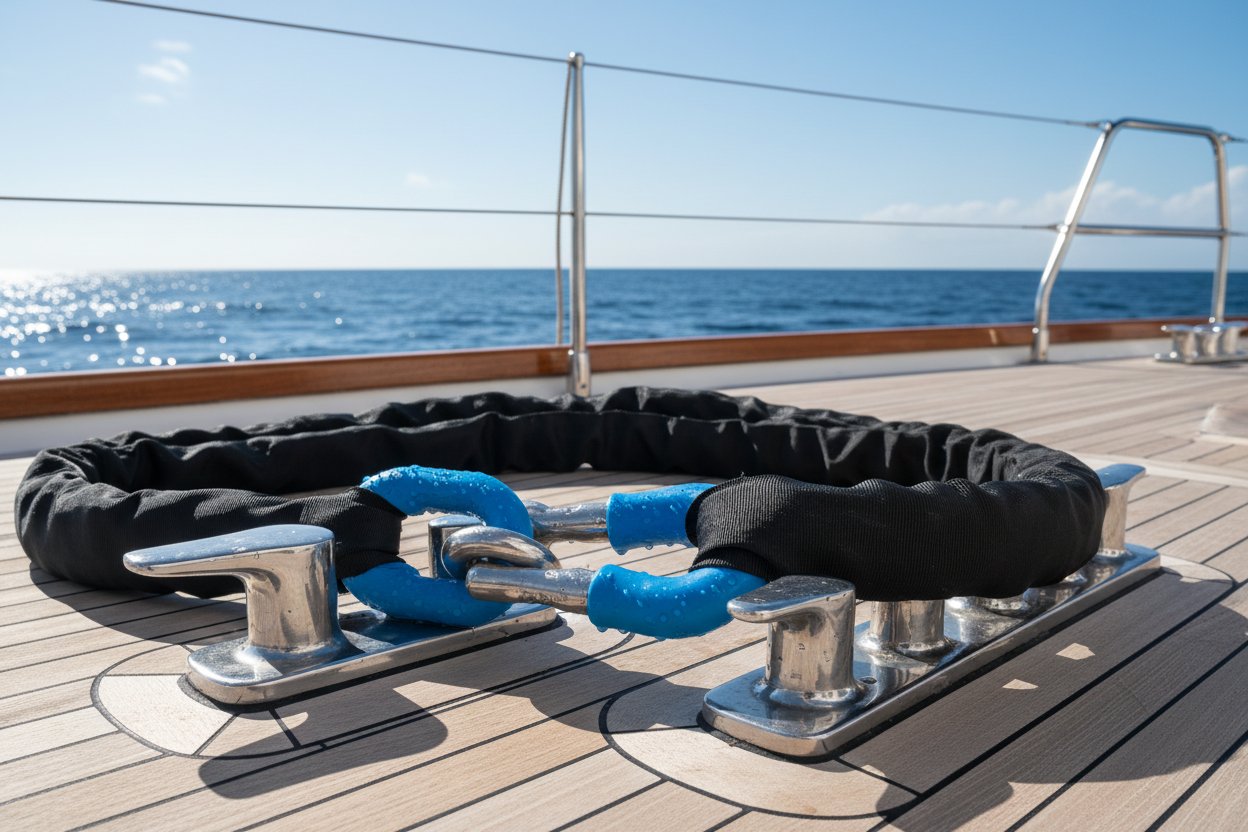
When comparing a thimble eye sling to a soft eye version, their differences are apparent in how they handle specific yacht scenarios. Soft eyes, with their flexible spliced loops, excel at wrapping around irregular shapes such as curved hull sections or cleats, conforming without creating pressure points—perfect for gentle securing on deck. However, thimble eyes trade some flexibility for superior durability, securely locking into hooks or shackles without slipping or premature wear. For hardware connections, such as linking to a crane's master link, the thimble's rigidity prevents pinching and extends the sling's lifespan, whereas soft eyes might compress and fatigue faster under constant metal contact.
Soft Eye Slings
Flexible for irregular loads
Conforms easily
Wraps around curved yacht parts without digging in, reducing damage risk to finishes.
Lightweight handling
Simple splices keep weight down for agile rigging on smaller vessels.
Non-marring surface
Soft material protects gelcoat during temporary ties or light lifts.
Thimble Eye Slings
Durable for hardware links
Shape retention
Thimble keeps eye open and strong against compression from fittings.
Wear resistance
Shields rope from abrasion in repeated hardware connections.
Secure attachments
Ideal for stable links in dynamic marine lifts like engine pulls.
Beyond comparisons, the true advantage of thimble eye slings lies in their surface protection benefits, crucial for flawless yacht finishes that are expensive to restore. By maintaining a wide bend radius, they minimise chafe points where friction could damage paint or gelcoat during lifts or when securing loads against the hull. In saltwater environments, selecting non-corrosive thimbles—such as those made from nylon or coated variants—prevents rust transfer that could etch delicate surfaces over time.
These slings prove invaluable in specific marine tasks, like stepping a mast, where precise hardware ties are essential to avoid instability during installation, or removing heavy engines from confined bilges without damaging bulkheads. Non-corrosive options excel in such conditions, resisting the brine that corrodes standard metal, allowing you to focus on the task rather than post-lift cleanups. Thimble protection transforms demanding chores into straightforward operations, preserving both equipment and peace of mind.
Selecting the ideal termination naturally leads to considering broader material choices that enhance performance against the sea's relentless demands, from UV rays to constant moisture.
Material Options and Protection Features for Yachting Slings
With the appropriate termination in place, such as a sturdy thimble eye maintaining security amidst the splash and sway, the next crucial step involves choosing materials engineered to withstand the ocean's daily challenges. In yachting, where every lift is critical and the marine environment is unyielding, the choice between polyester and HMPE can determine a sling's longevity. Recognising the appropriate material for the task at hand is essential for ensuring lasting performance.
Polyester slings offer low stretch and robust water resistance, making them a preferred choice for routine yacht tasks like hauling dinghies or securing deck cargo in calmer conditions. They retain their shape under moderate loads without significant elongation, ensuring predictable rigging and reducing stress on delicate fittings. HMPE, or high-modulus polyethylene, represents a high-performance alternative. It is highly valued for its exceptionally light weight combined with immense strength. This makes it ideal for offshore operations where encountering swells is common and flotation, if dropped overboard, simplifies retrieval. Unlike heavier materials, HMPE's minimal stretch—often less than 1% at working loads—ensures precise control during intricate mast adjustments. Switching to HMPE slings significantly lightens the handling load, allowing you to focus on the yacht rather than struggling with heavy rigging. For deeper insights into how synthetic slings outperform steel in marine environments, explore these advantages further.
Polyester
Low stretch for stable everyday lifts, resists water absorption to prevent mildew in humid marinas.
UV Tough
Handles prolonged sun exposure without weakening, ideal for docked yachts under tropical conditions.
HMPE
Ultra-light with high strength, floats in water for easy recovery during offshore operations.
Low Stretch
Less than 1% elongation at full load, offering pinpoint accuracy for heavy engine pulls without sway.
The braided construction inherent in these slings evenly distributes weight across numerous fibres, preventing localised stress points that could dent a hull or warp an outboard. This ensures that high-value components, like polished propellers, remain scratch-free even under tension.
For enhanced protection in corrosive waters, integrated jackets and sleeves provide a primary defence against abrasion. These covers, often made from durable polyester blends, encase the core, guarding against scrapes from rough edges or constant wave action. They effectively resist the accumulation of salt crystals that can abrade unprotected rope, extending usability in corrosive areas such as anchor wells. Learn more about chafe protection solutions to further safeguard your slings in marine conditions.

At **iRopes**, we elevate this by offering extensive customisation services, including bespoke lengths for precise fitment on your vessel, colours tailored for crew visibility, and integrated branding. Each product undergoes rigorous checks, backed by ISO 9001 certification, and our intellectual property (IP) protection safeguards your designs. This hands-on approach transforms standard slings into meticulously designed allies for your marine operations.
Integrating these intelligent features not only protects your gear but also sharpens the focus on sound handling practices, ensuring smooth and reliable marine operations.
Armed with insights into the soft round sling's flexible embrace and the soft sling chart's guidance on WLL for safe hitches and angles, yacht handlers can confidently protect high-value marine equipment from hidden damage. The thimble eye sling adds critical durability for hardware connections, while material options like UV-resistant polyester for everyday stability and lightweight HMPE for offshore precision ensure low-stretch performance. These **soft construction slings** excel in load distribution and surface protection, preventing chafe on gelcoat finishes during mast stepping or engine lifts. All these solutions are meticulously tailored through iRopes' customisation services for seamless yacht handling.
By prioritising these features, marine professionals safeguard valuable assets in harsh saltwater environments, blending versatility with non-marring reliability to enhance operational efficiency.
Need Custom Slings for Your Yacht? Get Expert Advice
If you're ready to explore personalised OEM or ODM options for your specific yachting needs, complete the inquiry form above to connect with iRopes specialists who can refine these solutions precisely for you.