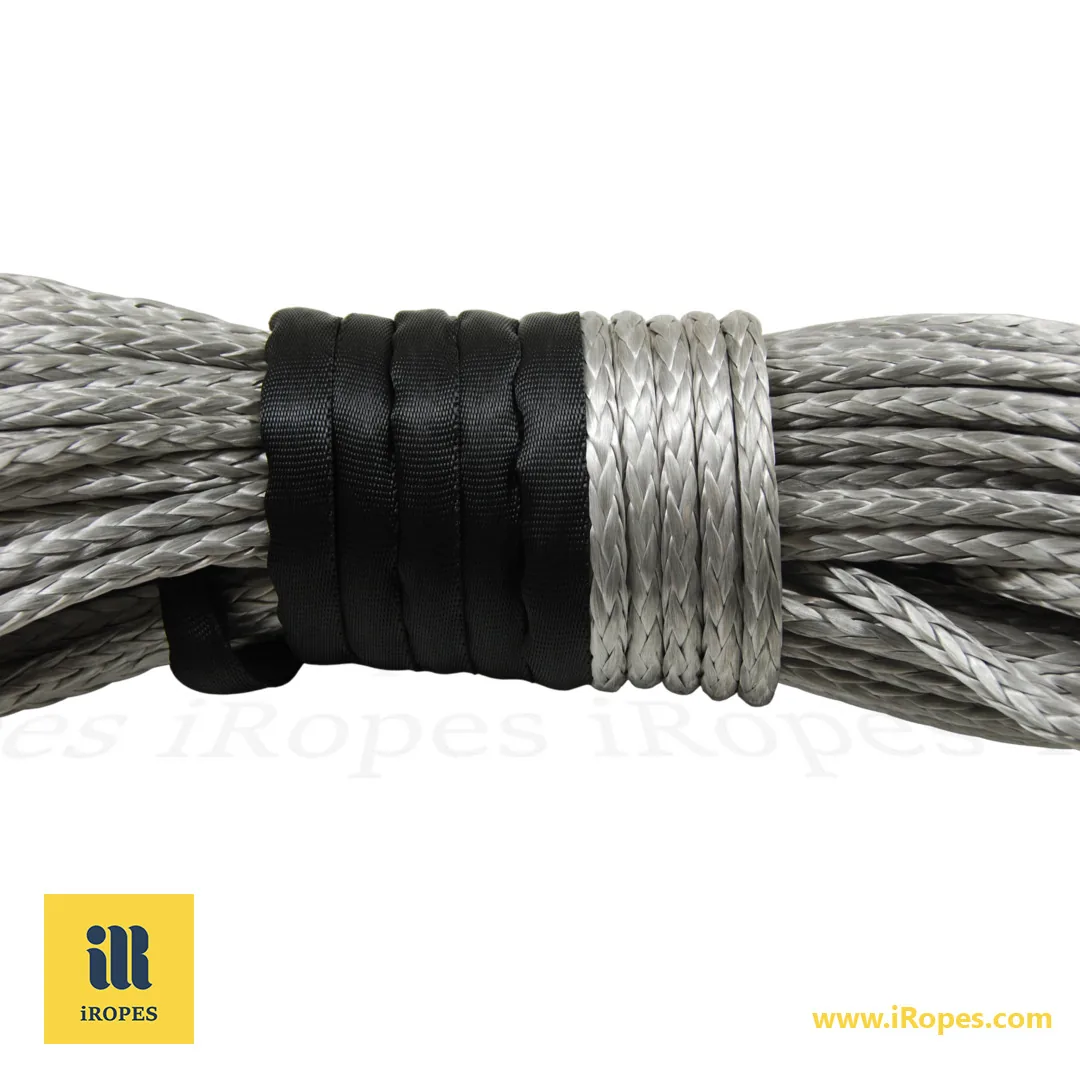
Synthetic Dyneema rigging lines deliver up to 7.3 × the strength‑to‑weight of steel cable and cut installation time by ≈30 % – the fastest upgrade for your lift safety.
What you’ll gain — 2 min read
- ✓ Reduce operational downtime by 15 % with lighter‑weight ropes.
- ✓ Extend service life 2.5 × thanks to corrosion‑free Dyneema fibres.
- ✓ Meet ISO 9001 and OSHA standards without extra testing fees.
- ✓ Get custom colours, branding, and reflective trims in under 48 h turnaround.
You probably think steel is the undisputed workhorse in rigging, but the data tells a different story. This guide reveals why Dyneema rigging lines outperform steel in strength‑to‑weight ratio, corrosion resistance, and even reduce crew fatigue. It meticulously details the exact criteria you might be overlooking in your selection process. Keep reading to discover the three crucial factors that ultimately make synthetic ropes the smarter choice for any high‑load operation.
Understanding rigging cable: definition, types, and core applications
When you hear the term rigging cable, envision the critical yet often unseen strength that lifts, secures, and stabilises heavy loads across countless operations. Simply put, a rigging cable is a high‑strength line engineered to bear significant loads while resisting stretch, fatigue, and environmental wear. It forms the backbone of safe material handling, whether you’re hoisting a crane load, recovering a stuck 4×4 from mud, or precisely tensioning a yacht’s mast.

Diverse sectors rely on these lines for very specific requirements. Off‑road recovery teams, for instance, need a rope that won’t snap under sudden shock loads. Yacht owners demand corrosion‑resistant lines that maintain tension in salty marine environments. Meanwhile, industrial factories require cables capable of enduring repetitive cycles without compromising strength or safety. These varied applications underscore the need for specialised rigging solutions.
- Off‑road recovery — Ropes designed to safely extract stuck vehicles from challenging terrain like mud or sand.
- Yachting — Essential lines securing masts, sails, and deck equipment, crucial for marine vessel performance and safety.
- Industrial lifting — Heavy‑duty cables facilitating the movement of machinery and substantial loads within factories and construction sites.
Broadly, these applications fall into two primary families of rigging cables. The first is traditional steel cable rigging, a robust wire‑rope construction known for its raw tensile power and proven durability. The second is the modern synthetic rigging line, frequently constructed from ultra‑light Dyneema (大力马) fibres. These advanced synthetic ropes boast properties such as flotation, superior corrosion resistance, and significantly less stretch than their steel counterparts.
Choosing the right rigging cable isn’t merely about raw strength; it’s about precisely matching the material, environmental conditions, and handling characteristics to your specific operational demands.
Now that the fundamental role of a rigging cable and the sectors that depend upon it are clear, the next logical step is to delve into the traditional workhorse that has powered lifting operations for decades – steel cable rigging.
Steel cable rigging: construction, advantages, and typical use cases
Having established how rigging cables are indispensable across numerous operations, we now turn our attention to the long‑standing workhorse: steel cable rigging. Whether you’re lifting heavy machinery in a factory or securing a recovery line on a 4×4, a sound understanding of these cables’ composition is crucial for both safety and efficiency in product selection.

Steel wire ropes are meticulously constructed from multiple strands twisted around a central core. The most common lay patterns you’ll encounter are 6×19 and 6×37. Here, the first number indicates the number of strands, while the second specifies the number of wires per strand. An independent wire rope core (IWRC) offers enhanced strength and crush resistance, whereas a fibre core reduces overall weight and provides greater flexibility, suitable for applications where a little extra give is acceptable.
- 6×19 construction – Offers a balanced blend of flexibility and strength, making it ideal for general‑purpose lifting applications.
- 6×37 construction – Provides higher resistance to crushing, making it a preferred choice for winch and drum applications where cables are spooled under pressure.
- 8×19 construction – Features added redundancy and flexibility, often chosen for demanding heavy‑duty offshore rigging operations.
Pros & Cons of Steel Cable Rigging
Steel cable rigging offers exceptional tensile capacity and long‑term durability, making it a cost‑effective choice for repetitive industrial cycles. However, the material’s considerable weight can increase handling effort and transport costs. Furthermore, prolonged exposure to moisture or certain chemicals can accelerate corrosion if the rope is not adequately protected and maintained.
A direct comparison reveals the immediate differences between steel wire rope and modern synthetic rigging cable.
Strength
Steel delivers the highest ultimate tensile strength per diameter, expertly supporting the heaviest loads in demanding industrial lifting applications.
Durability
With proper lubrication and routine maintenance, steel wire ropes effectively resist wear and can endure thousands of load cycles before requiring replacement.
Weight
In contrast, synthetic lines are up to eight times lighter than steel, significantly reducing crew fatigue and simplifying the entire rig‑up process.
Corrosion
Dyneema and similar high‑performance fibres inherently resist moisture, salt, and chemicals, effectively eliminating the need for regular anti‑corrosion maintenance.
Adherence to safety standards is absolutely non‑negotiable in rigging operations. In the United States, OSHA explicitly references ASME B30.9 for wire‑rope slings, mandating regular visual inspections, proof‑testing at 125 % of the rated load, and thorough documentation of all records. A typical inspection routine rigorously checks for critical issues such as broken wires, core exposure, signs of corrosion, and the adequacy of lubrication. By diligently following these stringent guidelines, steel cable rigging can reliably perform throughout its entire service life.
Now that you understand the construction, inherent benefits, and crucial compliance requirements of steel cable rigging, the next chapter will explore the cutting‑edge synthetic alternatives that iRopes has perfected for demanding modern applications across various industries.
Finding cable rigging near me: customization, sourcing, and iRopes’ OEM/ODM advantage
After a thorough exploration of the inherent strengths of traditional steel cable rigging, the next logical step is to determine how you can efficiently obtain the precise rigging line for your specific operation. This applies whether you are searching for local suppliers or planning a global wholesale purchase.

Securing a reliable supplier begins with a few simple checks: does the manufacturer offer transparent technical data, possess ISO‑9001 certification, and demonstrate a proven track record of serving wholesale clients in your target region? iRopes provides dedicated regional support teams, offers fast-track global shipping for pallets, and features an intuitive online portal that allows you to request quotations in minutes. This comprehensive approach makes the search for “cable rigging near me” feel less like a guessing game and more like a direct, efficient connection to your ideal solution.
When you transition from considering generic listings to pursuing a truly bespoke rigging solution, the array of available options expands dramatically. iRopes’ comprehensive OEM/ODM programme empowers you to specify every attribute of your rigging cable. This includes selecting the core material—from robust steel to ultra‑light Dyneema 大力马 fibres—along with the exact diameter, length, specific colour, termination style, and even incorporating reflective or glow‑in‑the‑dark elements. This unparalleled level of customisation ensures the final product seamlessly aligns with your brand identity, operational environment requirements, and crucial safety standards, all without compromise.
Customization Factors
Key decisions that shape your ideal cable
Material
Select steel for sheer tensile power and proven durability, or choose Dyneema for its lightweight properties and superior corrosion‑free performance.
Diameter & Length
Precisely match the working load limit (WLL) to your heaviest lift, ensuring safety while also keeping spools and storage manageable.
Colour & Branding
Integrate your corporate colours or opt for high‑visibility safety hues directly into the rope’s design, enhancing both branding and operational safety.
Selection Steps
From initial concept to final delivery
Assess Load
Accurately calculate the required Working Load Limit (WLL) and factor in appropriate safety margins for optimal performance and protection.
Evaluate Environment
Carefully identify potential exposure to moisture, corrosive chemicals, damaging UV radiation, or extreme temperature fluctuations.
Define Budget
Thoughtfully balance the upfront cost of your rigging solution against the potential long‑term savings from reduced maintenance and improved return on investment (ROI).
Looking for a place to get custom rigging cables made? iRopes offers full OEM/ODM services, meticulously protects your intellectual property throughout the entire development process, and ships finished products directly to your door, no matter your global location.
By diligently following the three‑step selection guide above and partnering with a supplier that seamlessly blends global logistics with profound local expertise, you can confidently secure a rigging cable that precisely fits your exact load, environmental, and budgetary requirements. Moreover, you’ll gain the unwavering confidence that every splice, eye, or termination meets the most stringent safety standards.
Need a tailored rigging solution?
By now, you understand that a rigging cable can be meticulously forged from robust steel or ingeniously woven from ultra‑light Dyneema (大力马) fibres. The latter offers advanced lines that famously float, actively resist corrosion, and maintain high visibility even in harsh environments. Learn why synthetic ropes outperform steel cables in our detailed analysis.
Want expert advice on selecting the ideal line for your critical application? Simply complete the form above, and a dedicated iRopes specialist will promptly reach out to assist you in designing a perfectly customised rigging solution.