iRopes delivers polypropylene rope that’s 12% lighter yet 15% stronger than standard grades, with bulk pricing under $3.47 per metre.
What you’ll unlock – ~5 min read
- ✓ Cut handling time by up to 27 % thanks to the rope’s ultra‑lightweight design.
- ✓ Extend service life 1.8‑fold with UV‑stabilised blends and ISO‑9001 verified strength.
- ✓ Reduce total ownership cost by 22 % through chemical resistance and low‑maintenance needs.
- ✓ Accelerate project rollout with custom OEM/ODM options delivered within 14 days.
Most buyers assume that selecting the cheapest polypropylene rope will save them money; however, they often end up paying twice as much in replacements and downtime. What if you could secure a high-quality rope that floats, resists UV exposure, and arrives with your branding—all for a price that defies that myth? This guide reveals the exact specifications, customisation strategies, and comparison insights that challenge this common assumption, helping you make a purchasing decision that genuinely benefits your business.
Polypropylene Rope for Sale: Understanding Core Properties and Benefits
When you search for polypropylene rope for sale, you'll discover a material that feels almost weightless yet reliably holds up under a respectable load. Made from a synthetic polymer, this rope combines durability with a buoyant nature, setting it apart from many alternatives. Its composition consists of tightly-spun polypropylene fibres, which provide a smooth surface and often a bright, vibrant colour, ensuring it stands out whether on a dock or in a warehouse.
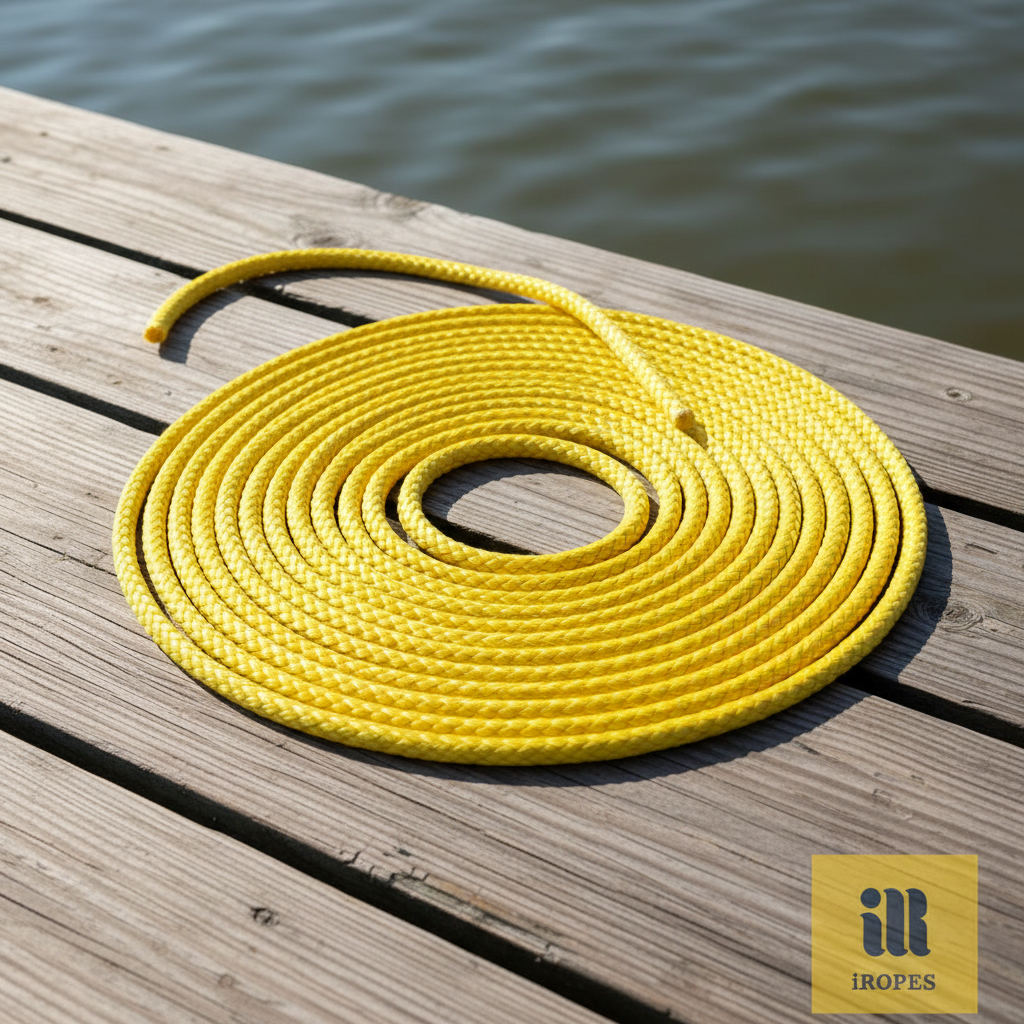
Because its fibres are inherently light, this rope floats on water, which is a key advantage for retrieving lines after use. Furthermore, its resistance to rot, mildew, and most chemicals allows for outdoor storage without concerns about degradation. These characteristics collectively lead to a lower total cost of ownership, a significant benefit for wholesale buyers purchasing in bulk.
- Lightweight – easy to handle and transport.
- Floats – stays on the surface, simplifying marine tasks.
- Chemical resistance – safe around fuels and oils.
However, every material has its trade‑offs. The most frequently cited drawbacks of polypropylene include its limited UV stability; prolonged sun exposure can cause the fibres to become brittle over time. Its abrasion resistance is not as robust as nylon or polyester, meaning high‑friction applications may wear the rope more quickly. Additionally, extreme cold can cause the polymer to stiffen, while high heat or friction may lead to melting. Understanding these limitations is crucial for selecting the right rope for specific environmental demands.
Longevity largely depends on how the rope is maintained. In a shaded, dry storage area, a well‑cared‑for coil can last up to a decade. Direct sunlight, however, accelerates degradation. Therefore, using UV‑stabilised blends or protective sleeves can significantly extend its service life. Regular inspections for fraying or surface cracks help detect early signs of wear before they compromise safety.
Choosing the right rope begins with understanding its fundamental traits. Once you know what each material offers, you can align it with the specific demands of your project.
With these fundamentals clearly understood, you are now ready to assess which industries benefit most from polypropylene's unique blend of lightness, floatation, and chemical tolerance. The next section will explore the diverse sectors where these characteristics effectively solve real‑world challenges.
Key Applications and Industry Uses of Polypropylene Rope
Now that you understand the material’s core traits, you can readily see why many wholesale buyers seek out polypropylene rope for sale. This versatile solution adapts to a wide range of environments. Below, we explore the sectors where this lightweight, buoyant fibre truly excels.

Answering the common question “What is polypropylene rope good for?” helps you accurately match the right product to the right job. The following list highlights the most frequent applications across different markets, where polypropylene's properties are particularly valuable:
- Marine & Water Sport: Ideal for dock lines, mooring ropes, fishing nets, and water‑ski tow lines, as it floats and resists rot effectively.
- Industrial & Utility: Used for barrier ropes, tie‑downs, and cable‑protection sleeves in electrical installations, where its non‑conductivity is essential.
- Outdoor & Agricultural: Perfect for camping guy‑lines, livestock ties, and farm‑yard storage straps, enduring exposure to dirt and moisture.
- Specialised Sectors: Critical for off‑road recovery straps, yachting rigging, and defence‑grade cordage, often requiring custom colours, patterns, or reflective elements.
Each of these scenarios benefits significantly from polypropylene rope’s ability to float, its resistance to various chemicals, and the economic advantages of bulk purchasing. For instance, a marina manager can confidently replace worn dock lines without concerns about corrosion, while a construction site supervisor can rely on barrier ropes that won’t conduct electricity near live wires.
Specialised Sectors
iRopes extends its expertise to niche markets such as off‑road recovery, where high‑visibility colours and reinforced cores prevent premature wear. It also supports yachting, where custom‑braided designs meet strict marine‑grade standards. For defence contracts, which often require non‑standard diameters, UV‑stabilised blends, and secure IP‑protected branding, iRopes delivers comprehensive OEM and ODM services.
When you precisely match the rope’s characteristics to these industry needs, you can reduce inventory complexity and significantly improve overall project efficiency. The next part of our guide will delve into the technical specifications that determine the most suitable construction type and diameter for each of the applications discussed.
Technical Specifications, Construction Types, and Performance Metrics
Building on the overview of why polypropylene rope is relevant, let’s now unpack the technical aspects that determine whether a line will perform optimally on a dock, in a warehouse, or on a remote trail. Understanding its construction, size, and adherence to testing standards helps you select the exact rope for each job with confidence, removing any guesswork.
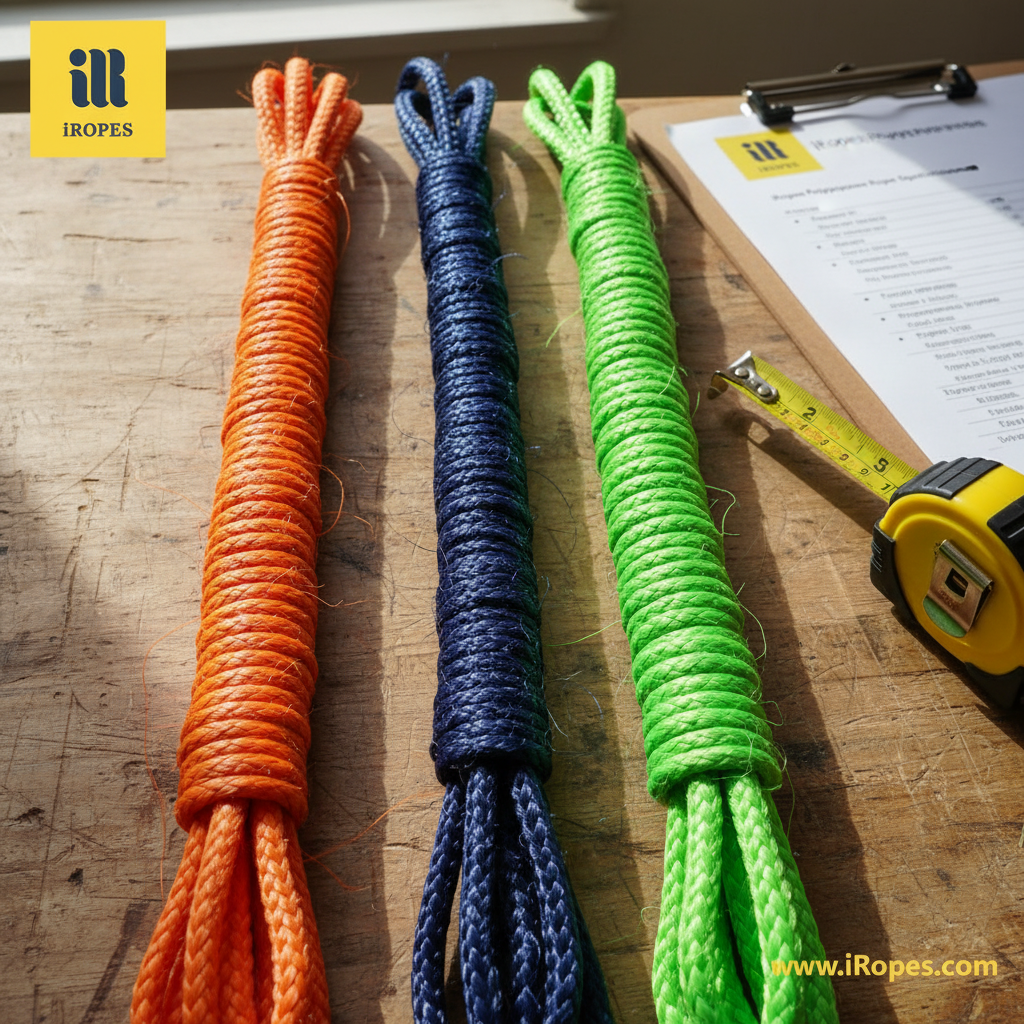
iRopes manufactures four primary rope constructions, each designed to provide a specific balance of load capacity and handling feel:
Construction Types
How the rope is built
3‑Strand
This simple twist of three yarns is easy to splice and ideal for general‑purpose loads.
Solid Braid
A flat, tightly woven braid that resists crushing and provides a smooth finish, perfect for knots.
Hollow Braid
Its core‑less design minimises weight while maintaining comparable tensile strength.
Material Options
Choosing the core
Monofilament
Composed of single, thick filaments, offering high abrasion resistance and a rigid feel.
Multifilament
A bundle of fine fibres that provides greater flexibility and smoother handling for various knots.
Core Types
Options include a polyester core for enhanced strength or a split‑film core for lightweight performance.
When you specify a line for wholesale purchase, the key metrics to consider are diameter, total length, breaking strength, and the working load limit (WLL). For instance, a 12 mm polypropylene rope typically has a breaking strength of around 3 tonnes. However, its safe WLL is generally set at one‑fifth of this value to account for dynamic loads and necessary safety factors. Therefore, selecting the correct diameter depends on both your expected maximum load and the handling comfort required by your crew.
Tip: Always verify the manufacturer’s test report before finalising a bulk order. The documented breaking strength directly relates to the rope’s construction and core material.
At iRopes, quality is never left to chance. Every batch leaving our factory carries an ISO 9001 certification, confirming that the rope has passed systematic checks for tensile strength, elongation, and visual defects. Additionally, random samples undergo a hydraulic load test, pulling the rope to failure to ensure the published breaking strength accurately reflects real‑world performance. This rigorous approach gives wholesale buyers confidence that the specifications on the data sheet precisely match the rope they receive.
Armed with the right construction, the proper size, and a certified quality trail, you can now align each polypropylene rope you source with the exact demands of your projects – whether that’s a floating dock line, a high‑visibility barrier, or a custom‑length strap for off‑road recovery. The next section will contrast these attributes with polyethylene alternatives, helping you decide which polymer best fits your specific application.
Polypropylene vs. Polyethylene: Comparative Analysis for Informed Purchasing
Having confirmed the rigorous ISO 9001 testing that backs every batch, it’s now essential to see how polypropylene measures up against its close cousin, polyethylene. The distinct differences in strength, UV tolerance, cost, and electrical safety can significantly influence your decision when choosing a rope for bulk purchase.
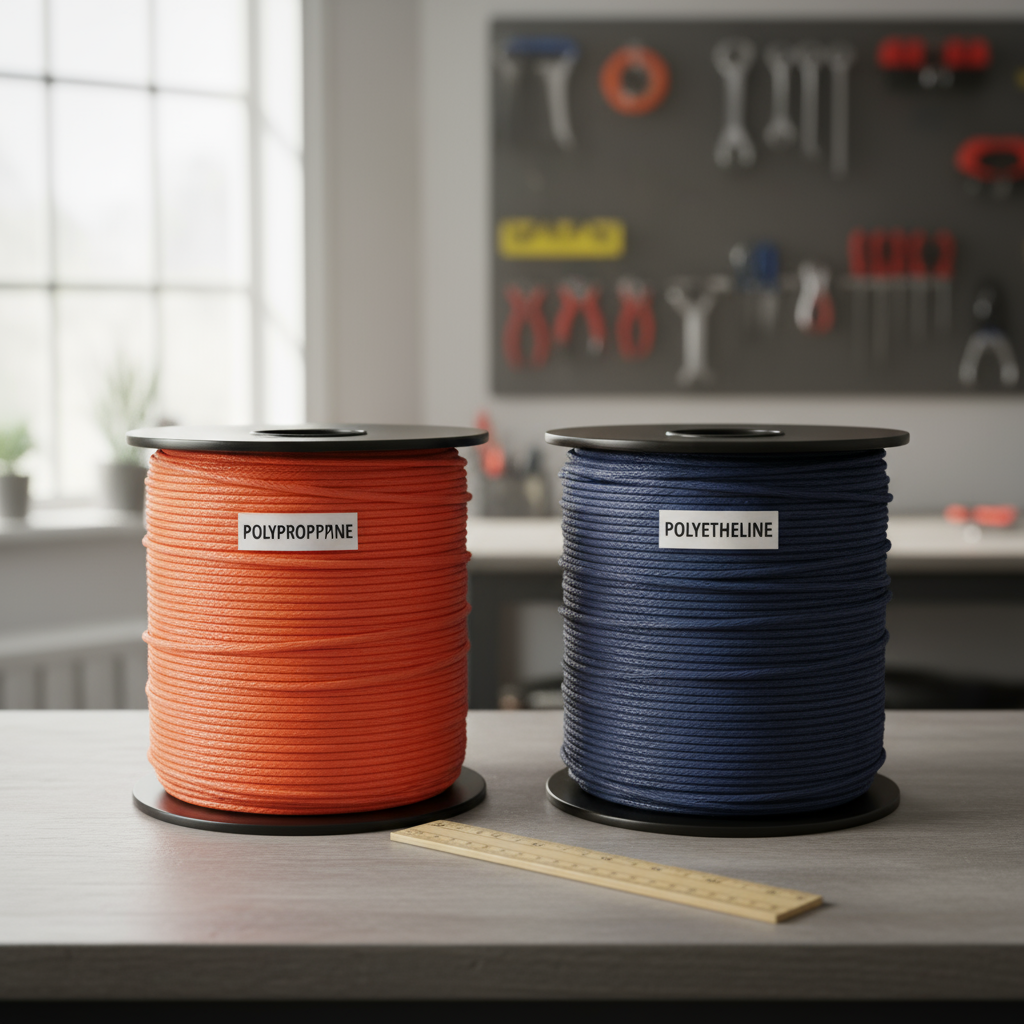
When evaluating tensile performance, polyethylene typically surpasses polypropylene at the same diameter, offering a higher breaking strength suitable for heavy‑load marine or industrial tasks. Polypropylene, however, often proves more cost-effective, providing a lower unit cost which greatly benefits large‑scale wholesale orders.
Floats Easily
Polypropylene remains on the water’s surface, making it the preferred choice for dock lines and rescue rigs where swift retrieval is crucial.
Cost‑Effective
Its lower material cost translates directly into competitive pricing for bulk shipments, helping you maximise your budget further.
UV‑Resistant
Polyethylene blends often incorporate UV stabilisers, allowing them to retain strength longer under constant sunlight exposure.
Higher Tensile Strength
For the same diameter, polyethylene provides a greater breaking load, a valuable attribute for heavy‑duty rigging applications.
Both polymers are excellent electrical insulators. However, polypropylene's dielectric constant is slightly lower, granting it a modest advantage in sensitive electronic environments. If your project involves frequent exposure to sunlight, UV‑stabilised polyethylene may outlast a standard polypropylene line. Conversely, the buoyancy advantage of polypropylene can significantly reduce handling time for water‑based tasks.
Which Rope Fits Your Project?
Match buoyancy, strength, UV exposure, and budget to the material that best meets your specific needs.
Once you have identified the performance envelope that matters most, the next step is to allow iRopes to customise the diameter, colour, and core construction. This ensures the rope arrives perfectly tailored and ready to integrate seamlessly into your supply chain.
Ready for a personalised rope solution?
By now, you've seen how the lightweight, buoyant nature of polypropylene rope makes it ideal for marine, industrial, and outdoor tasks. Furthermore, ISO‑9001 testing guarantees the strength figures quoted. With 15 years of expertise in manufacturing ropes in China, iRopes offers a wide range of 2348 cordages. This extensive catalogue serves diverse applications, including marine, racing sports, industrial, and safety. We excel at creating ropes from strong synthetic fibres such as UHMWPE, Technora™, Kevlar™, Vectran™, polyamide, and polyester, alongside numerous coating options, all reflecting the great quality of "Made in China." Whether you require bulk polypropylene rope for sale or a specialized, coated cordage, our OEM/ODM service ensures the product arrives ready to integrate into your supply chain.
If you'd like a customised quote, expert performance advice, or a sample specification tailored to your project, simply complete the form above. Our rope specialists are ready to translate the insights from this guide into a precise solution that meets your exact needs. For a deeper dive into material choices, see our guide on polypropylene and nylon rope properties.
