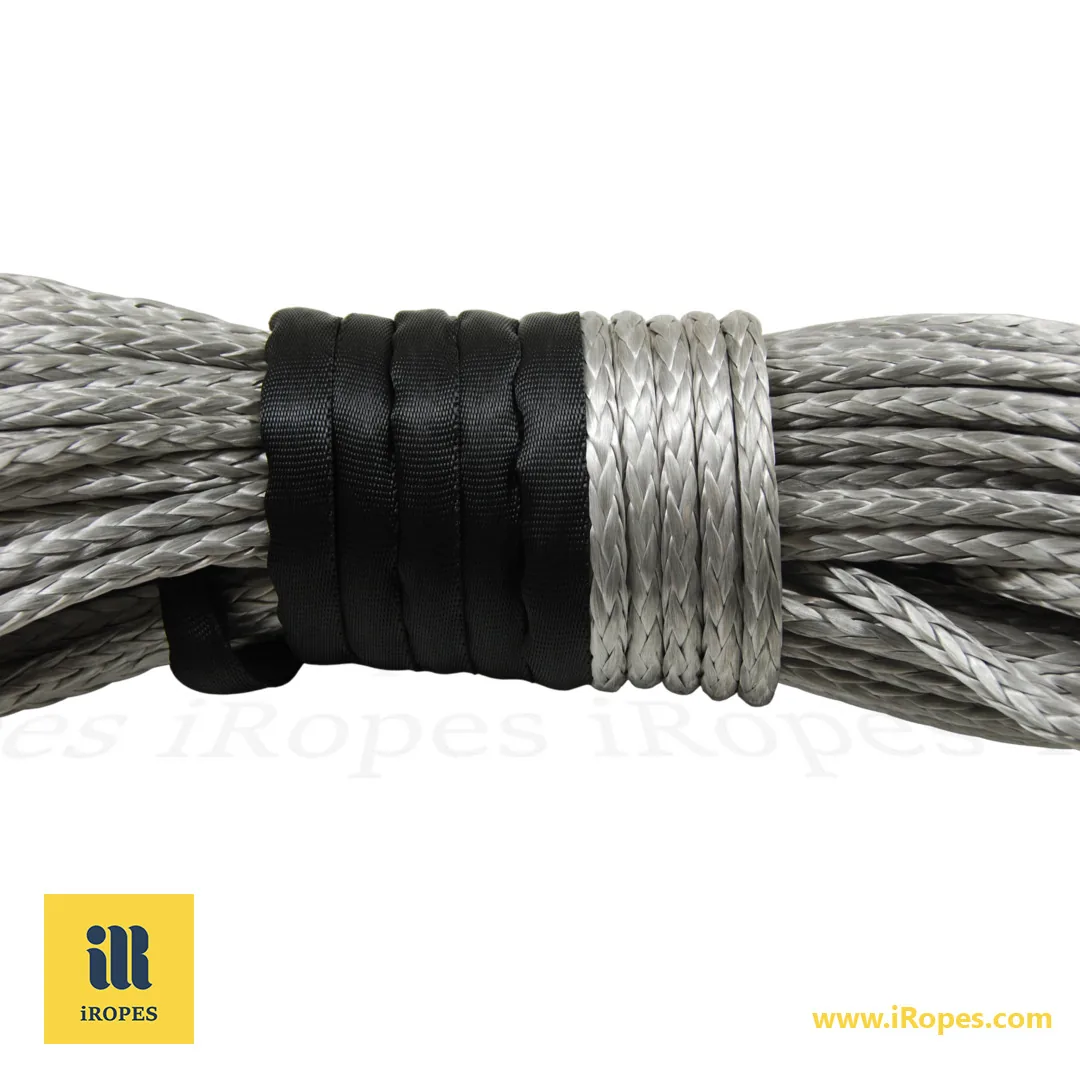
6 mm iRopes synthetic winch rope delivers typical 6,500–7,700 lb breaking strength with longer service life thanks to its imported coating ⚡
What you’ll gain
- ✓ Notably longer service life versus standard market ropes
- ✓ Custom colours & branding keep your kit recognisable in mud
- ✓ ISO 9001‑certified OEM/ODM service with precise manufacturing and IP protection
- ✓ Direct pallet shipping helps reduce logistics costs
Most off‑roaders assume any synthetic winch rope will save weight but wear out quickly—yet iRopes’ imported coating flips that script, delivering a line that stays supple and UV‑resistant for longer. If you’ve read synthetic winch rope reviews, you’ll know visibility and handling matter too. Imagine pulling a 6 mm rope through rugged terrain without worrying about fraying, and still matching your vehicle’s branding in vivid colour. The guide below shows how specs, extensions and maintenance turn that confidence into everyday reliability.
Synthetic Winch Rope Reviews: What to Look For and Why They Matter
After exploring why synthetic lines have become the go‑to choice for off‑road recovery, it’s time to dig into the details that separate a decent rope from a great one. Whether you’re a weekend rider or a fleet manager, the criteria you use when reading synthetic winch rope reviews can determine safety, performance and long‑term value.

When you skim a review, focus on three performance metrics that appear time and again across forums and Amazon feedback.
- Breaking strength – the maximum load the rope can sustain before failure; most 6 mm lines list 6,500‑7,700 lb.
- UV resistance – how well the fibre maintains its tensile properties after prolonged sun exposure.
- Abrasion protection – the rope’s ability to shrug off rock‑scrape and chafe, often boosted by a protective sleeve or coating.
iRopes takes the abrasion factor a step further with an imported coating process highlighted by many users. Compared with generic market ropes, this finish adds a slick, wear‑resistant skin that delays fibre wear and helps the rope stay flexible over time.
“The coating adds noticeable durability in abrasive terrain; after multiple seasons, fraying at the eye is reduced compared with uncoated lines.”
Real‑world feedback also highlights typical pros and cons you’ll see in most synthetic winch rope reviews. Users love the lightweight feel, the reduced snap‑back risk and the bright colours that stay visible in mud. On the downside, UV exposure can still dull the rope after years in the sun, and improper storage may invite moisture‑related stiffness. In short, the disadvantages of synthetic winch rope centre on environmental wear and the need for regular cleaning.
So, is synthetic winch rope worth it? For most off‑road enthusiasts the answer is a confident “yes” – the safety benefits, ease of handling and durability gains from a quality coating outweigh the higher upfront cost. By monitoring the three metrics above and weighing user experiences, you’ll be equipped to pick a rope that matches your recovery needs and lasts season after season.
Next, we’ll zoom in on the popular 6 mm diameter, breaking down how those review criteria translate into real‑world capacity and ideal applications.
Understanding the 6mm Synthetic Winch Rope: Specs, Strength, and Ideal Uses
Picking up from our look at review criteria, let’s drill down into the 6 mm diameter that’s become a favourite among off‑roaders and light‑duty pros. This size hits a sweet spot between handling ease and load‑carrying muscle, making it a go‑to choice for many recovery kits.
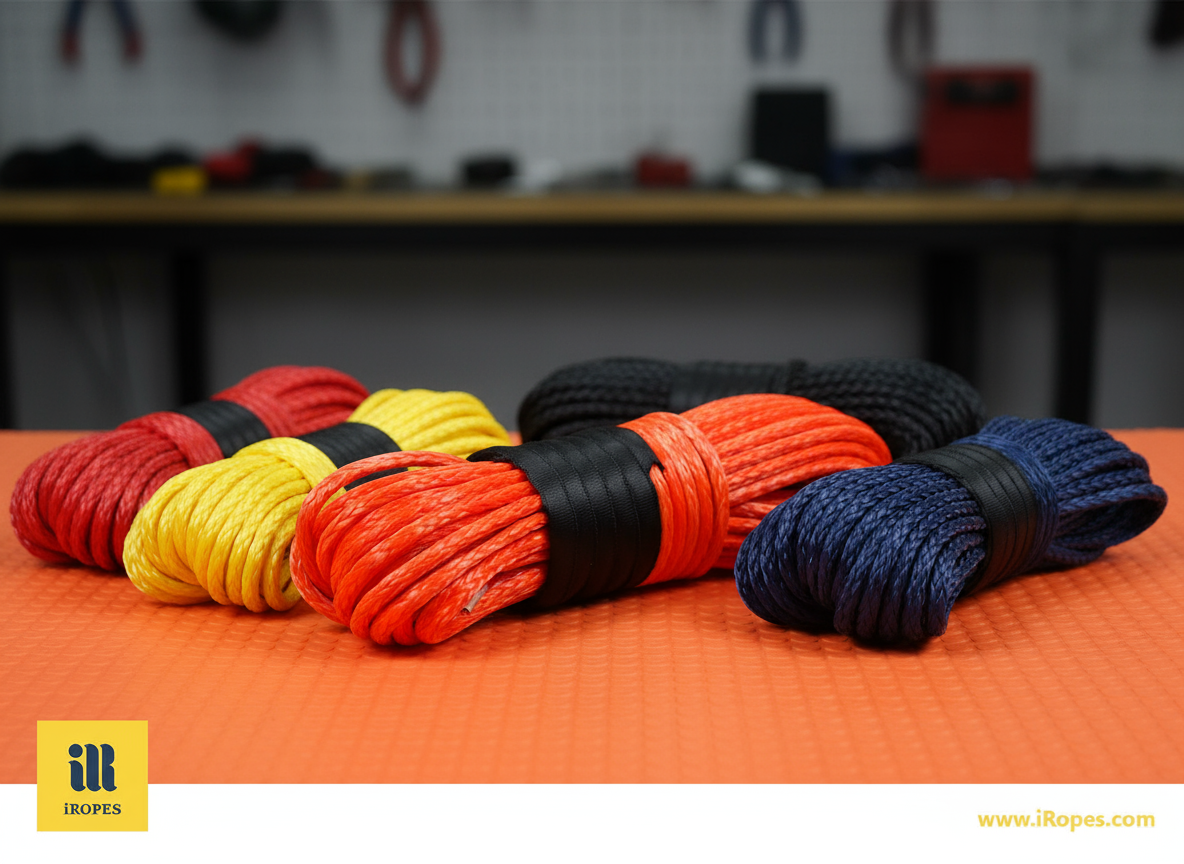
The 6 mm line is engineered to survive forces that exceed the pull rating of most ATV‑class winches, giving you a comfortable safety buffer without adding bulk. Pair it with an ATV/UTV winch rated around 2,500–5,000 lb, and ensure the rope’s minimum breaking strength exceeds the winch’s rated line pull by a safe margin.
- Strength & winch match – choose a rope with a minimum breaking strength at least 1.5× your winch’s rated line pull for a reliable safety margin.
- Material focus – SK99 fibres can deliver up to ~30% more tensile strength than SK75, while SK75 offers a modest price advantage; iRopes can tailor cores to balance performance and cost.
- Typical uses – ideal for ATV/UTV recovery, light industrial lifts, and campsite gear‑moving where a lightweight line that floats is essential.
Beyond the raw numbers, the real charm of a 6 mm synthetic winch rope lies in its adaptability. iRopes’ custom‑core options let you request a parallel‑core construction for smoother spooling, or a braided core when you need extra flexibility around tight fairleads. The same line can be finished in high‑visibility neon, matte black, or even a corporate colour to keep it on brand during group expeditions. For a quick look at colour‑related performance, see our pros and cons of red and green synthetic winch rope.
Always inspect the rope before each use – look for fraying, UV‑induced fading, or worn sleeves, and replace any compromised section to keep safety front‑and‑centre.
With those specs in mind, you can see why the 6 mm synthetic winch rope bridges the gap between rugged performance and everyday convenience. Next, we’ll explore how adding a synthetic winch extension rope can stretch your reach even further without sacrificing the handling you just read about.
Synthetic Winch Extension Rope: Benefits, Compatibility, and Buying Tips
Picking up from the discussion on the 6 mm synthetic winch rope, the next logical step is to ask how far you really need to reach. In many recovery scenarios the anchor point sits well beyond the length of a standard line, or you’re setting up a snatch‑block to gain mechanical advantage. That’s where a synthetic winch extension rope becomes indispensable.

When you need that extra length, the extension rope acts like a flexible bridge. It’s ideal for distant anchor points, such as a tree far up a slope, or when you rig a snatch‑block to double the pulling force. The key is to choose a rope that maintains the same safety characteristics as your main line – breaking strength, UV resistance, and abrasion protection should all match or exceed the original specifications.
Why add an extension?
When the anchor point sits beyond the standard rope length, an extension rope gives you the extra reach without sacrificing safety.
Essential features to scrutinise include length options (common increments are 5 m, 10 m, and 15 m), end terminations (hooks, soft shackles, thimbles, or spliced loops), and protective sleeves that guard against rock‑scrape. Colour isn’t just cosmetic; neon orange or lime‑green sleeves boost visibility in dusty or muddy conditions, helping you spot the line quickly if it slips off a fairlead.
Compatibility Check
Before you add a synthetic winch extension rope to your kit, confirm the extension’s diameter matches your setup (e.g., 6 mm), ensure its breaking strength meets or exceeds your main rope and winch rating, use a smooth hawse fairlead for synthetic lines, and verify any snatch‑block or hardware is rated for the combined load. Many modern winches work seamlessly with a 6 mm synthetic winch rope and compatible extensions, but a quick check of the manufacturer’s manual prevents mismatched components.
Buying tips round out the decision‑making process. Start by matching the extension’s minimum breaking strength to at least 1.5× the winch’s rated line pull. Next, look for an imported coating similar to the one praised in earlier synthetic winch rope reviews; that finish adds a wear‑resistant skin that prolongs service life. Finally, consider the environment: if you operate in high‑UV locales, choose a rope with a UV‑inhibitor‑rich sheath, and if water exposure is frequent, a water‑repellent sleeve helps keep the line from retaining moisture and freezing.
With the right extension rope in hand, you’ll find that the reach of your recovery kit expands dramatically, turning a tight spot into a manageable pull. Up next, we’ll explore how to choose the overall rope solution that best fits your vehicle, terrain, and maintenance routine.
Choosing the Right Synthetic Winch Rope for Your Application and Maintaining Longevity
After seeing how an extension rope can stretch your recovery kit, the next step is to pick a rope that fits your vehicle, terrain and upkeep routine. The right choice keeps you safe and saves you money in the long run.
Decision Factors
What matters most
Capacity
Choose a rope with a minimum breaking strength at least 1.5× your winch’s rated line pull for a reliable safety margin.
Terrain
Rocky trails demand tougher abrasion sleeves, while desert use leans on UV‑resistant coatings.
Budget
Balance upfront cost against the lifespan gained from iRopes’ imported coating and colour customisation.
Maintenance
Keep it reliable
Cleaning
Rinse with mild soap after each use; avoid high‑pressure streams that can damage the fibres.
Inspection
Check for fraying, UV‑induced fading or worn terminations before every pull.
Storage
Coil loosely in a dry bag, away from direct sunlight, to preserve tensile strength.
Tip: Rotate the rope on the winch drum periodically to prevent uneven wear and extend service life.
Best rope
A top choice blends a Dyneema SK99 core, the imported coating and a 7,700 lb breaking strength for a 6 mm synthetic winch rope.
Disadvantages
UV exposure can dull colour and gradually reduce strength; regular cleaning and smart storage mitigate this wear.
Worth it
For frequent off‑road recovery, the safety, weight savings and ease of handling outweigh the higher upfront price.
Strongest
Dyneema® fibres are among the strongest synthetic fibres by weight, delivering exceptional tensile strength per kilogram.
Armed with clear decision criteria, a simple maintenance routine and answers to the most common FAQs, you can select a rope that matches your winch, your terrain and your budget—whether you’re eyeing a 6 mm synthetic winch rope or planning to add a synthetic winch extension rope to your kit.
Need a Tailored Winch Rope Solution?
After exploring the essential metrics in synthetic winch rope reviews, you now understand how the 6 mm synthetic winch rope balances breaking strength, UV resistance and lightweight handling, and why a synthetic winch extension rope can dramatically increase recovery reach. iRopes’ imported coating process delivers superior wear resistance and longer service life—details highlighted in our unveiling the superior features of our 12‑strand winch rope—while offering a wide palette of colours and full brand customisation for markets across Australia, the US, the Middle East and beyond. As a leading manufacturer with ISO 9001‑backed quality, iRopes supports OEM/ODM projects, protects your IP, and supplies accessories such as hooks, thimbles, soft shackles and extensions—shipped directly on pallets worldwide.
If you’d like expert guidance to specify the perfect rope, accessories or extension for your exact application, simply complete the enquiry form above and our specialists will craft a solution that matches your needs.