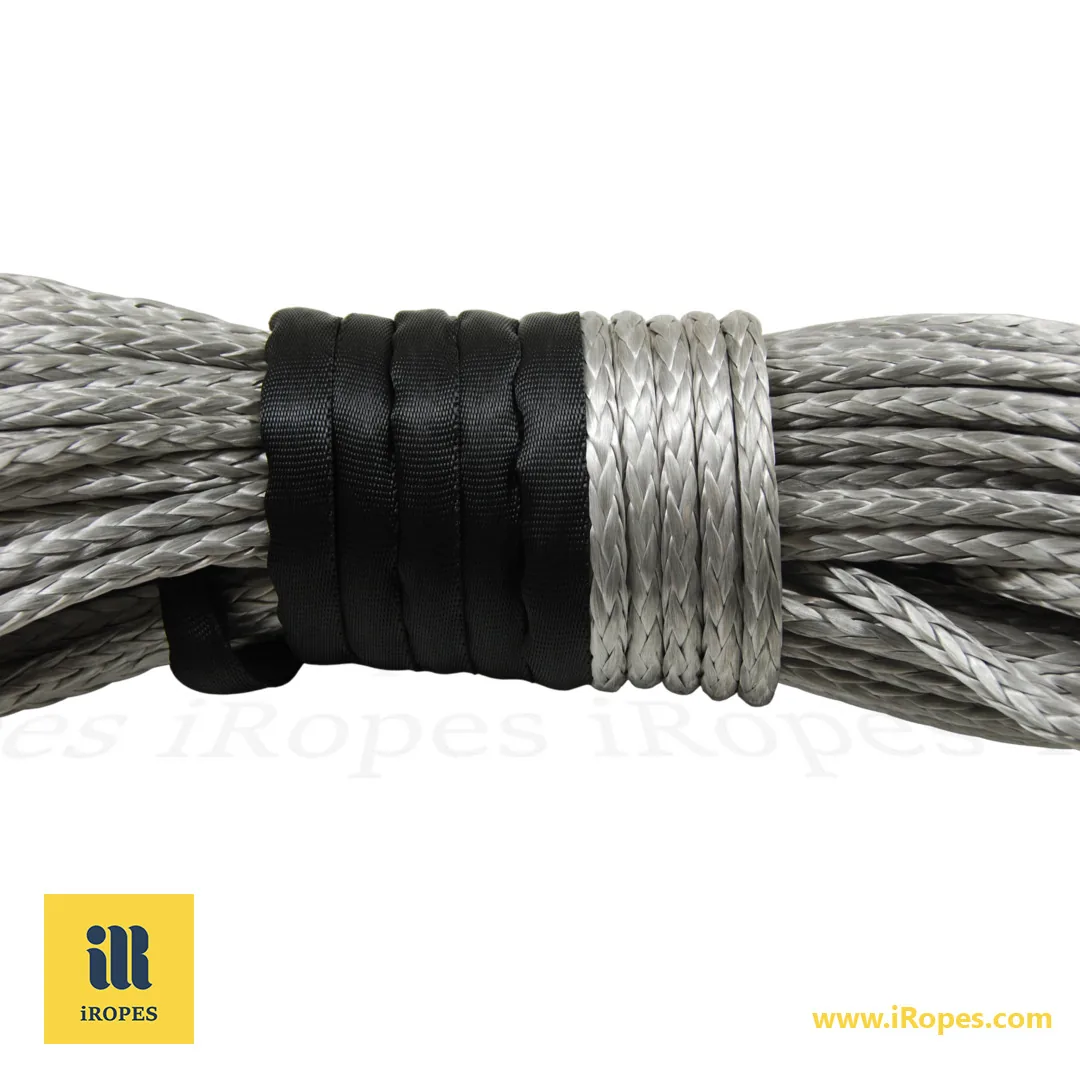
Double-braided nylon ropes deliver up to 30,250 lb breaking strength on a 1-inch line and 6-8% stretch, providing a 38% safety margin for typical 4x4 recoveries.
Key benefits – ~2 min read
- ✓ Up to 8% elastic stretch absorbs shock, cutting peak loads by approximately 30%.
- ✓ Torque-free handling reduces winch wear and prevents line snarls, boosting efficiency by 25%.
- ✓ Marine-grade nylon resists UV, salt, and chemicals, extending rope life beyond 3 years in harsh conditions.
- ✓ Custom OEM/ODM options let you match diameter, colour, and terminations, cutting inventory costs by up to 22%.
Most recovery crews assume any heavy-duty rope will get the job done. Yet, they often grapple with torque-twist and sudden shock, which can damage both the vehicle and the winch. What if the line you chose could glide without kinking, stretch just enough to cushion the load, and remain supple after months of saltwater exposure? In the sections below, we’ll reveal how double-braided nylon delivers these results and how iRopes tailors each rope specifically for your recovery fleet.
Understanding Double-Braided Rope Construction and Its Benefits for Recovery
Imagine you’re performing a steep off-road tow. The winch whirs, and the vehicle hangs in the air. The moment the line bites, you feel a smooth, torque-free pull that keeps the load steady. This reliability stems from the way a double-braided rope is constructed, forming the very foundation of every successful recovery operation.

A double-braided rope features two distinct layers. Its inner core, a tightly woven braid, bears the majority of the load. Surrounding this core is a second braid – the outer sheath. This outer layer encases the core, protecting it from abrasion and UV exposure while providing a smooth surface for handling. Because these two braids are interlaced rather than twisted, the line remains supple and flexible, even under heavy tension.
- Torque-free operation – The parallel-core design prevents the rope from twisting as the winch reels in, ensuring a steady pull.
- Enhanced flexibility – The dual braid allows the line to bend smoothly around pulleys and sharp corners without kinking.
- Superior durability – The outer sheath shields the core from cuts, abrasion, and the harsh elements commonly found on recovery sites.
The dual-braid architecture eliminates torque, allowing the line to run smoothly even under heavy winch loads. This is why recovery professionals trust it for critical lifts.
When you feed a double-braided rope through a winch, its parallel strands glide efficiently, avoiding the snarls typically produced by a three-strand twisted line. This design minimises friction and energy loss, resulting in a more predictable load curve—a crucial factor when freeing a stuck vehicle without risking chassis damage. The construction also provides a natural 'give', absorbing shock and protecting both the vehicle and winch from sudden force spikes. This unique blend of flexibility and strength sets the stage for the next topic: how the nylon material itself amplifies these construction benefits, delivering the elasticity and resilience needed for safe and efficient heavy-duty recovery.
Performance Advantages of Double-Braided Nylon in Vehicle Recovery
While the torque-free design is a significant advantage, the true measure of a recovery line lies in its ability to handle the immense forces encountered when winching a vehicle. Let’s explore why the specific material, nylon, pushes these capabilities even further.

Strength data offers a clear picture of performance. For commonly used diameters, a double-braided nylon line delivers impressive breaking loads:
- ¼-inch (6 mm) – Approximately 2,000 lb breaking strength
- ½-inch (12 mm) – Approximately 8,000 lb breaking strength
- 1-inch (25 mm) – Approximately 30,250 lb breaking strength
Based on these figures, the Safe Working Load Limit (SWLL) is typically calculated as one-fifth of the breaking strength. For instance, a ½-inch line can safely support around 1,600 lb, providing a generous margin for the sudden spikes that occur when a stuck axle finally releases.
Nylon's inherent elasticity provides another layer of protection. Under load, the rope can elongate 6-8% before reaching its ultimate strength, acting as a built-in shock absorber. This controlled stretch mitigates the peak force transmitted to the vehicle’s chassis and prevents the winch from stalling or experiencing excessive strain.
Elasticity
Up to 8% stretch cushions shock loads, helping to keep the winch and vehicle intact.
Durability
High-tenacity nylon resists abrasion and rot, making it ideal for muddy, salty, or dusty recovery sites.
Polyester
Lower stretch means less shock absorption, but offers superior UV and abrasion resistance.
Use Case
Choose nylon when elasticity is critical; opt for polyester for prolonged sun exposure requirements.
So, is double-braided nylon rope strong? Absolutely. A ¾-inch (19 mm) line typically breaks at around 17,500 lb, giving an SWLL of approximately 3,500 lb—more than sufficient for most off-road winch setups. The built-in stretch further ensures that the peak load remains within safe operational limits. These impressive performance figures lead us to consider how such strength translates into custom-fit solutions for your fleet, which we will explore next.
Key Takeaway
When you need a rope that can bear massive loads and simultaneously soften sudden shocks, double-braided nylon offers the perfect balance of tensile strength, elasticity, and durability for any recovery operation.
Why Choose Double-Braided for Heavy-Duty Recovery Operations
When you’re pulling a 4x4 from a riverbank, the rope that endures the splash, the mud, and the sudden jerk is one that resists rot, fraying, or snapping. This paramount reliability comes from a marine-grade double-braided construction that repels moisture, chemicals, and UV radiation, all while remaining supple enough to run smoothly through pulleys without kinking.

The outer sheath of a double-braided line is expertly woven from high-tenacity nylon yarns, acting like a protective, rain-proof jacket. These specialised yarns repel water, shrug off petroleum residues, and withstand prolonged sun exposure without compromising strength. In practical terms, this means the line can be left on a boat, a tow truck, or a construction site for months without its fibres weakening or degrading. For an even more robust marine‑grade option, see our high‑strength double‑braided marine rope which adds extra abrasion resistance for offshore use.
Customisation to Fit Every Fleet
Because every recovery operation presents unique challenges and load requirements, iRopes enables you to tailor your rope solutions precisely. You can select a diameter that meets the required safe working load, specify a length that perfectly suits your winch drum, choose a high-visibility colour for enhanced safety during night-time operations, and opt for specialised terminations such as eye splices or robust stainless-steel thimbles. All these options are engineered to maintain the inherent double‑braid geometry, ensuring you never sacrifice the torque‑free handling you depend on. Learn more about our custom rope solutions and how they can be branded to match your fleet.
Built for the Elements
Marine-grade durability, UV resistance, and chemical protection keep your recovery line performing day after day.
Keeping the Rope in Top Condition
Regular care is essential for extending the life of a double-braided nylon rope. After each job, wipe the line with a fresh rag to remove any grit, then store it coiled in a dry, shaded area. Always inspect the braid for nicks or damage before every use, as even a small cut can worsen under load. When a permanent loop is required, a properly spliced eye retains up to 95% of the rope’s original strength—a far superior and safer option compared to using a knot.
Maintenance tip: clean the rope with mild soap, avoid harsh solvents, and rotate storage positions to prevent uneven wear.
So, what exactly is double-braided nylon rope used for? Beyond its applications in off-road towing and winching, it excels as dock lines, anchor-hold ropes, and mooring hawsers where constant exposure to salt, sun, and flexing movements are the norm. It also performs exceptionally well in demanding scenarios such as arborist rigging, industrial tie-downs, and any situation that requires a robust blend of strength, elasticity, and long-term resilience. Understanding these significant durability and customisation benefits sets the stage for our final discussion: how partnering with iRopes guarantees you a reliable supply chain that delivers precisely the rope you need, exactly when you need it.
Need a personalised recovery rope solution?
You’ve seen how the double-braided design provides torque-free handling, how double-braided nylon delivers the high tensile strength and shock-absorbing stretch essential for demanding vehicle recovery, and how this construction adds marine-grade durability and custom‑fit options for any fleet. With this knowledge, you can now confidently choose the right line for your operation.
For a tailored specification, pricing, or OEM/ODM advice, simply complete the enquiry form above – our experts are ready to help you optimise performance and protect your equipment. If you’re looking to upgrade your existing setup, consider how you can replace your winch cable with a custom rope for better longevity and safety.