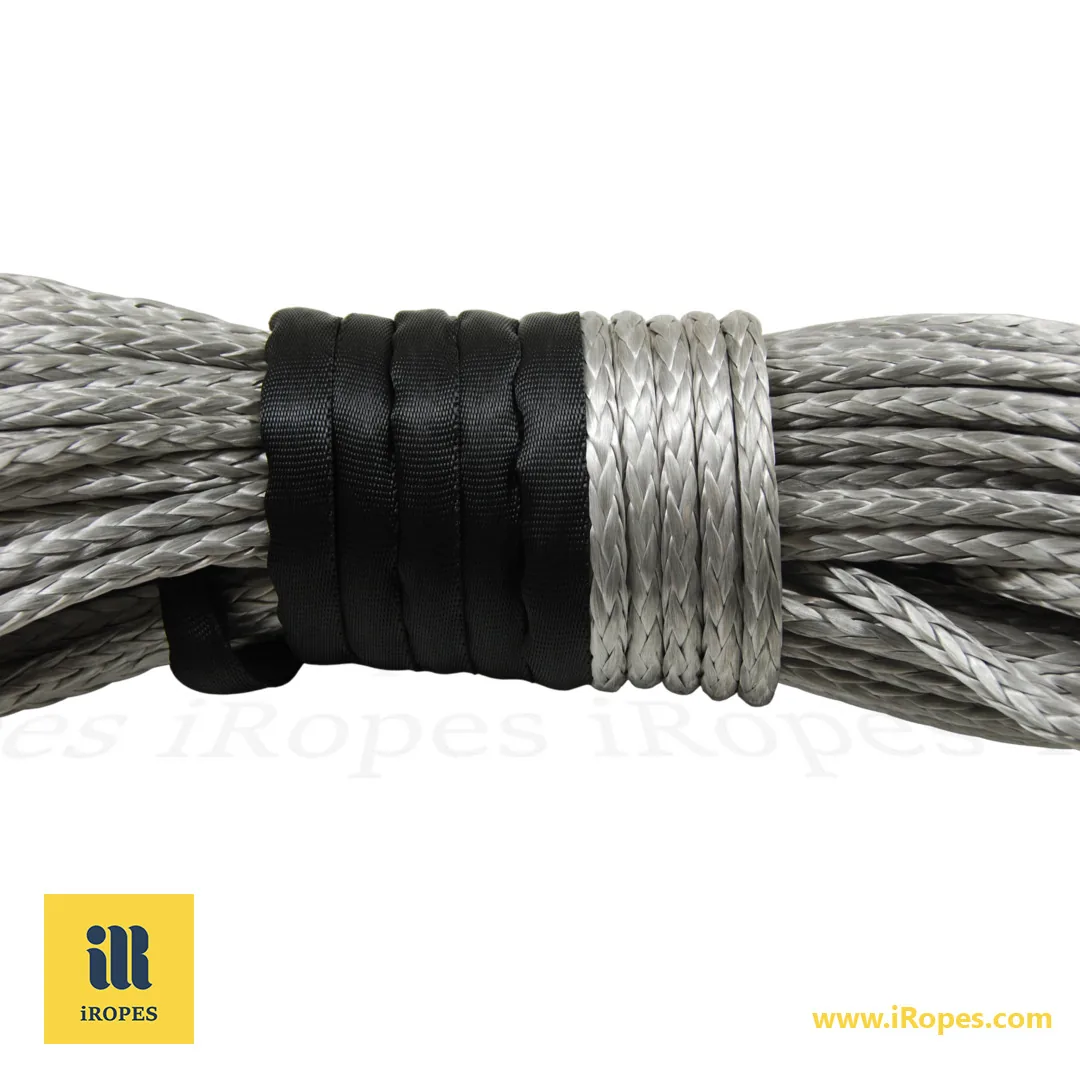
Pros conceal that choker hitches slash marine sling capacity by 20-25%—yet optimised angles restore up to 80% efficiency, averting accidents in rough seas. Discover iRopes' custom solutions to harness these secrets for safer, seamless heavy lifts.
Unlock Pro-Level Insights in ~8 min
- ✓ Grasp the three sling types—synthetics for yacht finesse, wire for durability, chains for brute force—cutting selection errors by 70% in marine ops.
- ✓ Master choker vs. basket hitches to boost load stability by 50%, solving sway issues on pitching vessels without capacity surprises.
- ✓ Navigate OSHA/ASME compliance and inspections to slash accident risks by 85%, ensuring gear withstands saltwater and UV assault.
- ✓ Tailor iRopes OEM slings with reflective elements, extending lifespan by 2x through precise material and accessory customisation.
You might assume choker hitches offer unbreakable grip for marine chaos, but pros know that tight angles crush capacity—dropping it to just 75% and inviting snaps mid-lift. What if your next hoist hid a similar trap, turning routine efficiency into costly downtime? Dive in to uncover iRopes' custom tweaks that flip these risks into reliable performance, revealing the precise optimisations that keep seas calm and loads secure.
Essential Slinging Equipment for Marine Operations
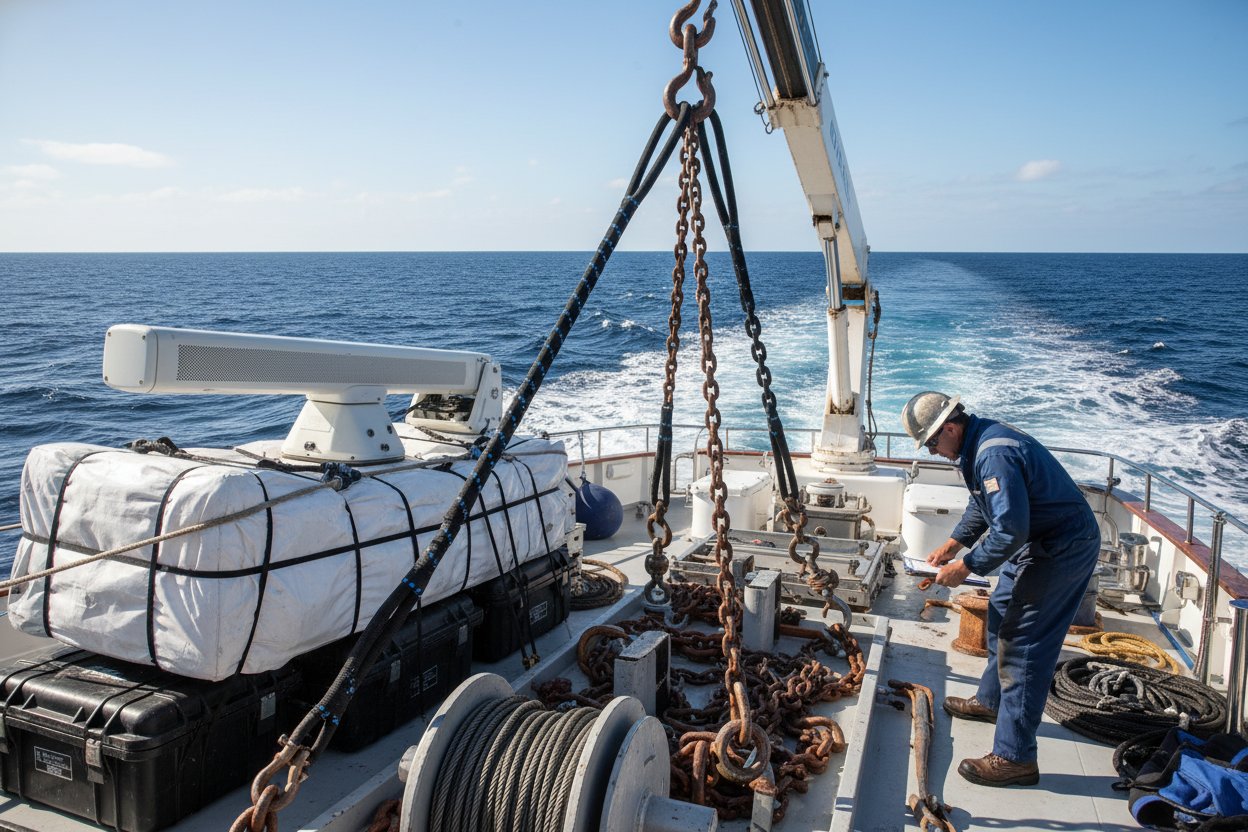
When you're out on the water, handling heavy loads like anchors or cargo crates demands gear that's not just tough but also intelligently designed. Slinging equipment forms the backbone of these operations, ensuring everything from small deck tasks to major lifts happens without a hitch. At its core, a complete system includes slings—the flexible lines that wrap around loads—paired with essential hardware such as shackles, which are U-shaped metal connectors that lock securely, and hooks that grab onto crane lines. Additionally, vital accessories like thimbles protect rope ends from wear, and protective sleeves shield against sharp edges. Together, these components create a reliable system, even when waves are crashing.
Picture this: you're rigging a yacht's mast in choppy seas. The last thing you want is mismatched parts failing under pressure. That's where component compatibility becomes critical. Every piece must work in sync, with slings rated for the same load capacities as their shackles and hooks. In marine environments, saltwater corrosion and constant motion necessitate choosing materials like galvanized steel for hardware to resist rust, or UV-protected synthetics for slings. System design principles focus on balance, distributing weight evenly to avoid twists or slips. Engineers at iRopes, for instance, consider factors such as sling length versus boom reach, ensuring the entire rig integrates seamlessly without adding unnecessary bulk that could snag on deck gear.
- Synthetic rope slings - These are lightweight and flexible, made from materials like polyester or nylon. They are perfect for yachting, where you need to avoid scratching delicate hulls or decks, and handle non-marring loads well. However, watch for UV degradation over time.
- Wire rope slings - Built for endurance, these use steel cables twisted into strands, offering high strength against abrasion from rough marine tasks like towing. They are durable in saltwater but heavier, so factor that into your setup.
- Chain slings - Ideal for heavy-duty jobs, forged from alloy steel, they withstand extreme pulls and high temperatures from engine parts. These are excellent for defence or industrial marine work, though their weight requires careful handling to prevent crane overload.
Selecting the right type depends on your load—synthetic for finesse, wire for grit, chain for brute force. Have you ever wondered why professionals often mix these in one system? It's all about matching the environment's demands, like ensuring synthetic slings pair with corrosion-resistant hooks for long voyages. This strategic approach ensures long-term reliability.
With these basics in place, you can build rigs that hold up against the sea's unpredictability. However, what truly sets a good lift apart is how slings and chokers grip irregular shapes, like buoys or tangled gear—details that pros fine-tune for optimal control.
Slings and Chokers: Hidden Insights for Marine Use
Building on how slings grip tricky, irregular shapes like buoys or tangled fishing gear, let's zoom in on slings and chokers themselves. These are not merely basic ropes; they are the workhorses that make secure lifts possible in the unpredictable sway of a vessel. A sling choker, for instance, is a specific hitch where you loop the sling around the load and pull one end through its own eye or fitting, creating a natural tightening effect as tension builds. This mechanism cinches down snugly around uneven items, preventing shifts during hoists—think of bundling a cluster of buoys for transport back to shore. It's like tying a flexible noose that adjusts to the load's contours without slipping, yet it demands precision to avoid damaging the sling or the cargo.
In marine settings, where saltwater spray and constant motion add extra stress, choker hitches shine for their ability to handle awkward loads that won't sit flat. One clear advantage is the superior control they offer; that tightening action keeps gear from spinning or dangling loosely, which is crucial when manoeuvring on a pitching deck. They are also space-efficient, using less sling length than other methods. But here's a hidden catch professionals always watch for: the choke angle—the point where the sling bends around the load—can slash the working load limit to about 75-80% of its vertical rating. A sharp angle, particularly under 120 degrees, pinches the fibres too tightly, risking overload. To optimise, keep that angle as open as possible by positioning the load carefully, and always derate the capacity in your calculations. I once rigged a load of spearfishing equipment off a small boat; ignoring the angle nearly turned a simple lift into a scramble—a lesson learned the hard way.
Choker Hitches
Key Strengths and Limits
Secure Grip
Tightens around irregular marine loads for stability on vessels.
Capacity Drop
Reduces lift rating by 20-25% based on angle; derate for safety.
Angle Optimisation
Aim for 120+ degrees to minimise stress and maintain strength.
Vertical and Basket Hitches
Alternatives for Marine Lifts
Vertical Hitch
Straight pull from below; full capacity but minimal control for swaying loads.
Basket Hitch
Cradles load for better balance; doubles capacity but needs even weight distribution on boats.
Stability Edge
Basket suits stable, flat cargo; choker excels in motion for irregular items like yacht gear.
Comparing these, chokers provide unmatched control for the chaos of moving vessels, where a vertical hitch might let a load swing wildly, endangering the crew. Basket hitches offer stability for balanced items like crates, often boosting capacity to twice the vertical, but they falter with odd shapes that could tip out. Professionals mix them based on the task—a choker for bundling spearfishing nets, a basket for steady engine parts. Ever tried lifting a wet, uneven load mid-wave? The right hitch selection turns potential disaster into routine efficiency.

These insights reveal why experienced riggers prioritise hitch choice alongside load characteristics and sea conditions, setting the stage for selecting slings lifting equipment that truly fits demanding marine needs.
Selecting Slings Lifting Equipment with Safety in Mind
Experienced riggers know that picking the right slings lifting equipment starts with those load traits and sea conditions we just discussed—it's not just about grabbing something strong, but matching it precisely to the job so nothing goes wrong mid-lift. Think about the weight of that engine block or the awkward shape of fishing nets; these details guide every choice. For marine work, load characteristics come first: consider the total weight to stay under the working load limit, the shape to pick a hitch that won't slip, and whether the surface is sharp enough to chew through fibres. Then there's the environment—saltwater eats at metal like rust on an old anchor, and UV rays from endless sun can weaken synthetics over time. Opt for gear with built-in resistance, like coated wires or polyester blends that shrug off corrosion and fading. Hitch requirements seal the deal; if you're dealing with bundles on a rocking deck, chokers might call for softer eyes to avoid pinching.
I've seen teams skip these steps and end up with gear that fails under spray—it's why factoring in procurement for marine setups feels so vital. What if your lift involves delicate yacht parts? You'd lean towards non-marring synthetics over heavy chains. Or for spearfishing gear in rough surf, prioritise UV-stable materials that hold up without adding drag. The goal is gear that handles the sway without compromising control, ensuring every piece aligns with the harsh realities of the ocean. This thoughtful preparation is key to preventing costly mishaps and ensuring operational efficiency.

Safety isn't an afterthought—it's woven into every decision, backed by strict rules like OSHA 29 CFR 1910.184, which sets guidelines for sling design and use to prevent failures, and ASME B30.9, focusing on inspection and safe working loads for overhead lifts. These standards demand that equipment meets proof-testing requirements and carries clear tags showing capacities. Before any hoist, a quick pre-use check is non-negotiable: scan for cuts that could split under tension, fraying wires hinting at fatigue, or chemical burns from fuel spills that soften materials. In marine operations, where everything's damp and gritty, these inspections catch issues early—remove anything suspect immediately to avoid a swing that could injure someone on deck.
Ever caught a frayed edge just in time during a routine check? It saves more than trouble; it builds confidence. For procurement, look for packages specifying working load limits tailored to hitch types—say, derated for chokers—and certifications proving compliance. iRopes stands out here with crane slings and hoist solutions, ensuring every batch undergoes rigorous testing for consistency, from material strength to environmental resilience. Wholesale buyers receive specifications on load ratings, often with 5:1 safety factors, and options for custom tags that detail marine-specific limits.
Procurement Essentials
Focus on clear WLL markings, ASME/OSHA certifications, and ISO-backed manufacturing for marine packages that deliver reliable performance without surprises.
Getting these elements right means your setup not only complies but performs under pressure, paving the way for tailored adjustments that fine-tune everything to your exact operations.
Customising Marine Sling Systems for Optimal Performance
Those tailored adjustments we talked about in selection? They truly come alive when you bring in a partner like iRopes, who transforms generic lifting gear into something that fits your boat's rhythm perfectly. Imagine rigging a system that not only lifts your yacht's tender without a scratch but also glows faintly at dusk to spot it in low light—that's the kind of customisation that keeps operations smooth on the water. iRopes' OEM and ODM services let you dial in every detail of your slings lifting equipment, starting with material choices. Go for UV-resistant synthetics like polyester blends that laugh off sun exposure and saltwater without losing grip, or opt for tougher nylon if elasticity under load is a factor. Diameters can slim down to 1/2 inch for lighter yacht tasks or bulk up to 2 inches for hauling defence gear, while lengths stretch from 6 feet for quick deck jobs to 50 feet for offshore recoveries. For enhanced safety on busy seas, add reflective elements woven right into the strands—they catch your eye when visibility drops, preventing mix-ups during night shifts. Explore how UV-proof endless polyester slings can elevate your marine lifting durability and control.
What makes this offering shine is how iRopes integrates hardware and accessories seamlessly, so your sling doesn't just work alone but as part of a bulletproof setup. Shackles and thimbles are precisely matched to your rope's strength, all while maintaining intellectual property (IP) protection—your custom design remains yours, with no leaks. For wholesale marine customers, this means branded packaging in your colours, whether it's sturdy bags for onboard storage or cartons for bulk shipments. They also handle direct global shipping, sending pallets straight to your dock without hassle, ensuring your gear arrives ready to deploy. It's like having a behind-the-scenes team that anticipates the salt and spray before you even cast off.
Material Tweaks
Pick UV-stable synthetics for sea endurance, balancing strength and flexibility to match your loads.
Size Adjustments
Customise diameters and lengths precisely, from compact for yachts to extended for spearfishing hauls.
Visibility Boosts
Incorporate reflective strips for safer night operations, ensuring quick spotting in fog or dark waters.
IP Safeguards
Full protection for your designs, plus branded packs and worldwide delivery for seamless wholesale flow.
Take these custom setups to real-world locations like yacht marinas, where a non-marring round sling in soft blue keeps hulls pristine during routine lifts, or spearfishing charters needing quick-release eyes for net bundles that tangle fast. In defence scenarios, consider reinforced cores handling rapid extractions from choppy swells without snapping. To keep them performing strongly, rinse off salt after every use—fresh water works wonders—and store them coiled loosely in a dry locker, away from direct sun that could fade fibres. Hang them if space allows, so weight doesn't kink the lines. A little care like that ensures your investment lasts seasons longer, helping to avoid costly replacements mid-voyage.
Have you customised gear before and wished for more options? These tweaks not only boost performance but unlock efficiencies that pros swear by, turning routine lifts into reliable routines.

From the essential slinging equipment that powers marine operations to the nuanced pros and cons of slings and chokers, this guide has uncovered the hidden insights that keep lifts safe and efficient at sea. Whether choosing synthetic rope for non-marring yacht tasks, wire for durability in rough towing, or chains for heavy-duty defence work, selecting slings lifting equipment demands attention to load characteristics, environmental resistance, and hitch types like chokers for irregular bundles. Compliance with OSHA and ASME standards, combined with thorough pre-use inspections, ensures reliability. Furthermore, iRopes' ISO 9001-backed customisation—tailoring materials, diameters, and reflective features—elevates systems to match your unique needs, protecting IP and delivering globally.
Armed with these expert tips on component compatibility and procurement specifications, you're better equipped to avoid common pitfalls and optimise performance on the water. For those seeking personalised OEM/ODM solutions to fine-tune your marine setup, the next step is straightforward.
Need Tailored Marine Slinging Solutions? Get Expert Guidance
If you're ready for custom slings and chokers designed specifically for your operations, fill out the inquiry form above. Our team at iRopes is here to provide personalised advice and quotes to support your marine projects.