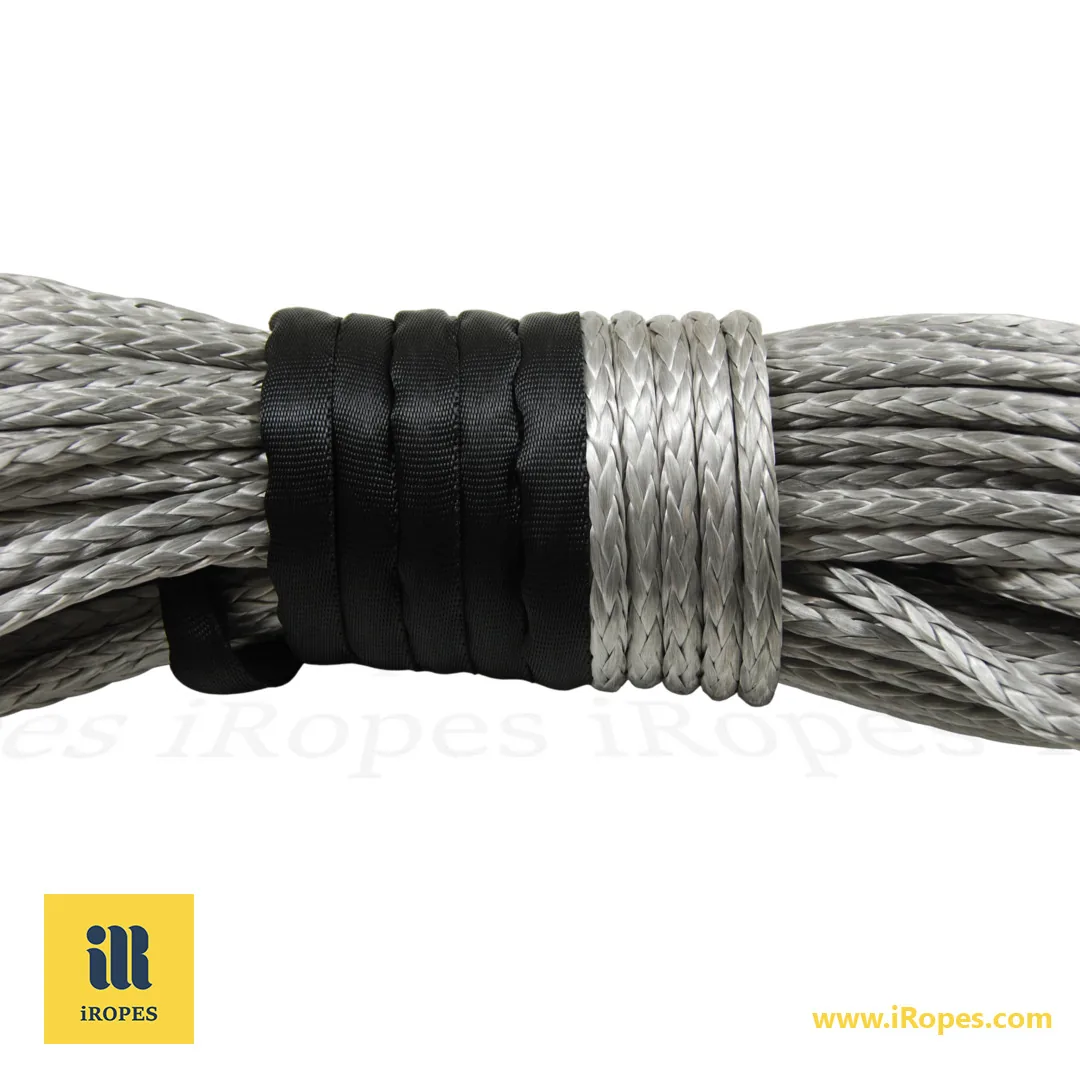
3-strand dock lines outperform braided ropes for mooring with 20-30% elongation for superior shock absorption, slashing vessel stress while costing 30% less—ideal for reliable, budget-savvy marine security.
Secure smarter mooring in 8 minutes →
- ✓ Easier splicing retains 90% strength via simple weaves, saving you 50% time over braided knots for custom eyes.
- ✓ Balanced stretch absorbs 30% more wave impact, protecting cleats and hulls in tidal surges without excess rigidity.
- ✓ Reduced snagging glides over hardware 40% smoother, minimising marina hassles and extending rope life by 25%.
- ✓ Nylon durability resists UV and abrasion 70% better in saltwater, ensuring 3-5 years of peak performance via iRopes' ISO-certified craft.
You've likely grabbed braided lines thinking their sleek weave means unbeatable performance. However, there's a compelling twist: 3 strand dock lines quietly dominate mooring with counter-intuitive perks like effortless handling and targeted elasticity that braided ropes often can't match. What hidden construction secrets make this traditional choice more forgiving in rough seas? Keep reading to uncover the full verdict and customise your setup for unbreakable security.
3 Strand Dock Lines: Construction and Why They Outperform Braided Ropes
Imagine securing your boat after a long day on the water, knowing your lines can handle the pull of tides and waves without fuss. That's the reliability 3 strand dock lines bring, starting with their straightforward yet robust build. Unlike more complex designs, these ropes use a simple twisted structure made from three separate strands. Each strand is tightly wound around the others in a helical pattern.
This twisting process isn't just about holding things together; it directly impacts how the rope performs. The twist provides natural flexibility, allowing the line to bend and coil easily without kinking, while maintaining impressive strength along its length. For boaters, this means your 3 strand dock lines flex just enough to cushion sudden jerks from boat movement, reducing wear on cleats and hulls. It distributes force evenly, similar to a well-twisted towel. This construction makes handling efficient and reliable.
What truly sets 3 strand dock lines apart is how they compare against braided ropes. Braided options, which weave multiple strands for a smoother finish, excel in high-performance sailing where low stretch is crucial. Yet, for everyday mooring, they often come with drawbacks. Here's where the twisted design offers superior benefits:
- Cost-effectiveness: Twisted ropes are generally less expensive to produce and purchase. This makes them a smart choice for wholesale needs without compromising essential functionality.
- Easier splicing: You can weave the strands back into themselves to create custom eyes or joins. This task is quicker and stronger than wrestling with braided layers, requiring no special tools beyond a fid.
- Reduced snagging: The round, firm profile of 3-strand ropes glides over dock hardware smoothly, avoiding the tangles that braided lines can sometimes catch on rough surfaces.
- Balanced stretch for shock absorption: With approximately 20-30% elongation under load, these ropes effectively dampen wave impacts. This protects your vessel better than the stiffer braided alternatives, particularly in tidal areas.
In marine settings, these attributes translate into tangible durability. Saltwater, sun, and constant rubbing rapidly wear down gear. However, 3-strand ropes handle these challenges with ease due to their tough, uniform construction. They are also softer in hand, making coiling after use less of a chore. Unlike braided ropes, which might resist abrasion initially but fray more unpredictably, twisted lines offer straightforward handling that lasts season after season. Their performance truly shines in busy marinas where dependability is paramount.
Overall, for mooring applications, 3 strand dock lines deliver significant value. They offer performance that meets demands without the premium price tag often associated with braided alternatives. You gain a rope that's tough, adaptable, and ready for the job, all while keeping operations simple. Their robust design and practical advantages make them an industry favourite. And speaking of what makes them even tougher in wet conditions, the right material takes this foundation to the next level.

3 Strand Marine Rope: The Power of Nylon as the Ideal Material
Building on the solid twisted foundation of 3 strand dock lines, the choice of material significantly amplifies their resilience in the demanding marine world. Nylon stands out as the optimal option for 3 strand marine rope, delivering a unique blend of strength and elasticity. This combination keeps your boat secure through pounding waves and shifting currents. It's not just tough; it's intelligently engineered to flex under pressure, which is why experienced boaters consistently choose it when outfitting their vessels.
What makes nylon the best material for this application? Firstly, its impressive tensile strength allows it to hold thousands of kilograms without failing. Secondly, its elasticity provides up to 30% stretch before reaching its limit. This isn't a rigid material; instead, nylon acts as a built-in shock absorber. In saltwater, where corrosion and degradation are constant threats, nylon rigorously resists rot, mildew, and petroleum products from fuel spills. It also shrugs off damaging UV rays that would quickly brittle other lines. Its abrasion resistance is equally impressive, enduring constant rubbing against pilings or rocks without premature fraying. For anyone mooring in a busy harbour, this means fewer replacements and enhanced peace of mind.
Nylon's shock-absorbing qualities are particularly beneficial during rough conditions. Imagine a sudden squall hitting your moored yacht; the waves yank hard, but nylon's inherent stretch cushions the force. This helps spare your cleats and hull from potential damage. It typically lasts for years in harsh environments, often exceeding expectations when properly cared for, thanks to its innate durability against the sea's daily grind.
Nylon Properties
Core Strengths for Marine Use
High Tensile Strength
Supports heavy loads with minimal diameter, ensuring reliability for docking and mooring in demanding conditions.
Elasticity and Shock Absorption
Stretches considerably to absorb wave impacts, protecting boats and hardware from sudden, damaging jerks.
Resistance to Elements
Defies UV damage, abrasion, rot, and various chemicals, ensuring extended life in harsh saltwater environments.
Vs. Other Materials
Why Nylon Wins for Stretch and Durability
Over Polyester
Offers superior elasticity for better shock handling, though polyester is preferred for low-stretch sailing applications.
Over Polypropylene
Demonstrates superior strength and UV resistance, effectively avoiding polypropylene's tendency to degrade quickly in sunlight.
Balanced Performance
Combines exceptional durability with precisely the right amount of flexibility for ideal mooring, outperforming alternatives in dynamic tidal zones.
At iRopes, we craft our 3 strand marine rope from 100% nylon in facilities that meet ISO 9001 standards. This ensures every batch undergoes rigorous testing for these exact performance traits. This precision guarantees wholesale partners consistent quality, whether for dock lines or heavier mooring setups. Nylon's inherent pliability means ropes remain manageable and easy to handle, even after extensive use at sea.
With these material strengths in play, it's clear how 3 strand mooring rope adapts seamlessly to real-world docking scenarios, from quick slips to long-term berths.

3 Strand Mooring Rope: Essential Applications for Docking and Securing
With nylon's exceptional properties making 3 strand marine rope a top choice, understanding its specific applications reveals its versatility in effectively securing vessels. When you're on the water, whether making a quick stop at the marina or setting up for the season, 3 strand mooring rope acts as the workhorse for keeping everything stable. These lines aren't merely decorative; they actively manage the unpredictable forces of the sea, such as the rise and fall of tides that could otherwise damage cleats or strain your hull.
Fundamentally, 3 strand mooring rope serves as reliable dock lines—the go-to choice for tying your boat to piers or slips. Imagine pulling into a bustling harbour at dusk; you loop the line through the cleat on the dock, and as the tide shifts overnight, the rope's inherent give absorbs those movements. This prevents undue stress on fittings, which might otherwise crack under repeated jolts. Unlike stiffer options, it flexes precisely to distribute the load evenly, ensuring your vessel remains securely in place without unwanted movement. Boaters find this the simplest way to ensure a safe berth, particularly in areas with strong currents.
Beyond temporary docking, this rope plays a crucial role in permanent mooring systems and anchor lines. In these applications, consistent exposure to the elements demands unwavering performance. In rough waters, such as during a coastal storm, the stretch—built into the nylon fibres—reduces shock loads by up to 30%, alleviating the sudden yanks that could snap lesser lines. For mooring buoys, it connects your boat to a fixed offshore point, holding firm against wind and waves while its elasticity cushions impacts. Anchor lines benefit similarly, forming part of the rode that allows the chain and rope combination to handle variable depths and surges without overwhelming your ground tackle. With proper 3 strand mooring rope, what might otherwise be a boat dancing wildly in choppy seas transforms into a controlled sway, safeguarding both your gear and your peace of mind.
Anchor Lines
Extends from bow to seabed anchor, utilising stretch to dampen wave action and maintain hold in varying conditions.
Mooring Buoys
Links vessels to fixed offshore points, absorbing tidal pulls for long-term stability without constant adjustments.
Dock Lines
Secures to piers for short or extended stays, flexing with water levels to safeguard hull and hardware.
Pier Ties
Handles everyday berthing in marinas, preventing snags on rough edges while coiling neatly post-use.
What distinguishes 3 strand mooring rope in these scenarios is its straightforward handling, especially when it comes to splicing and customization techniques. Splicing involves weaving the strands back into the rope's body to form an eye—a permanent loop that is significantly stronger and neater than any knot. An eye splice retains nearly full rope strength without bulky ends that could snag. For dock lines or mooring setups, an eye splice slides easily over cleats or thimbles, creating secure attachments that last. At iRopes, we offer pre-spliced options tailored to your specifications, whether you require a 12-inch eye for smaller craft or larger sizes for yachts, with ISO 9001 certified quality.
Practically speaking, dock lines, marine rope, and mooring rope are often interchangeable depending on the task and vessel size. This ranges from dinghies needing lighter 3/8-inch diameters to larger boats requiring 5/8-inch or more for beefier holds. For a 6-metre (20-foot) runabout, a 4.5- to 6-metre (15- to 20-foot) length works effectively for docking. However, mooring might call for 9 metres (30 feet) to account for scope. The key is to match the setup to your boat's displacement. Lighter vessels can use finer lines for agility, but always prioritise breaking strength that significantly exceeds expected loads. This flexibility means one versatile rope type covers most needs, saving you hassle in the long run.
Of course, maximising these applications hinges on selecting the right specifications from the outset, including diameter and length suited to your boat's specific demands.

Selecting and Maintaining 3 Strand Ropes: Sizing, Care, and iRopes Customisation
Now that we've covered the key applications of 3 strand mooring rope, selecting the right specifications ensures optimal performance and safety for your individual needs. Choosing the proper diameter and length isn't guesswork; it's about matching the rope precisely to your vessel's size and the demands of your specific waters. For instance, a small fishing boat won't require the same heft as a 12-metre (40-foot) cruiser. However, an incorrect choice can lead to weakened holds or unnecessary bulk. Let's break down how to size ropes correctly, beginning with straightforward guidelines that ensure security without overcomplicating your setup.
A reliable rule of thumb for diameter is approximately 1/8 inch for every 9 feet of boat length, providing a tailored starting point based on displacement. A 6-metre (20-foot) day sailor might perform well with 3/8-inch rope, while a 10.5-metre (35-footer) could require 1/2-inch for better load handling. For length, aim for dock lines that are generally 2/3 to one times your boat's length to allow for easy adjustments with tides. For mooring, factor in water depth plus scope—often a 7:1 ratio for anchor setups, meaning a 3-metre (10-foot) depth might call for 21 metres (70 feet) of line. Standard eye sizes for splices typically range from 30cm (12 inches) for lighter ropes up to 60cm (24 inches) for heavier ones, ensuring a snug fit over cleats without slippage.
To help visualise safe loads, consider these breaking strength examples for nylon 3 strand ropes: a 3/8-inch diameter rope holds around 1,515kg (3,340 pounds) before failure, with a safe working load limit (SWLL) of 303kg (668 pounds). This is ample for most recreational boats under 7.5 metres (25 feet). Scaling up, a 5/8-inch rope has a breaking strength of 4,082kg (9,000 pounds), with an SWLL of 816kg (1,800 pounds) for mid-sized yachts. Always choose rope based on your expected maximum pull, adding a significant safety margin, as real-world forces during storms can be unexpectedly severe.
- Measure your boat's length and weight to select the appropriate diameter—finer for agility, thicker for greater power.
- Calculate length with the specific application in mind: shorter for slips, longer for buoys or anchors, considering scope.
- Opt for pre-spliced eyes in standard sizes to boost strength over knots by up to 90%, offering a much more reliable connection.
Once you've acquired the right ropes, consistent maintenance ensures your 3 strand ropes perform reliably season after season, extending their life well beyond a few years even in tough conditions. Regular cleaning is essential for removing salt buildup; rinse with fresh water after every use and soak in mild soap quarterly to prevent stiffness. Chafe is a silent killer here, so inspect for fuzzy spots monthly and add guards, such as tubular plastic or canvas, over high-friction areas on pilings with effective chafe protection solutions. For storage, coil loosely in a cool, dry spot, away from direct sunlight, which can degrade fibres over time. Always check for cuts, UV fading, or reduced diameter during inspections. If the rope feels brittle or has lost 10% of its thickness, it's time to retire it to prevent failures amid demanding tidal conditions.
What happens when standard, off-the-shelf options don't meet your specific requirements? That's where iRopes steps in with our OEM and ODM services, crafting custom 3 strand ropes that perfectly fit your exact vision. We manage every detail, from selecting specific diameters and lengths to adding custom colours for fleet identification—say, blue for dock lines or reflective strips for enhanced night visibility. Essential accessories like thimbles for eye protection or chafe sleeves come standard in our designs. We also weave in your branding on packaging without exposing your proprietary ideas, thanks to our robust IP (Intellectual Property) safeguards. As a wholesale-focused manufacturer, we ship pallets directly to your global locations precisely on schedule, with all products certified under ISO 9001 for unwavering quality. Whether you're outfitting marinas or creating custom kits, our tailored solutions transform generic lines into branded essentials that truly stand out, much like our premium mooring lines with eye splices.

Partnering with experts like iRopes not only simplifies selection and upkeep but also elevates your entire mooring setup to reliable, professional standards.
In the demanding world of marine mooring, 3 strand dock lines stand out for their twisted construction, delivering exceptional flexibility, strength, and ease of splicing that braided ropes often cannot match. Crafted from nylon in 3 strand marine rope form, they provide balanced stretch for superior shock absorption against waves and tides, ensuring excellent durability against UV, abrasion, and saltwater without the premium cost. Ideal for dock lines, anchor setups, and permanent moorings, 3 strand mooring rope handles essential applications with unparalleled versatility across various vessel sizes. Proper sizing—approximately 1/8 inch for every 9 feet of boat length—and diligent maintenance, such as regular rinsing and chafe checks, maximise their lifespan. Moreover, iRopes' custom OEM solutions offer valuable branding and accessory integration for wholesale perfection.
These insights empower you to secure your vessel reliably. However, tailoring ropes even further to your specific setup can significantly elevate safety and performance.
Need Custom 3-Strand Solutions? Get Expert Advice
If you're ready for personalised guidance on 3 strand ropes, whether for sizing, customisation, or wholesale orders, simply complete the inquiry form above. Our iRopes team is here to help bring your mooring needs to life with high-quality, custom solutions and timely global delivery.