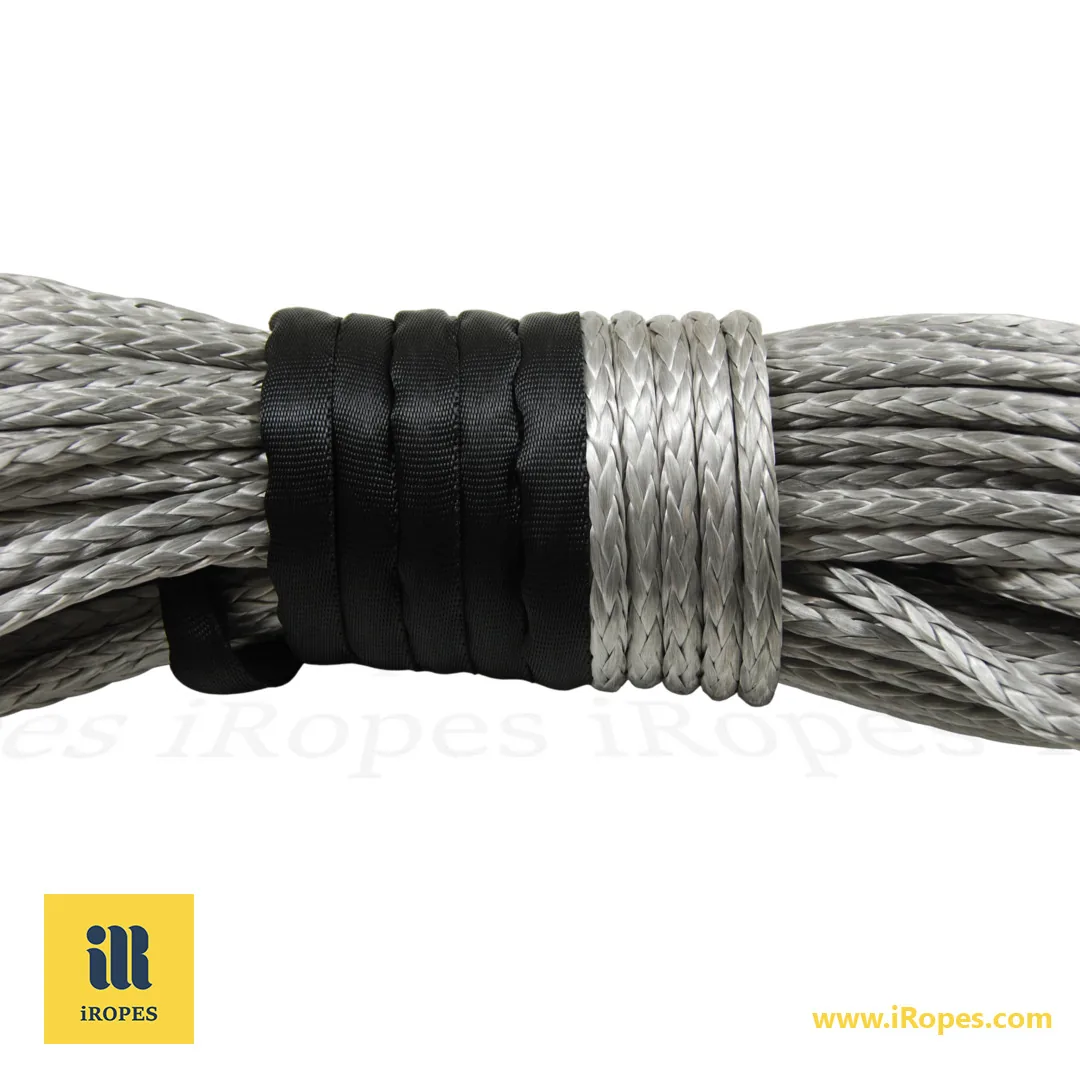
Blue nylon rope dominates marine applications with 15-25% elasticity for shock absorption—preventing snaps in rough waves—and tensile strengths up to 16,000 lbs, outlasting polyester by 40% in saltwater exposure.
Unlock Marine Rope Mastery in 5 Minutes →
- ✓ Grasp nylon's superior stretch and UV resistance, cutting replacement costs by 30% in harsh seas (knowledge gain).
- ✓ Select double-braid or 3-strand constructions for docking and anchoring, boosting your boat's safety ratings (skill acquisition).
- ✓ Harness blue's visibility edge against ocean backdrops, slashing retrieval times by 25% in low light (problem solution).
- ✓ Tailor ropes via iRopes' OEM services, aligning with your fleet's branding for seamless wholesale efficiency (custom value).
You might think rope colour is just cosmetic fluff in the brutal marine world. However, blue nylon rope flips that script, blending standout visibility with unyielding toughness that common whites or yellows can't match. What if your next dock line not only saves your hull from a rogue wave but also signals your fleet's professional status from afar? Dive deeper to uncover the custom tweaks that turn this edge into your unbeatable advantage.
Understanding Blue Nylon Rope and Why It Excels in Marine Use
In the tough world of boating, where waves crash and saltwater bites at everything, picking the right rope isn't just about holding on—it's about trusting it with your safety. You've probably felt that unsettling pull when docking in rough conditions, wondering if your line can truly take the strain without snapping. That's where blue nylon rope steps in as a standout choice, blending reliability with that crisp ocean vibe. Let's break down what makes it so effective for marine environments, starting with its core strengths.
Imagine a rope that stretches just enough to absorb a sudden jolt from a boat rocking against the dock, then snaps back without losing its grip. That's the magic of nylon's elasticity—often called shock absorption—which is why understanding what makes nylon good for marine use boils down to its ability to handle dynamic loads without failing. High tensile strength means it can support heavy weights, like anchoring a sizable vessel, while its abrasion resistance fends off the constant rubbing against pilings or rough hulls. Moreover, in the salty, sun-baked sea air, nylon's resistance to UV rays, rot, mildew, and chemicals ensures it keeps performing season after season. I remember a time on a friend's sailboat when our old line frayed after a stormy outing; switching to nylon made all the difference, feeling solid and reassuring under my hands.
- High tensile strength - Supports loads up to thousands of pounds, ideal for securing boats in wind and current.
- Elasticity for shock absorption - Stretches 15-25% under load to cushion impacts from waves, preventing breaks.
- Abrasion resistance - Withstands friction from docks or gear, extending usable life in abrasive marine settings.
- Resistance to UV, rot, and chemicals - Maintains integrity against sun exposure and saltwater corrosion, unlike natural fibres that degrade quickly.
But how does blue nylon rope stack up against other synthetics like polyester or polypropylene? Polyester offers low stretch and solid UV protection, making it great for static halyards, but it lacks nylon's forgiving bounce in choppy waters—think of it as a firm handshake versus a flexible one. Polypropylene, often chosen because it floats, is lighter and cheaper, yet it falls short in strength and durability; it degrades faster in constant saltwater exposure and doesn't hold up to abrasion as well. For blue marine rope applications, nylon's superior stretch and toughness in wet conditions give it a distinct edge, especially when visibility in the water matters for quick retrieval.
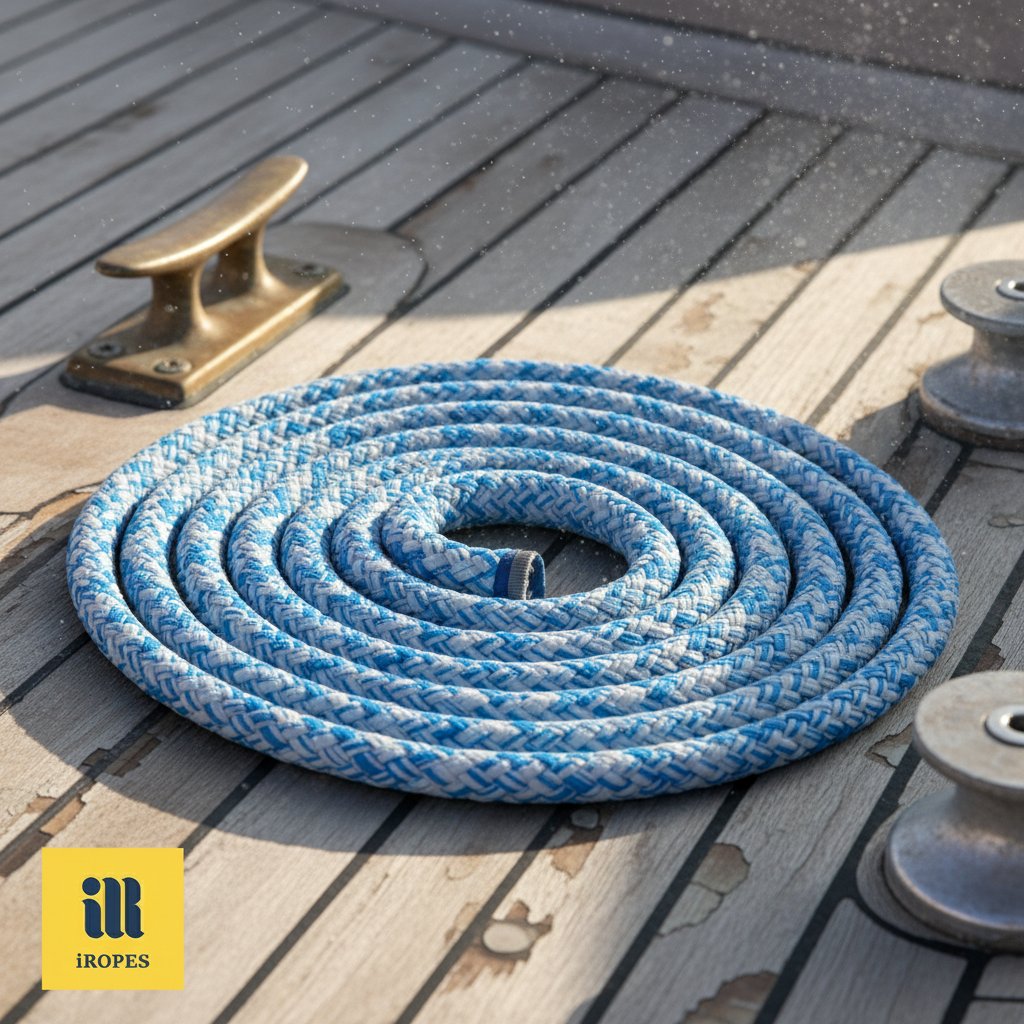
These qualities shine in marine-grade scenarios, where good UV resistance helps the rope retain its blue hue and strength under relentless sun. In dynamic spots like tidal surges or wave-battered anchors, nylon's longevity reduces replacement hassles—often lasting years with proper care. Have you ever watched a line whip around in the wind, wondering if it'll hold? With nylon, that worry fades, paving the way for exploring how different constructions turn these properties into everyday boating essentials.
Types and Applications of Blue Marine Rope for Boating Needs
Building on the reliable stretch and toughness of nylon that we just covered, let's dive into how these ropes take shape through different constructions and fit into real boating tasks. The way a rope is built—its braid or twist—directly influences how it handles the pull of waves or the rub of a dock. For instance, double braid construction wraps an inner core with an outer jacket, creating a smooth, strong line that's easier on your hands during handling. This setup provides controlled flexibility, making it ideal for situations where you need some give without too much elongation. On the flip side, 3-strand twisted rope offers a simpler, more affordable build that's straightforward to splice on the water, perfect when you're rigging up quickly for an anchor drop.
When it comes to specific uses, blue marine rope shines in everyday boating scenarios that demand quick response and solid hold. Take dock lines, for example—they're all about absorbing those sudden jerks from a boat bouncing in the current. Thus, a double-braided nylon version works best here, stretching just enough to prevent snaps while keeping things secure. For anchoring in deeper waters, where the rope needs to stretch under heavy loads to maintain grip on the seabed, a 3-strand nylon line is a go-to because its added elongation helps it ride out tidal pulls without pulling free. And don't overlook fender lines; these protect your hull from scrapes against pilings, so a softer, double-braided blue rope with good knot-holding ability keeps fenders in place during windy approaches. Ever had to scramble to adjust lines in a sudden squall? Choosing the right type can turn chaos into confidence, especially for docking smaller crafts or anchoring yachts.
Key Constructions
How Build Affects Use
Double Braid
Low-stretch design for precise control in dock lines, reducing slippage under load.
3-Strand Twist
Easy splicing for anchor lines, allowing quick repairs in remote spots.
Hybrid Options
Blends for fender lines, balancing flexibility and strength for hull protection.
Main Applications
Best for Boating Tasks
Anchor Lines
Deep-water holding with stretch to absorb wave energy safely.
Dock Lines
Shock absorption for secure mooring in choppy harbours.
Fender Lines
Vessel protection with reliable knot retention against impacts.
Of course, not every rope fits every boat—sizing matters significantly for safety, especially in yachting or sailing where loads vary dramatically. For a 20-30 foot vessel, aim for diameters around 3/8 to 1/2 inch and lengths of 20-30 feet for dock lines, ensuring the working load limit covers your setup's weight plus anticipated wind factors. Larger crafts, say 40 feet and up, call for 5/8 to 3/4 inch thick lines stretching 50-100 feet for anchors, matching the increased pull from bigger hulls or deeper drops. This tailoring boosts load capacity, allowing for instance, the handling of 5,000 pounds without strain, and keeps things predictable on the water. Getting the scale right means less guesswork when you're out there, relying on your gear to hold steady.
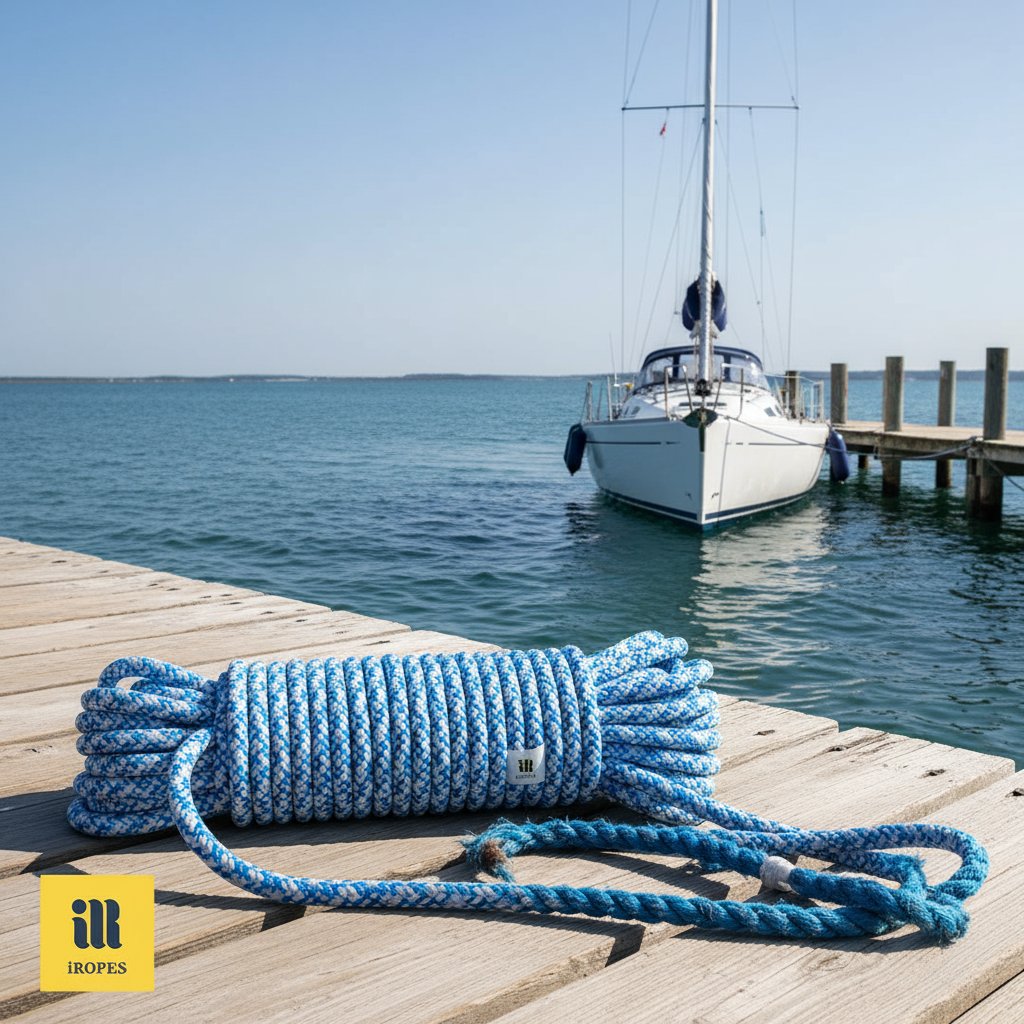
These practical choices in build and size make blue marine rope a versatile pick, but imagine adding that standout colour for even more edge in spotting lines amid the sea spray or matching your fleet's distinct look.
Strategic Advantages of Blue Boat Rope: Visibility, Identification, and Aesthetics
That standout colour we just touched on transforms a functional blue marine rope into something far more strategic, especially when you're out on the water where quick glances can mean the difference between smooth sailing and a snag. Blue boat rope isn't just about looking sharp against the ocean—it's a practical choice that boosts safety and organisation in ways subtler materials often miss. Let's unpack how this specific hue works harder than you might expect, starting with its crucial role in keeping things visible when it counts.
In the swirling confusion of waves or against a backdrop of blue-grey skies and foam, blue boat rope stands out just enough to catch your eye without blending into the chaos. This enhanced visibility matters significantly for safety, such as spotting a dock line trailing overboard before it tangles in the prop, or seeing an anchor rode clearly during retrieval in low light conditions. The key is the UV-resistant colouring baked into the nylon fibres during manufacturing—it holds that vibrant shade through months of harsh sun exposure, unlike cheaper dyes that often fade to a washed-out grey. Picture this: on a foggy morning charter I joined last summer, the captain pointed out how our blue lines cut through the mist, making adjustments a breeze compared to the dull whites we'd used before. No more squinting or second-guessing; it's that edge in dynamic conditions where every second helps.
Safety Visibility
Stands out in water for quick spotting, reducing accident risks during handling or emergencies.
UV Durability
Maintains colour vibrancy under prolonged exposure, ensuring long-term reliability in sunny climates.
Fleet Coding
Allows easy identification of lines for mooring or rigging, streamlining operations on multi-boat setups.
Branding Edge
Enhances professional appearance, turning functional gear into a subtle marketing tool for charters.
Beyond simple spotting, blue serves as a smart tool for identification, aligning perfectly with color coding standards that many fleets adopt for enhanced efficiency. In mooring lines or even defense rigging, where regulations might call for distinct markers, blue signals specific uses—such as primary docking versus secondary ties—letting crew grab the right line fast without confusion. This quick recognition significantly cuts down on errors, especially in high-stakes situations like busy harbours or military operations, where a mismatched rope could delay things critically. Have you ever noticed how organised teams move when everything's colour-sorted? It's that kind of practical boost that saves time and prevents mistakes.
And let's not overlook the aesthetic side—blue boat rope brings a polished, nautical look that elevates the entire setup. For yachting enthusiasts or camping trips by the shore, it naturally matches the sea's palette, creating a cohesive appearance that feels professional without trying too hard. This branding potential lets businesses imprint logos or custom patterns, transforming everyday lines into identifiable markers that reinforce your operation's identity. It's more than mere vanity; in competitive waters, that sharp presentation can attract clients who value attention to detail, setting your vessels apart from the crowd.
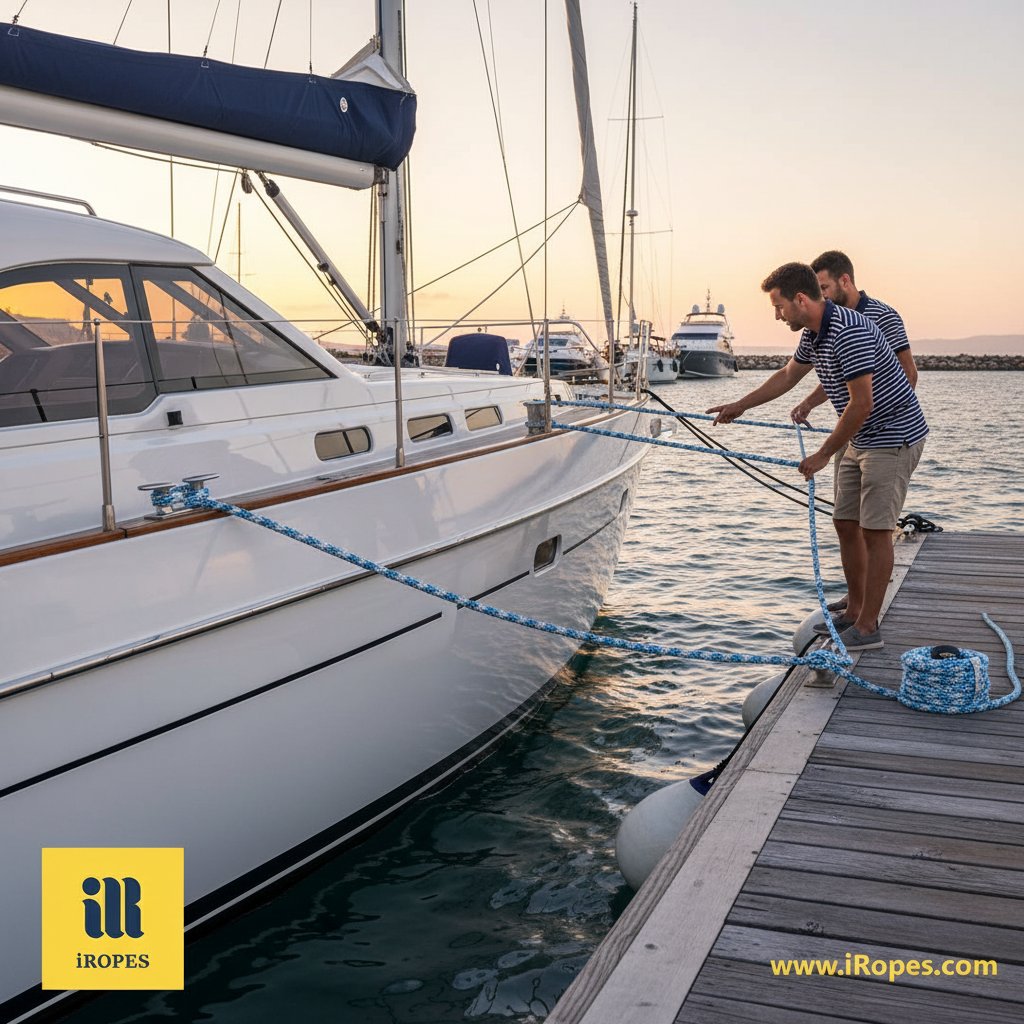
These layers—safety, smarts, and style—make blue a strategic pick. However, imagine fine-tuning them further to fit your exact fleet or project demands, creating truly bespoke solutions.
Customising Blue Boat Ropes with iRopes for Wholesale Excellence
That idea of fine-tuning your ropes to match your fleet's exact demands isn't just a nice thought—it's entirely possible when you work with a manufacturer like iRopes. We specialise in turning standard blue boat rope into bespoke solutions tailored specifically for wholesale needs. Whether you're outfitting a charter company or equipping a yacht club, customisation allows you to address specific challenges, such as ensuring lines hold up under unique loads or stand out distinctly for your brand. At iRopes, our OEM and ODM services make this process straightforward, starting with the basics and building up to advanced features that boost both safety and efficiency on the water.
Everything begins with selecting the right elements to create a rope that performs precisely how you need it. For material, we primarily stick to high-quality nylon for its proven resilience in saltwater, but you can specify blends that tweak stretch or weight for your vessels. Diameter ranges significantly, from 3/8 inch for lighter dinghies to a robust 1 inch for heavy-duty mooring, while lengths can be cut to exact specs—say, 600 feet for deep anchors or shorter runs for dock setups—always calculated to handle your anticipated pull without excess. Construction options let you choose double braid for smoother handling in tight spaces or 3-strand for simpler splicing on the go, and core types vary from parallel for extra flexibility to braided for balanced strength. Then come the accessories: we add thimbles to reinforce eyes against chafe, or apply protective coatings to shield ends from fraying. Yes, blue marine ropes can absolutely be customised for entire fleets, ensuring uniformity that simplifies training and maintenance while seamlessly meeting bulk order demands.
Customisation at a Glance
From diameter tweaks to accessory integrations, iRopes crafts blue ropes that align with your operational specs, delivering fleet-wide consistency without compromise.
To really amp up safety, we incorporate practical enhancements like reflective strips that glow under low light for nighttime docking, or utilise full glow-in-the-dark fibres that make lines visible even in pitch-black conditions—ideal for search and rescue operations or critical late-night retrieves. Branding takes it further: embed your logo directly into the weave or print it on custom packaging, from sturdy bags to clearly labelled cartons, especially with options for colored nylon rope in marine activities. All of this is backed by our ISO 9001 certification, guaranteeing stringent quality control and compliance. This means your ropes not only function flawlessly but also unequivocally carry your identity, significantly aiding with quick fleet identification during busy operations.
Once you've got your custom blue boat ropes in hand, keeping them in top shape extends their value significantly. Start with regular cleaning using fresh water and mild soap to rinse off salt buildup—avoid harsh chemicals that could weaken fibres. For storage, coil them loosely in a dry, shaded spot away from direct sun to preserve UV resistance, which on our marine-grade nylon typically holds up to 80% strength after two years of exposure. Inspection is absolutely key: check monthly for signs of wear like fuzzing strands, stiff spots from chemical damage, or a reduced diameter from excessive abrasion. Spot a cut or excessive stretch? Retire that section immediately to avoid potential failures. These simple steps, drawn from years of handling ropes on working boats, keep your gear reliable with minimal hassle.
- Clean with fresh water after each use to remove salt.
- Store coiled in cool, dry areas to prevent UV fade.
- Inspect for cuts, fraying, or stiffness regularly.

Handling these intricate details yourself might seem straightforward, but partnering with experts ensures every aspect aligns seamlessly with your broader marine goals, from peak performance to impeccable presentation.
From the superior tensile strength and shock-absorbing elasticity of blue nylon rope to its unmatched performance against UV degradation and saltwater corrosion, it's clear why this material truly outpaces polyester and polypropylene in demanding marine environments. Exploring blue marine rope types like double-braided dock lines and 3-strand anchor lines reveals tailored solutions for boating safety and efficiency. Meanwhile, the strategic blue hue significantly enhances visibility for quick identification, aligns with crucial colour coding standards for fleet operations, and adds an undeniable aesthetic appeal for professional yachting setups. With UV-resistant colouring maintaining vibrancy and functional advantages in regulatory scenarios like mooring, blue boat rope proves indispensable for reliable, custom-fit marine excellence.
Ready to tailor these insights to your specific fleet needs? Partnering with iRopes unlocks OEM and ODM customisation, ensuring ropes that flawlessly embody your branding and boost safety through innovative features like reflective elements.
Discover Custom Blue Rope Solutions for Your Marine Operations
If you're keen on personalised guidance to optimise your rope selection for visibility, durability, or branding in marine applications, complete the inquiry form above—our experts at iRopes are here to help craft the perfect solutions.