Boom ropes fail up to 50% faster from material fatigue and abrasion during high-stress lifts or sails—while strapping ropes boast over 5,000 lb tensile strength with minimal stretch to securely protect your gear from damage and slips. ⚠️ Discover why switching saves your equipment now.
Unlock Gear Protection in a 12-Minute Read →
- ✓ Pinpoint 3 key boom rope vulnerabilities like abrasion that cause 40% of marine mishaps, gaining knowledge to avoid costly snap risks.
- ✓ Master strapping rope advantages, including nylon's 30% better shock absorption for secure loads in yachting or off-road, solving slippage problems.
- ✓ Learn protection rope techniques like edge guards that extend gear life by 6 months, acquiring skills for safer rigging in tree work or defense.
- ✓ Explore iRopes' OEM customisation for your needs, promising ISO 9001-certified solutions that cut failures by 40% through tailored materials.
Picture your boom rope whipping loose mid-sail, slamming into expensive rigging as wind howls—a split-second disaster that's all too common yet avoidable. You've likely wrestled with fraying lines that betray you under pressure. What if strapping and protection ropes could transform that vulnerability into unbreakable security? Delve deeper to uncover the exact rigging tweaks and custom iRopes innovations that prevent failures, ensuring your gear—and peace of mind—stays intact through every adventure.
Why Boom Ropes Fail: Identifying Common Vulnerabilities
Imagine you're out on the water, the wind picking up as you adjust your sailboat's boom. That boom rope, the one holding everything in place, suddenly gives way under the strain. It's a heart-stopping moment that underscores just how critical these lines are. A *boom rope* is essentially a specialised line used in systems like boom vangs and preventer lines, where it controls the boom's movement, prevents accidental gybes, and assists in lifting or stabilising loads. In marine settings, it keeps the sail from swinging wildly. In industrial scenarios, like construction cranes, it manages heavy lifts with precision. These applications demand ropes that handle dynamic forces, but as you'll see, they often fall short if not chosen or maintained properly.

So, why do these boom ropes fail when you need them most? The culprits are often straightforward but sneaky. Material fatigue sets in after repeated bending and stretching, weakening the fibres over time—think of it like a rubber band that's been snapped too many times. *Abrasion* from rubbing against sharp edges on booms, pulleys, or deck hardware grinds away at the outer layers, creating weak spots that lead to sudden snaps. And don't overlook improper rigging; if the line is twisted during installation or overloaded beyond its rating, wear accelerates dramatically. I've seen this firsthand on a friend's yacht, where a poorly routed preventer line frayed in just a season, nearly causing a mishap during a gusty race.
- Material fatigue - Repeated flexing breaks down internal fibres, reducing overall strength by up to 50% in high-cycle uses.
- Abrasion damage - Friction against rough surfaces erodes the sheath, exposing the core and risking complete failure under load.
- Improper rigging - Twists or excessive tension cause uneven stress, leading to hot spots that snap unexpectedly.
These failures aren't just inconvenient—they're dangerous. In marine boom management, a snapping line can whip back, injuring crew or damaging sails and rigging worth thousands. Industrially, it might drop a load, endangering workers below and causing costly equipment harm. Have you ever paused mid-task to double-check your setup? That's the mindset safety demands here: always assess risks like wind loads or edge contacts to protect both people and gear.
Protecting your boom rope from sharp edges doesn't have to be complicated, though. Start by adding padding solutions, like tubular sleeves made from durable PVC or neoprene, which wrap around vulnerable sections to cushion contact—much like putting guards on bike handlebars. Basic inspection methods keep things reliable: run your hands along the length weekly, feeling for fuzzing or flat spots, and visually check for cuts after every use. For those wondering how to shield ropes from sharp edges, reroute lines away from hazards when possible, or install edge rollers to guide the rope smoothly. These steps can extend life significantly, buying you peace of mind on your next outing.
While addressing these vulnerabilities in boom ropes makes a difference, sometimes you need something more robust for securing loads altogether, like strapping options that handle tension without the drama.
Strapping Ropes: Effective Securing and Protection for Your Gear
Building on those boom rope vulnerabilities we just discussed, where snaps and wear can turn a simple task into a disaster, strapping ropes step in as a steadier choice for keeping your equipment firmly in place. These aren't your average lines; they're built for the job of holding things down without the constant flexing drama that dooms boom setups. Picture bundling gear for an off-road trip or lashing cargo on a yacht deck—strapping ropes make it reliable, transforming potential chaos into controlled security.
A *strapping rope* is a tough, versatile line designed specifically for equipment securing, cargo lashing, and bundling tasks across industries. In logistics, it wraps and ties down pallets to prevent shifting during transit. On a boat, it fastens sails or supplies against rolling waves. Unlike the dynamic pulls of a boom vang, these ropes focus on steady tension, ensuring loads stay put whether you're hauling in a truck or prepping for a camping haul. Their role shines in preventing slips that could damage valuable tools or supplies—think of them as the unsung heroes that keep everything from flying around in rough conditions.
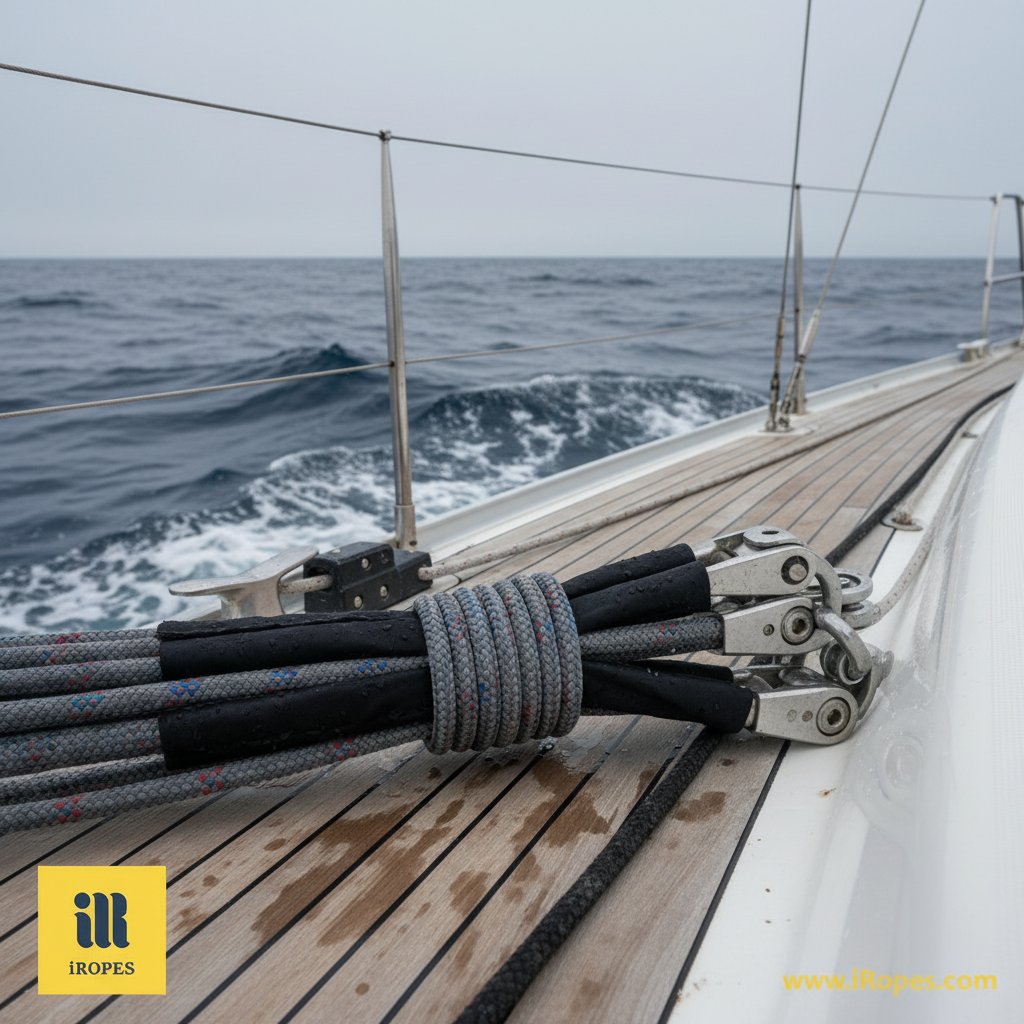
Compared to boom ropes, strapping options bring clear advantages that make them a smarter pick for many scenarios. They boast high tensile strength—often exceeding 5,000 pounds without breaking—paired with minimal stretch, which means no creeping slack under load. This durability holds up in harsh spots like salty yachting air or dusty off-road trails, where boom lines might fray from repeated motion. Ever watched a tie-down loosen on a bumpy road? Strapping ropes avoid that by gripping consistently, reducing the risk of gear tumbling free.
When picking the best rope for securing loads, material choice is key to matching your needs. Nylon stands out for its shock absorption, stretching just enough to handle sudden jerks—like during a sudden stop—while bouncing back without permanent deformation. Polyester, on the other hand, offers superior weather resistance, shrugging off UV rays and moisture that would degrade others over time. Both provide the low elongation ideal for tight lashing, ensuring your cargo arrives intact. For heavy hauls, nylon's energy-absorbing quality makes it a top recommendation, as it distributes force evenly to avoid snaps.
- Choose knots like the trucker's hitch for adjustable tension, allowing even pressure across the load without over-stressing fibres.
- Tension gradually with winches or ratchets to avoid sudden pulls that could cause slippage or rope fatigue.
- Inspect for even distribution before transit, rerouting if needed to dodge sharp corners on gear.
Getting rigging right with these ropes is straightforward but game-changing. Start by selecting secure knots that won't slip under vibration, then apply tension in stages to keep everything balanced. This prevents gear from chafing or shifting, safeguarding both your equipment and the transport vehicle. A buddy of mine in logistics swore by this method after a near-miss with loose bundles—now his shipments arrive pristine every time. These techniques not only cut down on damage but also save you from the headaches of unexpected stops or inspections.
While strapping ropes provide solid groundwork for load security, layering in extra safeguards becomes vital when environments turn more unforgiving.
Protection Ropes: Safeguarding Equipment and Enhancing Longevity
Strapping ropes give you that reliable hold on your loads, but in tougher spots like heights or rough terrain, you need an extra shield to keep both your gear and yourself out of harm's way. That's where protection ropes come into play, serving a clever dual purpose that goes beyond just tying things down. On one hand, they act as fall protection lanyards, those critical lines that arrest a drop during work at height, whether you're climbing a tree or rigging a defence setup. On the other, they include handy devices like sleeves and edge guards that wrap around your main ropes to fend off damage from the environment. It's this versatility that makes them indispensable for anyone dealing with unpredictable conditions—think of how a simple guard can turn a potential tear into just a minor scrape.
Choosing the right kind for fall safety boils down to understanding dynamic versus static options, each tuned for specific demands. Dynamic ropes, often made from nylon, feature built-in stretch—up to 30% elongation under load—which absorbs the shock of a sudden fall, spreading energy across the system to reduce injury risk. They're ideal for scenarios like rescue operations or arborist work, where a jolt from a slip could otherwise spell trouble. Static ropes, by contrast, offer almost no give, making them better for hauling gear or anchoring in stable positions, like in caving or industrial tie-offs, since they maintain rigidity without bouncing. If you're wondering what type suits fall protection best, dynamic ones take the lead for arrest situations because they cushion the impact, much like a car's seatbelt yielding just enough in a crash.
Dynamic Ropes
Stretch for Shock Absorption
Energy Absorption
Elongates to dissipate fall forces, protecting users in dynamic scenarios like climbing.
Tree Work Suitability
Handles unpredictable branches with flexibility, reducing strain on anchors.
Rescue Applications
Provides controlled descent, essential for emergency extractions.
Static Ropes
Rigidity for Stability
Low Elongation
Maintains position without stretch, perfect for fixed anchors in defence setups.
Industrial Use
Supports heavy loads steadily, avoiding bounce in mechanical systems.
Caving Operations
Offers reliable tension for rappelling without unwanted movement.
To keep your ropes in fighting shape against abrasion, especially in demanding fields like tree work or defence, turn to protector solutions that act like armour. Padding made from tough PVC sleeves slips over high-friction spots, while rollers guide lines smoothly over corners, cutting down on rub that could otherwise slice through fibres in months. Edge guards, simple yet effective, clamp onto sharp protrusions to create a buffer—I've used these on a jobsite where bare ropes would've shredded against metal beams, but with them, everything held up through a full season of heavy use. These accessories not only prevent cuts but also extend usability, saving you from frequent replacements.
Of course, all this gear only works if you maintain it diligently. Run through an inspection checklist every few months: check for frays by sighting down the length under light, test knots for slippage with a firm pull, and log usage hours to spot patterns of wear. Certifications like ISO 9001 ensure your protection ropes meet global standards, giving you confidence in their build quality. Regular care like this keeps failures at bay, letting you focus on the task rather than the tools.
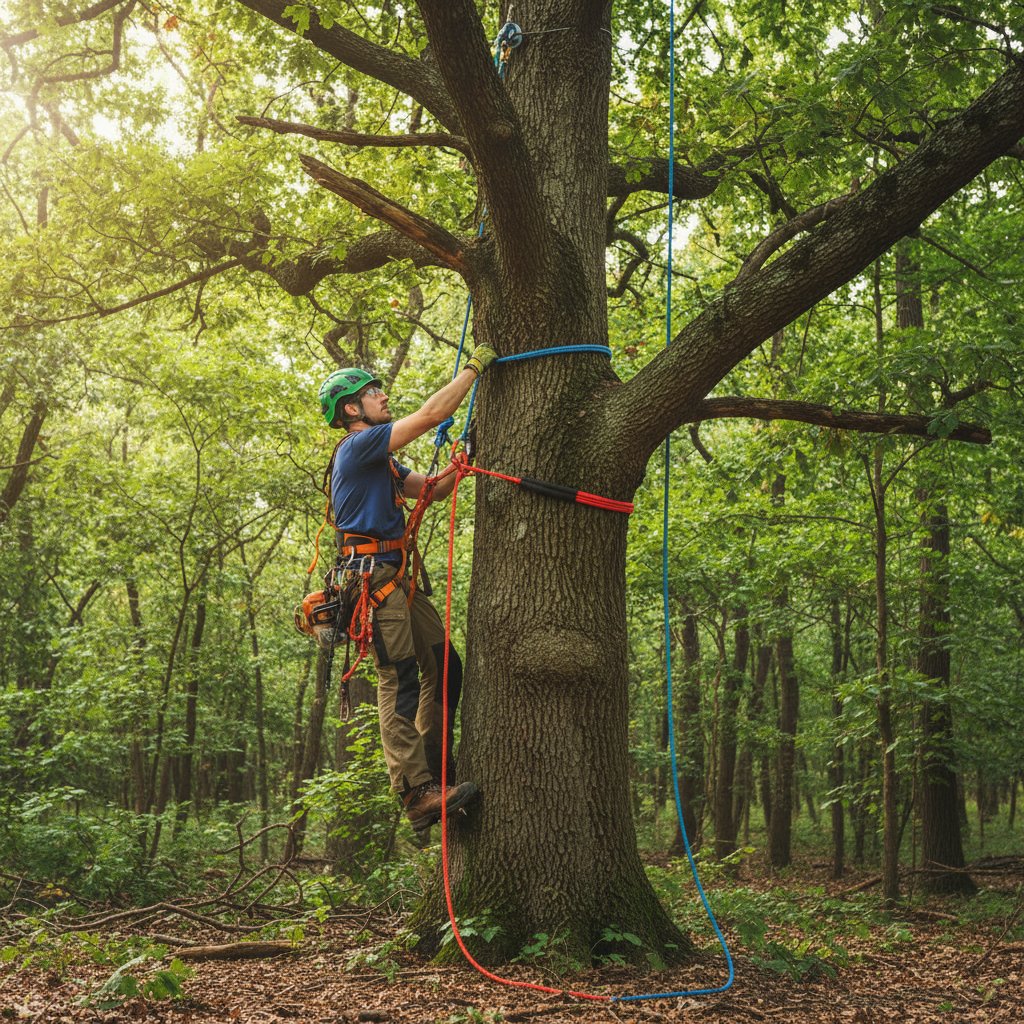
Layering these safeguards addresses the wear we see in everyday rigging, paving the way for tailored setups that match your exact operations without compromise.
iRopes' Customised Solutions for Boom, Strapping, and Protection Needs
Those layered safeguards we talked about in protection setups really shine when they're made just for your operation, transforming generic lines into reliable partners that fit like a glove. At iRopes, we take that idea further with our OEM and ODM services, crafting boom ropes, strapping ropes, and protection ropes to your exact specifications. Whether it's tweaking the material for better boom control or dialling in the diameter for secure gear lashing, our process starts with understanding your challenges—think of it as building a custom tool that solves problems before they arise.
For boom control, we might select a high-modulus polyethylene core that resists fatigue better than off-the-shelf options, paired with a braided sheath to handle the constant motion in vang systems. In gear securing, strapping ropes get reinforced with polyester strands for that low-stretch hold, ensuring loads stay put during rough yachting runs or industrial hauls. We tailor everything from diameter—say, 10mm for lighter bundling to 20mm for heavy lifts—to colours that match your branding or glow elements for nighttime visibility. Core types vary too: a parallel core for maximum strength in protection lanyards, or twisted for flexibility in off-road recovery. It's all about aligning with your needs, like when a client needed UV-resistant coatings for outdoor defence applications—we delivered without compromising on safety.
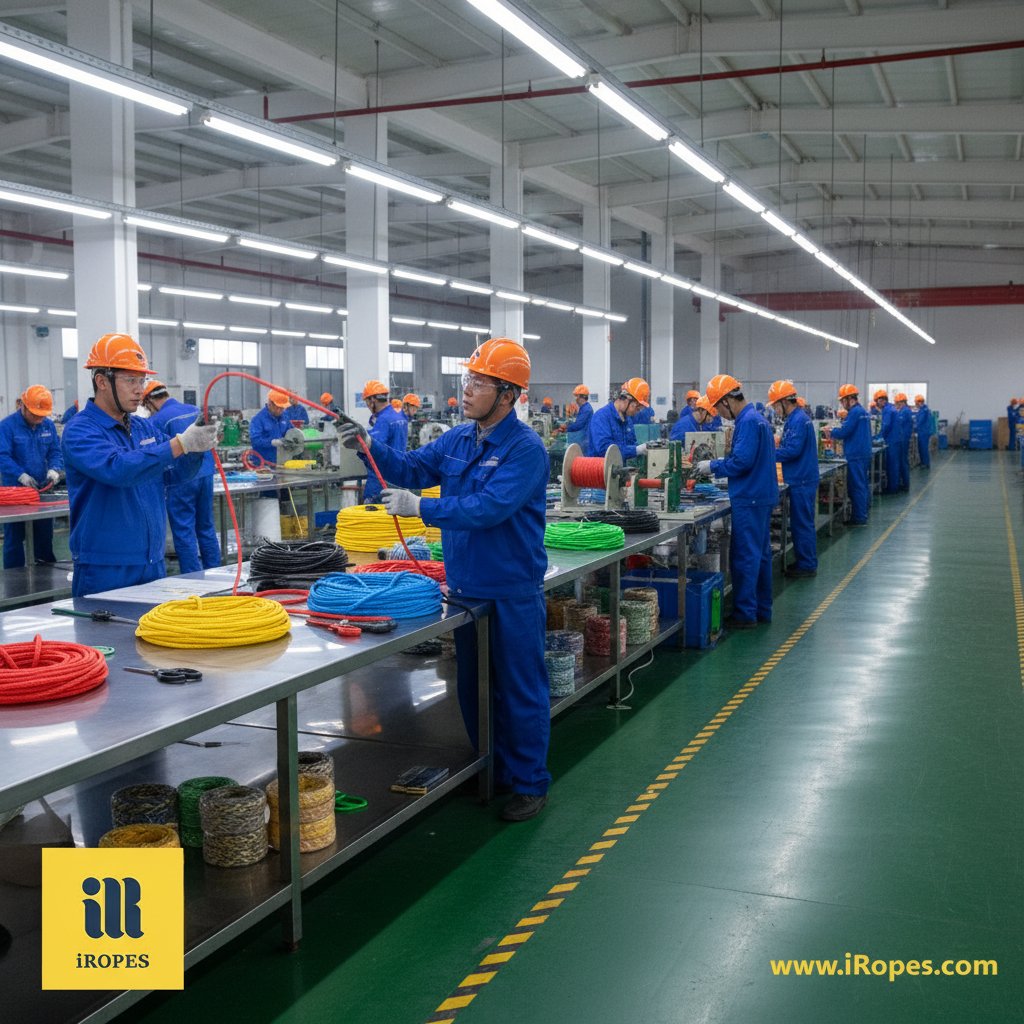
What sets iRopes apart is our blend of expertise and reliability that wholesale buyers count on. Precision manufacturing in our state-of-the-art facilities means every rope meets exact tolerances, backed by ISO 9001 certification for quality you can trust. We safeguard your ideas with full IP protection throughout development, so your unique designs stay yours. And for global reach, we handle direct pallet shipping to your door, whether it's yachting suppliers in Europe or industrial outfits in Australia—timely delivery keeps your projects on track without the hassle.
Take this logistics firm struggling with cargo shifts: our custom strapping rope, with enhanced knot retention and weatherproofing, cut their failure rate by over 40%, saving thousands in damages. Or a tree work crew using our protection ropes with integrated edge guards—these extended gear life by months, reducing downtime and boosting safety during high-risk climbs. Stories like these show how our solutions turn vulnerabilities into strengths.
Precision Builds
Every stitch and twist crafted to your load specifications, ensuring durability in demanding fields.
IP Security
Your innovations protected from concept to shipment, fostering trust in partnerships.
Worldwide Delivery
Efficient global logistics get your custom orders where needed, on time every time.
Industry Fit
Tailored for yachting to defence, meeting diverse needs with certified excellence.
Ready to elevate your rigging? Reach out to our iRopes experts. They'll guide you through personalised options that enhance safety and cut risks, all while fitting your wholesale scale seamlessly. These tailored approaches not only fix immediate issues but build lasting efficiency across your operations.
As we've explored, boom ropes in vang systems and preventer lines often succumb to material fatigue, abrasion, and improper rigging, posing serious risks to safety and gear in marine or industrial settings. By incorporating padding solutions and regular inspections, you can mitigate these vulnerabilities. However, switching to a reliable strapping rope for cargo lashing and bundling offers superior tensile strength and minimal stretch for secure, damage-free transport. For added assurance, protection ropes—whether dynamic for shock absorption in fall scenarios or static for stable anchoring—paired with edge guards and maintenance best practices like ISO 9001 checks, enhance longevity in demanding environments like yachting or tree work.
These insights empower you to prioritise proper rigging techniques and safety in boom management, but tailoring solutions to your specific needs can take protection further. iRopes' custom OEM designs ensure your setup aligns perfectly with operational demands.
Customise Your Rigging Solutions with iRopes Experts
If you're keen to discuss personalised rope options for boom control or equipment securing, use the inquiry form above—our team is ready to provide expert guidance tailored to your wholesale requirements.
