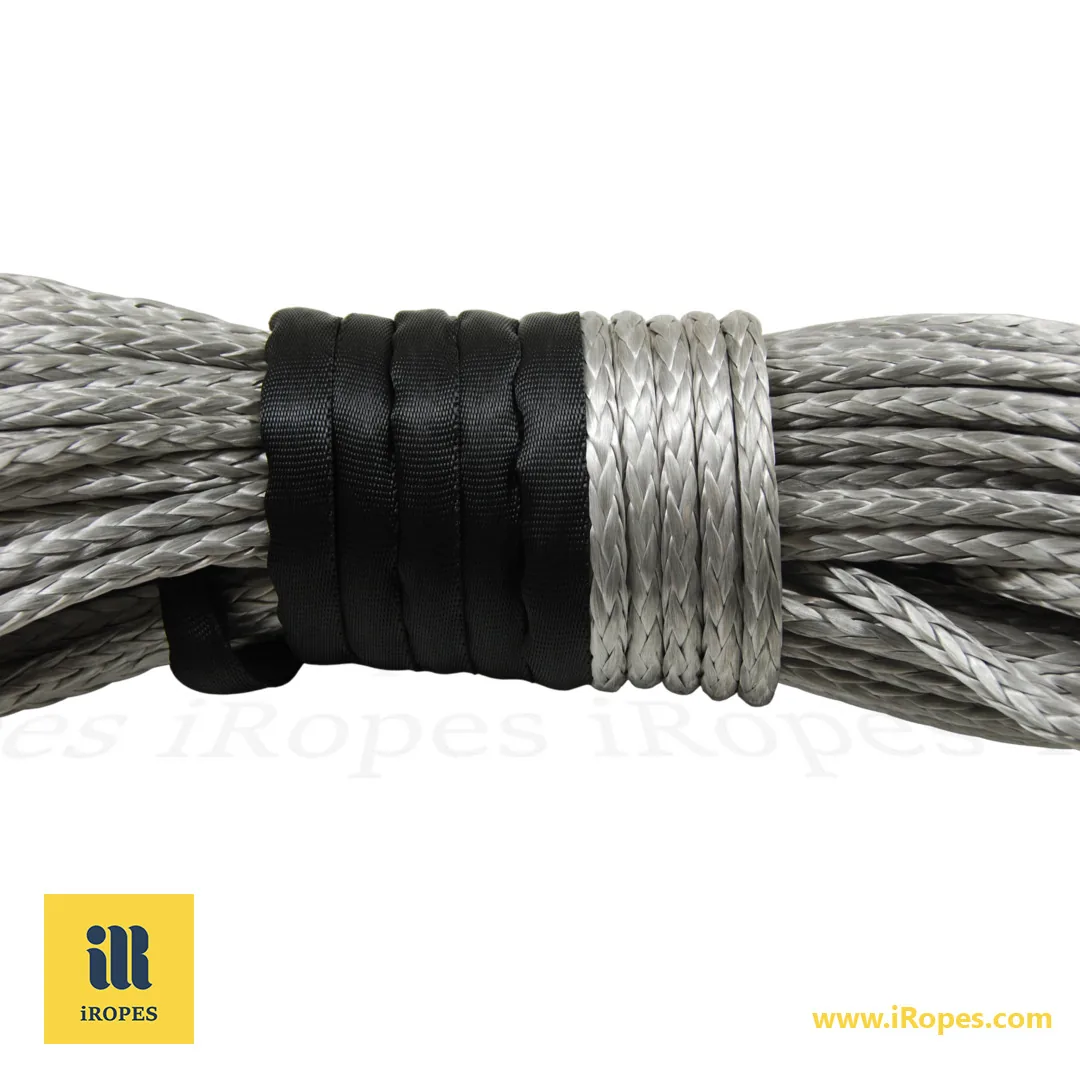
⚠️ Braided nylon rope—a marine favourite with up to 15,200 lbs breaking strength for 5/8-inch diameters—loses 15-25% of its tensile power when exposed to saltwater, risking failure in mooring or yachting. Discover why this happens and how to derate for safety without losing its elastic edge.
Master Rope Strength Secrets in 8 Minutes → Gain Safer Marine Choices
- ✓ Decode tensile strength vs. working load limits, applying 5:1 safety factors to prevent yachting mishaps and save up to 80% on replacement costs.
- ✓ Uncover nylon's 20-30% stretch advantage for shock absorption, while learning to counter its 15-25% wet strength drop in saltwater for reliable spearfishing gear.
- ✓ Compare braided constructions like double braid (9,000 lbs for 1/2-inch) to twisted, optimising flexibility without accelerated saltwater absorption.
- ✓ Apply derating for UV, chafe, and knots—reducing surprises by 50% through inspections and iRopes' custom UV-resistant solutions.
You trust braided nylon for its unbeatable grip on the waves. Yet, saltwater silently erodes that confidence by swelling fibres and slashing strength. Imagine your mooring line giving way mid-storm because of unchecked 20% degradation. What if overlooked derating factors are turning your setup into a gamble? Dive in to reveal the exact metrics, maintenance hacks, and iRopes' tailored fixes that restore reliability. This ensures your next outing remains an adventure, not an accident.
Rope Strength Fundamentals and Terminology
Imagine you're on the water, securing your boat to a dock after a long day. That line holding everything in place? Its reliability hinges on understanding a few key concepts about rope strength. Let’s break them down simply to help you make smarter choices for your next adventure.
First, tensile strength is the maximum load a rope can handle before snapping—think of it as the rope's breaking point under a straight pull. For marine ropes, this is often measured in pounds or kilograms. A typical 1/2-inch nylon line might boast a tensile strength of around 8,400 pounds. However, remember that this is the absolute limit in *ideal* conditions.
The working load limit (WLL), conversely, represents the safe amount of weight you should actually put on the rope day-to-day. It’s typically about one-fifth (20%) of the tensile strength, providing a crucial margin for error. For that same 1/2-inch nylon rope, the WLL could be 1,680 pounds. This is plenty for mooring a small yacht, but you’d never push it to its absolute edge.
Safety factors take this further by accounting for real-life surprises like sudden jerks or wear. In boating, a common safety factor is 5:1, meaning your rope's tensile strength should be five times your expected load. If you're hauling 500 pounds of gear for spearfishing, for example, you’d want a rope with at least 2,500 pounds tensile strength. These factors aren't just numbers; they are critical for keeping you safe when things get rough.
- Tensile Strength – The peak force before failure, tested in controlled pulls.
- Working Load Limit (WLL) – Everyday safe capacity, often 20% of tensile strength for dynamic uses like waves.
- Safety Factor – A multiplier for risks, often 5:1 for marine applications, or higher (e.g., 7:1 for life-critical yachting lines).
How do we measure rope strength? In labs, it's done under perfect conditions: dry ropes are pulled slowly on machines until they break, yielding that clean tensile number. Out on the ocean, however, it’s a different story. Salt spray, constant motion, and UV rays introduce variables that make things much messier. Real-world strength can drop significantly due to these variables, so always derate for safety.
You might wonder: is nylon stronger than rope? Well, nylon isn't separate from rope; it's a top synthetic material used to make incredibly strong ropes. Compared to older natural fibre types like manila, for instance, nylon ropes hold up far better under load. They also offer more elasticity to absorb shocks from choppy seas. This makes nylon a go-to for many marine setups.
This understanding is hugely important for safety in activities like yachting, where a weak line could mean losing control in a storm. It’s equally crucial for spearfishing, where your gear's reliability directly impacts success and safety. At iRopes, we craft these essentials with precision, ensuring your lines meet the stringent demands of the water while keeping risks low.

With these basics established, let's examine why nylon specifically excels yet falters in wet environments, bridging the discussion to material-specific performance.
Nylon Rope Strength Properties and Wet Performance
Building on the core ideas of tensile strength and safety margins, nylon remains a favourite in marine settings for good reason—it’s tough, forgiving, and handles the unexpected well. Have you ever felt the reassuring *give* in a line during a sudden wave? That’s nylon’s elasticity at work! It stretches up to 30% under load without snapping, absorbing shocks far better than most other materials. In dry conditions, a 3/8-inch nylon rope can achieve a tensile strength of about 6,700 pounds, making it ideal for dynamic uses like towing or anchoring where jolting is common.
Beyond its stretch, nylon boasts excellent abrasion resistance. It shrugs off scrapes from docks or rocks that would quickly wear out softer ropes. It also offers solid chemical resistance, holding up against fuels or oils you might encounter on a boat. These traits make nylon rope strength a reliable choice for everyday marine tasks. Yet, things change significantly once water enters the picture.
Nylon Properties
Dry Strength Highlights
High Tensile
Up to 6,700 lbs for 3/8-inch, perfect for heavy pulls.
Elastic Shock Absorption
Stretches 20-30% to handle sudden loads from waves.
Abrasion Resistant
Withstands friction in rough marine environments.
Wet Challenges
Performance Shifts
15-25% Strength Loss
Water absorption weakens fibres, dropping effective load capacity.
Saltwater Impact
Salt crystals accelerate degradation in mooring or dock lines.
Maintenance Need
Regular drying prevents long-term nylon rope strength decline.
When wet, especially in saltwater, nylon absorbs moisture into its fibres. This leads to a significant 15-25% drop in rope strength. This isn’t just a minor dip; for crucial mooring lines on a yacht, it could mean the difference between a secure hold and slippage during a tide change. Moreover, salt crystals left behind after drying further erode the material over time. So, if these ropes are used for spearfishing gear or defense setups, it’s critical to account for this reduced capacity.
Compared to polyester, which retains nearly full strength when wet and offers better UV resistance, nylon trades some wet-weather stability for superior elasticity. Polyester might be the better choice for static loads in sunny conditions, but nylon excels where shock absorption is paramount. When discussing which type of rope is strongest overall, ultra-high-molecular-weight polyethylene (UHMWPE), also known as Dyneema or AmSteel, takes the crown. It’s lighter and tougher than steel by weight, making it ideal for high-stakes rigging. Nylon, however, holds its own for common marine jobs, offering a strong balance of power and forgiveness without the premium cost.
At iRopes, we tailor nylon options to suit demanding defence or industrial applications. This often includes incorporating treatments to bolster wet performance. Imagine customising a line that retains its robustness even after a saltwater soak—our specialists make that a reality, designing solutions to meet your specific needs.

Understanding nylon’s inherent qualities sets the stage for how its construction type influences its overall durability, especially in the braided forms commonly used at sea.
Braided Rope Strength and Construction Variations
Now that we’ve established how nylon brings useful elasticity and abrasion resistance to marine applications, let's examine how a rope’s construction affects its performance. This is especially true for braided designs, which are ubiquitous on the water. The construction isn't just about appearance; it directly impacts how well the rope withstands pressure, distributes weight, and handles environmental forces. Let's explore the world of braided rope, where handling benefits often introduce unique vulnerabilities.
Braided ropes come in several styles, each balancing strength and handling characteristics differently. Take double braid, for example—it features an inner core protected by an outer sheath, creating a rope that is both incredibly strong and supple. This construction shines in marine applications like dock lines, where flexibility and resistance to kinking are essential. For a 1/2-inch double braid nylon, you can expect a tensile strength around 9,000 pounds, scaling up to 18,000 pounds for a 3/4-inch diameter. Then there's the 12-strand plait, a single braid construction that's torque-free and easy to splice. This makes it perfect for yacht halyards or sheets. It offers similar strengths but with superior rotation resistance; a 5/8-inch version might boast a breaking strength of 15,200 pounds. These figures are derived from standard tests on new rope, providing a solid baseline for planning loads, but they are subject to derating factors.
- 1/4 inch braided nylon – 1,700 lbs tensile, great for light rigging.
- 3/8 inch braided nylon – 4,200 lbs tensile, suitable for moderate anchoring.
- 5/8 inch braided nylon – 15,200 lbs tensile, used for heavy mooring duties.
One primary appeal of braiding is its ability to spread load across multiple strands, which enhances flexibility for tasks involving bending around winches or cleats. You can feel the difference when coiling it up—there are no twists fighting back, unlike some twisted ropes. However, a key caveat with nylon is that these interwoven strands create *more pathways* for saltwater to seep in, often quicker than in simpler twisted constructions where fibres are packed more tightly. Twisted ropes might inherently slow absorption, preserving dry-like performance longer, but they can suffer from rotation under load, which isn't ideal for propulsion systems or sails. In practice, if you're rigging for spearfishing dives, a braided nylon line offers excellent handling, but regular rinsing is essential to counteract accelerated degradation.
Just how strong is braided nylon rope? It varies significantly by size, but for everyday marine use, it's robust enough for loads up to several tonnes when correctly sized. For example, a 5/8-inch dock line might have a 15,200-pound breaking point. Remember, always factor in a safety margin, as discussed earlier, to ensure genuine reliability.

At iRopes, our double braid yacht rope solutions allow for customisation of these braided setups for tougher environments. This includes custom 12-strand options for tree work, where branches might chafe, or for camping gear facing mud and rain. We engineer them to better resist these specific stresses, ensuring the braided rope strength remains robust where standard options might not, offering truly personalised rope solutions.
While construction provides a foundational strength, real-world saltwater exposure highlights why braided nylon rope strength truly crumbles over time, leading us to critical derating factors.
Why Braided Nylon Rope Strength Crumbles in Saltwater: Derating Factors
So, you’ve got a clear understanding of how braided constructions give nylon its handy flexibility. Now, consider this: your line has been in the ocean's brine for months, and suddenly, it's not performing as strongly as it should. This is derating in action—the cumulative real-world impacts that chip away at braided nylon rope strength over time. These aren't just abstract concerns; they represent factors that can turn a seemingly solid setup into a potential hazard on the water.
Start with the environment itself. Saltwater doesn't merely wet the rope; it permeates the nylon fibres, causing them to swell. This creates microscopic weaknesses that noticeably reduce load capacity after repeated exposure. Add consistent UV rays from direct sunlight, and these rays actively break down the polymers in the nylon, leading to brittleness. This can slash strength by up to 20% annually if left unchecked. Then there's chafe—the insidious rub from cleats or rough hulls—which frays the outer braid more rapidly in wet conditions, exposing the core to even quicker damage. Having rigged boats for coastal trips for years, I've seen a seemingly tough line lose half its strength after one season due to these culprits. It's a slow degradation, but it significantly compromises safety and reliability, especially for continuous uses like anchoring.
Saltwater Soak
Swells fibres, reducing capacity by 10-20% per cycle without thorough drying.
UV Breakdown
Breaks polymers, causing 15-20% annual strength loss in sunny marine environments.
Chafe Wear
Frays braids, accelerating core exposure and up to a 30% localised strength drop.
Temp Swings
Hot conditions soften fibres by 5-10%; cold stiffens them, increasing risk of snaps.
However, environmental factors aren’t the only culprits. Knots can halve your rope’s effective power; a bowline might leave you with 70% of its original tensile strength, while a clumsy figure-eight could reduce it to just 50%, depending on how tightly it's cinched. Age also plays a role, with fibres fatiguing after 1-2 years of heavy use. Temperature extremes further amplify this: heat above 80°C starts to soften nylon, while freezing conditions make it brittle. For marine users, how strong is braided nylon rope under these conditions? While it depends on size, a 3/8-inch line might drop from 4,200 pounds dry to around 2,800 pounds of safe working capacity under continuous salt stress after derating. Always visually inspect for fuzzing, discolouration, or stiff spots.
To prevent this nylon rope strength from fading quickly, hands-on maintenance is crucial, including essential tips for choosing and maintaining boat anchor ropes. Rinse off salt after every outing, store it dry and loosely coiled, and inspect it monthly for cuts or stiff points. Splicing, where feasible, preserves more strength than knots, and rotating lines prevents any single section from being overworked. These proactive steps can extend a rope’s life by years, keeping your yacht or spearfishing rig secure and reliable.
- Rinse thoroughly post-use to flush out salt crystals.
- Dry fully in shade to avoid UV while airing out.
- Inspect for wear: feel for softness or look for frays.
- Use protective covers on high-chafe areas like rails.
At iRopes, we tackle these issues head-on with custom tweaks, such as adding UV blockers or chafe-resistant coatings to braided nylon for yachting hauls or off-road water crossings. Our IP-protected designs ensure your specific requirements remain secure, crafting solutions that hold firm longer in tough saltwater environments. iRopes is dedicated to providing custom design solutions that align with customer branding and specific needs.

Grasping these derating factors empowers you to select and care for lines that truly deliver, transforming potential pitfalls into confident outings on the water.
Armed with insights into tensile strength basics, nylon’s elastic prowess, and how braided constructions enhance flexibility yet accelerate saltwater absorption, you’re now better equipped to select ropes that withstand marine rigours. We’ve explored how nylon rope strength dips 15-25% when wet, and how braided rope strength further crumbles from UV, chafe, and knots. This necessitates crucial derating for safe working loads in yachting or spearfishing. By diligently rinsing, regularly inspecting, and consistently applying appropriate safety factors, you can preserve overall rope strength and prevent disasters on the water.
These derating factors underscore the importance of informed choices, turning potential vulnerabilities into reliable performance. For tailored braided nylon options that precisely resist saltwater degradation, iRopes’ comprehensive OEM services ensure your yachting needs are met with ISO 9001-certified quality and global shipping expertise.
Need Personalised Marine Rope Advice?
If you're ready to explore custom solutions for your specific saltwater challenges, use the inquiry form above to connect with our specialists at iRopes. We'll help refine your rope selections for optimal safety and durability.