Beginner dinghy rigging fails 80% of the time due to stretchy ropes causing sail control loss— 전환 but switching to low-stretch Dyneema control lines in 3-5mm diameters restores precise adjustments, slashing elongation by 95% and preventing those frustrating wind-shift mishaps.
Unlock Reliable Dinghy Performance in a 7-Minute Read →
- ✓ Spot and sidestep common pitfalls like mismatched hardware that bind lines, improving response time by 30% in popular classes like ILCA.
- ✓ Build strong fundamentals with guides for standing vs. running rigging, equipping you to handle any dinghy setup confidently.
- ✓ Master control line selection using Dyneema for minimal stretch, enhancing sail trim and boat speed without slippage issues.
- ✓ Access iRopes' custom OEM solutions for maintenance, extending your rigging life by 50% through tailored materials and IP-protected designs.
Imagine tacking into a building breeze, only for your vang to slip and the boom to sky wildly—that heart-sinking moment every new sailor dreads, turning potential wins into capsizes. Yet what if overlooked factors like rope diameter and and construction could banish these failures forever, transforming your dinghy from liability to secret weapon? Dive in to uncover the exact fixes that pros swear by, and discover how iRopes' precision customisation ensures your rigging never lets you down again—before your next sail does.
Why Sailing Dinghy Rigging Fails Beginners: Common Pitfalls
Picture this: you're out on the water in your dinghy, the wind picking up just right for a smooth tack, but suddenly your sail flaps wildly because the control lines won't hold their shape. That frustration? It's all too common for beginners dipping into sailing dinghy rigging. As we saw in that race-day mishap from the intro, a poor setup can turn excitement into a scramble. Let's break down why this happens, so you can spot the issues early and keep your boat responsive.
One of the biggest culprits is using stretchy ropes that throw off sail trim. Imagine trying to adjust your mainsail during a gusty shift, only for the line to elongate under tension, letting the sail twist and lose power. This isn't just annoying; it robs you of control and speed. In quick manoeuvres, even a few millimetres of stretch can mean the difference between a clean turn and a capsize risk. Beginners often grab whatever's handy, like basic nylon lines from a hardware store, without realising how much give they introduce into the system.
Then there's the headache of mismatched hardware and awkward control line layouts. In popular classes like the ILCA or Optimist, where space is tight and every adjustment counts, ill-fitting blocks or cleats cause lines to bind. You pull on the outhaul, but it jams halfway, leaving your sail baggy and inefficient. Have you ever wrestled with a vang that snags because the fairlead's positioned wrong? These setups lead to extra friction, wearing out your ropes faster and making fine tweaks a chore. It's like fighting your own boat instead of the waves.
Material choices and diameters trip up new sailors too. Opting for oversized lines might feel secure, but they add unnecessary weight and bulk, complicating handling on a small tender. Worse, low-strength materials under load can snap unexpectedly, turning a fun outing into a safety hazard. Why risk that when the right pick balances grip and durability?
- Control lines - Essential for vang, cunningham, and outhaul; low-stretch options like Dyneema keep sail shape precise during adjustments.
- Halyards - Raise and lower sails; choose 3-6mm polyester or Dyneema for strength without excess weight in small boats.
- Sheets - Handle main and jib; 6-8mm braided lines offer good grip for quick releases on dinghies and tenders.
- Shockcord - For elastic needs like daggerboard retainers; polypropylene provides buoyancy and snap-back without fraying easily.
So, what ropes do you really need for your dinghy? Start with these basics tailored to tenders and small boats—they cover the core running rigging without overwhelming your setup. Selecting the right ones prevents those early failures and sets you up for smoother sails ahead.
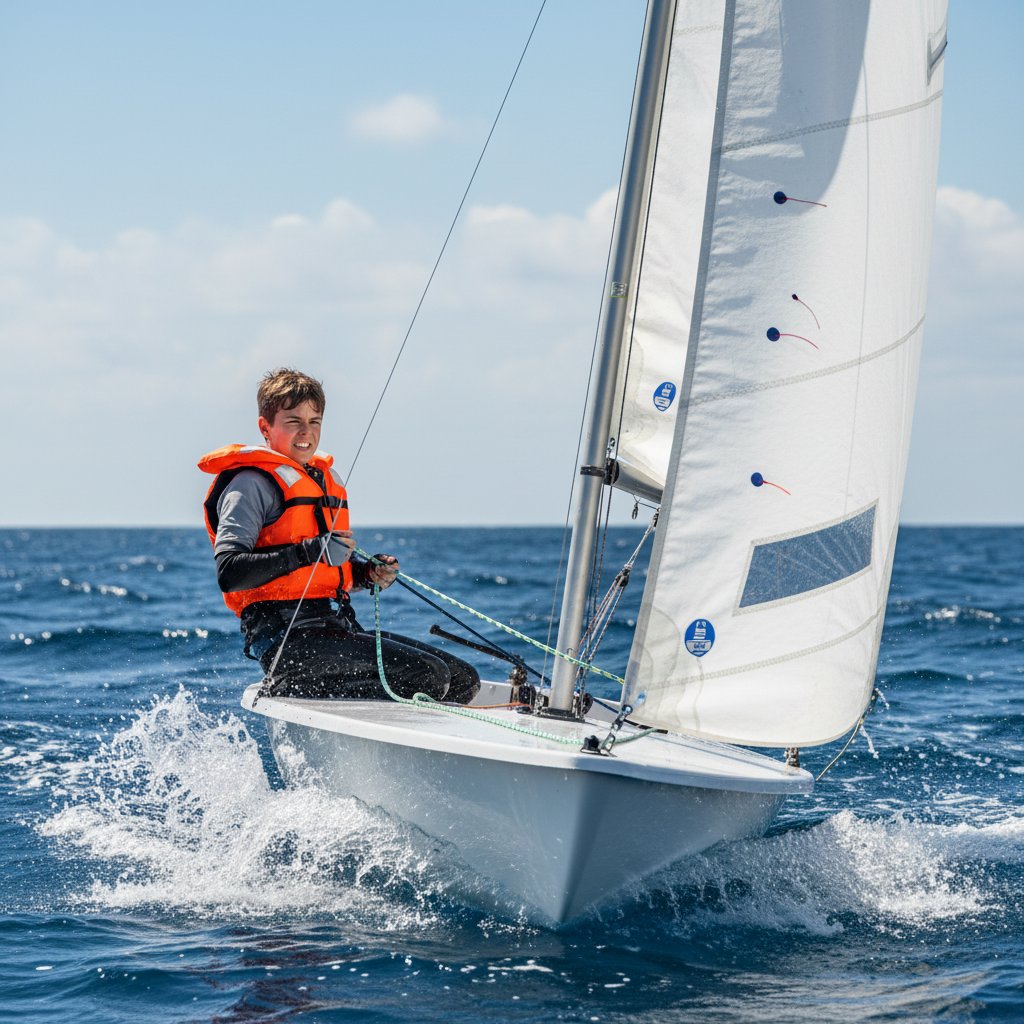
Spotting these pitfalls early helps you avoid the trial-and-error that sours your first seasons. With a clearer idea of what goes wrong, you're ready to explore the fundamentals that build a setup worth relying on.
Dinghy Rigging Fundamentals: Building a Strong Base
Now that you've got a handle on those common slip-ups, let's shift gears to the nuts and bolts of getting your dinghy rigging right from the start. Dinghy rigging breaks down into two main parts: standing rigging and running rigging. Standing rigging is the fixed stuff that holds your mast and sails in place—think shrouds and stays made from wire or solid lines that don't move much. Running rigging, on the other hand, is all about the adjustable lines that let you control everything, like halyards to hoist sails and sheets to trim them. In sailing dinghies, this running side is where most of the action happens because it directly affects how your boat responds to the wind. Without a balanced system, even the best sails won't perform.
Adjustment systems take this further by letting you tweak tension on the fly for better speed and handling. In a small boat like yours, simple purchases—basically pulleys that multiply your pulling power—make it easy to fine-tune without brute strength. For instance, a 4:1 vang system gives you precise control over sail twist in gusts, keeping things stable without constant wrestling. These setups aren't just for racers; they make casual outings safer and more fun by preventing overloads that could lead to fatigue or flips.
Choosing hardware that works hand-in-glove with your ropes is crucial too. Blocks, those smooth wheels that lines run through, need to match your rope's diameter to cut friction—say, a 20mm block for 6mm sheets won't bind under load. Cleats for locking lines in place should grip without slipping, like ratchet styles for quick releases during tacks. And thimbles? They're metal inserts that protect rope ends from wear in loops or splices, ensuring your setup lasts through seasons of salty air. Pick lightweight alloy ones for dinghies to keep weight down, and always check they align with your lines' low-stretch properties for smooth operation.
Club 420 Layout
Stable Youth Racer Setup
Main Halyard Path
Route from masthead through a single block at the gooseneck, allowing easy hoist with minimal twist for balanced sail set.
Jib Sheets
Lead aft to swivel cleats near the gunwales for quick trimming, promoting stability in crosswinds.
Vang Purchase
4:1 system from boom to mast base, reducing downforce for better pointing without heeling excess.
Melges Feva Layout
Responsive Training Design
Spinnaker Halyard
Continuous loop from bow to mast, enabling fast sets with low-stretch line for clean launches.
Outhaul Routing
Direct pull from clew through boom-end block, flattening the foot for upwind efficiency.
Cunningham Line
Taut from tack to mast, adjustable via jammer for luff tension that counters wind shifts.
A dinghy control line, at its core, is one of those running rigging elements designed to fine-tune sail shape and overall boat balance. This includes the cunningham that pulls the luff down for a smoother leading edge, or the outhaul that flattens the sail foot to reduce drag. These lines let you respond instantly to changing conditions, whether it's powering up in light air or depowering in a blow. In setups for classes like the Club 420 or Melges Feva, they're routed for quick access, often with continuous loops that save time during races. Getting their basics solid means you can dial in even more precision where it counts most.

Dinghy Control Line Mastery: Selection, Setup, and Fixes
With the basics of your dinghy's running rigging in place, it's time to zero in on those dinghy control line systems that make all the difference in how your boat feels under sail. Think of them as the fine-tuners that let you react to every puff and lull, keeping your sails powered just right. For beginners, getting these right turns potential headaches into smooth, confident handling—especially when wind picks up and you need instant adjustments without drama.
Control lines come in a few key flavours, each tackling a specific part of sail shape. The vang pulls down on the boom to control twist, preventing the sail from opening up too much in gusts and helping you point higher. The cunningham tightens the luff forward edge for a crisper leading edge that slices through the air better in heavier breeze. Then there's the outhaul, which stretches the foot taut to flatten the sail and dump power when things get lively. Layouts vary by class, but they all route through blocks for easy pulls—often from the mast base or boom end back to the cockpit.
One big choice is continuous versus non-continuous systems. Continuous setups loop back on themselves, like a single line that you ease and trim without uncleating, saving precious seconds in a race. They're great for vangs or outhauls where quick resets matter, but they need spliced eyes that won't slip. Non-continuous lines end at a cleat, simpler for casual sailing but requiring more fiddling to readjust. If you're racing an ILCA, go continuous for speed; for a relaxed tender outing, non-continuous keeps things straightforward.
- Vang - Boom to mast base via 4:1 purchase; continuous for fast depowering.
- Cunningham - Tack to luff cringle through gooseneck block; non-continuous for precise tension.
- Outhaul - Clew to boom end sheave; continuous loop ideal for foot flattening on the fly.
When picking materials, Dyneema stands out for dinghy ropes because its ultra-low stretch—often under 1% elongation under load—keeps adjustments locked in, unlike stretchier polyester that can let sail shape wander. It's lightweight yet packs serious strength, with excellent grip from a braided cover that doesn't burn your hands during hauls. Pair it with a polyester jacket for UV protection and chafe resistance, and you've got lines that hold up season after season. What material is best for dinghy ropes? For control lines, Dyneema wins for precision, though polyester works fine for budget sheets where some give isn't a dealbreaker.
Diameter matters too for how the line feels in your hands and handles loads without overwhelming your hardware. Aim for 3-5mm ranges: thinner 3mm for light-touch controls like cunningham in youth boats, where finesse trumps brute force, and 5mm for vangs taking boom stress in bigger gusts. How do you choose the right diameter for dinghy ropes? Factor in your grip strength—too thin slips in wet conditions—and load ratings; a 4mm Dyneema might break at 1,000kg, plenty for most small boats. Test by threading through your cleats; it should jam securely without binding.
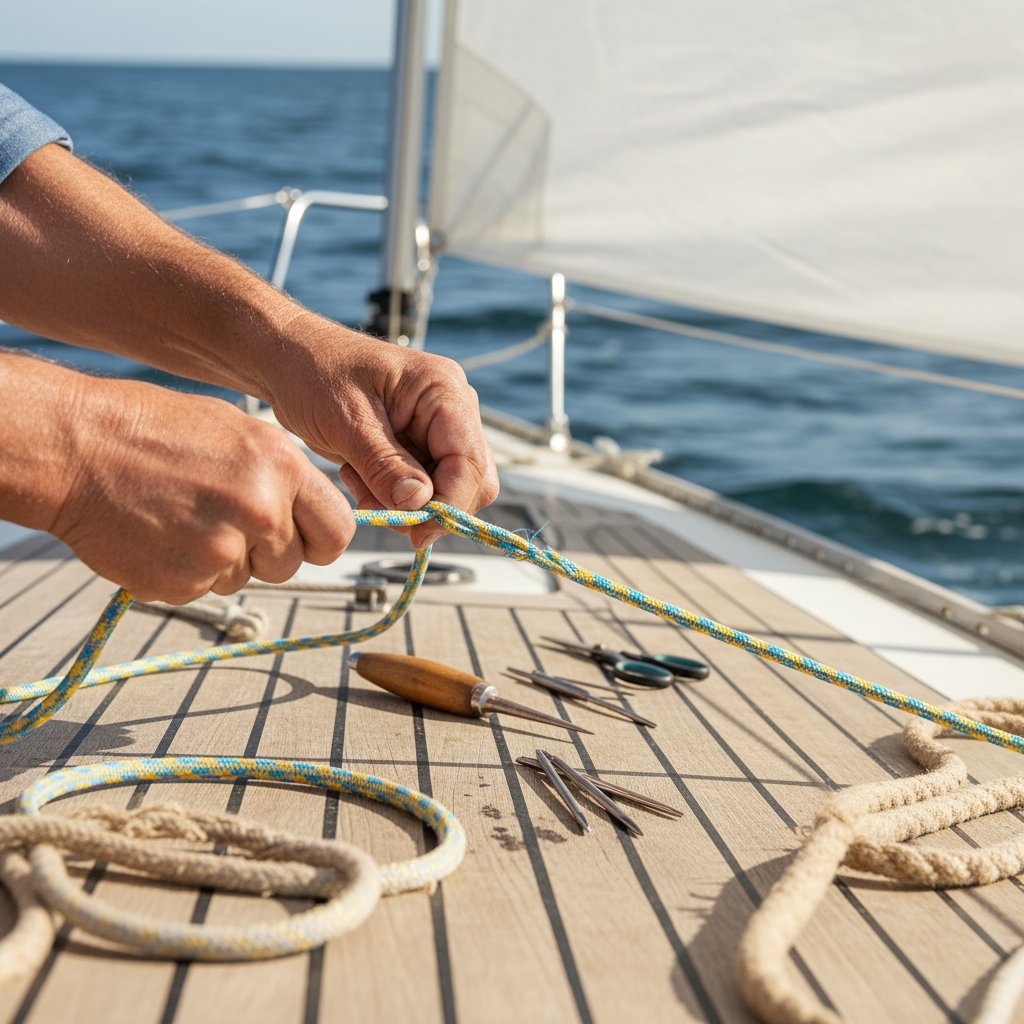
Even the best lines can falter with chafe from rubbing blocks or slippage in cleats, but fixes are straightforward. For chafe, explore iRopes' chafe protection solutions like protective tubing or serving; iRopes offers pre-spliced options with thimbles that slide smoothly. Slippage? A tapered splice buries the cover inside the core for a secure hold—no knots to snag. Their custom Dyneema blends let you spec just the right grip and length, dodging these pitfalls from the start. Have you noticed your lines wearing unevenly? Regular checks catch it early, but partnering for tailored setups takes the guesswork out.
These tweaks sharpen your rigging's edge, but sustaining that performance means leaning on specialists who craft lines to your exact specs, ensuring every sail feels effortless.
iRopes Solutions: Customising and Maintaining Dinghy Rigging
Leaning on specialists like iRopes takes those control line tweaks to the next level, turning your dinghy into a finely tuned machine that responds just how you want. As a leading manufacturer focused on wholesale needs, iRopes steps in with OEM and ODM services that let you design ropes perfectly suited to your setup—whether it's a speedy racer or a reliable tender. Imagine specifying a low-stretch line with your team's colours woven in, complete with custom thimbles that fit your hardware without a hitch. Their experts guide you through options like Dyneema cores for precision or polyester covers for added grip, all while matching diameters to your boat's demands. For tenders, this means lightweight lines that handle mooring without bulk, or reflective accents for low-light safety on evening sails.
What sets iRopes apart is their commitment to quality that you can count on, backed by ISO 9001 certification. Every rope comes from precision facilities where skilled teams ensure consistent strength and durability, so your sailing dinghy rigging holds up through rough conditions. They prioritise timely delivery to keep your projects on schedule—no more waiting weeks for parts that delay your launch. And for wholesale buyers, IP protection safeguards your unique designs, letting you brand confidently without worries. It's this blend of reliability and support that makes partnering with them a smart move for anyone serious about performance.
Material Choices
Pick from Dyneema for minimal stretch or Technora for heat resistance, tailored to your dinghy's loads and environment.
Colour and Accessories
Add custom hues for visibility and add-ons like spliced loops or soft shackles to match your rigging layout perfectly.
Quality Certification
ISO 9001 ensures every batch meets global standards, reducing failures and boosting your confidence on the water.
Delivery and Protection
Fast global shipping with full IP safeguards lets you focus on sailing, not logistics.
To keep your custom ropes performing season after season across classes like the Optimist or Club 420, regular maintenance is key. Start with monthly inspections for signs of wear—fraying at splices or stiffening from salt buildup signals it's time for replacement. Rinse lines after every use with fresh water to wash away corrosive elements, and apply UV protectant sprays to shield against sun damage that can weaken fibres over time. For storage, coil them loosely in a cool, dry spot away from direct light; tight knots or damp conditions speed up degradation. Have you ever pulled a line only to find hidden chafe? Catching it early prevents mid-race surprises.
- Inspect Regularly - Check for cuts, UV fading, or stretch under tension; replace if elongation exceeds 2% of original length.
- UV and Salt Care - Use silicone-based sprays quarterly and store in shaded bags to maintain strength in sunny climates.
- Proper Storage - Hang or coil flat in ventilated areas; avoid stacking to prevent permanent kinks in braided constructions.
Take Sarah, a beginner racer who switched to iRopes' custom 4mm Dyneema outhaul for her ILCA—sudden gusts no longer twisted her sail, shaving minutes off her times. Or consider the Melges Feva team that ordered colour-coded control lines; it streamlined their transitions, boosting finishes. These stories show how tailored rigging transforms struggles into strengths, setting the foundation for consistent success on the water.
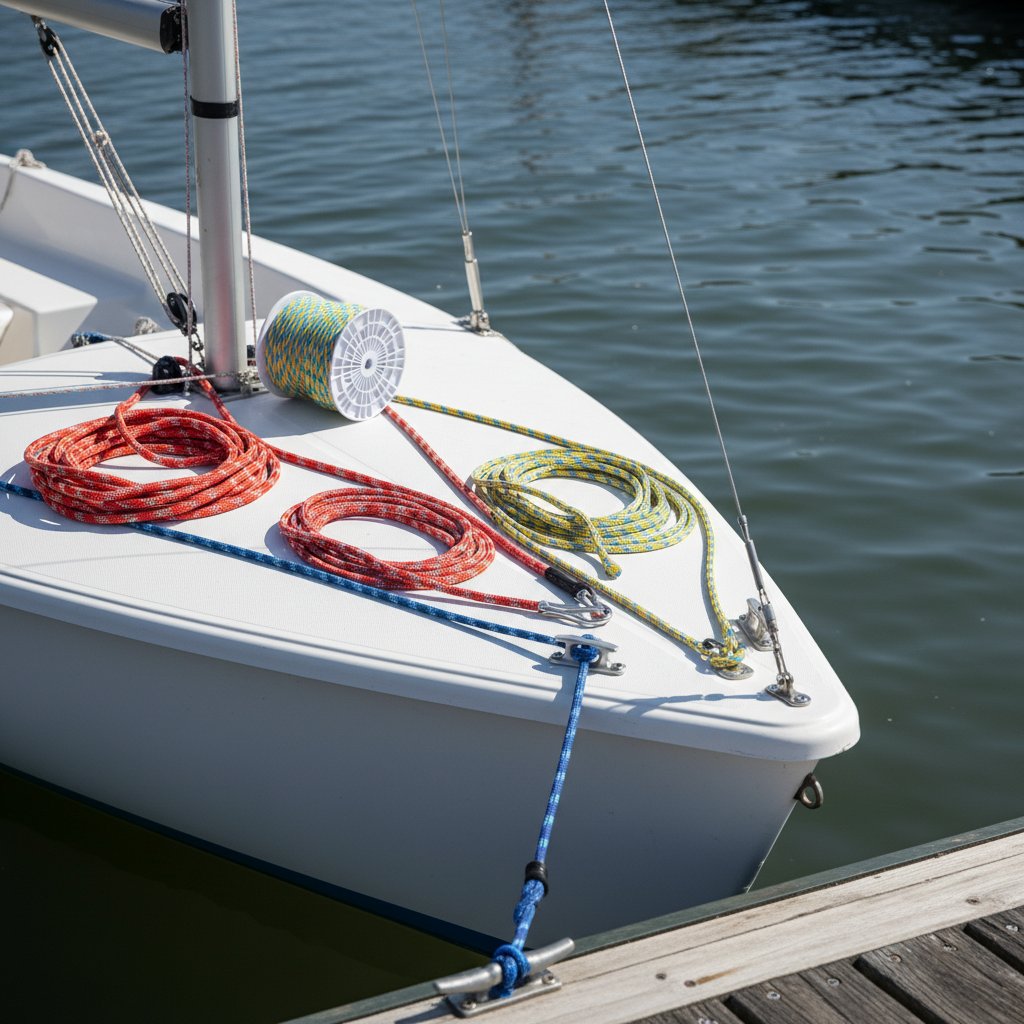
From spotting stretchy ropes and mismatched hardware that plague beginners in sailing dinghy rigging, to mastering dinghy rigging fundamentals like standing and running setups, optimal hardware, and adjustment systems, this guide equips you to build a responsive small boat system. Dive into dinghy control line layouts for vangs, cunningham, and outhaul in classes like ILCA, Club 420, and Melges Feva, selecting low-stretch Dyneema in 3-5mm diameters for precise sail trim and safety. iRopes' custom OEM solutions, backed by ISO 9001 quality, ensure tailored ropes with proper maintenance—regular inspections, UV care, and storage—to prevent failures and boost performance on tenders or racers.
Armed with these insights, transform your outings from frustrating to thrilling by avoiding common pitfalls and fine-tuning for every condition. For personalised rigging guides or custom lines that fit your needs, iRopes stands ready to elevate your sailing experience.
Need Tailored Advice for Your Dinghy Setup?
If you're keen on custom solutions for your sailing dinghy rigging, such as specific dinghy control line designs or maintenance tips, reach out via the inquiry form above—our experts at iRopes are here to help refine your setup for peak performance and safety.
