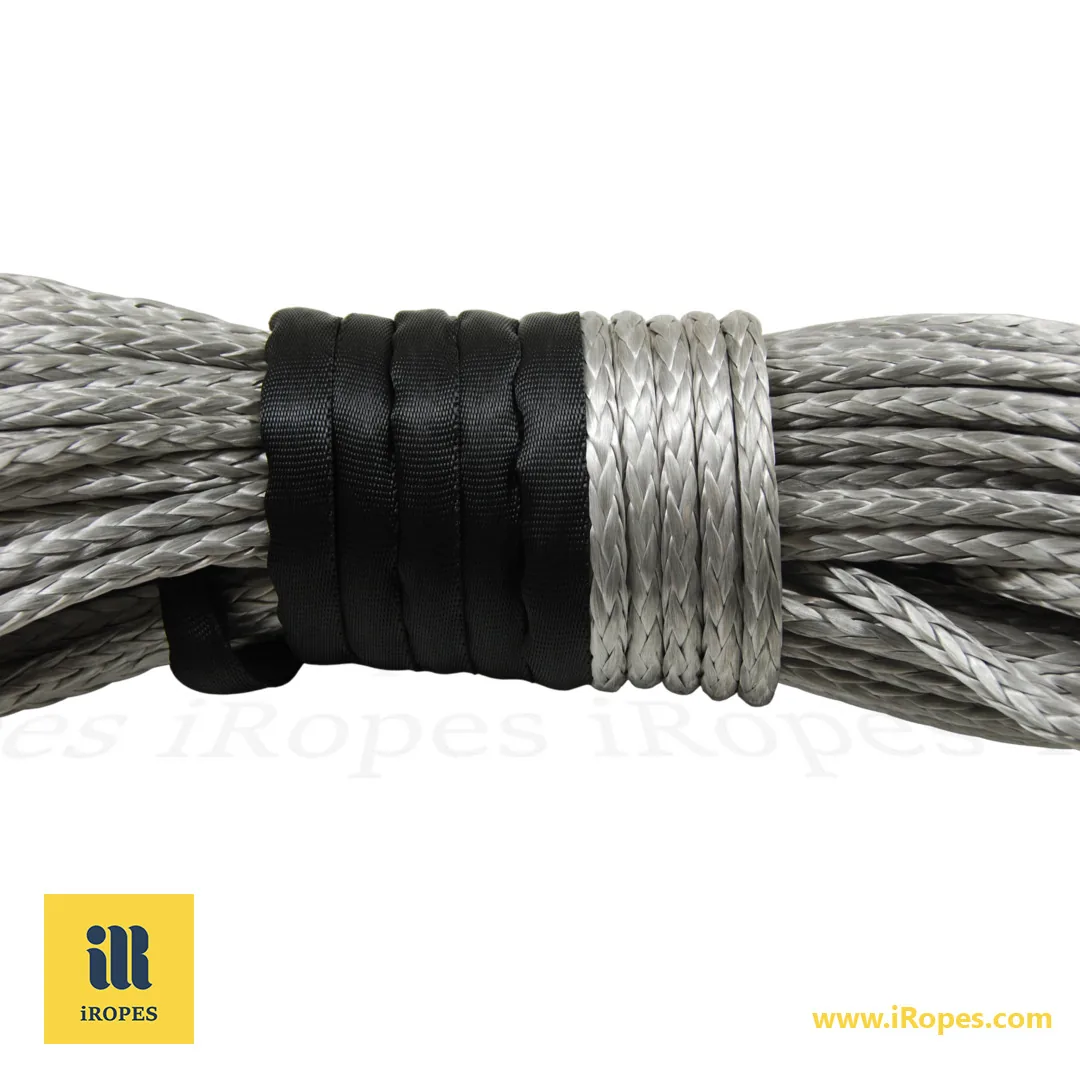
⚠️ Marine pipe lifting slings often fail due to saltwater abrasion and overloads, risking significant damage and crew injuries. However, custom designs from **iRopes** dramatically reduce these risks by engineering precise cradles and durable UHMWPE materials for harsh offshore conditions.
In 8 minutes, uncover failure triggers and gain tools to secure your marine lifts without compromise
- ✓ Pinpoint abrasion and instability causes, preventing costly load shifts during **offshore pipe laying**.
- ✓ Master **OSHA-compliant inspections** for cylinder slings, ensuring WLL adherence, even in rough seas.
- ✓ Discover iRopes' tailored UHMWPE cradles that boost durability against UV and chemicals, solving **gas handling hazards**.
- ✓ Acquire step-by-step avoidance strategies, transforming risky routines into safe, efficient operations worldwide.
You might believe your standard slings can handle salty swells—until a rogue wave turns a routine lift into a nightmare of snapped fibres and tumbling pipes. What if overlooked design flaws, such as shallow cradles or missing neck loops, amplify every swell's threat tenfold? Discover how **iRopes'** OEM innovations—featuring reflective grips and certified compliance—transform vulnerability into unshakeable reliability, safeguarding your crew and cargo before the next storm hits.
Common Reasons Pipe Lifting Slings Fail in Marine Settings
Imagine being on an offshore rig with waves crashing against the platform when a pipe suddenly slips from its sling, plunging into the sea or, worse, smashing into equipment below. This dramatic failure isn't just a story; it's a very real risk in marine operations where specialised **pipe lifting slings** face relentless challenges. Building on the safety stakes we just discussed, let's explore why these slings sometimes fail, especially in saltwater-drenched environments like oil and gas platforms or shipyards.
One primary culprit is inadequate material selection. Saltwater is incredibly harsh—not only is it corrosive, but it also abrades everything in its path. If a sling uses basic nylon or polyester without proper coatings, it frays quickly from constant exposure and rubbing against rough pipe surfaces. This gradual weakening of fibres transforms a reliable tool into a liability. Crews often replace slings after only a few months because the saltwater erodes the outer layers, leaving them brittle and prone to tearing during heavy lifts.
Then there's the issue of improper cradle designs. These slings often feature cradles designed to hug the pipe's curve. However, if these cradles are too shallow or rigid, the load can shift unpredictably, particularly during **offshore pipe laying** when swells rock the vessel. A poorly designed cradle may not distribute weight evenly, causing the pipe to sway and twist mid-air. Picture attempting to balance a log on a wobbly shelf—that’s your pipe in rough seas, continually threatening to derail the entire operation.
- Abrasion from saltwater: Constant exposure without UV or chemical resistance leads to rapid wear and tear.
- Instability in cradles: Shallow designs allow loads to shift, amplifying motion in dynamic marine environments.
**Overloading beyond the Working Load Limit (WLL)** takes failures to another perilous level. Every sling carries a tagged WLL—for example, 1,000 pounds for a vertical lift. Yet, in choppy waters, crews sometimes exceed this limit, ignoring how waves add substantial dynamic forces. The consequence? A spectacular snap, with fibres bursting under immense strain. The WLL is not arbitrary; it's precisely calculated for safe angles and hitches, such as choke or basket, to prevent such catastrophic events. Exceeding it in rough conditions is not only risky but a direct cause of spectacular failures, which is why inspections are mandated before each use.
Finally, without robust orientation control features, pipes can easily roll out of the sling. In marine settings, where rotation is a constant threat, lacking grippy linings or adjustable straps means the load can spin, colliding with cranes or decks. This uncontrolled movement can damage both the pipe and the rigging below, creating hazardous conditions and costly repairs.

These failures often result from overlooking the unique demands placed on cylindrical loads in harsh marine environments. Similar vulnerabilities also affect other cylindrical objects, leading us to examine general **cylinder sling** issues next.
Why Cylinder Slings Experience Catastrophic Breakdowns
Moving from the challenges of lifting pipes, **cylinder slings** face their own particularly demanding circumstances, especially when handling industrial drums or compressed gas tanks aboard a moving vessel. While these tools are designed to securely cradle cylindrical loads, their failure can have severe consequences—literally explosive, if gases are involved. In marine environments, where humidity and saltwater spray add considerable stress, a seemingly straightforward cylinder sling can, through design flaws, turn a routine lift into a harrowing ordeal. Let's explore why these breakdowns occur during critical operations.
A primary issue is insufficient adjustability. Cylinders vary significantly in size, from narrow oxygen bottles to bulky propane tanks, and a one-size-fits-all sling simply cannot cope with the strain. During **gas handling** operations, for instance, on a supply vessel pitching through swells, any slippage means the load tilts, cylinders rub against edges, and they may eventually tumble free. Proper slings require features like expandable webbing or quick-release buckles to tightly secure various diameters, preventing those alarming drops.
Safety features are equally crucial, and the absence of critical components like neck loops can lead to disaster. These loops secure the top of a cylinder, preventing it from tipping or ejecting mid-lift. Without them, especially when dealing with hazardous pressurised contents, a fall could result in leaks or even worse outcomes. Crews depend on these detailed safety elements to maintain stability, and neglecting them invites catastrophe.
- Synthetic web slings: Flexible and lightweight, but without regular checks for cuts or UV fading, they can tear under load in sunny marine conditions.
- Round slings: These endless loops are ideal for even pressure, yet if not maintained against chemical exposure, their internal cores can weaken, leading to sudden snaps.
- Chain slings: Durable for heavy hauls, but prone to kinking and causing surface damage on cylinders if links are not regularly inspected for wear.
Degradation also severely impacts synthetic materials, particularly under relentless UV radiation and intermittent chemical splashes in salty air. While polyester or nylon initially offer strong resistance and non-marring properties, prolonged exposure can break down fibres, rendering the sling brittle. In coastal industrial settings, unchecked UV exposure can halve a sling's functional life, transforming it from a safety device into a serious hazard. When considering the three types of slings—synthetic web, round, and chain—synthetics excel for delicate work but demand vigilant maintenance to prevent common failures.
These breakdowns significantly amplify risks in **gas handling**, where even a minor error can escalate rapidly into a dangerous situation.

Spectacular Failures of Gas Cylinder Lifting Slings and How to Avoid Them
The amplified risks in **gas handling** mentioned earlier become even more critical with **gas cylinder lifting slings**, where a single misstep can trigger leaks, fires, or explosions, imperiling entire crews. Consider a busy shipyard at dusk: a pressurised oxygen tank sways precariously from a makeshift rig, then drops, its valve shearing off upon impact. These scenarios are not uncommon; they represent the consequences when routine practices disregard the volatile nature of compressed gases. In marine operations, where humidity and constant motion add layers of complexity, understanding these spectacular failures begins with mastering fundamental lifting techniques.
So, how should gas cylinders be lifted? The crucial answer involves using dedicated slings that cradle the cylinder body securely, keeping it upright with its valve protected. Never hoist cylinders by their caps or guards—this is a direct route to disaster, as a sudden jolt can crack seals and release contents under extreme pressure. Magnetic slings are also unsuitable, as they do not provide even grip and can slip on non-ferrous tanks, leading to uncontrolled drops and potential explosions if flammables like acetylene encounter sparks. Instead, opt for webbing that securely wraps the midsection, distributing weight evenly without stressing fragile points. Proper methods ensure stability, transforming a potentially tense task into a routine, safe operation.

Deficient cradle designs exacerbate these issues, particularly when they lack protective linings like leather. Bare nylon or polyester webbing can rub against the cylinder's surface during transport, marring its finish and creating instability that worsens in rough seas. This can cause the tank to shift or tilt awkwardly, straining the sling until it eventually fails. An effective cradle design incorporates a soft barrier to cushion contact, maintaining a secure grip without causing damage—much like a custom-fitted glove protecting its contents.
Furthermore, non-compliance with OSHA regulations frequently stems from missing WLL markings. Without clear tags indicating the safe load—for example, 1,000 pounds for a basket hitch—operators are forced to guess, often leading to overloads that can snap slings in seconds. OSHA mandates these precise details to ensure accountability and prevent severe accidents. Learn more about why sling capacity formulas fail at sea and how to fix them to avoid these pitfalls in marine environments.
What is the OSHA regulation for slings? Under 1910.184, OSHA requires that all slings feature permanently affixed, legible identification detailing the recommended safe working load for various hitches—vertical, choke, or basket—along with information on core yarns and repair details if applicable. Employers **must ensure pre-use inspections** for any cuts, frays, or distortions, and immediately remove damaged slings from service. Hitch types are critically important: a choke hitch, for instance, can reduce capacity by up to 50% if angles are too tight, while vertical lifts preserve full strength. Adhering to these regulations prevents overload accidents by enforcing routine checks and proper rigging, thereby keeping operations compliant and crews safe.
Quick OSHA Compliance Tip
Always verify WLL markings match your hitch and angle before any lift—it's the critical difference between control and chaos in **gas handling**.
Addressing these critical pitfalls through robust, tailored designs is essential for implementing reliable solutions that can withstand demanding marine conditions.
Preventing Failures with iRopes' Customized Marine Sling Solutions
The robust, tailored designs we've just discussed pave the way for genuine failure prevention, especially when partnering with a manufacturer like **iRopes**, which transforms potential hazards into operational strengths. In the unforgiving offshore environment, where every lift is critical, custom slings are not merely a luxury—they are absolutely essential for securely handling pipes and cylinders amidst the constant spray and swells. Many teams that have transitioned to bespoke sling setups from **iRopes** report a significant improvement: gone are the anxious glances during transfers, replaced by smooth, confident handling. Let's delve into how these solutions directly address common failures, starting with intelligent material choices.
Advanced materials form the core of these solutions. Ultra-high molecular weight polyethylene (UHMWPE) stands out for its exceptional durability in harsh offshore locations. Unlike standard synthetics that can quickly fray under saltwater assault, UHMWPE offers unparalleled abrasion resistance, while its smooth surface ensures non-marring contact with delicate cylinder finishes. This brings significant peace of mind during pipe laying or tank transfers between vessels, as it protects valuable cargo from scratches and damage. **iRopes** selects materials based on your exact requirements—whether it's high strength for heavy loads or flexibility for intricate manoeuvres—thereby ensuring the sling performs safely and lasts longer.
Material Excellence
Durable Choices for Marine Demands
UHMWPE Strength
Offers superior abrasion resistance and a lightweight yet powerful design, ideal for saltwater exposure without weakening.
Non-Marring Surfaces
Protects pipe and cylinder exteriors during lifts, preventing costly surface damage in tight offshore spaces.
Custom Core Builds
Tailored cores enhance load distribution, significantly reducing snap risks in unpredictable conditions.
Design Innovations
Precision for Safe Handling
Ergonomic Cradles
Deep, adjustable pockets securely hug varying diameters, stabilising loads during **gas handling** or **pipe placement**.
Orientation Locks
Integrated straps and grips prevent rolling, ensuring cylinders remain upright even in heavy seas.
Reflective Add-Ons
Glow elements significantly boost visibility at dawn or dusk, reducing accident probabilities on busy rigs.
Furthermore, **iRopes'** tailored cradle designs and orientation controls elevate stability. For safe **pipe laying**, these slings incorporate deep, curved cradles lined with soft materials that distribute weight evenly, preventing troublesome shifts in dynamic wave conditions. Similarly, **gas handling** benefits from adjustable loops that secure the neck while the base cradles the cylinder's body, maintaining perfect alignment. This approach is akin to providing your load with a custom-fitted harness—ensuring no slippage and zero surprises. Explore how lifting rope slings outperform flat slings in such marine applications for enhanced performance.
**iRopes' OEM and ODM services** complement these features by integrating reflective elements for enhanced visibility in low-light conditions, comprehensive certifications like ISO 9001 for guaranteed compliance, and robust IP protection to safeguard your unique designs. They manage the entire process, from initial prototype development to final pallet shipment, even offering custom branded packaging options to seamlessly integrate with your wholesale operations. To learn more about tailoring these elements to your needs, visit our customization page.
Speaking of versatile options, what is a type 3 lifting sling? This refers to the eye-and-eye flat configuration—essentially, flat webbing with reinforced eyes at both ends for straightforward attachment in tight marine spaces. Discover insights on flat vs twisted eye slings for marine loads to optimize your **pipe lifting slings** and **cylinder slings** for highly reliable, failure-resistant use. This design allows for quick attachment to cranes without excessive bulk, making it ideal for managing loads on a moving deck. Have you considered how such adaptability could significantly streamline your next offshore project?

Through these customized approaches, industries can effectively sidestep the disastrous failures we've discussed, fostering operations where safety and efficiency are intrinsically linked.
We have explored the dramatic failures of **pipe lifting slings**, from corrosion and instability in saltwater swells, to the explosive risks associated with **cylinder slings** and **gas cylinder lifting slings** that lack proper adjustability and compliance. The solution is clear: specialised designs tailored for demanding marine environments. **iRopes'** custom solutions—featuring advanced UHMWPE materials for superior abrasion resistance, ergonomic cradle designs that securely hug cylindrical loads, and effective orientation control through adjustable straps and grippy linings—ensure stability during **offshore pipe laying** and **gas handling**. These innovations, backed by **OSHA-compliant certifications** and critical safety features such as neck loops and reflective elements, transform potential disasters into reliable operations, thereby safeguarding both crews and equipment in harsh seas.
By proactively addressing these vulnerabilities, businesses can significantly enhance their marine handling practices with precision-engineered slings that align perfectly with their specific needs, simultaneously minimising downtime and maximising safety.
Ready to Customise Your Marine Lifting Solutions?
If the insights above have sparked ideas for tailored slings suitable for your offshore or **gas handling** operations, the inquiry form above is your next step. Our **iRopes** specialists are ready to provide personalised guidance, ensuring your custom solutions prioritise both optimal safety and exceptional performance.