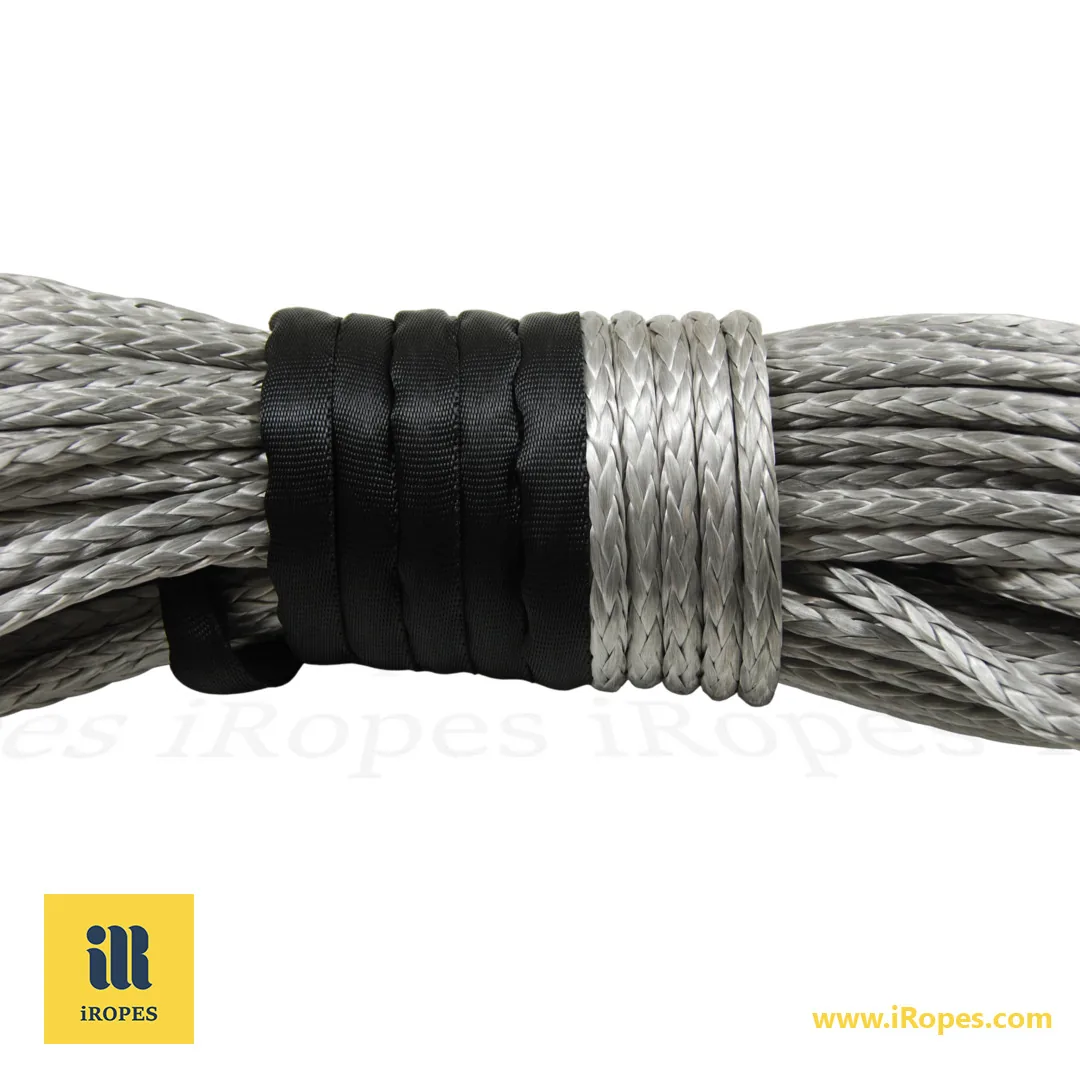
Poly web slings dominate marine chemical attacks because polyester variants resist acids three times better than nylon, maintaining just **three per cent stretch** under saltwater loads—outlasting rusty chains by 5:1 in harsh yachting or spearfishing scenarios.
In 8 minutes, unlock why poly slings safeguard your marine lifts
- ✓ Grasp polyester's low-stretch edge—cut uncontrolled swings by **70 per cent** during wave-tossed rigging.
- ✓ Master chemical resistance tables—select slings that endure alkalis without **20 per cent** strength loss.
- ✓ Learn OSHA inspection checklists—spot abrasion early to extend sling life **two times** beyond traditional wire.
- ✓ Explore custom configs from iRopes—tailor visibility features for safer, fog-bound operations.
You assume metal chains conquer corrosive seas, but what if synthetic poly web slings actually shield against chemical onslaughts far longer—without the rust that halts your yacht hauls mid-mission? Discover the counterintuitive material showdowns and hidden configurations that flip this script, revealing how iRopes' tailored textile solutions could transform your rigging reliability before the next saltwater surge strikes.
Understanding Poly Web Sling Basics for Marine Applications
When it comes to lifting heavy loads in the unpredictable world of marine operations, you need gear that's reliable without adding extra hassle. Imagine hauling equipment onto a yacht or securing cargo during a spearfishing expedition—the last thing you want is cumbersome tools that snag on glossy surfaces or weigh you down. That's where **poly web slings** come in. These synthetic lifting tools, often just called poly slings or textile slings, are made from durable polyester or nylon webbing, woven into flat, flexible straps that make rigging smoother and safer.
At their core, a poly web sling is a strap-like device designed for lifting and rigging. Unlike bulky metal chains, it's essentially a wide, flat band with reinforced eyes at the ends for attaching to hooks or loads. The term "poly" refers to the polyester material in many models, which gives them that signature strength without the bulk. Have you ever wondered why these aren't just ropes? Well, the broad webbing distributes weight evenly, reducing pressure points on delicate items like boat hulls or fishing gear.
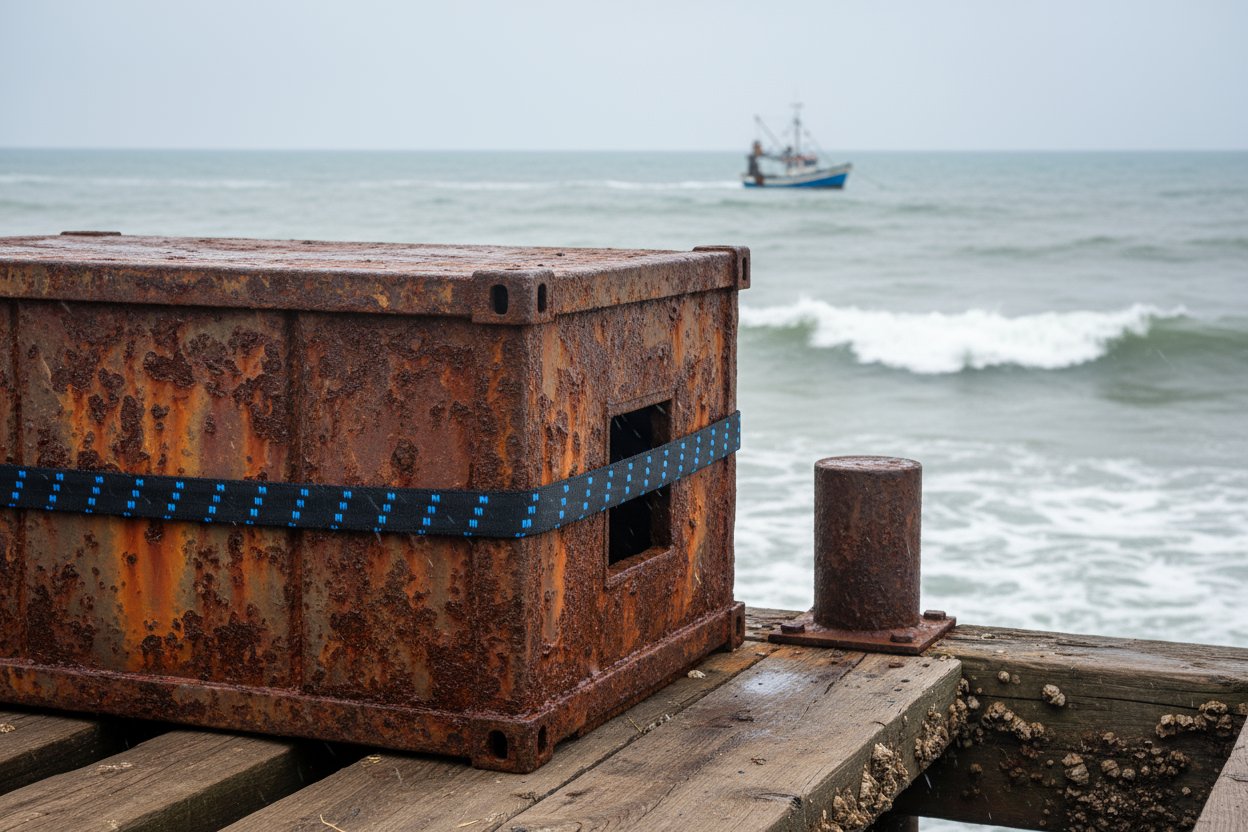
What makes them stand out as lightweight, flexible lifting tools? For starters, they're about **80 per cent lighter** than steel equivalents, so you can manoeuvre them easily even on a rocking deck. Their flexibility lets them conform to irregular shapes, like bundled ropes or oddly shaped buoys, without slipping. And in marine settings, that non-marring surface is a game-changer—it won't scratch painted hulls or corrode nearby metal parts exposed to saltwater.
- Lightweight design - Weighs far less than metal slings, easing the strain on your crew during long hauls.
- Superior flexibility - Bends and wraps around loads without kinking, perfect for tight spaces on vessels.
- Non-marring properties - Soft webbing protects finishes, crucial when handling valuable marine equipment.
- Cost-effective durability - Resists everyday wear, offering long service life in wet conditions without rapid breakdown.
Now, you might think synthetic slings like these are too flimsy for tough marine work—after all, isn't metal tougher? That's a common misconception. While they do have limits, like avoiding extreme heat over 90°C (194°F), poly web slings excel in saltwater environments because they don't rust or corrode like chains do. Their smooth texture prevents snags on ropes or nets, and the material's low water absorption keeps them from becoming waterlogged and heavy. In fact, they're often preferred for tasks involving acids from cleaning agents or alkalis in seawater, as the polyester version holds up better than natural fibres.
Speaking of expertise, companies like iRopes bring decades of know-how to crafting these high-quality synthetic slings. Based in China with a global reach, they specialise in OEM and ODM services, tailoring poly slings to fit exact needs—think custom widths for spearfishing gear or UV-resistant weaves for yachting. Backed by ISO 9001 certification, their precision manufacturing ensures every sling meets rigorous standards, protecting your operations from the start. Having grasped these basics, it's clear how the right material choices can take performance to the next level in chemical-heavy marine settings.
Why Poly Slings Excel in Resisting Marine Chemical Attacks
Building on those material advantages, let's dive into what sets poly slings apart when chemicals and saltwater team up to test your gear's limits. In marine work, where every lift counts amid corrosive sprays and cleaning agents, the right synthetic material isn't just convenient—it's essential for keeping operations running without constant replacements.
Consider the core showdown: polyester versus nylon. Both power these textile slings, but their properties shine differently in harsh settings. Polyester offers low stretch, around **three per cent** at working load limit (WLL), which means more controlled lifts when you're battling waves on a yacht deck. It handles acids superbly, making it ideal for environments laced with battery fluids or acidic cleaners common in boating maintenance. Nylon, on the other hand, stretches more—up to **eight to 10 per cent**—which can absorb shocks from sudden jerks, but also absorbs moisture, potentially weakening it in prolonged saltwater exposure. Ever dealt with a sling that sags under load just when you need precision? Polyester avoids that, providing superior acid resistance that nylon lacks, though nylon edges out in alkaline conditions like soapy washes.
Polyester Properties
Low-Stretch Leader
Acid Resistance
Excels against acids in saltwater, preventing breakdown during marine cleaning.
UV Durability
Resists degradation from prolonged sun exposure on open decks.
Low Water Absorption
Stays lightweight and strong even after saltwater immersion.
Nylon Properties
Flexible Absorber
Alkali Resistance
Handles bases well but weakens against acids in marine settings.
Higher Stretch
Absorbs impacts but may elongate under sustained chemical exposure.
Moisture Sensitivity
Absorbs water, risking conductivity and reduced strength in wet conditions.
This comparison highlights why polyester often dominates in marine chemical attacks—its durability against acids, alkalis, and UV rays keeps the sling intact longer. For instance, in yachting, where deck washes involve mild acids, a poly web sling made from polyester won't fray or lose strength, ensuring safe rigging of sails or anchors. Similarly, spearfishing outfits rely on these to secure gear without degradation from saltwater and fish blood's mild corrosives, avoiding the pitfalls of materials that swell or snap unexpectedly.

Now, stack that against traditional wire rope or chain slings. Those metal options corrode fast in saltwater, demanding frequent inspections and replacements that drive up costs and downtime. Explore how synthetic slings outmuscle steel in marine mayhem to see why poly slings sidestep rust entirely, offering reduced corrosion while maintaining flexibility for wrapping around irregular loads like buoys or harpoons. The result? Safer, more efficient marine lifts without the metallic bite. As you weigh these resistances, think about how the right configuration can amplify them for your specific setups.
Types and Configurations of Textile Slings for Versatile Use
As you consider how those material strengths hold up in real-world chemical exposure, the configuration of your textile sling plays a major role in matching it to the job at hand. In marine lifting, where loads shift with every wave, picking the right type ensures stability and ease. These setups vary to handle different hitches—think vertical lifts straight up, chokers that tighten around cargo, or baskets cradling bulky items—making them adaptable for yacht rigging or securing spearfishing equipment without extra fuss.
Let's break down the main types, each suited to specific marine scenarios. The eye & eye design features flat loops at both ends, ideal for straightforward vertical lifts where you need quick attachment to hooks without twisting. For more versatile wrapping, the endless type forms a continuous loop, perfect for choker hitches around irregular shapes like buoys or tangled nets. Then there's the reverse eye, with one end flipped for better balance in basket configurations, helping distribute weight evenly during side-to-side transfers on a pitching deck.
- Eye & Eye - Simple loops for secure, straightforward vertical rigging in calm waters.
- Endless - Seamless loop excels in chokers, gripping loads tightly during dynamic marine movements.
- Reverse Eye - Asymmetrical eyes aid basket hitches, stabilising heavy gear like anchors over the side.
Ever wondered how these flat textile slings differ from roundslings, especially when dealing with odd-shaped marine loads? Web slings, with their broad, flat webbing, offer unmatched flexibility—they mould around protrusions on hull fittings or fishing crates, reducing slip risks compared to the cylindrical shape of roundslings. Those roundslings, built with a yarn core sleeved in fabric, provide higher capacity in tight spaces but can feel bulkier and less forgiving on sharp edges. For irregular items like coiled ropes or speargun cases, the flat profile of web designs wins out, conforming without bunching up and maintaining a firm hold even when wet. Learn more about how flat slings beat crane straps for hull-safe marine lifts to appreciate their edge in protecting boat surfaces.
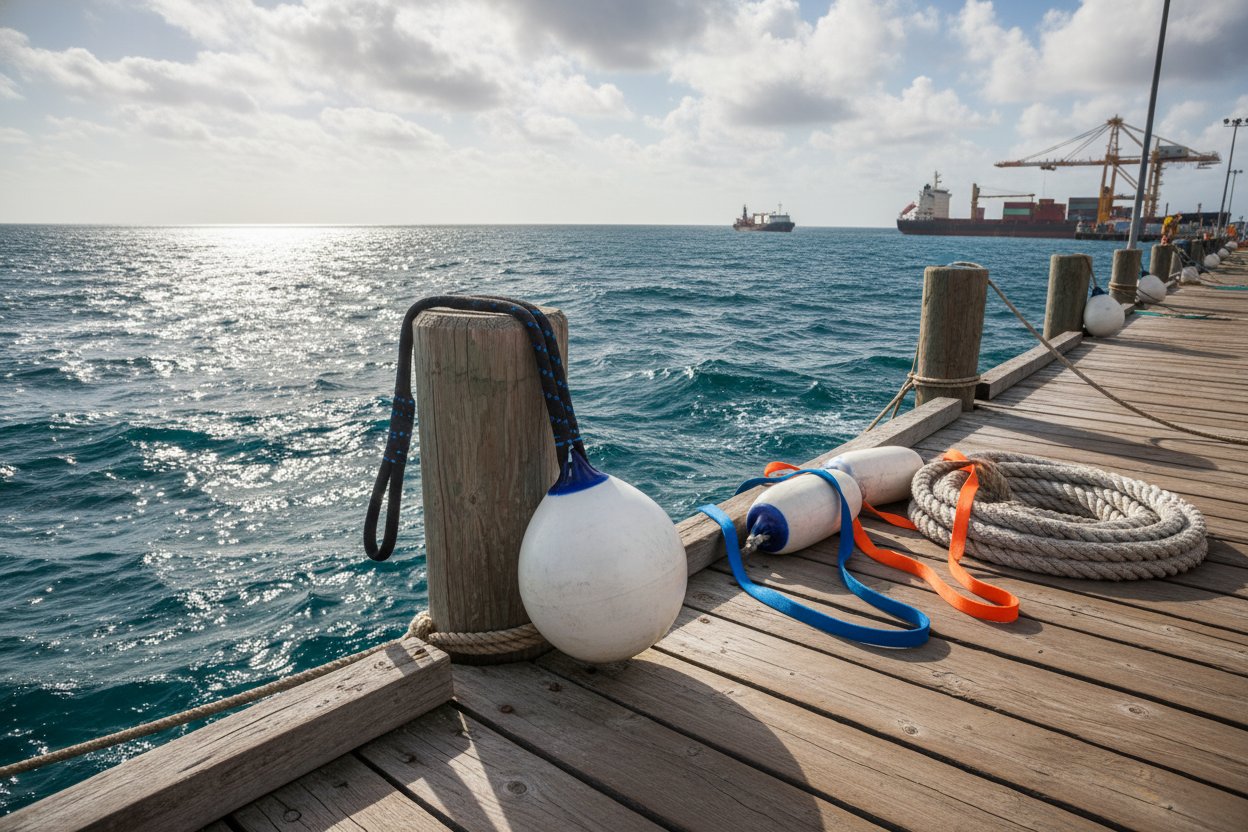
To make them even more effective in low-light dawn patrols or foggy seas, customisation tailors them precisely. Adjusting length prevents excess slack that could snag in rough conditions, while varying width boosts capacity for heavier anchors without sacrificing manoeuvrability. Adding reflective strips or glow elements increases visibility, so your crew spots the sling amid spray and shadows—vital for avoiding accidents during night operations. At iRopes, these tweaks come through their ODM process, aligning with your setup for seamless integration. With the right type in place, keeping everything in top shape through regular checks becomes the next step to ensure those versatile features perform reliably over time.
Safety, Inspection, and Maintenance for Long-Lasting Poly Slings
With the right configuration sorted, turning your attention to safety and upkeep makes all the difference in getting the most from those textile slings amidst the salty spray and shifting loads of marine work. You wouldn't rig a yacht's sail without checking the ropes first—the same goes here. Prioritising these steps not only keeps your crew safe but extends the life of your gear, helping you avoid costly surprises when a sling gives way at the worst moment.
At the heart of safe operations are standards from OSHA and ASME, which set clear rules to prevent accidents in lifting scenarios like yours. OSHA's guidelines, outlined in 29 CFR 1910.184, demand that synthetic slings like poly web slings be used within their rated capacities and inspected regularly. ASME B30.9 takes it further, specifying the design factor—typically **5:1** for these materials, meaning the breaking strength is five times the working load limit (WLL). In marine operations, where waves can double a load's effective weight, this factor ensures your sling—say one rated at two tonnes WLL—can handle up to 10 tonnes before failing. It's straightforward: always match the WLL to your hitch type and angle, derating for chokers or baskets, so a vertical lift stays predictable even on a rocking deck.
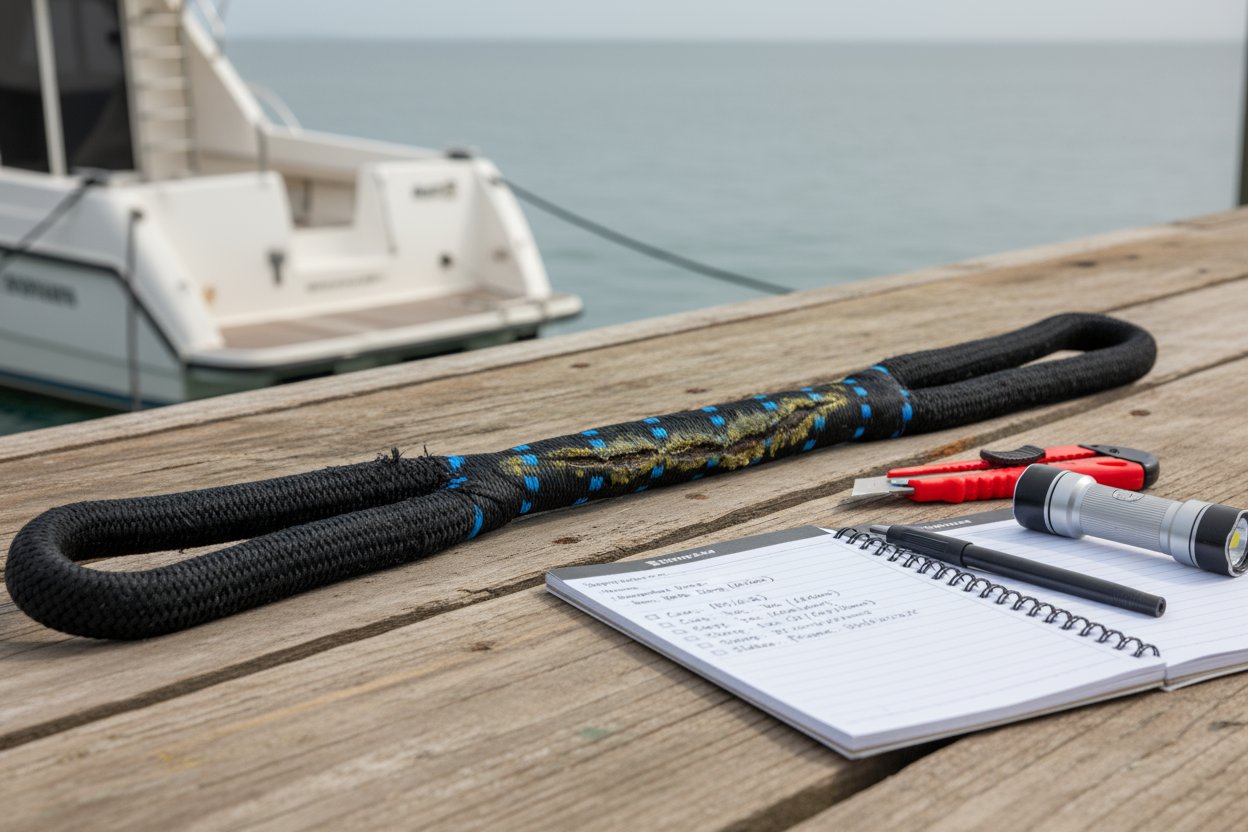
To catch issues before they escalate, run a thorough pre-use inspection every time—think of it as your daily health check for the sling. Look for anything that could compromise strength, from obvious tears to subtler signs. Cuts or gouges deeper than half the webbing thickness signal immediate retirement, as they weaken the load-bearing core. Abrasion shows as fuzzing or thinning, especially where the sling rubs against sharp deck edges during yacht manoeuvres. Chemical damage might appear as discolouration or stiffness from prolonged exposure to acids in bilge cleaners, while heat effects—charring or melting—come from hot engine parts nearby, dropping strength by up to **20 per cent** above 90°C (194°F).
- Cuts and tears - Any slit longer than an inch or piercing the full width requires removal from service.
- Abrasion damage - Frayed or worn spots reduce capacity; replace if over **10 per cent** of the surface is affected.
- Chemical degradation - Stains or hardening from marine agents like saltwater alkalis mean it's time to swap it out.
- Heat exposure - Brittle or melted areas indicate overload in temperature; discard without question.
Once inspected, proper storage keeps your poly slings ready for action. Hang them in a shaded, dry spot away from direct sunlight to fend off UV rays that can cut strength by **30 per cent** over months outdoors. Avoid coiling near moisture sources like damp docks, as trapped water breeds mildew on nylon versions, and steer clear of chemical storage areas to prevent accidental soaking in solvents. In a busy marine setup, a simple rack in the boathouse works wonders—clean them first with mild soap and air-dry to maintain that flexibility.
For setups demanding even more reliability, iRopes steps in with their OEM and ODM services, crafting ISO 9001-certified poly slings tailored to your marine needs. They handle everything from reinforced edges against abrasion to custom weaves resisting specific yacht chemicals, all while safeguarding your designs through solid IP protection. This means bespoke solutions that fit your operations precisely, backed by their global shipping for hassle-free delivery. Dive deeper into crane slings and hoist solutions for more on these synthetic options in industrial and marine lifting.
Tailored Reliability
iRopes' custom manufacturing ensures your textile slings meet exact specifications for chemical resistance and load handling, with full certification for peace of mind.
Getting these practices down solid equips you to choose and maintain slings that truly stand up to the demands of your work.
In the demanding marine environments where saltwater and chemicals relentlessly test equipment, poly web slings stand out for their superior durability and resistance, far surpassing traditional wire ropes or chains that succumb to corrosion. Polyester-based poly slings offer low stretch and excellent acid resistance, making them ideal for yachting and spearfishing applications, while textile slings' flexible configurations—like eye & eye or endless loops—adapt to irregular loads without marring surfaces. By following OSHA inspections for cuts, abrasion, and chemical damage, plus proper shaded, dry storage to combat UV and moisture, you ensure long-lasting performance and safety. These insights empower you to select and maintain gear that elevates your operations, but for personalised solutions tailored to your specific marine needs, consider reaching out for expert guidance.
Customise Your Poly Web Sling Solutions with iRopes Experts
If you'd like personalised recommendations on poly slings, including custom OEM designs with enhanced chemical resistance or compliance certifications, complete the inquiry form above to connect with our iRopes team for reliable, global support.