Color-coded sailboat lines cut docking incidents by up to 40% by letting you grab the right one—bow, spring, or fender—in seconds amid wind and waves. ⚓ No more tangles turning calm approaches into chaos; iRopes' custom systems make it effortless for safer mooring every time.
Unlock Hassle-Free Docking in a 5-Minute Read →
- ✓ Master rope vs. line terminology to communicate precisely onboard, avoiding mix-ups that delay maneuvers by 30%.
- ✓ Choose optimal materials like nylon for dock lines, absorbing 25% more shock than polyester to protect your hull from waves.
- ✓ Implement color coding that speeds line identification, reducing crew errors and boosting safety in low-light conditions.
- ✓ Access iRopes' OEM customisation for branded, durable lines tailored to your boat's exact length and load—prolonging lifespan by 2-3 years.
Imagine throttling back into a tight marina slip as gusts whip the bow sideways, only to fumble through a knotted heap of identical ropes while your crew shouts in frustration—does that nightmare sound familiar? Savvy sailors, however, sidestep it entirely with a simple twist: color-coded lines that turn disarray into instant order. What if your setup could anticipate every docking demand, from spring lines holding surge to fenders cushioning contact? Dive in to uncover how iRopes crafts these game-changers, revealing the overlooked details that elevate your sailing from stressful to seamless.
Understanding Sailboat Ropes and Lines: Key Terminology and Functions
Picture this: you're out on the water, the wind picking up, and you need to adjust your sails quickly. Grabbing the right piece of cordage makes all the difference, but only if you know what you're handling. In sailing, getting the lingo right isn't just about sounding like an old salt; it's about safety and smooth operations. Let's break down a common mix-up that trips up even seasoned sailors.
At its core, a rope is simply any length of cordage, whether it's coiled in your garage or used for general purposes. However, once that same rope is assigned a specific job on your boat, it earns the nautical designation of a "line". Think of it this way: rope is the raw material, versatile and unnamed until purpose gives it identity. A line, though, has a particular role—perhaps securing your vessel or hoisting a sail. This distinction matters because in the heat of docking or racing, calling out "pass the jib sheet" beats yelling for "that rope thing" every time. Have you ever fumbled with unlabelled gear mid-manoeuvre? It's frustrating, and that's precisely why nautical terms keep things precise.
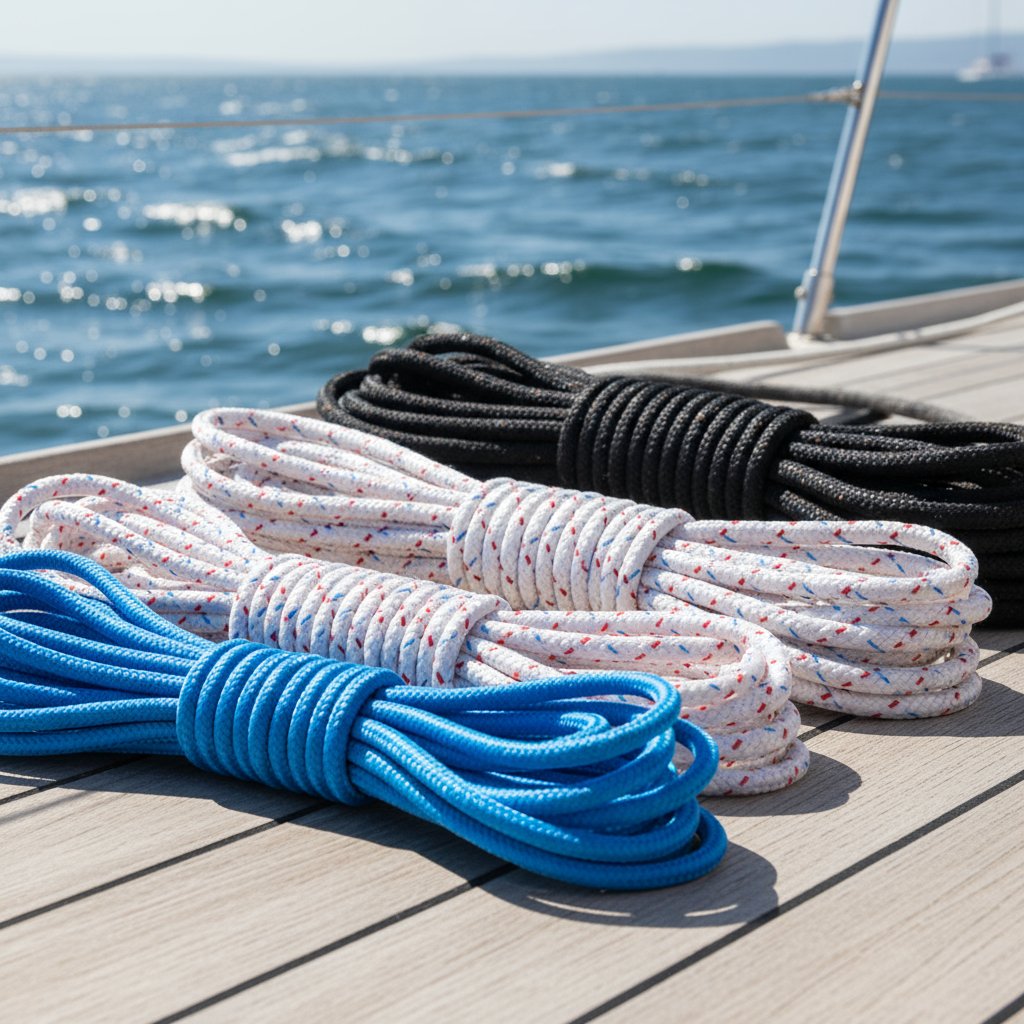
Sailboat lines come in several types, each tailored to keep your boat moving or stationary just right. They're grouped into running rigging, which handles dynamic tasks; standing rigging for structural support; and auxiliary lines for miscellaneous needs. Running rigging includes halyards that hoist sails up the mast, sheets that trim and control sail angle to catch the wind perfectly, and other control lines like outhauls or vangs for fine adjustments. Standing rigging, often wire but sometimes synthetic for lightness, uses stays and shrouds to hold the mast steady against gusts. Then there are those essential auxiliary lines—think painters for dinghies or utility cords for odds and ends.
What about sailboat dock lines? They fall under mooring systems, acting as those vital tethers when you're tying up. Each type plays a unique onboard role: halyards lift sails efficiently so you can harness the breeze without strain, sheets let you steer your boat's power by adjusting sail shape, and dock lines secure everything firmly to the pier, absorbing waves to prevent scrapes. Together, they create a complete system—hoisting for speed, controlling for precision, and mooring for rest. Imagine sailing without them; it'd be chaos, right? Next, we'll explore the materials behind these workhorses that stand up to salt, sun, and surges.
- Running Rigging - Dynamic lines like halyards for raising sails and sheets for trimming, allowing quick adjustments under load.
- Standing Rigging - Supportive elements such as shrouds and stays that maintain mast stability during voyages, often wire or high-strength synthetic.
- Auxiliary Lines - Versatile options including fender lines for bumpers and painters for towing small craft.
Materials and Construction for High-Performance Sailboat Lines
With those essential types of sailboat lines now clear in your mind—from the dynamic halyards to the steady dock lines—it's time to delve into what makes them tough enough for the open water. The real magic happens in the choice of materials and how they're constructed, turning ordinary cordage into reliable gear that handles everything from sudden gusts to rough dockside bumps. Selecting the right combination isn't just technical; it directly affects how smoothly you sail and how safe you feel when things get choppy.
When it comes to dock lines, nylon stands out as the go-to material. Its natural stretch acts like a built-in shock absorber, elongating up to 15-30% under load to cushion against waves and boat movement without snapping back too harshly. This elasticity prevents strain on cleats and pilings, making it ideal for securing your vessel during unpredictable tides. Polyester, on the other hand, offers far less give—around 10-15% elongation—which keeps sheets taut for precise sail control, avoiding that floppy feel that can throw off your trim. Then there's Dyneema, a high-modulus polyethylene that's incredibly strong for its weight, boasting up to 15 times the strength of steel by weight with almost no stretch. Sailors love it for halyards where you need lightweight power to hoist heavy sails quickly without sagging over time.
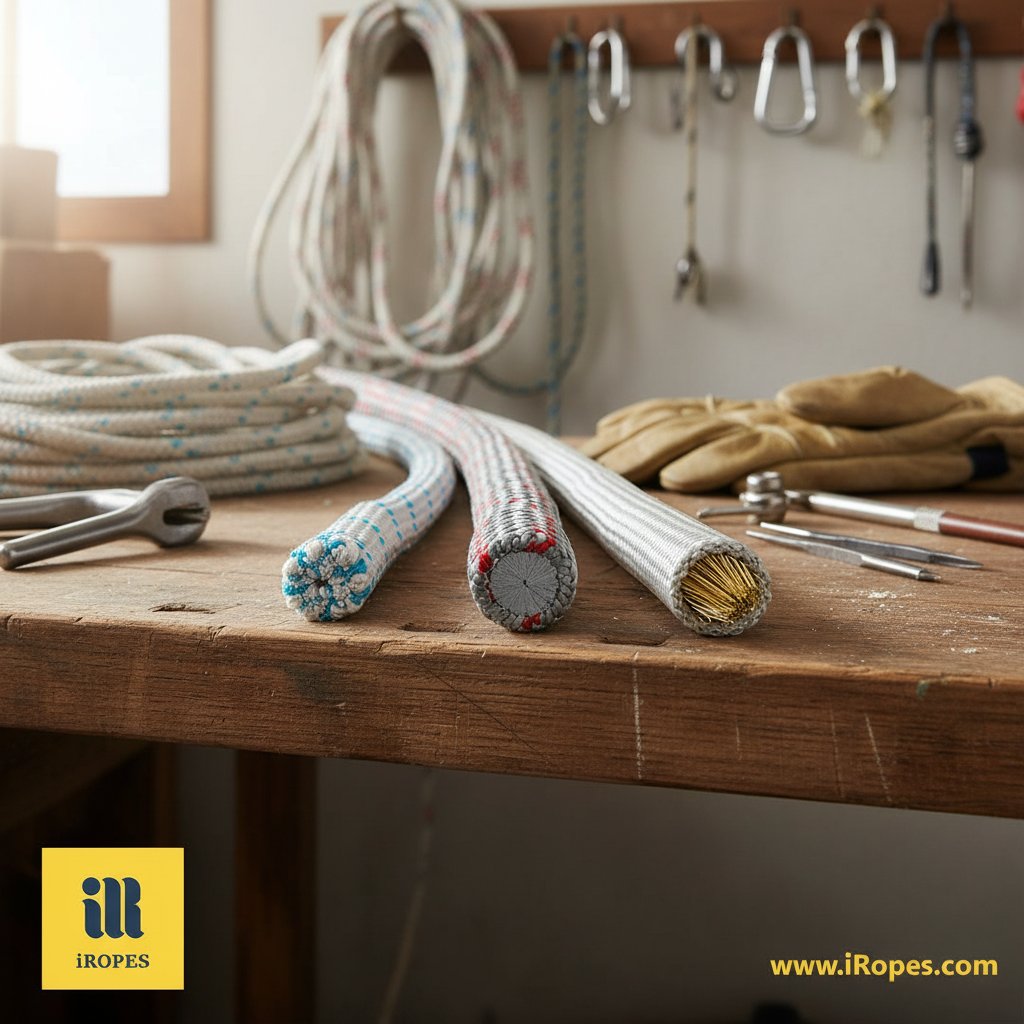
Construction plays an equally big role in performance. Double-braided lines, often with a polyester cover over a nylon core, provide smooth flexibility that's easy on the hands during long hauls—perfect for sheets where you need to adjust without fighting friction. Three-strand twisted builds grip into the design, twisting fibres in a helical pattern that locks into winches and clutches securely; it's why this construction is common for traditional halyards that see constant tension. Parallel core construction aligns fibres straight for ultimate low-stretch efficiency, minimising energy loss in high-load applications like control lines, though it can feel stiffer under your grip.
These material and build choices aren't random; they target key protections for life at sea. Nylon's resilience shines against abrasion from rubbing pilings, while polyester's inherent UV stability wards off sun degradation that could weaken lines after months of exposure. Dyneema adds floating properties and cuts through water with less drag, but pairing it with a coated cover boosts its chafe resistance on mast sheaves. In practice, this means your sailboat ropes and lines last longer, perform consistently, and keep you focused on the horizon rather than worrying about wear. Ever noticed how a well-built line feels almost alive in your hands, responding just right to the conditions?
Materials
Core Properties
Nylon
High stretch for shock absorption; superior UV and abrasion resistance; ideal for dock lines.
Polyester
Low stretch for precise control; excellent UV durability; perfect for sheets and general rigging.
Dyneema
Ultra-strong, lightweight, minimal stretch; widely trusted for performance halyards and control lines.
Constructions
Build Types
Double-Braided
Flexible and smooth; easy handling for frequent adjustments and longer lifespan.
Three-Strand Twisted
Strong grip in hardware; simple to splice for reliable custom ends.
Parallel Core
Minimal-stretch alignment; ensures high efficiency under heavy loads without losing power.
Putting it all together, these elements ensure your setup handles the demands of different sailing scenarios, from casual cruises to competitive races. As you consider integrating these into your vessel's operations for seamless performance, selecting specific line types that form a cohesive system is a crucial next step.
Sailboat Dock Lines and Complete Mooring Systems for Secure Docking
Now that we've covered the materials and builds that give sailboat lines their edge, let's turn to the practical side: how these elements secure your vessel when it's time to come alongside. Docking isn't just about pulling up to the dock—it's a dance of lines and timing where everything needs to work in harmony to keep your boat steady against waves and wind. Getting the mooring setup right means less stress and more confidence every time you approach a slip.
Sailboat dock lines form the heart of any mooring system, each type designed to handle specific stresses during tie-up. Main dock lines, often called bow and stern lines, run from the front and rear cleats to the dock, holding your boat parallel and preventing it from drifting sideways. Spring lines add crucial fore-and-aft control: a forward spring from the stern to a mid-dock point stops backward creep, while an aft spring from the bow does the opposite, keeping surges in check. Fender lines secure protective bumpers along the hull, adjustable to match varying freeboard as tides shift. Choosing the right size boils down to your boat's length and displacement—too thin, and they might snap under load; too thick, and they're hard to manage. For a 30-foot sailboat displacing around 10,000 pounds, opt for 1/2-inch diameter lines about 1.5 times the boat's length. This offers a safe working load up to 4,000 pounds without excessive bulk. Heavier cruisers might need 5/8-inch lines for added margin, scaled to match the vessel's weight and expected windage.
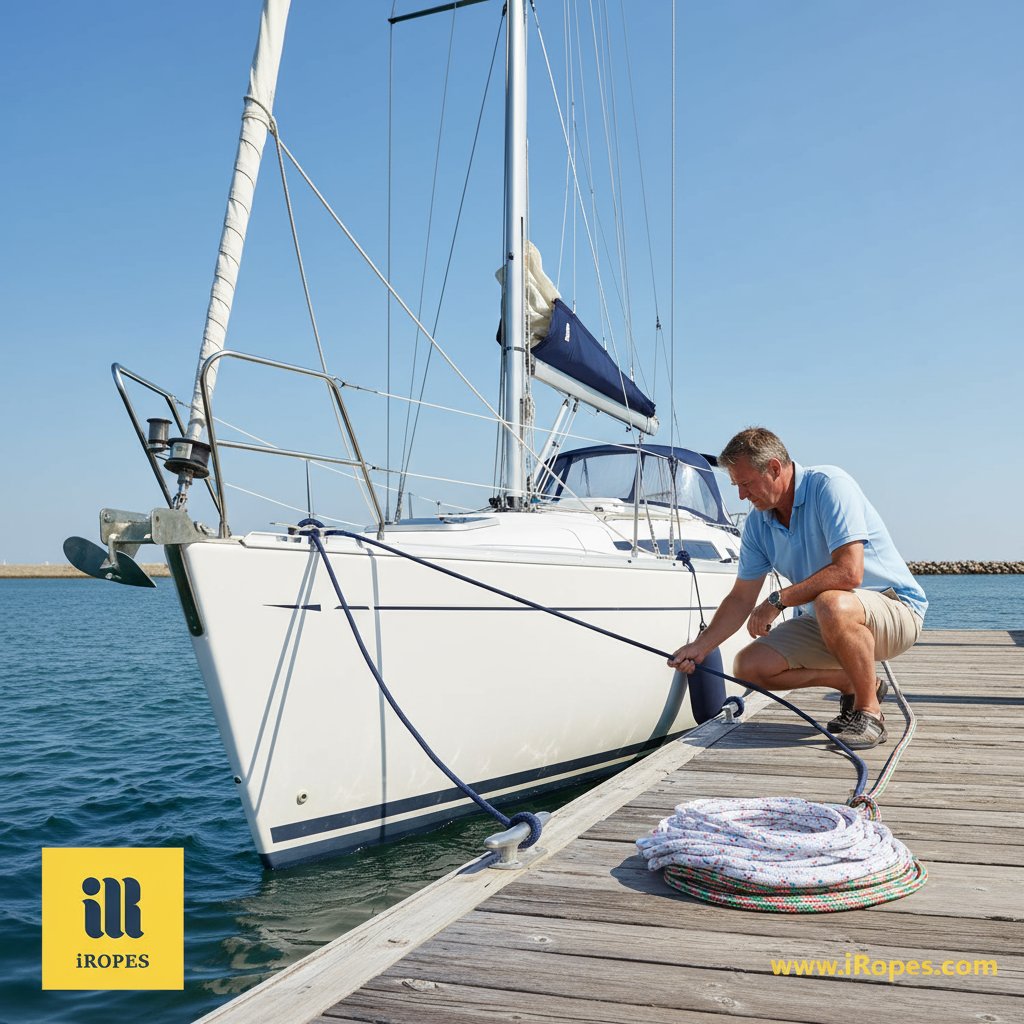
These dock lines don't operate in isolation; they integrate seamlessly with your running and standing rigging to maintain overall vessel stability during docking manoeuvres. As you ease into the slip, the halyards and sheets from running rigging keep sails furled and out of the way, reducing wind catch that could swing the bow unexpectedly. Standing rigging, with its stays and shrouds, anchors the mast firmly, preventing any flex that might unbalance the boat mid-dock. Picture approaching on a breezy day: a quick adjustment to the main sheet frees up deck space, while the dock lines take over, looping through cleats and pilings to absorb the final jostles. This interplay transforms potential chaos into a controlled stop, where the low-stretch properties of your polyester sheets complement the elastic give in nylon dock lines.
Of course, even the best lines tangle if left disorganised, turning a simple docking into a scramble. Smart organisation starts with coiling lines loosely after use and stowing them in dedicated bags to avoid knots forming from friction. But the real game-changer? Color coding. Assign distinct hues to each type—say, blue for bow lines, red for springs, green for fenders—so you can grab the right one at a glance in low light or rough conditions. This system cuts fumbling time, boosts crew coordination, and minimises errors that lead to scrapes or strains. Have you ever watched lines whip around in confusion during a tight berth? Color coding turns that nightmare into a non-issue, keeping your focus on the water ahead.
- Main Dock Lines - Secure bow and stern; size to 1.5x boat length for 30-40 ft vessels.
- Spring Lines - Control fore-aft motion; use slightly longer than mains for tension adjustment.
- Fender Lines - Hold bumpers in place; opt for quick-release knots for easy repositioning.
With these strategies in place, your mooring becomes a reliable routine. Yet for sailors chasing that extra edge, tailoring these systems to your exact setup can make all the difference in performance and peace of mind. For more on enhancing yacht safety through braided dock lines, explore proven rope solutions that strengthen your setup.
Custom Color Coded Sailboat Lines: iRopes' OEM Solutions for Efficiency
That extra edge in tailoring your setup often comes down to personalisation, transforming standard gear into something that fits your boat and crew like a glove. At iRopes, our OEM services take this to the next level, letting you design sailboat lines that match your exact needs without compromise. Whether you're outfitting a fleet or upgrading a single vessel, these custom solutions blend functionality with flair, ensuring every line performs when it counts most.
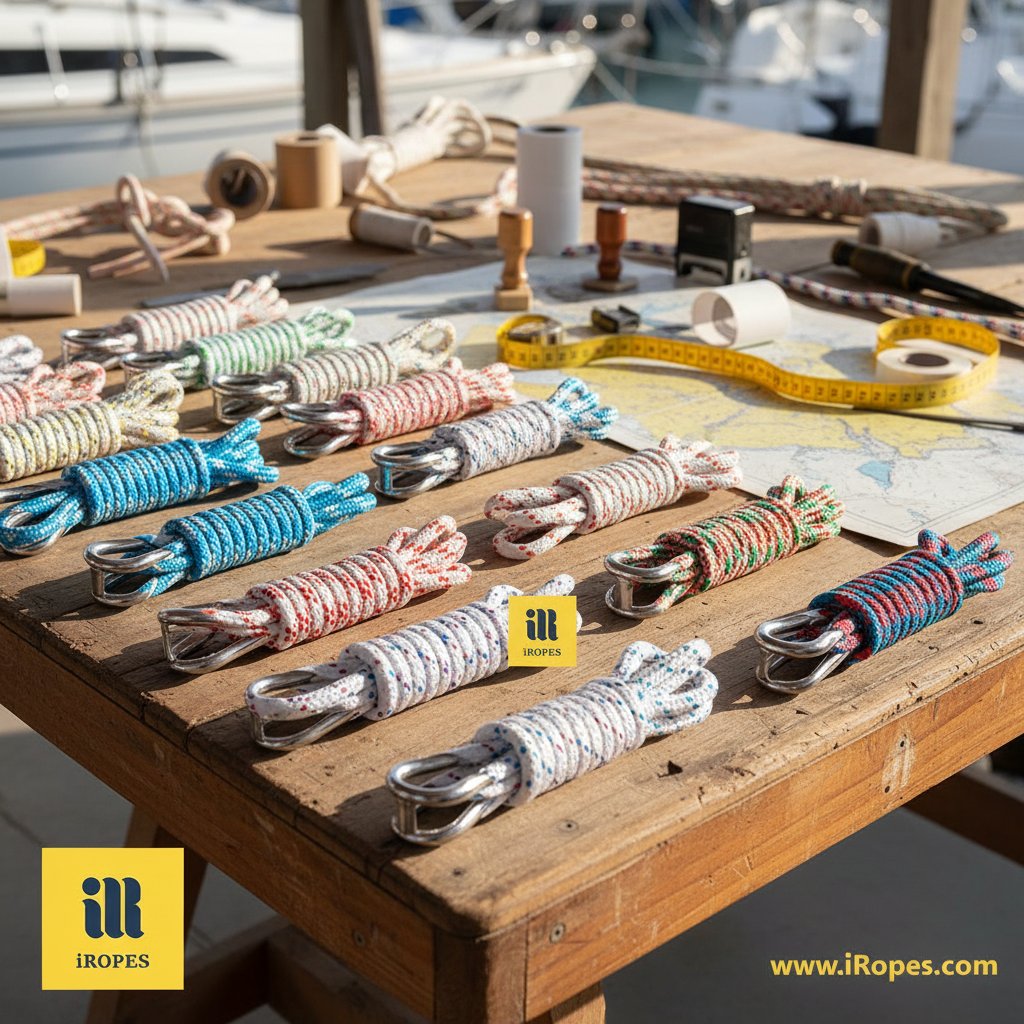
Customisation starts with the basics but goes far beyond. You can select from proven materials, such as nylon for dock lines or polyester for control, but specify diameters from 3/8 inch for lighter sheets up to 3/4 inch for heavy mooring, tailored precisely to your boat's load. Colors and patterns aren't just aesthetic; choose bold reds for springs or subtle blues for bow lines, even incorporating stripes for quick visual cues. Accessories elevate the design: add stainless thimbles for smooth, chafe-free eyes, or loops pre-spliced for easy attachment. We handle everything in-house, from parallel core builds to reflective tracers for night operations, all aligned with your branding. Imagine your company logo woven into the cover—professional and practical. Our specialists at iRopes collaborate to ensure compliance with standards, delivering ropes that reflect your identity while boosting onboard efficiency. Learn more about our rope customization options to create the perfect fit for your sailing needs.
Materials & Diameters
Pick nylon or Dyneema cores with diameters suited to your vessel's demands for optimal strength and handling, ensuring perfect fit and performance.
Colors & Patterns
Custom hues and designs for instant recognition, enhancing crew coordination during busy manoeuvres, even in low-light conditions.
Accessories
Integrate thimbles, splices, or custom ends to fit your hardware seamlessly, reducing wear and improving setup efficiency.
Branding
Embed logos or patterns to promote your brand while maintaining high-performance standards, creating a professional aesthetic.
Where color coding truly shines is in high-pressure moments like docking. A system with distinct colors—say, yellow for fenders and black for mains—lets you snatch the correct line without pausing, slashing the chance of mix-ups that could lead to hull dings or strained rigging. This setup not only speeds things up but also amps up safety; in fading light or with a green crew, visibility prevents accidents. Studies from marine safety groups show such organisation cuts docking incidents by up to 40%, proving it's more than convenience—it's essential for smooth sails.
To keep your custom lines in top shape, regular care is key. Rinse them with fresh water after every saltwater outing to flush out salt crystals that accelerate wear. Inspect monthly for frays or stiff spots—replace if elongation drops below 10% of original, typically every 2-5 years depending on usage. Store coiled loosely in shaded bags, away from direct sun to fend off UV breakdown. iRopes backs this with ISO 9001 certification for consistent quality and full IP protection, so your designs stay yours. Proper habits like these extend line life by years, keeping your setup reliable season after season. Dive deeper into our yachting ropes collection for high-performance options tailored to sailing vessels.
- Rinse lines post-use to remove salt and debris, preventing premature wear.
- Check for damage during routine inspections, especially at chafe points.
- Coil and store in cool, dry places to avoid degradation from UV and mildew.
Armed with these tailored approaches, sailors can fine-tune their gear for peak performance, turning potential headaches into seamless routines that let the real adventures shine.
From distinguishing ropes from lines to selecting the right materials—such as nylon for shock-absorbing sailboat dock lines or Dyneema for low-stretch halyards—building a complete system enhances safety and efficiency on the water. Integrating running rigging for sail control, standing rigging for stability, and organised mooring setups with spring and fender lines prevents tangles during docking. Custom color-coded sailboat lines and other sailboat ropes and lines streamline operations, allowing quick identification in any conditions for zero-hassle manoeuvres and seamless sailing adventures.
These strategies, backed by iRopes' OEM expertise, empower sailors to tailor their gear perfectly, reducing errors and boosting confidence at sea.
Customise Your Sailboat Lines with Expert Guidance
If you're ready to elevate your setup with personalised colour-coded solutions or need advice on complete line systems, fill out the inquiry form above—our team at iRopes is here to help craft the ideal ropes for your vessel.
