Have you ever witnessed the aftermath of a steel wire rope snapping during a crucial winching operation? The violent whiplash and jagged ends can pose a serious safety hazard, leaving you scrambling for a safer solution. Enter synthetic ropes – the innovative alternative that's rapidly gaining traction across industries for their unparalleled strength, durability, and ease of handling.
As industries demand high-performance and safety-focused solutions, synthetic ropes have emerged as a game-changer, outperforming traditional wire ropes in applications ranging from off-road adventures to marine operations and industrial settings. These cutting-edge ropes boast a remarkable strength-to-weight ratio, making them lightweight yet incredibly strong, while also offering superior flexibility, abrasion resistance, and corrosion resistance.
But what truly sets synthetic ropes apart is their ability to prioritize safety and longevity. With higher load ratings and controlled breakage patterns, these ropes minimize the risk of dangerous whiplash and injuries, ensuring the well-being of your team. Plus, their resistance to harsh environments and reduced maintenance needs translates to extended service life and cost savings over time.
In this blog post, we'll explore the distinct advantages of synthetic ropes over traditional wire ropes, delving into their exceptional performance, safety features, and versatility across various industries. Get ready to discover why these innovative ropes are rapidly becoming the preferred choice for professionals who demand the best in terms of strength, durability, and safety.
Synthetic Ropes vs. Wire Ropes: Which is Better?
When it comes to choosing the right rope for your application, it's essential to understand the key differences between synthetic ropes and wire ropes. While wire ropes have been a traditional choice for many years, synthetic ropes have emerged as a superior alternative, offering unmatched performance and safety benefits.
Advantages of Synthetic Ropes
- High strength and lightweight - Synthetic ropes, particularly those made from high-molecular-weight polyethylene (HMPE) like Dyneema, boast exceptional strength-to-weight ratios. They can be up to 15 times stronger than steel wire ropes while being significantly lighter, making them easier to handle and transport.
- Flexibility and reduced kinking - Unlike wire ropes, which are rigid and prone to kinking, synthetic ropes are highly flexible and resistant to kinking. This flexibility allows for smoother operation, reduced wear and tear, and improved safety.
- Abrasion and corrosion resistance - Synthetic ropes are highly resistant to abrasion, chemicals, and UV radiation, ensuring long-lasting performance in various environments. They won't corrode or rust like wire ropes, making them an ideal choice for marine and outdoor applications.
Drawbacks of Wire Ropes
While wire ropes have been a trusted choice for many years, they come with several drawbacks that can impact performance and safety:
- Heavy and rigid - Wire ropes are significantly heavier and less flexible than synthetic ropes, making them more challenging to handle and increasing the risk of fatigue and injury.
- Susceptible to kinking and abrasion - Wire ropes are prone to kinking and abrasion, which can compromise their strength and lead to potential breakages or failures.
- Corrosion and rust - Wire ropes are susceptible to corrosion and rust, especially in marine and outdoor environments, which can shorten their lifespan and compromise their integrity.

The Superior Performance of Synthetic Ropes
Synthetic ropes have proven their superiority over wire ropes in various applications, from off-road adventures to marine and industrial settings. Their remarkable strength, durability, and ease of handling make them the preferred choice for professionals who demand high performance and safety.
Strength and Durability
Imagine a rope that can withstand incredible loads while remaining lightweight and easy to manage. That's the reality with synthetic ropes like Dyneema. These ropes are designed to withstand extreme conditions and harsh environments, making them ideal for critical applications such as heavy-duty rigging, outdoor adventures, and rescue operations.
Unlike wire ropes, which can corrode and weaken over time, synthetic ropes maintain their strength and integrity, even when exposed to chemicals, saltwater, or UV radiation. With proper maintenance, these ropes can provide reliable service for years, reducing the need for frequent replacements and minimizing downtime.
Lightweight and Flexible
Have you ever struggled with handling a heavy, rigid wire rope? It's not only physically demanding but can also increase the risk of injury. Synthetic ropes, on the other hand, are lightweight and flexible, making them a joy to work with.
Imagine effortlessly maneuvering a synthetic rope around tight spaces or easily coiling it for storage. The flexibility of these ropes reduces kinking and allows for smoother operation, minimizing wear and tear on both the rope and the equipment.
But the benefits don't stop there. The lightweight nature of synthetic ropes also reduces the strain on your body, enabling you to work for longer periods without experiencing excessive fatigue. This not only improves productivity but also enhances safety by reducing the risk of accidents caused by physical exhaustion.
So, whether you're an off-road enthusiast, a marine professional, or an industrial worker, choosing the right rope can make all the difference. Synthetic ropes offer unmatched performance, durability, and ease of use, making them the superior choice for those who demand the best.
Synthetic Ropes vs. Wire Ropes: The Safer and More Durable Choice
In the world of rigging, outdoor adventures, and industrial applications, selecting the right rope can make all the difference. While wire ropes have been a traditional choice for decades, synthetic ropes are rapidly gaining popularity due to their superior safety and durability features. As professionals in these fields, we understand the importance of using equipment that not only performs exceptionally but also prioritizes our well-being and that of our team members.
Superior Safety Features of Synthetic Ropes
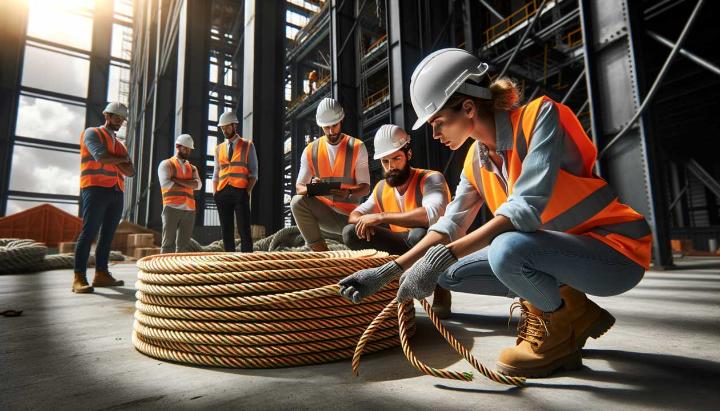
One of the primary advantages of synthetic ropes is their lightweight nature, making them significantly easier to handle and maneuver compared to their wire counterparts. This not only reduces the physical strain on the user but also minimizes the potential energy stored in the rope, which can be a critical factor in preventing serious injuries if the rope were to break or snap back.
Moreover, synthetic ropes are designed with higher safety factors and load ratings, typically ranging from 5:1 to 7:1. This means that a synthetic rope can safely handle loads that are five to seven times greater than its rated strength. In contrast, wire ropes often have lower safety factors, increasing the risk of unexpected failures under heavy loads.
Have you ever witnessed the aftermath of a wire rope snapping? The jagged ends can be incredibly dangerous, posing a significant risk of cuts and lacerations. With synthetic ropes, however, the smooth surface and controlled breakage pattern reduce the likelihood of such hazardous situations, providing an added layer of protection for you and your team.
Increased Durability and Longevity of Synthetic Ropes
Beyond their impressive safety credentials, synthetic ropes also boast superior durability and longevity compared to wire ropes. Their exceptional strength-to-weight ratio allows them to withstand higher loads while remaining lightweight and easy to handle. Additionally, synthetic ropes are highly resistant to abrasion, cutting, and fraying, which can significantly extend their usable lifespan.
One of the most significant advantages of synthetic ropes is their resistance to corrosion and harsh environmental conditions. Unlike wire ropes, which can rust and degrade over time, synthetic ropes maintain their integrity even when exposed to chemicals, saltwater, or UV radiation. This makes them an ideal choice for marine, outdoor, and industrial settings where durability is paramount.
It's not just about performance; synthetic ropes can also save you money in the long run. Their extended service life and reduced maintenance requirements translate to lower overall operational costs, as you won't need to replace them as frequently as wire ropes. Additionally, the improved safety features of synthetic ropes can help minimize the risk of costly accidents and downtime, further enhancing their cost-effectiveness.
So, whether you're an off-road enthusiast tackling rugged terrain, a marine professional navigating the high seas, or an industrial worker operating in demanding environments, synthetic ropes offer a safer, more durable, and more cost-effective solution compared to traditional wire ropes. By embracing this innovative technology, you can confidently tackle even the most challenging tasks while prioritizing the safety and well-being of your team.
Advantages of Synthetic Winch Ropes Over Steel Cables
When it comes to winching or hauling heavy loads, the choice of rope can make all the difference in safety, performance, and efficiency. Traditional steel cables have been the go-to option for many years, but with advancements in material technology, synthetic winch ropes have emerged as a game-changer. These lightweight, yet incredibly strong ropes offer a host of advantages that make them a versatile and cost-effective alternative to their steel counterparts.
Lightweight and Easy to Handle
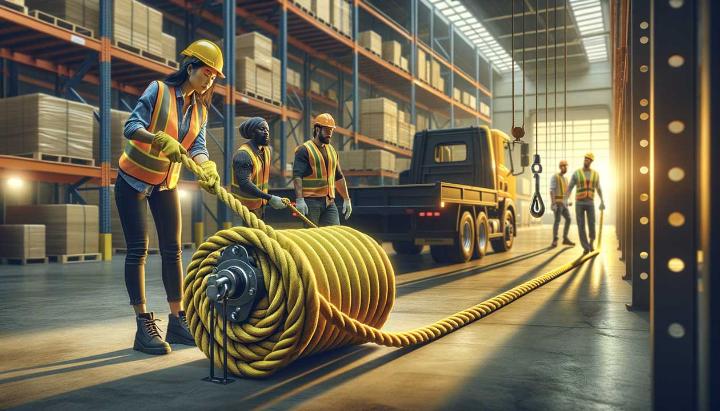
One of the most compelling advantages of synthetic winch ropes is their featherweight design. Imagine a rope that's up to seven times lighter per diameter than a steel cable of the same strength. This remarkable weight savings not only makes these ropes incredibly user-friendly but also significantly reduces the risk of back strain and other injuries associated with handling heavy gear.
Have you ever struggled to maneuver a bulky steel cable around tight spaces or wrestled with coiling it for storage? With a synthetic winch rope, you can wave goodbye to those frustrations. Their lightweight nature and superior flexibility make them a breeze to handle, transport, and deploy, even in challenging environments.
Safety is paramount when it comes to winching, and synthetic ropes have a significant edge. In the unlikely event of a rope failure, their lightweight design means they store far less potential energy, resulting in a reduced recoil force. This minimizes the risk of serious injuries that can occur with the violent whiplash often associated with snapped steel cables.
Cost-Effective and Low Maintenance
While the initial investment in a high-quality synthetic winch rope may be higher than a steel cable, the long-term cost savings can be substantial. These ropes boast an impressive lifespan, thanks to their resistance to corrosion, abrasion, and environmental factors like UV radiation and chemicals.
Proper care and maintenance are crucial for maximizing the longevity of any rope, but synthetic ropes make this process a breeze. Unlike steel cables that can rust and corrode, synthetic ropes maintain their integrity even in harsh conditions, reducing the need for frequent replacements and costly downtime.
Additionally, synthetic winch ropes are designed to be low-maintenance marvels. No more worrying about lubricating or inspecting for rust and corrosion – a simple visual inspection is often all it takes to ensure your synthetic rope is in top condition and ready for action.
When you factor in the reduced maintenance costs, extended service life, and enhanced safety features, it's clear that synthetic winch ropes offer a cost-effective solution that can save you time, money, and peace of mind in the long run.
- Wondering what type of synthetic rope to choose? High-Modulus Polyethylene (HMPE) ropes, like Dyneema, are a popular choice for winching applications. These cutting-edge materials offer an unbeatable combination of lightweight design, high strength, and excellent abrasion resistance, making them a top pick for professionals who demand the best.
Whether you're an off-road enthusiast, a marine professional, or an industrial worker, synthetic winch ropes are a versatile and cost-effective alternative to traditional steel cables. With their lightweight design, ease of handling, and exceptional durability, these ropes are poised to revolutionize the way you approach winching and hauling tasks. Embrace the future and experience the benefits of this innovative technology today.
Synthetic Ropes: Rising Market Share and Industry Applications
In an ever-evolving world where industries demand high-performance and safety-focused solutions, synthetic ropes have emerged as an innovative alternative to traditional materials, rapidly gaining traction across various sectors. These cutting-edge ropes are not only redefining industry standards but also paving the way for a more efficient and sustainable future.
Growing Demand for Synthetic Ropes Across Industries
From the rugged offshore oil and gas platforms to the bustling construction sites dotting urban landscapes, synthetic ropes have proven their versatility and reliability. The maritime industry, in particular, has embraced these remarkable ropes for their unparalleled strength, corrosion resistance, and floatability, making them indispensable for mooring, ship assistance, and inland towing operations.
Imagine the towering cranes on a construction site, effortlessly maneuvering heavy loads with the aid of lightweight yet robust synthetic ropes. Or picture the mining industry, where these ropes play a crucial role in hoisting and lifting operations, ensuring safety and efficiency in even the harshest environments.

Key Advantages of Synthetic Ropes Over Traditional Materials
So, what sets synthetic ropes apart from their traditional counterparts? For starters, their exceptional strength-to-weight ratio is a game-changer. These ropes can withstand incredible loads while remaining remarkably lightweight, making them easier to handle and reducing the risk of workplace injuries.
But that's just the tip of the iceberg. Synthetic ropes are also highly resistant to corrosion, chemicals, and UV radiation, ensuring durability and longevity in even the harshest conditions. Imagine a rope that doesn't succumb to the relentless assault of saltwater or harsh chemicals, saving you from costly replacements and downtime.
Have you ever witnessed the aftermath of a heavy load shifting unexpectedly, causing a sudden shock to the rigging system? With synthetic ropes, their innate shock absorbency and controlled breakage pattern provide an added layer of safety, minimizing the risk of dangerous whiplash and ensuring the well-being of your team.
But what truly sets these ropes apart is their versatility. From the high-stakes world of offshore operations to the ever-evolving demands of the construction industry, synthetic ropes have proven their mettle time and again, delivering unparalleled performance and reliability.
With the synthetic rope market projected to experience substantial growth in the coming years, driven by factors like technological advancements and regulatory support, it's clear that these innovative solutions are here to stay. So, whether you're an industry leader seeking to optimize your operations or a forward-thinking professional embracing cutting-edge technologies, synthetic ropes are the future – and the future is now.
Discover the power of synthetic ropes and their unmatched performance by exploring our comprehensive guide on Synthetic Rope vs Steel Wire: Benefits and Best Uses. Learn how these high-performance tools are revolutionizing various sectors and setting new standards in safety and durability.
For a deep dive into why fiber ropes outclass sling wire ropes, check out our article on Why Fiber Rope Beats Sling Wire Rope in Various Uses. Elevate your understanding of fiber rope applications and advantages today.
Synthetic ropes have rapidly gained acceptance across multiple industries thanks to their superior performance over traditional winch wire ropes. These ropes are lightweight, easier to handle, and offer a higher strength-to-weight ratio compared to rope wire. Their resistance to corrosion, UV radiation, and chemicals make them durable, ensuring minimal maintenance and longer service life. Safety is a paramount advantage, as the lighter weight and smoother surface of synthetic ropes reduce injury risks. They are also versatile and cost-effective, operating seamlessly with existing winch systems and suitable for diverse applications. As technology progresses, synthetic ropes continue to gain market share, proving their effectiveness and potential for innovation in various sectors.
Explore Tailored Rope Solutions with Us!
Complete the inquiry form above to discover how our synthetic rope solutions can outperform traditional wire ropes in your applications. Let's pave the way for safer, more efficient, and innovative rope technologies together.
