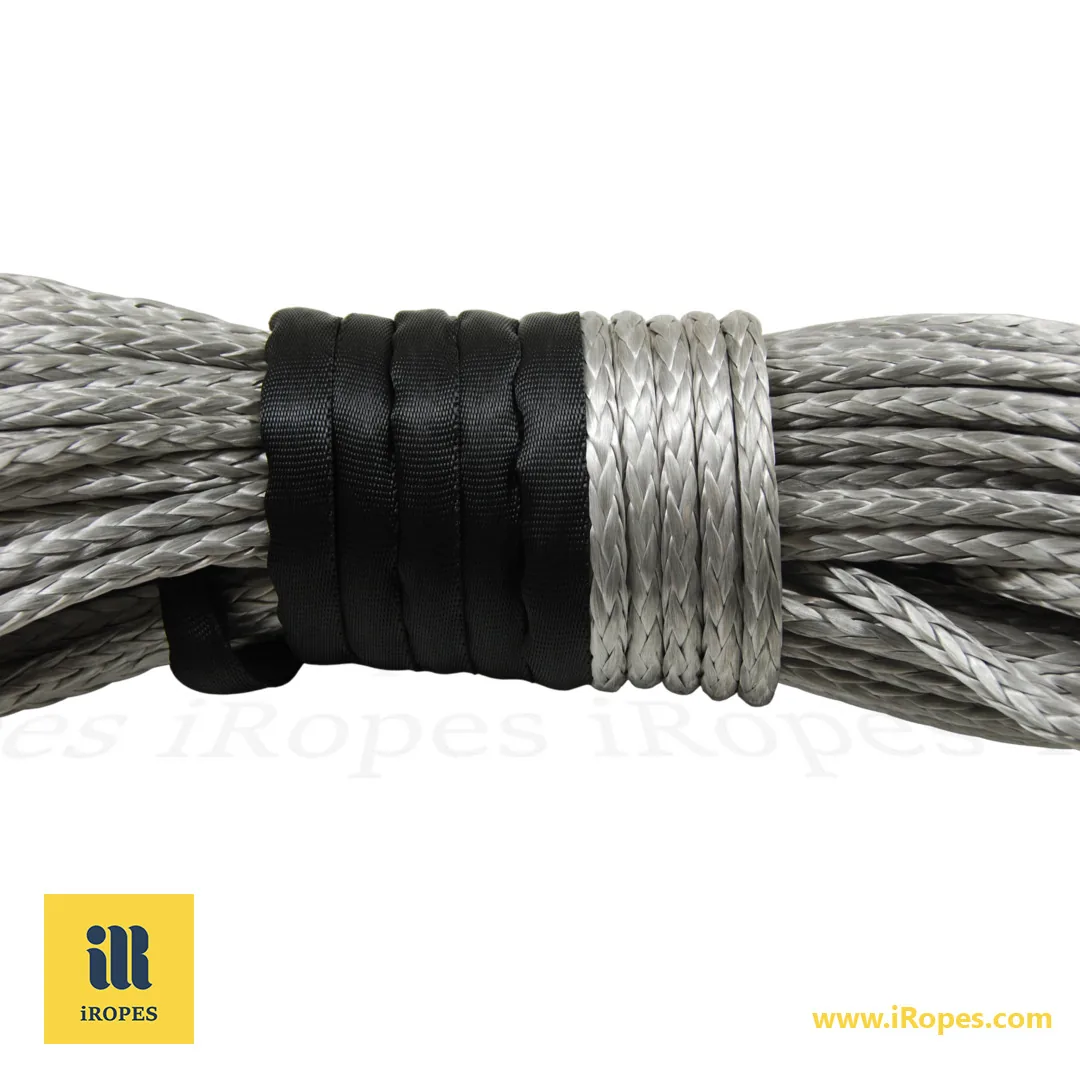
⚠️ Up to 50% of tow rope strength vanishes in months from UV exposure and water rot—turning emergency tows into disasters. Opt for HMPE lines from iRopes, delivering 15x steel's power without absorption for unbreakable marine reliability.
Master Tow Rope Essentials in 12 Minutes
- ✓ Pinpoint failure triggers like shock snaps in choppy seas—slash accident risks by 70% with proper elasticity insights.
- ✓ Grasp K-ratings (2K-6K) and 50-75 ft lengths—select the ideal strength for your boat's 3,000+ lb loads per WSIA guidelines.
- ✓ Tailor picks for tubing or salvage via iRopes' OEM customisation—gain floating, reflective designs that boost visibility and prevent prop tangles.
- ✓ Adopt maintenance hacks to extend life 3x—rinse salt and inspect for frays, ensuring every tow is secure.
Why Common Tow Ropes Fail in Boat Applications
Imagine enjoying a sunny afternoon on the water when your boat suddenly sputters to a halt. You grab the tow rope to call for assistance, but as tension builds, it snaps like a brittle twig. This heart-stopping moment isn't merely dramatic; it poses a significant risk, transforming a minor inconvenience into a major hazard. Standard tow ropes often underperform in harsh marine environments, leading to failures that compromise safety and leave you stranded. Let's explore why these common options frequently fail under pressure.
One of the primary culprits is material degradation from constant exposure. Relentless UV rays from the sun weaken fibres over time, turning a once-sturdy line into a frayed mess. Moreover, water absorption leads to rot and mildew, which erode the rope's integrity. Many budget tow ropes neglect these factors, opting for cheaper synthetics that swell and lose strength when wet. In contrast, materials like polyester resist rot effectively. Exceeding a rope's load limit, especially if its breaking strength doesn't match the boat's weight or towing demands, also creates a hazardous situation.
- UV degradation: Prolonged sun exposure breaks down molecular bonds in the rope, potentially reducing its tensile strength by up to 50% within months.
- Water absorption and rot: Fibres like nylon absorb moisture, increasing weight and fostering bacterial growth that compromises integrity over repeated wettings.
- Inadequate breaking strength: Ropes rated too low for the load, such as a 2K line attempting to handle a 3,000-pound boat, can snap unexpectedly under stress.
Another major issue arises from how these ropes handle sudden forces. Without adequate elasticity, a tow rope for a boat cannot absorb shocks from waves or abrupt pulls, leading to violent snaps. Consider choppy seas where your vessel lurches forward; a rigid line transfers that jolt directly to the connection points, risking damage to cleats or even injury to those on board. Ropes lacking elasticity turn towing into a gamble during heavy or erratic conditions, contrasting sharply with those specifically designed for built-in elasticity.
Furthermore, practical concerns like visibility and setup are often overlooked. Many generic tow ropes sink, increasing the risk of entanglement with propellers, which can disable your engine mid-tow. In low light or fog, dull colours blend into the water, heightening collision risks. Poor design amplifies these dangers, transforming what should be a simple assist into a navigation nightmare. These shortcomings demonstrate why off-the-shelf options are often inadequate for demanding marine use, emphasising the need for ropes engineered with specific marine traits to perform reliably when it matters most.

Understanding these failures highlights the need for scientifically designed ropes that meet specific marine demands, which leads us to explore the essential features for durable performance.
Essential Features of a Reliable Tow Rope for a Boat
Recognising the pitfalls of standard ropes reveals what truly makes an excellent option—one engineered to endure the sea's unpredictable forces. For a dependable tow rope for a boat, features that withstand harsh marine conditions are paramount. Choosing the right components ensures smoother operations. From conversations with experienced skippers, it's clear that optimal setups begin with intelligent material selections capable of resisting salt, sun, and strain.
Material forms the foundation of any high-quality rope. Polyester excels due to its resistance to rot and mildew, even after continuous water exposure, making it an ideal choice for those asking, "What rope will not rot in water?" It maintains its form without swelling or weakening, ensuring consistent reliability through repeated dousings. Nylon, conversely, offers excellent stretch, cushioning sudden tugs from waves or turns, much like a vehicle's suspension system on a rough road. For superior performance, however, nothing surpasses HMPE or Dyneema. This constitutes the strongest marine rope available, boasting strength up to 15 times that of steel, yet remaining lightweight and buoyant.
Equally important are strength ratings and sizing. K-ratings simplify load capacity metrics: a 2K rope handles lighter loads of approximately 900 kg (2,000 lbs) breaking strength, while 6K ropes cater to heavier boats or multiple riders. Matching this rating to your vessel's weight and towing requirements prevents overloading. Length is also critical; a range of 15 to 23 metres (50 to 75 feet) is recommended for maintaining a safe distance from prop wash and facilitating easy manoeuvring. The Water Sports Industry Association (WSIA) endorses this range for most scenarios, balancing ample slack for control with minimal tangle risks.
Core Strengths
Built for Marine Pull
High Tensile Rating
K-ratings from 2K to 6K ensure safe loads up to thousands of pounds without snap risks.
Optimal Length
15-23 metres (50-75 ft) per WSIA for balanced control and safety in varied waters.
Visibility Boost
Reflective strips and bright hues cut through fog or dusk for fewer close calls.
Safety Add-Ons
Extra Layers of Protection
Floating Design
Keeps lines on the surface, dodging props and easing retrieval in emergencies.
Bungee Sections
Absorbs shocks from jerks, smoothing rides for fun or urgent tows alike.
Custom Build
Tailored diameters and fittings match your boat's exact pull and setup needs.
Incorporating safety enhancements like floating designs—which prevent underwater snags—reflective elements for low-light visibility, and bungee inserts to absorb jolts transforms a basic line into the best boat tow rope for your needs. These additions are crucial, turning a functional item into a critical safety component. Selecting a rope with these traits prepares you for any marine conditions, aligning perfectly with your specific boating style.
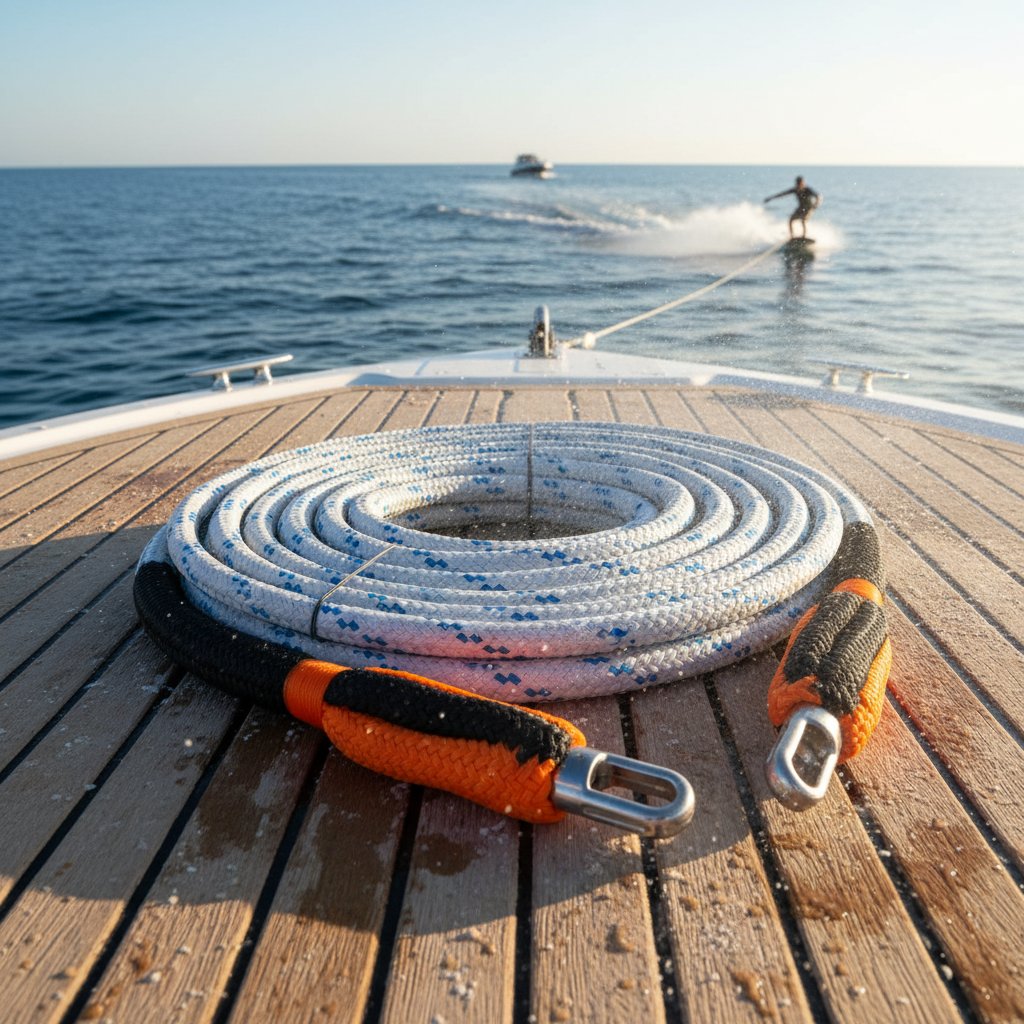
With these core features in mind, selecting the appropriate tow rope becomes straightforward, tailored to various towing scenarios for optimal safety and efficiency.
Selecting the Best Boat Tow Rope for Specific Marine Needs
Having understood the key features, such as low-stretch materials and essential safety add-ons, the next step is to choose what best suits your marine activities. Not all ropes perform equally across diverse scenarios; consider the contrast between recreational tubing and urgent yacht salvage in rough seas. Matching the correct tow rope for a boat to its intended use ensures smooth and safe operations, whether for leisure or crisis management.
For recreational watersports, low-stretch HMPE lines are acclaimed as the best rope to tow a boat, particularly for tubing and wakeboarding. Their minimal elasticity provides precise control, allowing riders to navigate wakes without erratic bounces that can lead to falls. These ropes maintain tension steadily, adhering to WSIA standards for rider safety and delivering seamless experiences. For instance, a 4K-rated version is recommended for multiple riders, ensuring stability and enjoyment. This choice keeps the emphasis on fun rather than unpredictable movements.
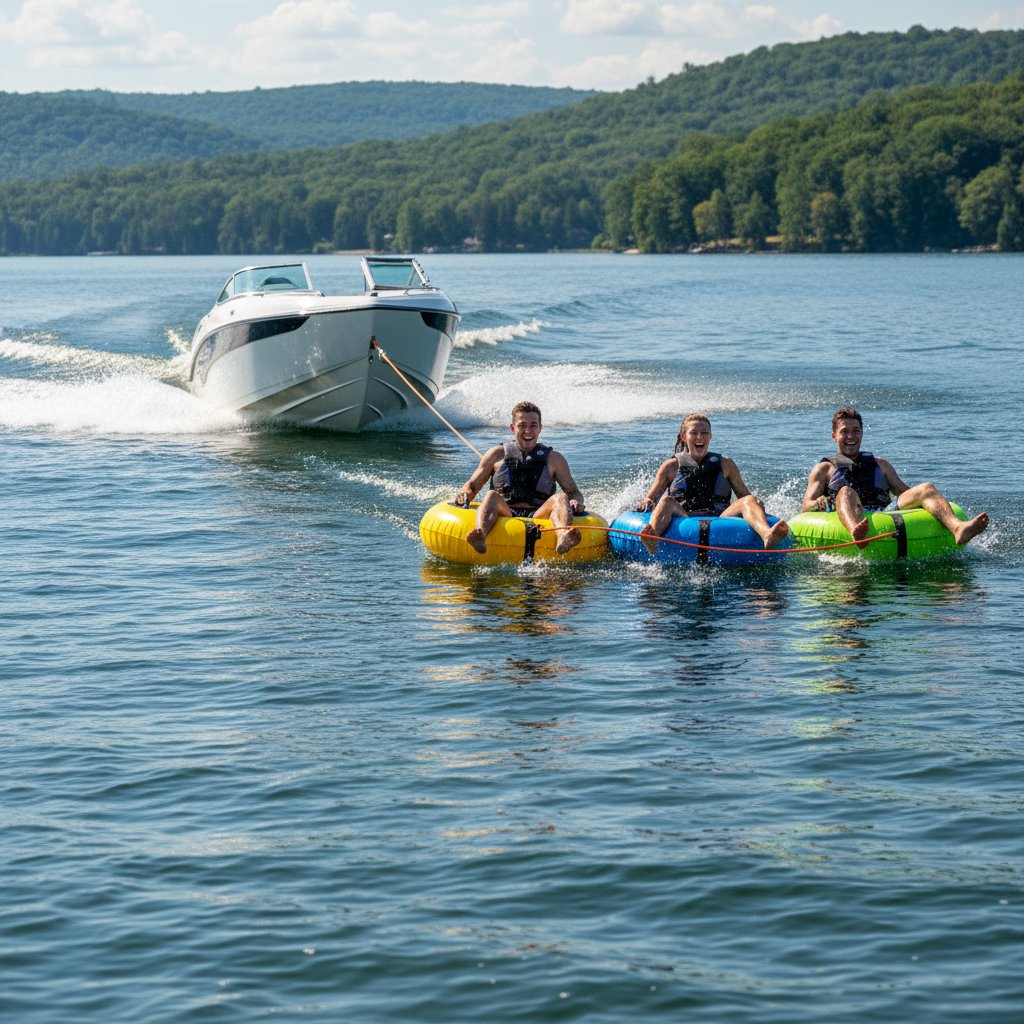
For emergency and commercial salvage operations, high-tensile double braid nylon ropes for marine towing with custom configurations are essential for demanding boat-to-boat towing. These require robust shock absorption, often achieved with nylon cores or integrated bungee sections, to mitigate harsh jerks that could damage hardware. A properly configured bridle setup distributes the load across multiple attachment points, using stainless steel thimbles at cleats to prevent chafe and ensure uniform stress distribution. In salvage operations involving heavy displacement vessels, a 6K or higher Dyneema blend may be critical, offering buoyancy to avoid prop strikes and superior grip in adverse conditions.
Regardless of the application, customisation is key to achieving peak performance. At iRopes, our OEM and ODM services allow for precise adjustments to diameter—thinner for agility in sports or thicker for industrial hauls. We also offer exact lengths and specialised accessories such as reflective tracers for enhanced visibility at dusk, or certified terminations that comply with maritime regulations. From colour-coding for fleet operations to compliant packaging, we ensure your setup not only performs optimally but also aligns with your specific branding and operational needs.
Rec Sports
HMPE for tubing control, WSIA-compliant lengths up to 20 metres (65 ft).
Emergency Pull
High-tensile with bridles to manage 4500+ kg (10,000+ lb) loads safely.
Custom Specs
Diameter tweaks and accessories for regulatory fit.
Visibility Upgrades
Reflective elements to spot lines in low-light tows.
Choosing the right rope sets the foundation for safe operations, but proper usage and maintenance are equally vital to prevent failures and extend longevity.
Safe Practices and Maintenance for Tow Ropes in Marine Towing
Selecting the optimal tow rope provides a strong foundation, yet its effective setup and consistent care are crucial for seamless operations. Proper rigging and maintenance transform potential issues into routine procedures, whether for leisurely outings or serious hauls. Let's delve into the essential practices that enhance towing safety and extend the lifespan of your gear.
Effective setup is paramount, as a few judicious choices can avert most mishaps. Correct attachment involves using metal thimbles—metal reinforcements that fit into rope ends—to shield against sharp edges on cleats or tow points, thereby reducing wear from friction. For larger tasks, such as towing another vessel in open water, a bridle setup is ideal: it distributes the load across two or more points, evening out the pull and preventing excessive strain on any single area. For recreational use, a single attachment point often suffices, but always verify secure knots, such as a bowline, that will not slip under tension. Clear communication, whether via hand signals or radios, between the towing and towed boats ensures synchronicity, preventing sudden stops that could dangerously overload the line. Crucially, never exceed the rope's safe working load; for a 4K-rated rope, this typically equates to one-fifth of its breaking strength, allowing a margin for unexpected conditions like rogue waves.
- Inspect attachments pre-launch to confirm thimbles fit snugly without binding.
- Use a bridle for multi-point towing, adjusting lengths to balance the strain evenly.
- Establish clear signals with your crew, such as thumbs up for speed increases, to maintain control.
Safety considerations extend beyond mechanical aspects to include comprehensive protective measures. Always factor in insurance; many policies mandate compliant gear, such as WSIA-approved lines for watersports, to prevent claim denials post-incident. Compliance is not merely bureaucratic; it ensures safety for all, encompassing considerations from speed limits in busy bays to load ratings appropriate for your setup. Essential emergency tools, like a sharp marine knife clipped within reach, can cut through a fouled rope in seconds, freeing propellers or halting an uncontrolled tow before it escalates into a serious event.
Maintaining your equipment in optimal condition requires regular care, especially given the relentless wear of the marine environment. After each use, rinse the rope with fresh water to remove salt and grime, which accelerate degradation. Then, hang it to dry thoroughly in the shade, avoiding direct sunlight to prevent further rot. Although polyester is highly resistant, neglect can lead to hidden weaknesses. Store coiled ropes loosely and away from direct sunlight, perhaps in a UV-blocking bag, to preserve fibre integrity. Regular inspections are your primary defence: run your hands along the entire length to detect frays, stiff sections, or discolouration that indicate impending issues, ensuring your tow rope remains reliable.
- Rinse and dry: Fresh water wash followed by air drying prevents salt build-up and moisture-related decay.
- Shade storage: Keep out of sunlight to block UV rays that weaken strands over seasons.
- Wear inspections: Feel for irregularities monthly, retiring any line showing cuts or excessive softening.
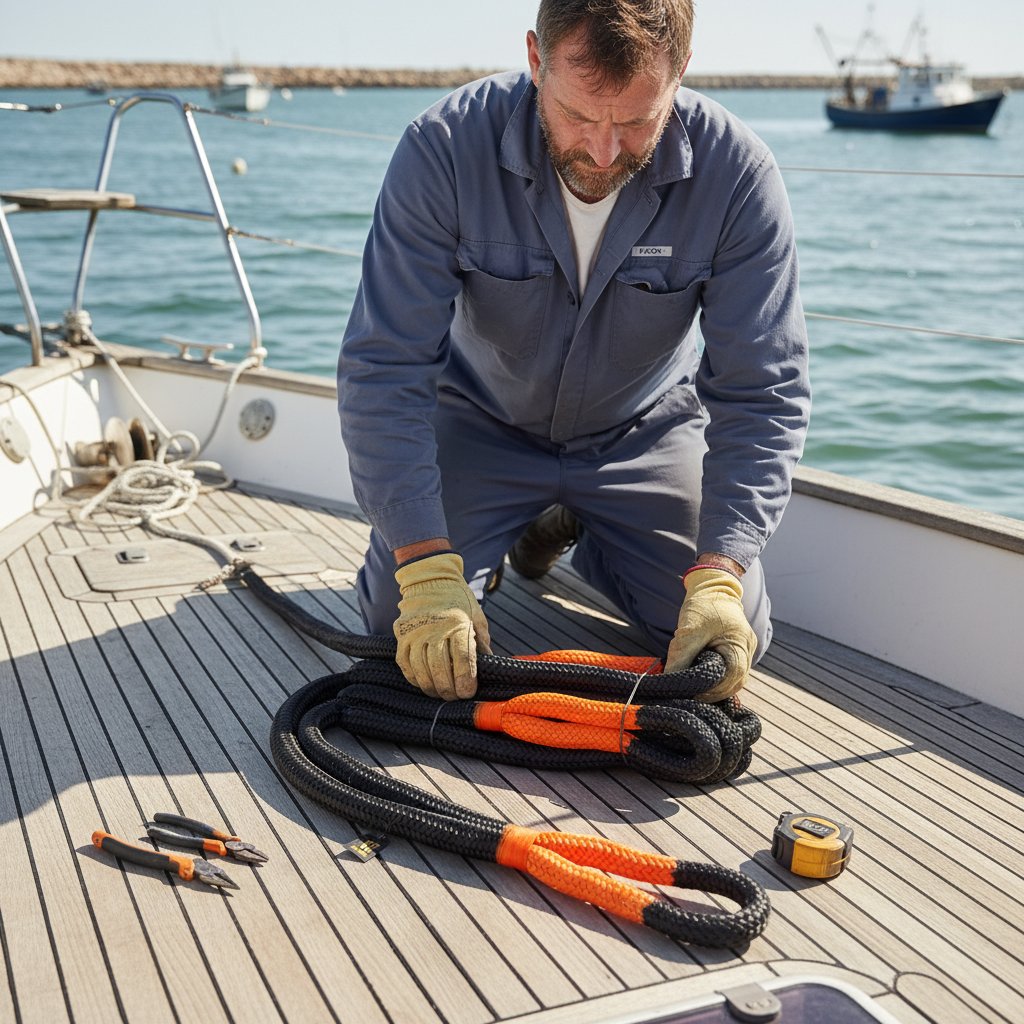
By integrating these practices with high-quality, customised ropes from iRopes, boaters can achieve superior performance and peace of mind in all marine adventures.
Navigating the risks of tow rope failures—from UV degradation and shock snaps to entanglement hazards—underscores the crucial importance of selecting the right tow rope for a boat to ensure safe marine towing. Prioritising materials such as rot-resistant polyester, elastic nylon, or ultra-strong HMPE/Dyneema, combined with WSIA-recommended lengths and features like floating designs, reflective elements, and bungee sections, guarantees reliability across recreational watersports, emergency towing, and commercial salvage. Implementing proper configurations, maintenance routines, and adhering to safety protocols further safeguards your operations, minimising downtime and enhancing peace of mind on the water.
Capitalising on these insights, iRopes provides custom OEM/ODM solutions to tailor the best boat tow rope for your specific needs. These solutions incorporate advanced shock absorption, enhanced visibility, and adherence to regulatory standards, ensuring seamless performance. For personalised guidance on configurations or setups that meet insurance requirements, contact iRopes to elevate your boating safety and efficiency.
Customise Your Tow Rope with iRopes Experts
If you'd like more personalised assistance in selecting or customising a tow rope solution tailored to your marine towing scenarios, complete the inquiry form above to connect directly with our iRopes team. We're here to help you navigate the best options for your needs.