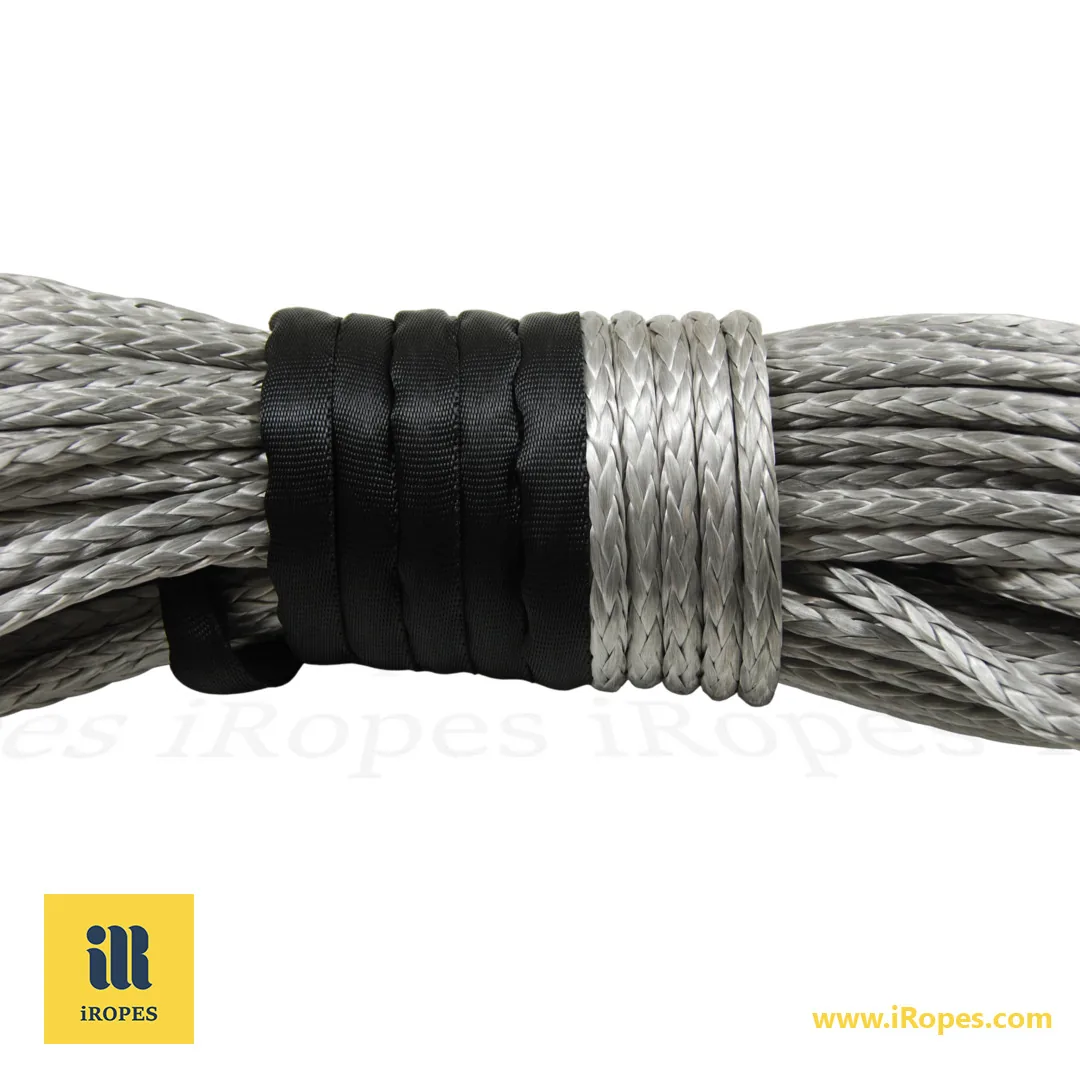
UV protected nylon rope crushes polypropylene in marine sun exposure—retaining over 80% strength after 12 months, while unprotected PP degrades by up to 70%. Perfect for yachting and anchoring where safety hinges on durability.
In a 12-minute read, unlock the edge for your marine ropes →
- ✓ Decode nylon's 15-25% stretch advantage over PP's rigidity, slashing snap risks in dynamic loads like mooring
- ✓ Master UV degradation facts: Why PP fails fast in sunlight, but protected nylon endures 2-3x longer for cost savings
- ✓ Gain selection smarts—match buoyancy needs (PP floats) against elasticity (nylon absorbs shocks) for safer yachting
- ✓ Discover iRopes custom UV solutions that boost performance and meet ISO standards for your wholesale buys
You might think polypropylene's cheap float and waterproof vibe make it the marine go-to. Yet, what if extended sun exposure on your deck turns your lines brittle, costing up to 70% of their strength in just a year? UV protected nylon rope flips this script entirely. It offers shock-absorbing stretch that saves rigs from wave jolts, and its targeted defences significantly outpace polypropylene's vulnerabilities. This often-overlooked resilience is critical. Curious which counter-intuitive factors seal nylon's victory in real yachting trials? Dive in to safeguard your setup without the guesswork, ensuring durability and peace of mind.
Understanding the Difference Between Nylon and Polypropylene Rope
Imagine you're out on the water, securing your yacht to the dock after a long day. The last thing you want is a rope that gives way under pressure. Building on that scenario, let's break down the basics of two common synthetic ropes: nylon and polypropylene. Both materials dominate marine applications, but each brings unique traits to the table, making selection crucial for specific duties.
Nylon, a type of polyamide, boasts impressive strength and elasticity. Think of it as the rope that stretches just enough to absorb shocks from waves or sudden pulls. This makes it
Polypropylene (PP), on the other hand, is a polyolefin known for its buoyancy and affordability. It floats effortlessly, which is incredibly handy for tasks like marking buoys or fishing lines where you don't want the rope sinking out of sight. Invented in the 1950s by Phillips Petroleum, it rapidly became a go-to for lightweight, cost-effective options. Polypropylene is particularly suited to static loads, such as holding a barrier in place. However, it presents a significant drawback with prolonged sun exposure, as UV rays can weaken it much faster than desired.
So, what truly sets these two apart at their core? The fundamental difference between nylon rope and polypropylene rope boils down to their chemical makeup and how they respond to real-world stresses. Nylon's polyamide structure creates tighter, more resilient fibres that handle stretching well, providing excellent shock absorption. Conversely, polypropylene's simpler polyolefin chains prioritise lightness, but this often sacrifices some durability in harsh conditions. Historically, nylon paved the way for high-performance synthetics during World War II for parachutes. In contrast, polypropylene gained traction post-war for its
- Nylon pros: High tensile strength for heavy loads, excellent elasticity for shock absorption, and good abrasion resistance when dry. Also offers good general chemical resistance.
- Nylon cons: Absorbs water, leading to up to 35% strength loss when wet, and it is denser, so it sinks.
- Polypropylene pros: Waterproof with no strength change in water, floats naturally, and is cheaper upfront.
- Polypropylene cons: Limited stretch for dynamic uses, prone to UV breakdown, and can become brittle in cold weather.
One quick way to tell them apart by feel is simple: nylon has a smooth, almost silky texture, like running your hand over a well-worn leather strap. Polypropylene feels rougher, more akin to a basic garden twine. Ever picked up a rope and wondered which it was? A simple buoyancy test also works wonders—drop a piece in water. Nylon sinks; polypropylene bobs right up, a distinct visual cue. These foundational differences shape how each performs in marine settings, but to truly understand why one might better suit your needs, we must compare their properties head-on.

The Difference Between PP Rope and Nylon Rope: A Head-to-Head Comparison
Now that we've laid out the basics of nylon and polypropylene ropes, it's time to pit them against each other in a real showdown. Think of this as sizing up two contenders in the ring of marine demands—each with unique strengths that shine in specific rounds. We'll break it down by key properties, starting with how they handle force and flex, to help you choose the winner for your next project.
When it comes to strength and elasticity, nylon pulls ahead for anything involving
Shifting to how they behave around water, the contrasts become even sharper. Nylon takes on moisture, which can noticeably reduce its strength when soaked, and it tends to sink out of reach if dropped overboard. That's why it's often chosen for fixed setups where retrieval isn't an immediate issue, such as permanent dock lines. Polypropylene, conversely, shrugs off water entirely, holding its full strength even after a dunking. Its natural buoyancy keeps it visible and handy—
Nylon Rope
Dynamic Powerhouse
Shock Absorption
Stretches 15-25% to handle waves and pulls without breaking.
Water Interaction
Absorbs moisture, leading to reduced strength; sinks in water.
Abrasion Edge
Resists wear well in dry conditions, ideal for rubbing against surfaces.
Polypropylene Rope
Lightweight Specialist
Steady Holding
Limited stretch suits static loads but not sudden forces.
Waterproof Float
No absorption, retains full strength; floats effortlessly.
Chemical Durability
Holds up to most acids and oils, but stiffens in chill.
Regarding abrasion and chemical resistance, both materials hold their own in tough spots, fending off oils and acids that might eat away at lesser materials. Nylon shines brightest against scraping in dry setups, such as when lines rub against rocky elements. Polypropylene keeps pace but can turn brittle if temperatures drop significantly, potentially cracking under stress in cooler climates. This is a crucial heads-up if you're rigging in variable weather. Both materials effectively resist most marine chemicals, from saltwater to fuels, making them
These property clashes clearly demonstrate how the difference between PP rope and nylon rope truly plays out in action. Yet, in sun-soaked marine environments, another factor looms large: how they stand up to relentless UV rays.
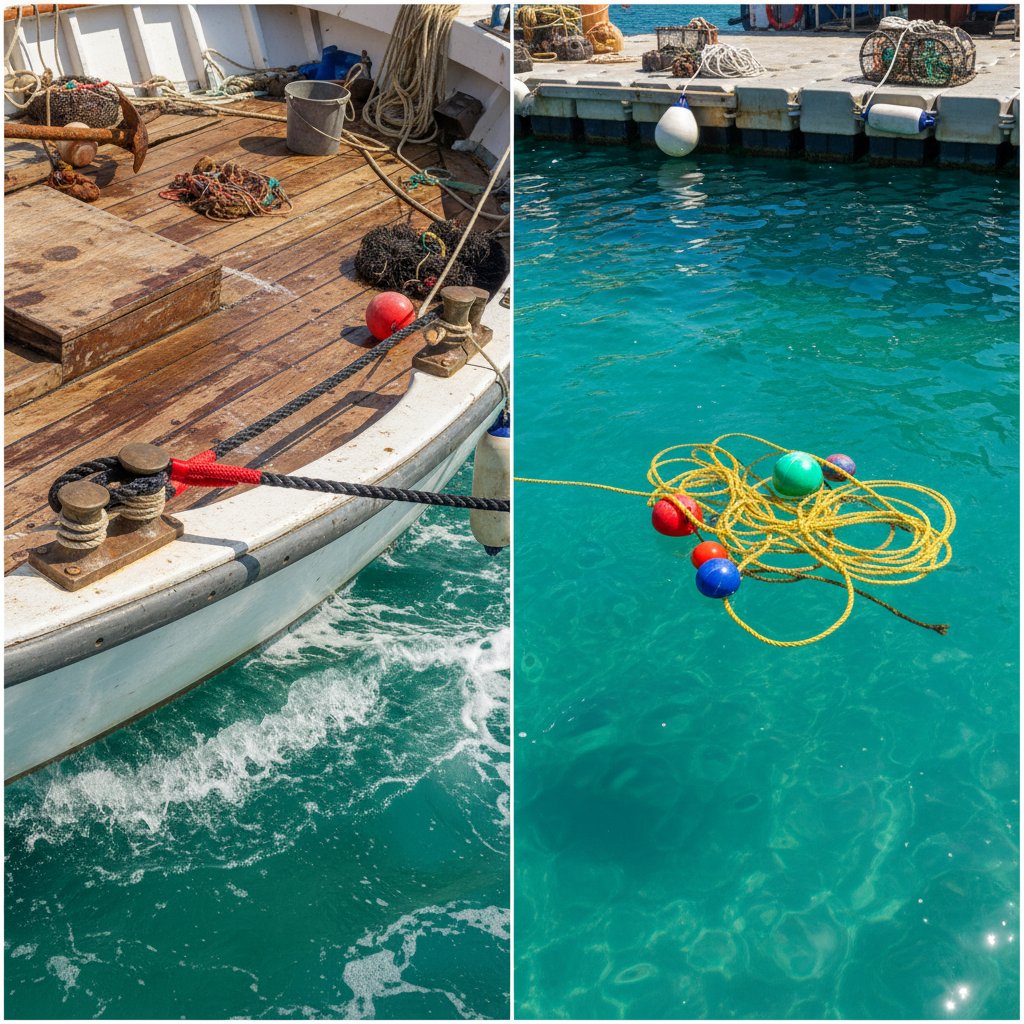
Why UV Protected Nylon Rope Dominates in Marine UV Wars
Those relentless rays we mentioned? They're more than just a nuisance—they can turn a sturdy rope into brittle threads over time. In the battle against sunlight in marine environments, UV degradation emerges as the make-or-break factor, especially when your lines are lashed to a yacht under endless blue skies. Let's unpack how polypropylene and nylon fare here, and why opting for UV protected nylon rope often tips the scales in favour of reliability and safety.
UV rays from the sun bombard rope fibres, breaking down their molecular chains and severely slashing strength. For polypropylene, this degradation hits hard and fast: without any built-in defences, it can lose up to 70% of its tensile power after just one year of direct exposure. That’s like watching your mooring line fade from tough to critically tenuous, risking a snap during a vital hold. Nylon starts with a moderate edge—its polyamide structure offers some natural shielding against UV—but even it weakens gradually if left unprotected. The real game-changer comes when you add
Is polypropylene rope UV resistant on its own? Not really—its polyolefin makeup makes it highly vulnerable, leading to quick embrittlement and potential failure without intervention. Stabilised versions incorporate additives to slow the damage, but they still typically lag behind in harsh, prolonged sun exposure. Nylon, with its superior baseline resilience, leaps ahead when fortified, effectively avoiding those rapid pitfalls that often plague untreated PP.
PP UV Challenges
Degrades rapidly without stabilizers, losing up to 70% strength annually and becoming brittle.
Stabilisation Limits
Additives help but can't fully match inherent demands, often raising replacement needs.
Nylon's UV Edge
Moderate natural resistance is amplified by protection to endure years of exposure.
Protection Methods
Achieved via embedded additives, pigmentation like black dyes, and protective coatings for extended life.
So, how do manufacturers like
Upfront, nylon ropes generally cost more than polypropylene—expect to pay a premium for that quality and protective treatment. However, in marine UV environments, the cost-benefit analysis often flips: cheaper PP typically necessitates frequent replacements, while nylon's superior durability cuts long-term expenses and minimises downtime. I recall a yacht club buddy who switched to protected nylon after his PP lines failed mid-season; it saved him considerable hassle and cash over time. Weighing these factors, doesn't it make practical sense to invest where the sun hits hardest? With UV resistance thoroughly understood, putting these ropes to work in specific marine tasks reveals even more about matching them to your setup.

Marine Applications and Selection Guidelines for Nylon vs. PP Ropes
With UV resistance thoroughly sorted, applying these ropes to specific marine tasks further clarifies why matching them to your setup is paramount. In the salty, sun-drenched world of boating, the right rope choice isn't just about specifications—it's about reliably securing your gear when waves crash or lines strain. Nylon and polypropylene each carve out specific niches where their unique traits make a real difference, from yacht docks to bustling fishing spots.
For nylon, its elasticity makes it a go-to for high-stakes action on the water. Picture mooring your yacht in a busy harbour where swells pull unpredictably—nylon's inherent give absorbs those powerful hits, significantly reducing wear on cleats and hulls. It's equally at home in anchor lines, where it handles the constant tug of tides without snapping, or when towing a tender behind your boat, providing that shock-absorbing stretch under load. For prolonged sun exposure, definitely reach for UV protected nylon rope to keep it reliable season after season, avoiding the brittleness that can subtly creep up on untreated versions. I've heard many skippers swear by it after a stormy night; that
Polypropylene, conversely, steps up where lightness and float are paramount. It's a natural for spearfishing lines, effectively keeping gear from vanishing into the depths if something slips. Buoys and water barriers also benefit significantly—its buoyancy ensures markers remain visible without sinking, perfect for clearly defining swim zones or setting up temporary barriers around a dock. However, for true marine durability, always pair it with UV stabilisers; otherwise, those sunny days could quickly render it crumbly and useless. In calmer, more cost-conscious scenarios like light retrieval tasks, it shines without overcomplicating things.

Choosing between them ultimately boils down to your setup's specific demands. Dynamic loads, like heavy towing or anchoring in rough conditions, unequivocally call for nylon's superior shock-handling prowess. Static jobs, such as buoy lines in still water, favour polypropylene's ease of handling and economy. Always factor in your environment too—intense UV exposure or constant wet conditions necessitate prioritising protected options. Simultaneously, balance your budget against safety considerations, as skimping could lead to higher costs in replacements or, worse, safety risks. What if relentless sunlight is your biggest foe? While polyester offers inherent UV resistance without quick fading, UV protected nylon rope or stabilised polypropylene often fit marine needs better, especially when customised for specific strength and visibility requirements.
To guide your selection, run through this quick checklist:
- Assess load type: Is it dynamic (requiring flexibility like nylon) or static (benefiting from polypropylene's rigidity)?
- Check environment: Does high UV or constant wet exposure demand special protection?
- Review budget: Consider upfront savings with PP versus long-term value and durability with nylon.
- Prioritise safety: Ensure your choice matches required certifications and custom features like diameter or colour for your specific task, especially in critical applications.
At
iRopes Customisation
From UV treatments to specialised cores, get ropes built for your wholesale marine needs with full IP protection and ISO standards. We provide comprehensive OEM and ODM services to bring your customised rope solutions to life.
In the fierce marine UV wars, UV protected nylon rope undeniably emerges as a clear victor over polypropylene for most critical applications. It offers superior elasticity for dynamic loads like yacht mooring and towing, while effectively withstanding sun degradation through advanced embedded stabilisers. When unpacking the fundamental difference between nylon and polypropylene rope, nylon's strength and significant shock absorption shine in wet, high-impact scenarios, despite its water absorption. Conversely, polypropylene's buoyancy suits static tasks like buoy lines, but it falters rapidly without sufficient UV treatment, potentially losing up to 70% of its strength annually. The key difference between PP rope and nylon rope also factors into cost—nylon's higher upfront price delivers substantial long-term savings through its enhanced durability and reduced replacement frequency. For applications ranging from spearfishing to yachting, selection should be carefully based on load type, anticipated UV exposure, and overall budget. iRopes provides
Armed with these comprehensive insights, you can now envision ropes perfectly tailored to your vessel's demands, significantly enhancing both safety and operational efficiency on the water. We are dedicated to delivering bespoke solutions.
Need Custom UV-Protected Ropes for Your Marine Operations?
If you're seeking personalised guidance on selecting or customising ropes like UV protected nylon rope for your specific applications, please complete the inquiry form above to connect with iRopes' experts. We are here to craft solutions that perfectly fit your wholesale marine requirements, ensuring both performance and longevity for your unique projects. Our team focuses on
Related reading: Discover the Leading Nylon Rope Factory Near Me